Introduction
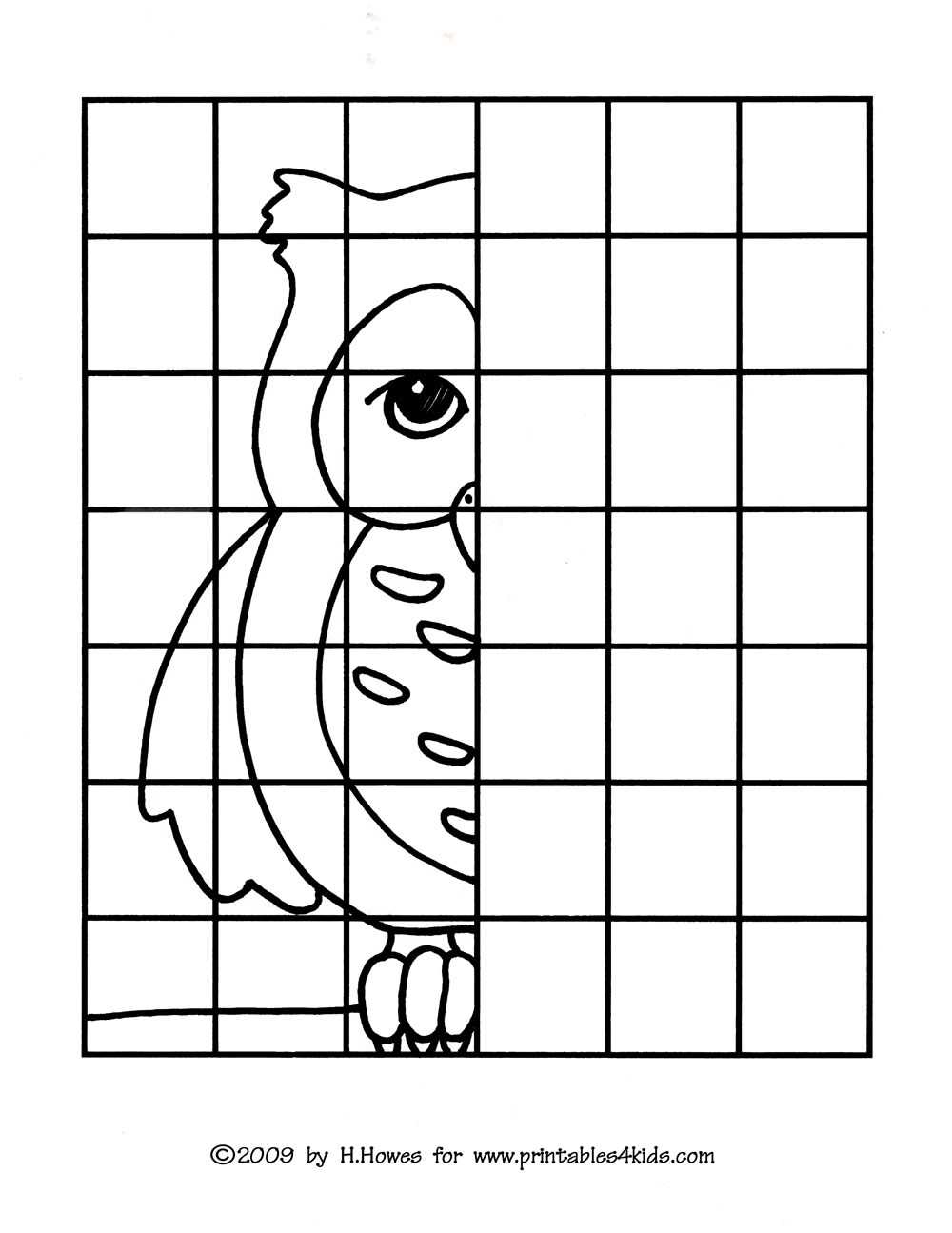
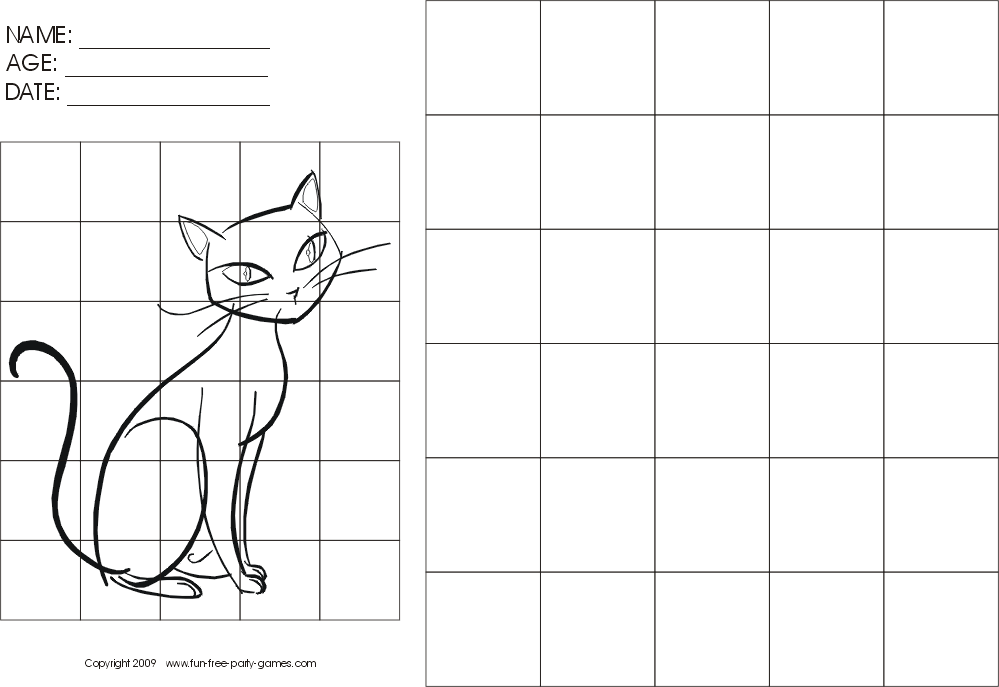
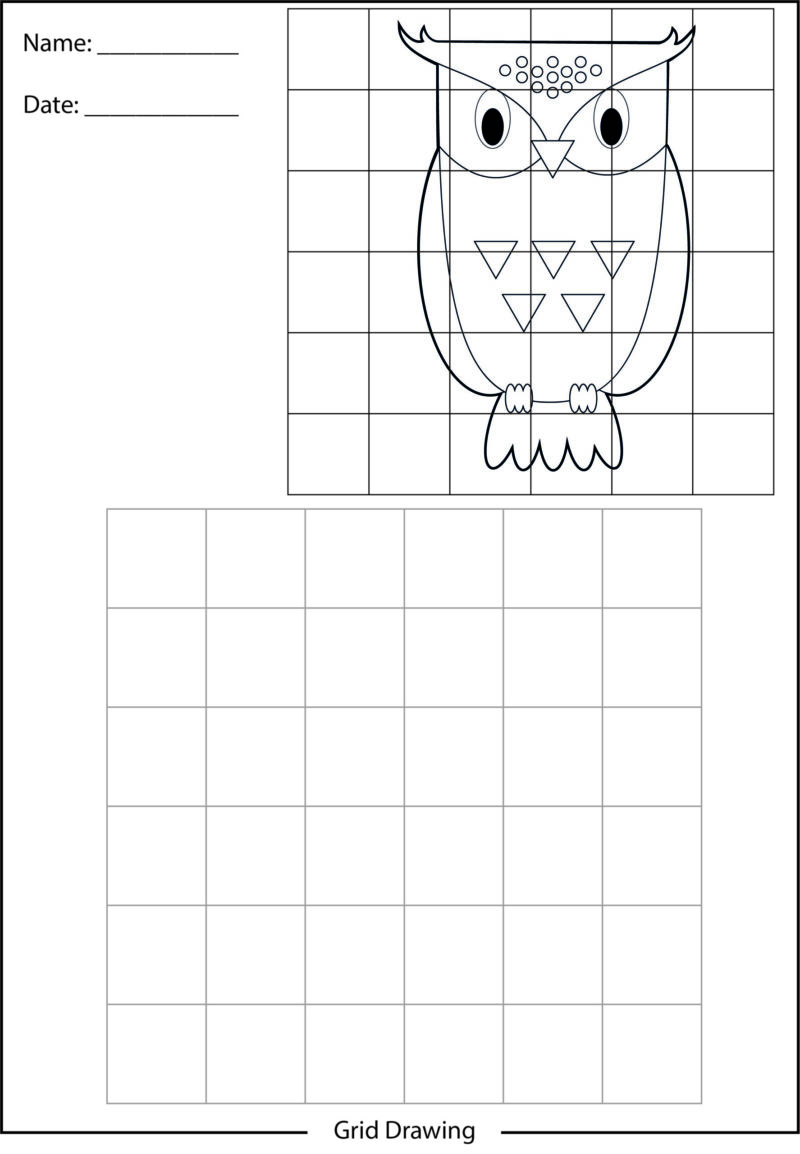
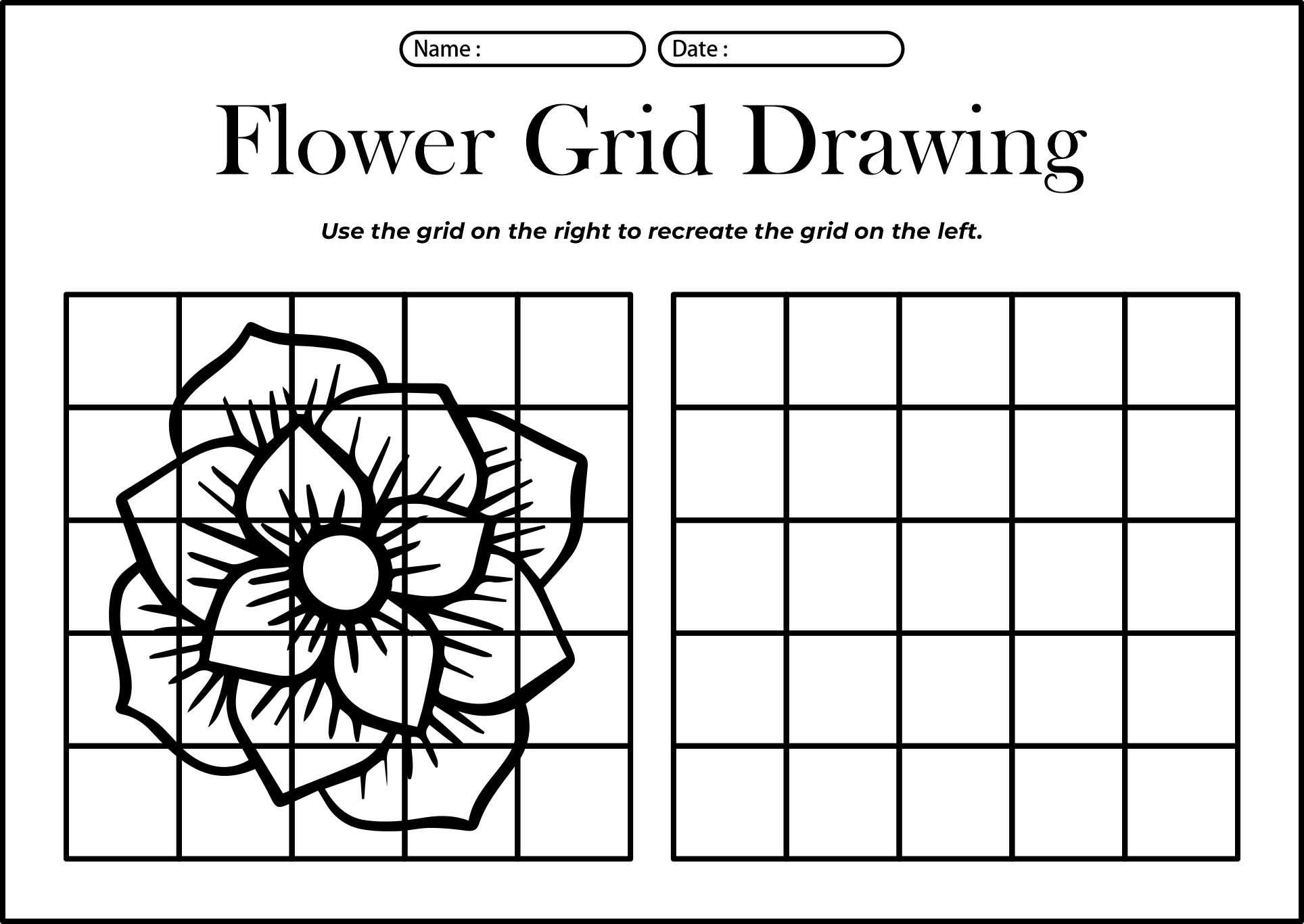
A grid drawing tool free provides educators and parents with accessible, no-cost digital templates that break down complex visual subjects into manageable coordinate squares to enhance spatial awareness. According to the National Art Education Association (NAEA), structured observational drawing exercises fundamentally strengthen cognitive visual processing and fine-motor coordination in early childhood learners. Utilizing printable coordinate frames alongside real photo visual flashcards bridges the gap between abstract geometrical concepts and concrete artistic execution. Grounded in established early childhood development principles, these visual aids support systematic observation, proportion estimation, and precise hand-eye calibration without financial barriers for classrooms or home educators.
Visual Learning & Skill Snapshot:
- Core Focus: Free digital and printable grid templates designed to simplify visual proportion for young learners.
- Target Skill: Spatial reasoning, visual discrimination, fine-motor proportion, and photographic reference mapping.
- Key Recommendation: Pair high-contrast photo references with simple 3×3 grids before progressing to complex multi-square ratios.
Core Principles and Visual Learning Overview
Proportional scaling using coordinate squares teaches children to isolate individual visual details rather than processing an overwhelming whole. By reducing a photographic reference or realistic drawing subject into a localized grid cell, young artists learn to evaluate angles, line intersections, and negative space systematically. This methodology directly reinforces visual literacy by connecting abstract mathematical coordinates to tangible artistic output. Educators integrating structured Grid Drawing frameworks observe significant gains in children’s ability to translate three-dimensional observations onto two-dimensional paper planes accurately.
Key Specifications and Breakdown
| Age / Learning Stage | Visual Skill & Grid Ratio | Pedagogical Application & Scaffolding |
|---|---|---|
| Ages 4–5 (Early Foundation) | 3×3 grid using high-contrast vector outlines | Focuses on basic quadrant location and matching shapes within large, distinct boundary boxes. |
| Ages 6–7 (Developing Mastery) | 4×4 grid paired with real photo flashcards | Enhances relative proportion estimation and encourages direct observation of real-world textures and contours. |
| Ages 8–9 (Advanced Application) | 6×6 or higher grid with complex photography | Refines fine-motor precision, angle calculation, and independent transfer from photo to paper. |
Visual-spatial training through structured grid mapping significantly accelerates geometric comprehension and observational accuracy during early childhood development. — National Art Education Association (NAEA)
Step-by-Step Practical Application and Printing Guidelines
Executing effective grid-based art sessions requires careful preparation of both the reference image and the drawing surface to ensure alignment. Begin by selecting high-clarity Photo Flashcards featuring familiar animals, everyday objects, or botanical specimens to maintain high engagement levels. Print identical grid overlays onto transparent acetate sheets or directly onto the reference photo and the blank drawing paper to maintain a strict one-to-one or scaled ratio. Instruct learners to focus exclusively on one individual square at a time, checking coordinate markers before sketching primary contour lines. Supplementary hands-on Educational Activities involving tactile coordinate boards can further reinforce this spatial mapping process prior to pencil-and-paper execution.
Common Challenges and How to Avoid Them
Children frequently experience frustration when attempting to copy an entire image simultaneously instead of isolating individual grid squares sequentially. Educators and parents can prevent this cognitive overload by physically masking adjacent squares with a blank card, forcing the child to concentrate solely on the targeted coordinate intersection. Another frequent hurdle involves subtle distortions caused by mismatched aspect ratios between the reference image and the target workspace. Ensuring that both the source photo and the blank worksheet maintain exact geometric dimensions eliminates scaling errors and builds confidence in early proportions.
💬 Frequently Asked Questions
Explore More Free Learning Printables and Visual Activities on WePhotoAgency
Accessing comprehensive educational libraries empowers parents and instructors to build robust, engaging curricula that combine fine art with essential cognitive development milestones. Discover an extensive collection of professional visual aids, printable worksheets, and creative resources by visiting WePhotoAgency.com to support young learners at every stage of their academic and artistic journey.
Visual Reference Gallery