Introduction
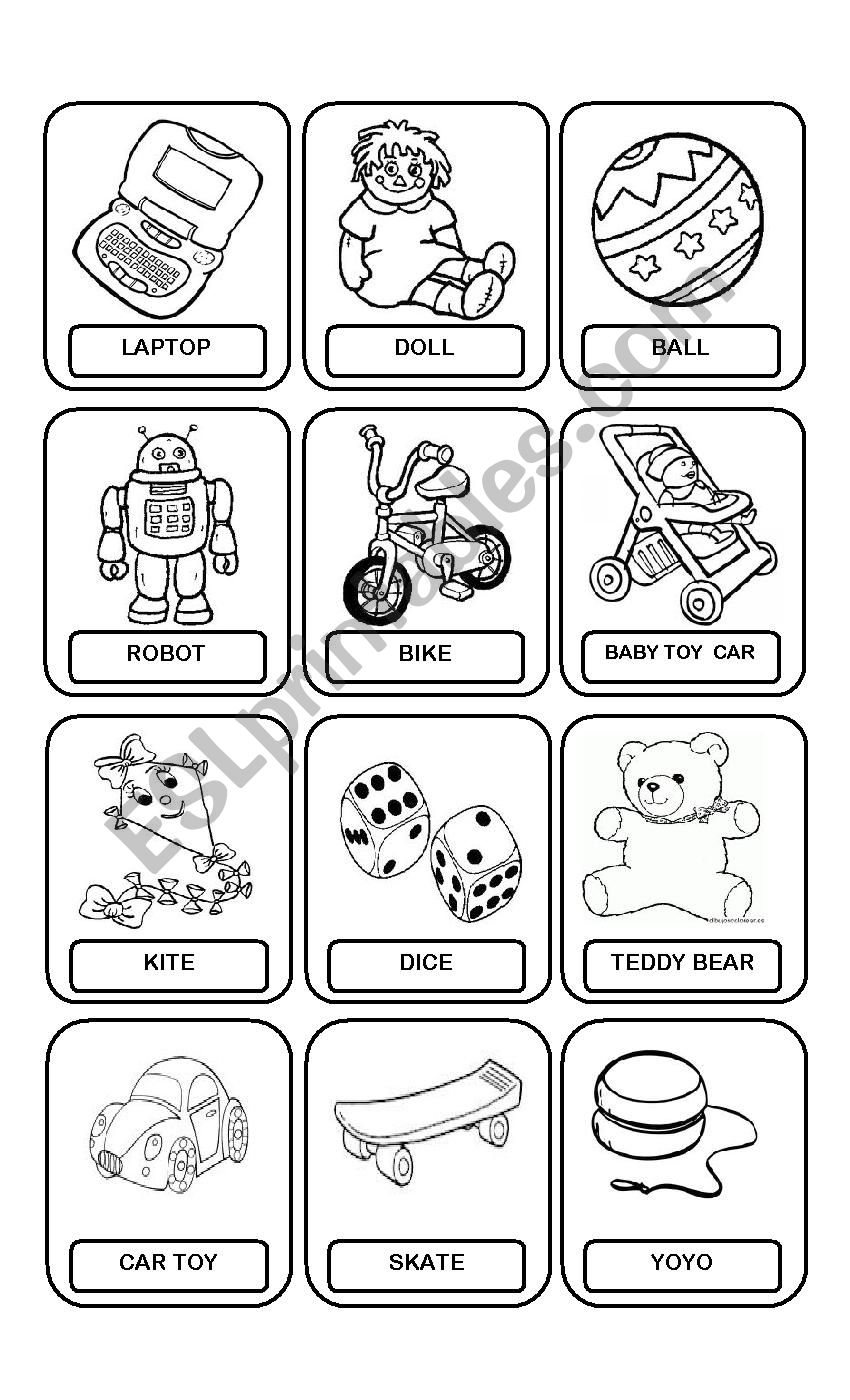
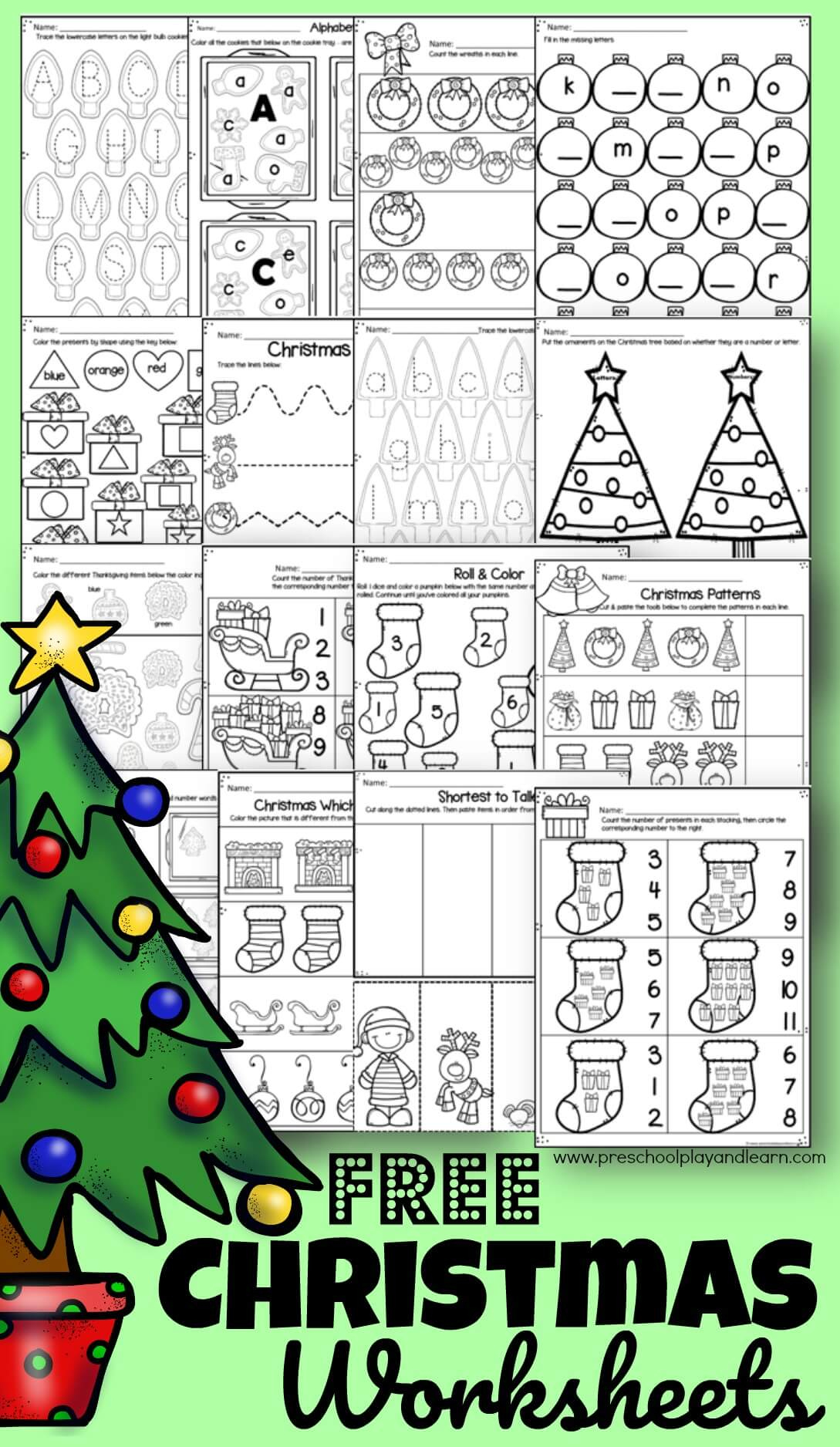
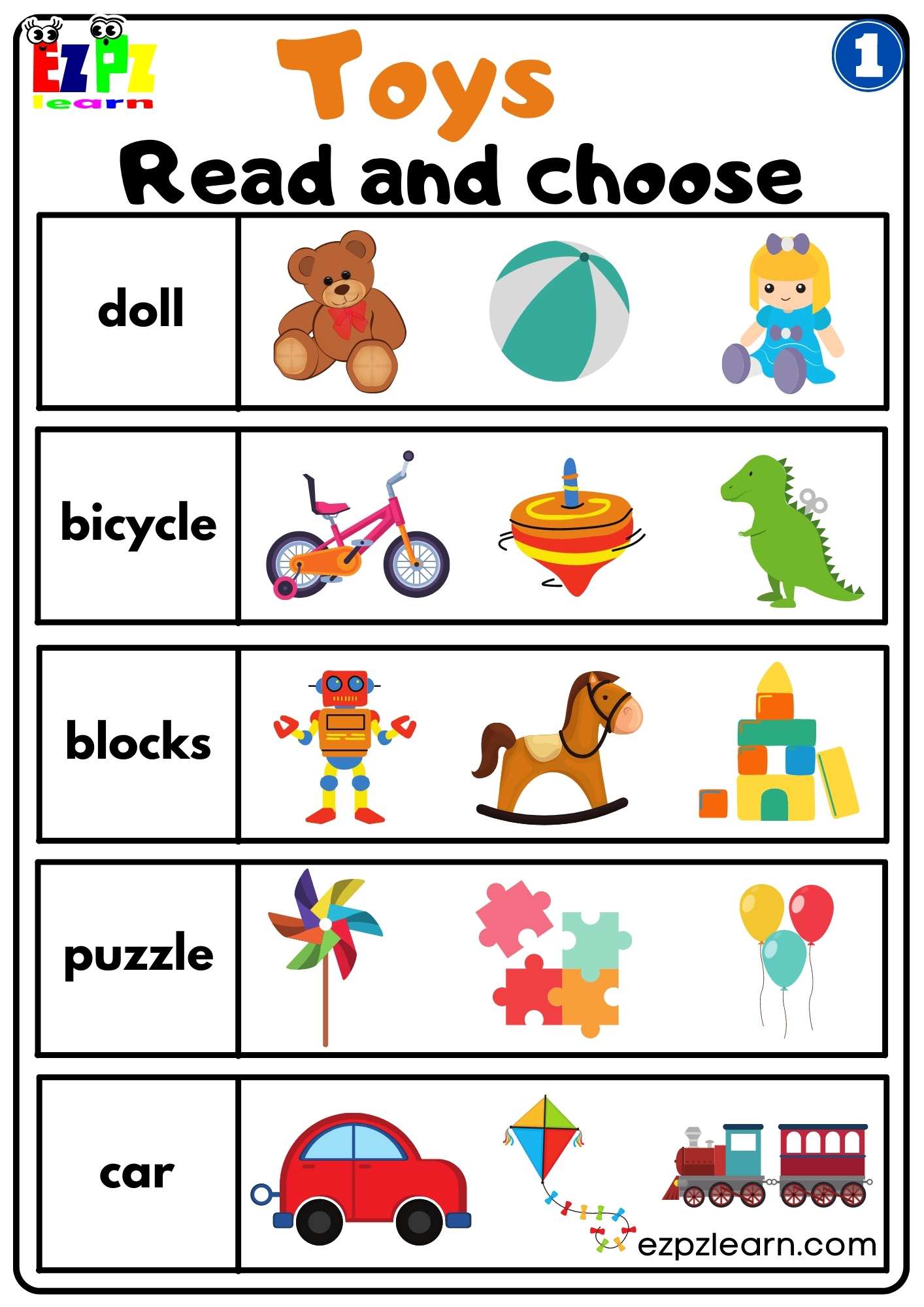
Educational activities toys for kids encompass specialized tactile resources and structured printables that actively bridge visual observation with cognitive spatial processing. According to the National Association for the Education of Young Children (NAEYC), hands-on sensory engagement and structured visual exercises significantly accelerate fine-motor coordination and analytical thinking in early childhood development. Integrating printable Grid Drawing worksheets and real photo flashcards into daily curricula transforms abstract concepts into tangible spatial challenges. These tools cultivate acute observation skills, exact proportion estimation, and foundational geometry mastery without relying on passive screen time. Educators and parents utilize these multi-sensory materials to establish robust neural pathways essential for advanced reading, writing, and artistic creation.
Visual Learning & Skill Snapshot:
- Core Focus: Structural enhancement of spatial reasoning and proportion estimation through grid worksheets and realistic photo cards.
- Target Skill: Hand-eye coordination, coordinate mapping, and visual-spatial discrimination.
- Key Recommendation: Pair photographic reference cards directly with scaled drawing grids to reinforce concrete-to-abstract cognitive translation.
Core Principles and Visual Learning Overview
Spatial reasoning development relies directly on systematic visual decomposition and hands-on manipulation of physical templates. Educational activities toys for kids leverage structured grids to break complex pictorial information into manageable coordinate quadrants, effectively lowering cognitive load for young learners. When children replicate realistic imagery using Photo Flashcards alongside segmented drawing guides, the brain actively correlates real-world objects with geometric coordinate systems. This active translation process strengthens executive function, visual memory, and precision motor control. By engaging in these targeted Educational Activities, children systematically transition from random scribbling to intentional, proportion-aware drafting and observational accuracy.
Key Specifications and Breakdown
| Age / Learning Stage | Visual Skill & Grid Ratio | Pedagogical Application & Scaffolding |
|---|---|---|
| Ages 3-4 (Early Explorer) | 2×2 Grid with Photo Flashcards | Focuses on holistic shape recognition, matching whole objects, and gross motor pencil grip. |
| Ages 5-7 (Developing Analyst) | 4×4 Grid with Scaled References | Teaches coordinate tracking, line intersection mapping, and proportional line drawing. |
| Ages 8-10 (Advanced Observer) | 8×8 Complex Grid with Details | Mastery of fine-line precision, negative space evaluation, and exact scale reproduction. |
Structured visual activities and manipulative tools foster critical spatial reasoning, executive function, and motor planning essential for early academic achievement. — National Association for the Education of Young Children (NAEYC)
Step-by-Step Practical Application and Printing Guidelines
Executing effective visual learning sessions requires standardized print settings and durable material preparation for sustained classroom or home use. Begin by printing grid worksheets on heavy cardstock to prevent tearing during rigorous pencil erasing and re-drawing. Laminate accompanying photographic reference cards to ensure longevity and allow children to handle them safely during independent exploration stations. Position the reference image directly above the corresponding grid worksheet to maintain optimal vertical eye movement and reduce neck strain. Guide young learners to isolate one grid square at a time using an L-shaped masking card, teaching them to focus exclusively on internal line coordinates rather than the overwhelming whole picture.
Common Challenges and How to Avoid Them
Overwhelming visual complexity represents the primary obstacle when children attempt grid-based drawing tasks for the initial time. Adults can prevent frustration by starting with simplified 2×2 or 3×3 grids featuring high-contrast photographic subjects rather than intricate artistic sketches. Another frequent challenge involves incorrect proportion estimation, where learners draw elements too large for individual squares. Mitigate this error by encouraging children to locate intersection points where lines cross grid borders before drawing continuous strokes. Consistent, low-pressure practice with these tactile educational materials builds natural confidence and hones acute observational stamina over time.
💬 Frequently Asked Questions
Explore More Free Learning Printables and Visual Activities on WePhotoAgency
Discover an extensive, professionally curated collection of printable worksheets, observational resources, and creative learning materials designed to inspire young minds. Visit WePhotoAgency.com to access free downloads that empower educators, support homeschool curricula, and foster a lifelong passion for visual arts and cognitive exploration.
Visual Reference Gallery