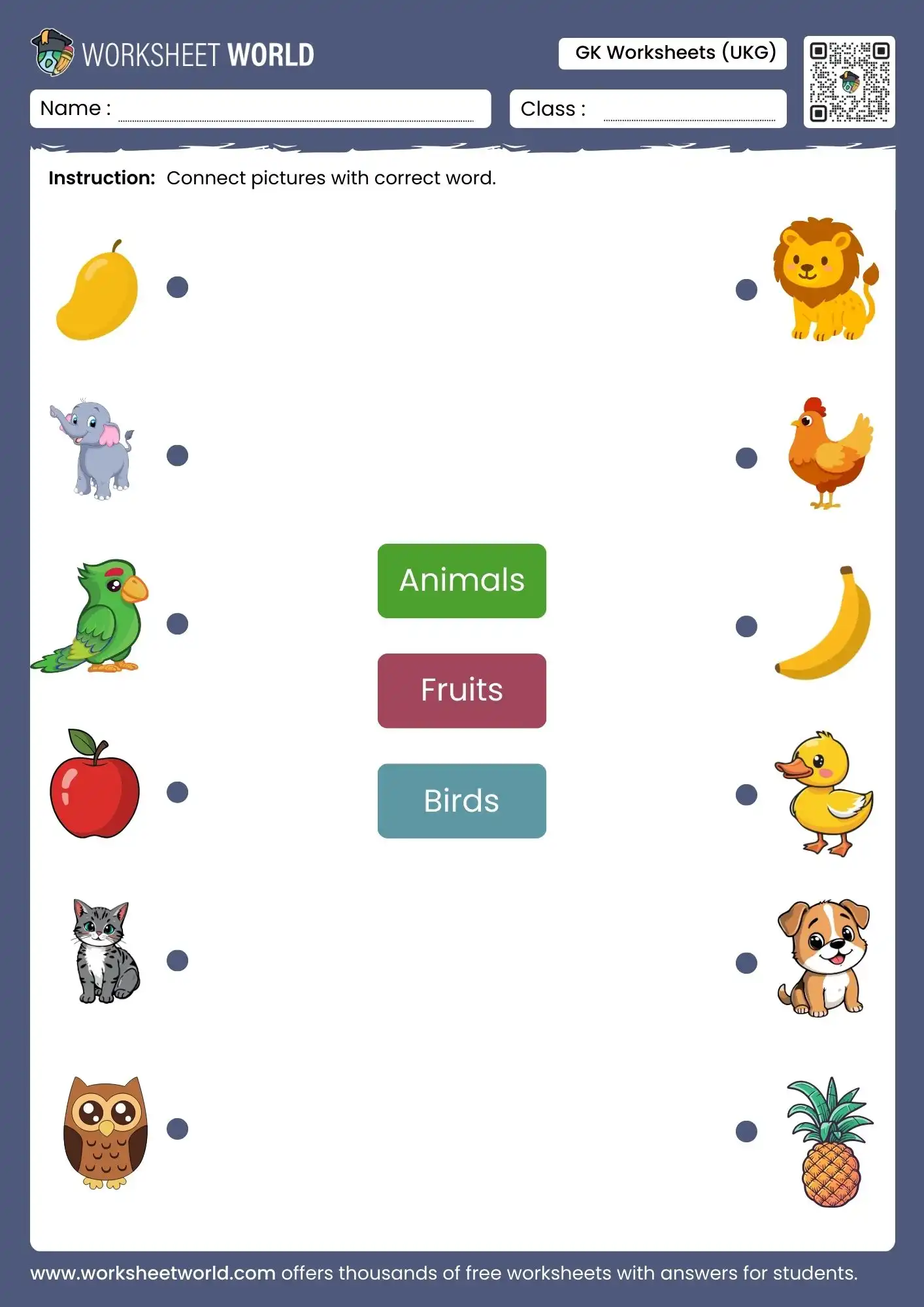
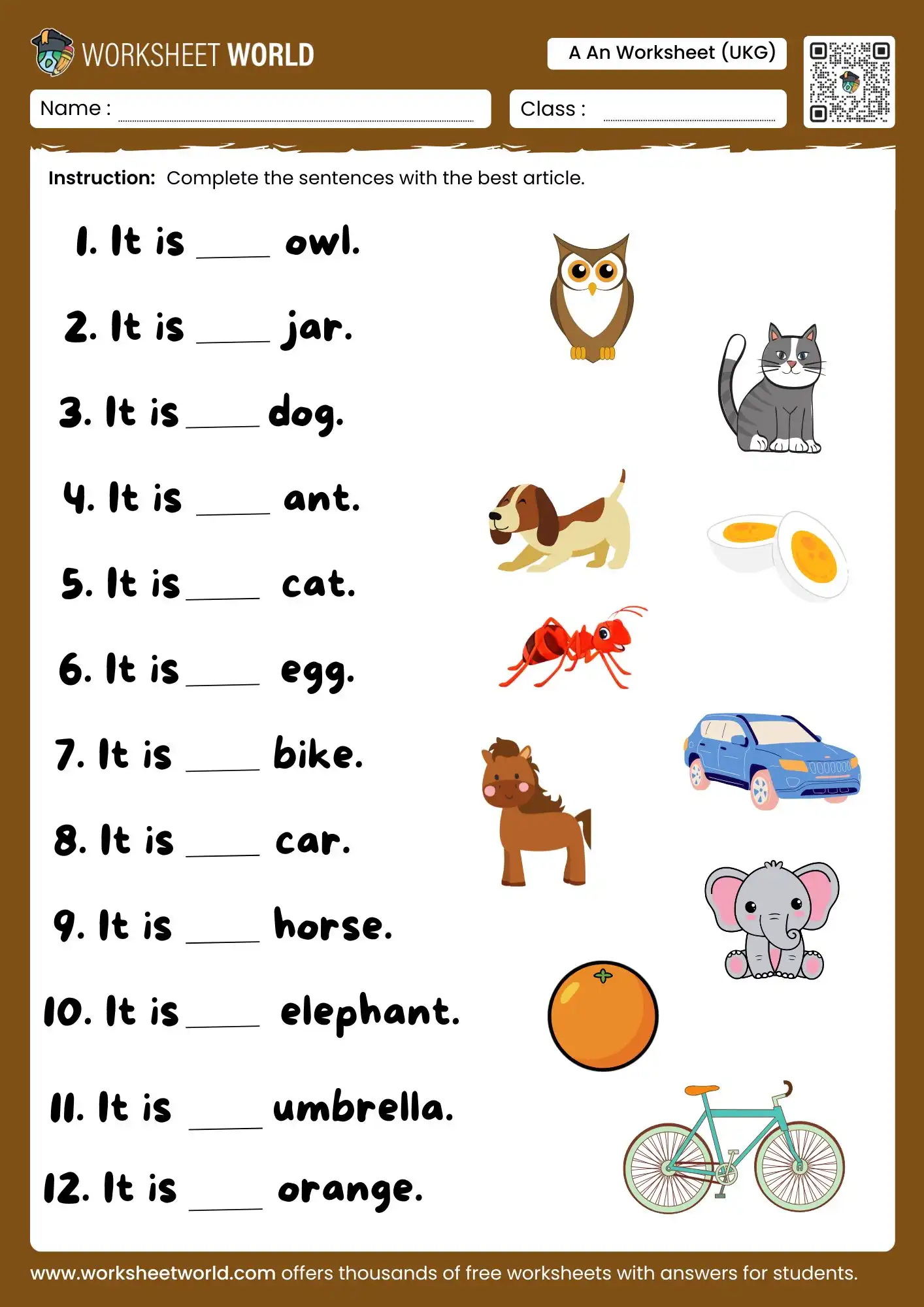
Introduction
Educational activities for ukg kids establish foundational cognitive architecture by systematically integrating observational drawing, spatial orientation, and visual literacy into daily early childhood curricula. According to the National Association for the Education of Young Children (NAEYC), purposeful play-based and structured visual learning experiences significantly accelerate neurological development, executive function, and fine-motor control during early childhood. Children in Upper Kindergarten (UKG) transition rapidly from abstract scribbling to deliberate visual analysis, making this developmental window optimal for structured interventions like Grid Drawing and high-context photographic study. Educators and caregivers can leverage these targeted exercises to foster mathematical proportion estimation, analytical observation, and cognitive flexibility without relying on passive screen time or rote memorization routines.
Visual Learning & Skill Snapshot:
- Core Focus: Structural enhancement of cognitive tracking and visual-spatial reasoning through printable worksheets.
- Target Skill: Spatial reasoning, visual discrimination, fine-motor proportion, and photo-based concept mastery.
- Key Recommendation: Pair photographic stimulus materials directly with corresponding grid-ratio paper to bridge concrete visual analysis with abstract geometric mapping.
Core Principles and Visual Learning Overview
Visual learning frameworks for five-to-six-year-old learners depend heavily on reducing cognitive load by breaking complex pictorial information down into manageable coordinate quadrants. Utilizing Photo Flashcards alongside structured Educational Activities anchors abstract concepts in reality by presenting children with genuine, unmanipulated imagery of flora, fauna, and geometric objects instead of cartoon caricatures. This approach enhances visual discrimination, teaches children to isolate distinct lines, curves, and intersections, and builds essential readiness skills for geometry, handwriting alignment, and multi-step problem solving. As young learners map coordinates from a reference card to a blank grid, they simultaneously develop hand-eye coordination, pencil grip stamina, and analytical patience.
Key Specifications and Breakdown
| Age / Learning Stage | Visual Skill & Grid Ratio | Pedagogical Application & Scaffolding |
|---|---|---|
| Early UKG (Age 5.0 – 5.5) | 2×2 Grid with Bold Photographic Outlines | Focuses on simple shape replication, quadrant identification, and large-motor pencil control using real photo prompts. |
| Mid UKG (Age 5.5 – 6.0) | 3×3 Standard Grid with Moderate Detail | Encourages proportional estimation, intersection tracking, and line continuity using nature and animal flashcards. |
| Advanced UKG (Age 6.0 – 6.5) | 4×4 Complex Grid with Fine Photographic Detail | Prepares children for primary geometry by challenging them to copy intricate architectural and organic contours square by square. |
Structured visual coordination tasks directly reinforce neurological pathways responsible for spatial memory, pattern recognition, and mathematical proportional reasoning in early childhood. — National Art Education Association (NAEA)
Step-by-Step Practical Application and Printing Guidelines
Executing effective visual lessons requires durable print formatting, high-contrast monochrome or full-color photographic printing, and distraction-free workspace preparation. Educators should print reference worksheets on heavy cardstock to prevent tearing during repeated eraser use and tactile examination. Begin by introducing the reference photograph independently, prompting the child to verbally describe the primary shapes, colors, and textures observed within the frame. Next, guide the learner to locate the top-left quadrant of the grid, tracing the intersecting lines with a finger before attempting any pencil mark. Encourage children to work methodically from cell to cell rather than attempting to draw the entire image at once, thereby cultivating systematic problem-solving habits that translate directly into reading and mathematical computation.
Common Challenges and How to Avoid Them
Young learners frequently experience frustration when attempting to replicate complex diagonal lines or scale proportions across mismatched grid coordinates. Adults can mitigate this hurdle by initially providing pre-drawn anchor points within specific grid intersections, allowing the child to connect the dots before transitioning to freehand coordinate transcription. Another common obstacle involves visual fatigue caused by cluttered backgrounds or excessively small reference squares; resolving this requires utilizing high-resolution, isolated photographic prints and large-format grids (such as 2×2 or 3×3 matrices) during early instructional phases. Maintaining a low-pressure, exploratory environment ensures that children view spatial drawing challenges as engaging puzzles rather than intimidating academic tests.
💬 Frequently Asked Questions
Explore More Free Learning Printables and Visual Activities on WePhotoAgency
Empower early childhood classrooms and homeschooling environments with an extensive collection of professional, printable developmental resources available directly through WePhotoAgency.com. Discover curated collections designed to foster cognitive growth, spatial awareness, and artistic confidence in every young learner.
Visual Reference Gallery