Introduction
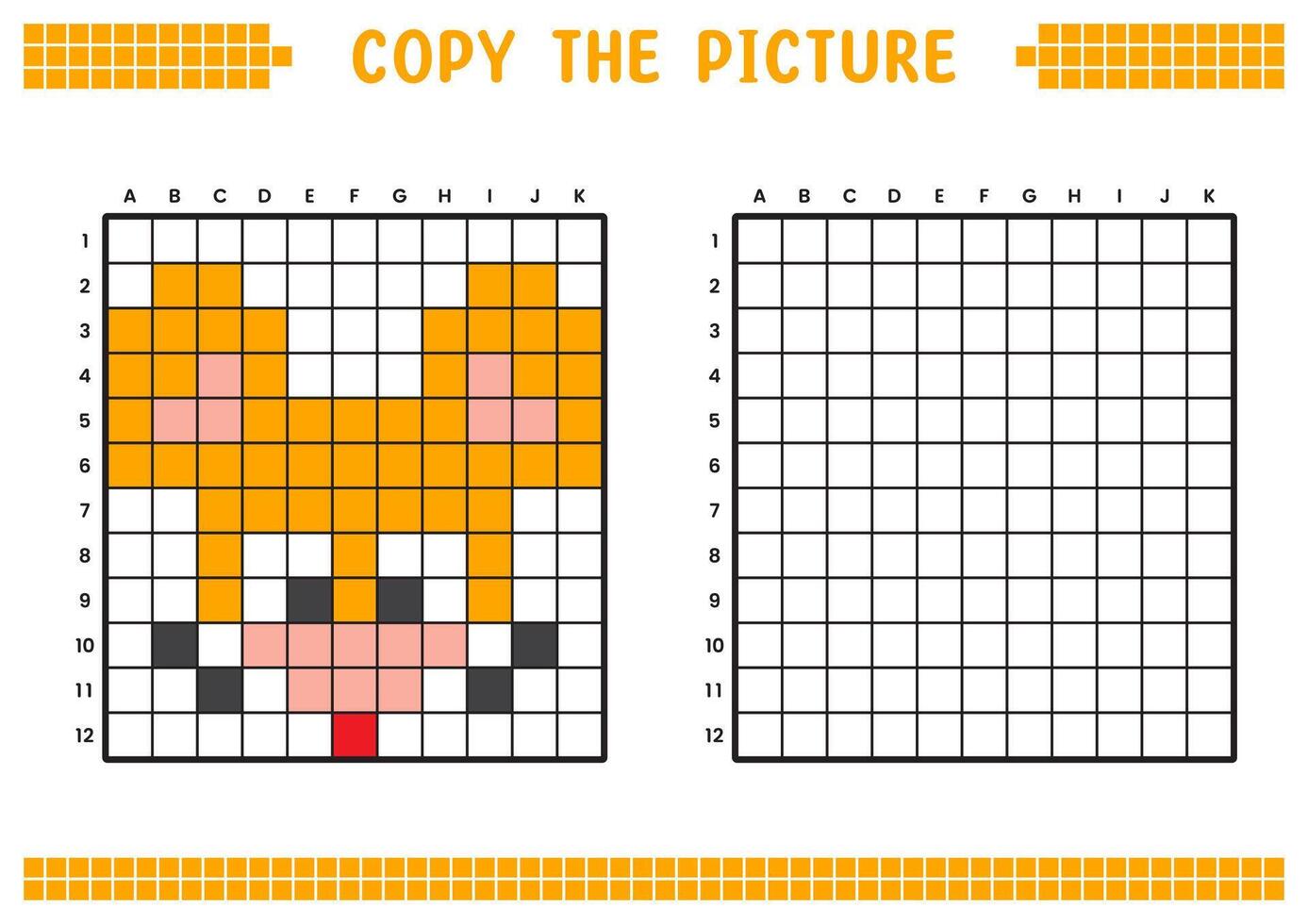
Grid drawing pixel art is a structured visual learning methodology that breaks complex photographic images down into manageable geometric coordinates to teach spatial awareness and proportion estimation. According to the National Art Education Association (NAEA), systematic visual arts instruction utilizing proportional grids enhances spatial reasoning, fine-motor coordination, and observational accuracy in early childhood learners. By integrating Grid Drawing worksheets into early elementary curricula, educators provide foundational tools that translate abstract visual data into concrete, achievable drawing tasks.
Visual Learning & Skill Snapshot:
- Core Focus: Systematic translation of real photo references into coordinate-based pixel grids.
- Target Skill: Spatial reasoning, visual discrimination, and fine-motor proportion estimation.
- Key Recommendation: Pair photographic reference cards with matching coordinate grids to bridge visual abstraction and motor execution.
Core Principles and Visual Learning Overview
Grid drawing pixel art functions by overlaying a matrix onto a real photo visual reference, requiring learners to replicate individual color values or line segments block-by-block. This process trains the brain to isolate specific visual data rather than viewing an image as an overwhelming whole. When children utilize structured Photo Flashcards alongside blank coordinate grids, cognitive load decreases significantly. Young learners develop critical visual discrimination skills, learning to analyze negative space, line orientation, and scale without experiencing cognitive fatigue.
Key Specifications and Breakdown
| Age / Learning Stage | Visual Skill & Grid Ratio | Pedagogical Application & Scaffolding |
|---|---|---|
| Ages 4-5 (Early Explorers) | 4×4 or 5×5 grid with large squares | Focuses on basic shape recognition and matching colors using tactile Educational Activities. |
| Ages 6-7 (Emerging Artists) | 8×8 grid with medium scale blocks | Builds proportional estimation, eye-hand coordination, and line-following precision. |
| Ages 8-9 (Advanced Beginners) | 10×10 or higher coordinate matrices | Encourages complex observational drawing, shading values, and detailed real-world replication. |
Systematic visual arts integration improves spatial memory and geometric processing by breaking complex cognitive tasks into sequential steps. — National Art Education Association (NAEA)
Step-by-Step Practical Application and Printing Guidelines
Executing grid drawing pixel art successfully requires high-contrast printable worksheets and clear reference materials that maintain visual clarity at small scales. Educators should print reference grids and matching blank student sheets on heavy cardstock to prevent tearing during pencil work or marker coloring. Begin by demonstrating how to locate a single coordinate box, such as column A, row 1, and duplicate the contained visual information onto the blank grid. Instruct learners to work systematically row by row or quadrant by quadrant to maintain spatial orientation and avoid skipping sections.
Common Challenges and How to Avoid Them
Rushing through coordinate mapping and losing track of rows represent the most frequent obstacles encountered by young learners engaging with pixel art grids. To prevent frustration, instructors should introduce horizontal and vertical tracking tools, such as blank index cards used to isolate single rows on the reference sheet. If a child struggles with proportion, temporarily substitute complex photographic subjects with simplified geometric outlines until coordinate tracking becomes second nature. Consistent, short practice sessions yield vastly superior accuracy compared to long, fatiguing drawing blocks.
💬 Frequently Asked Questions
Explore More Free Learning Printables and Visual Activities on WePhotoAgency
Empowering children with robust observational tools establishes a lifelong foundation for creative and academic confidence. Explore the complete library of printable resources, visual flashcards, and step-by-step drawing guides available directly through WePhotoAgency.com to elevate daily learning experiences.
Visual Reference Gallery