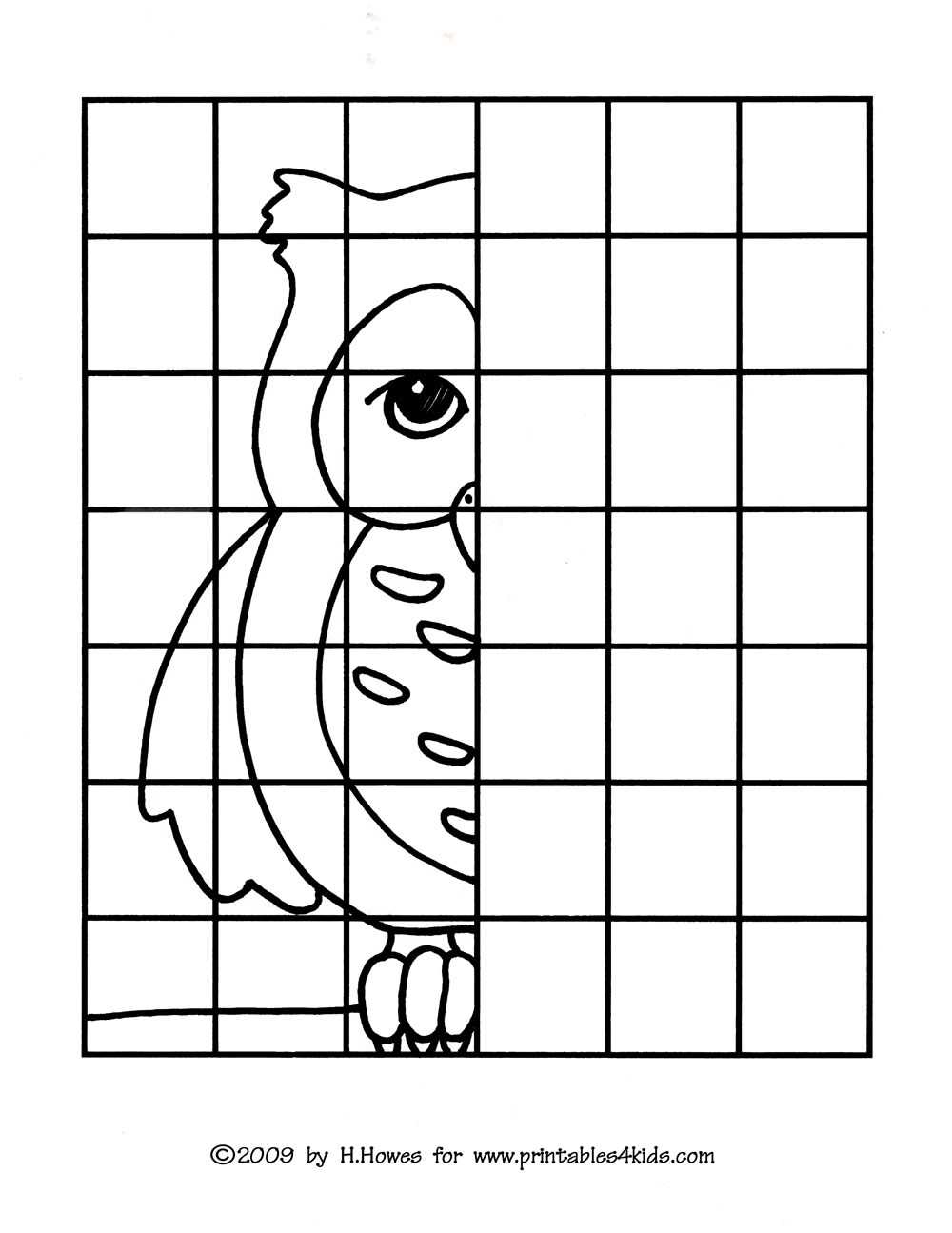
Introduction
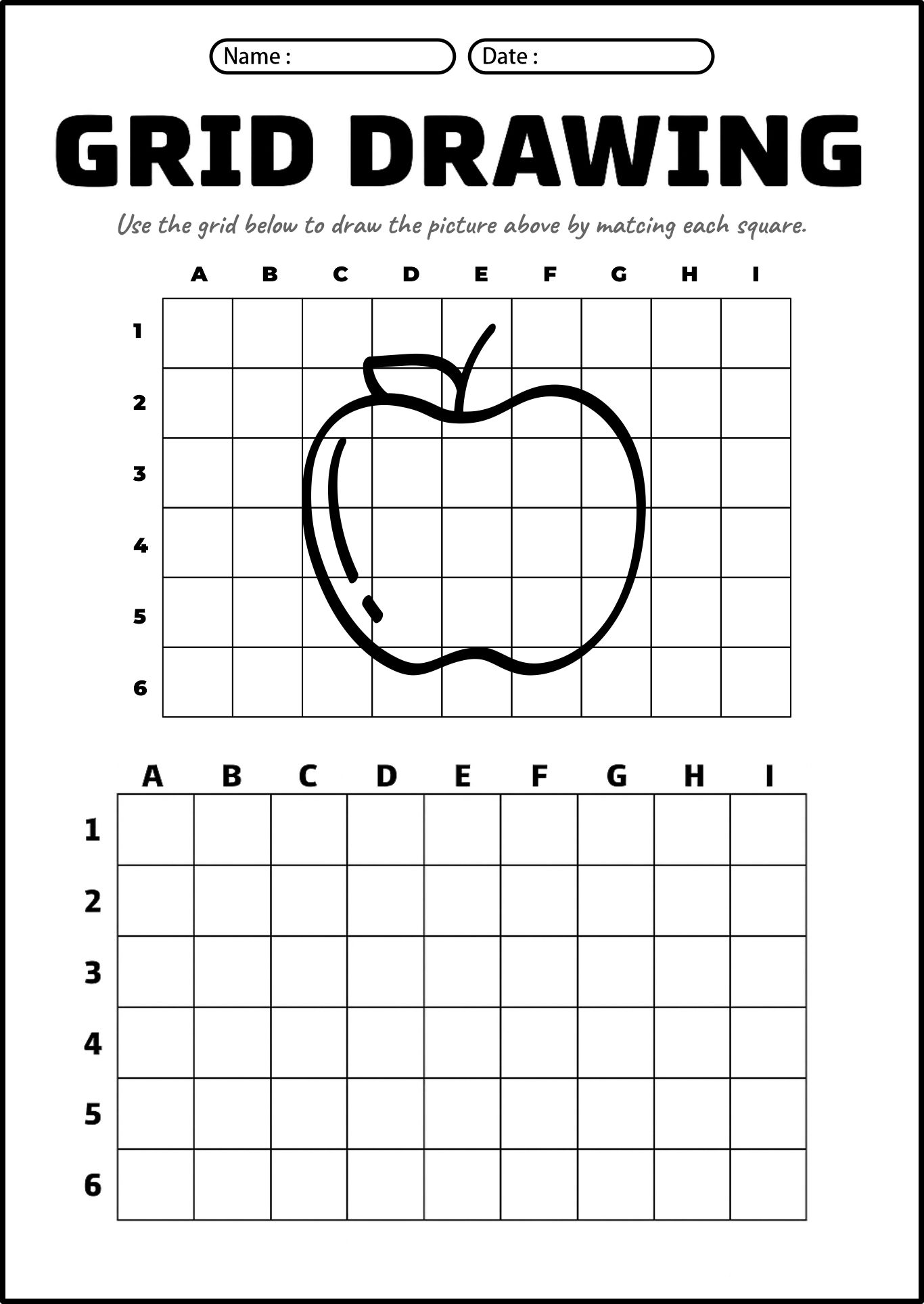
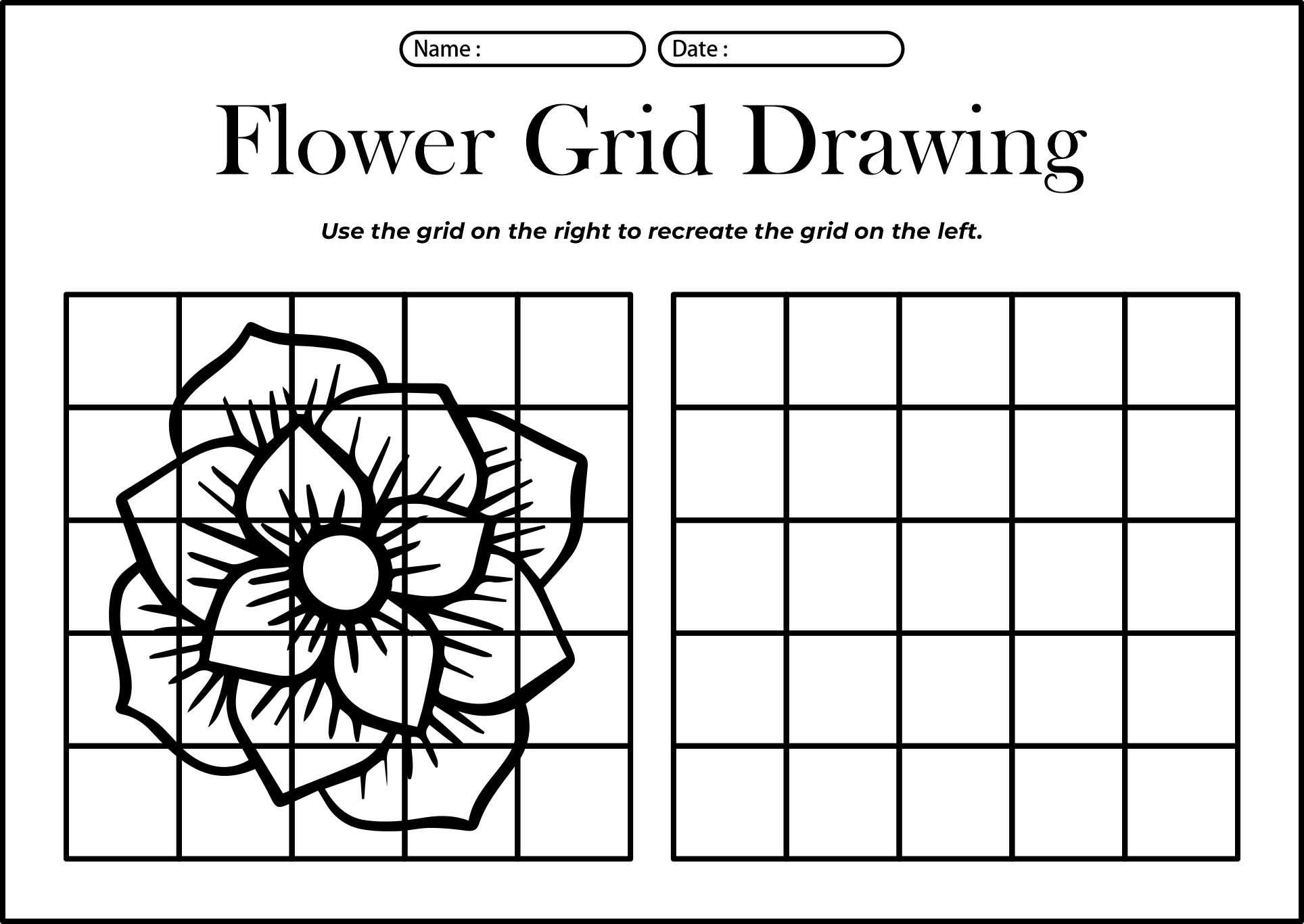
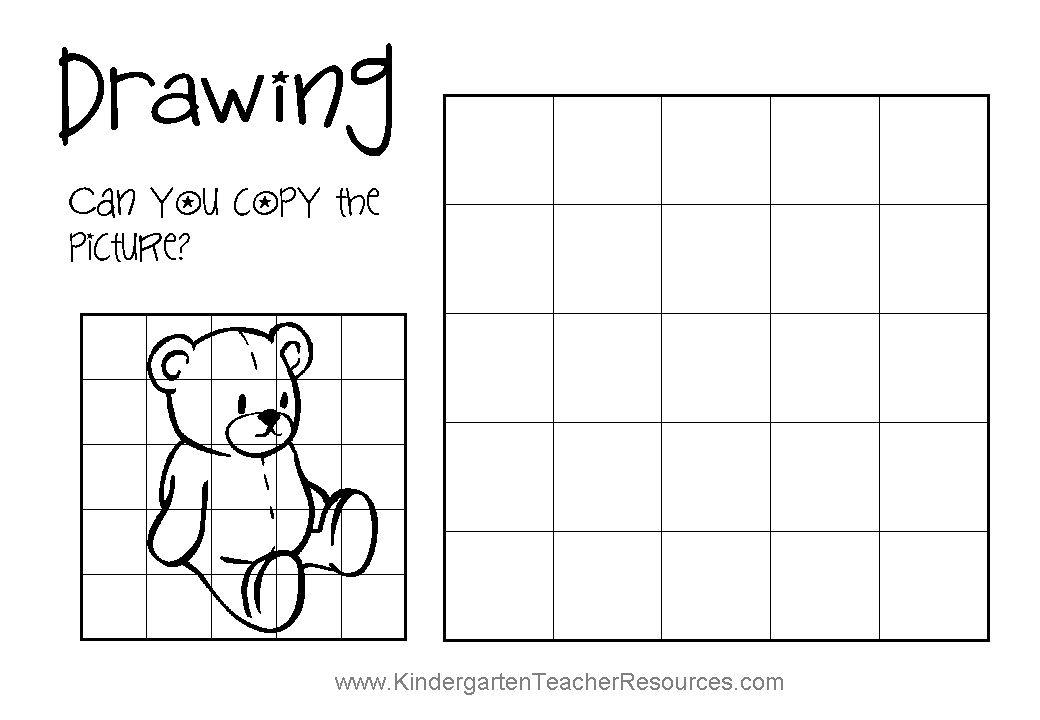
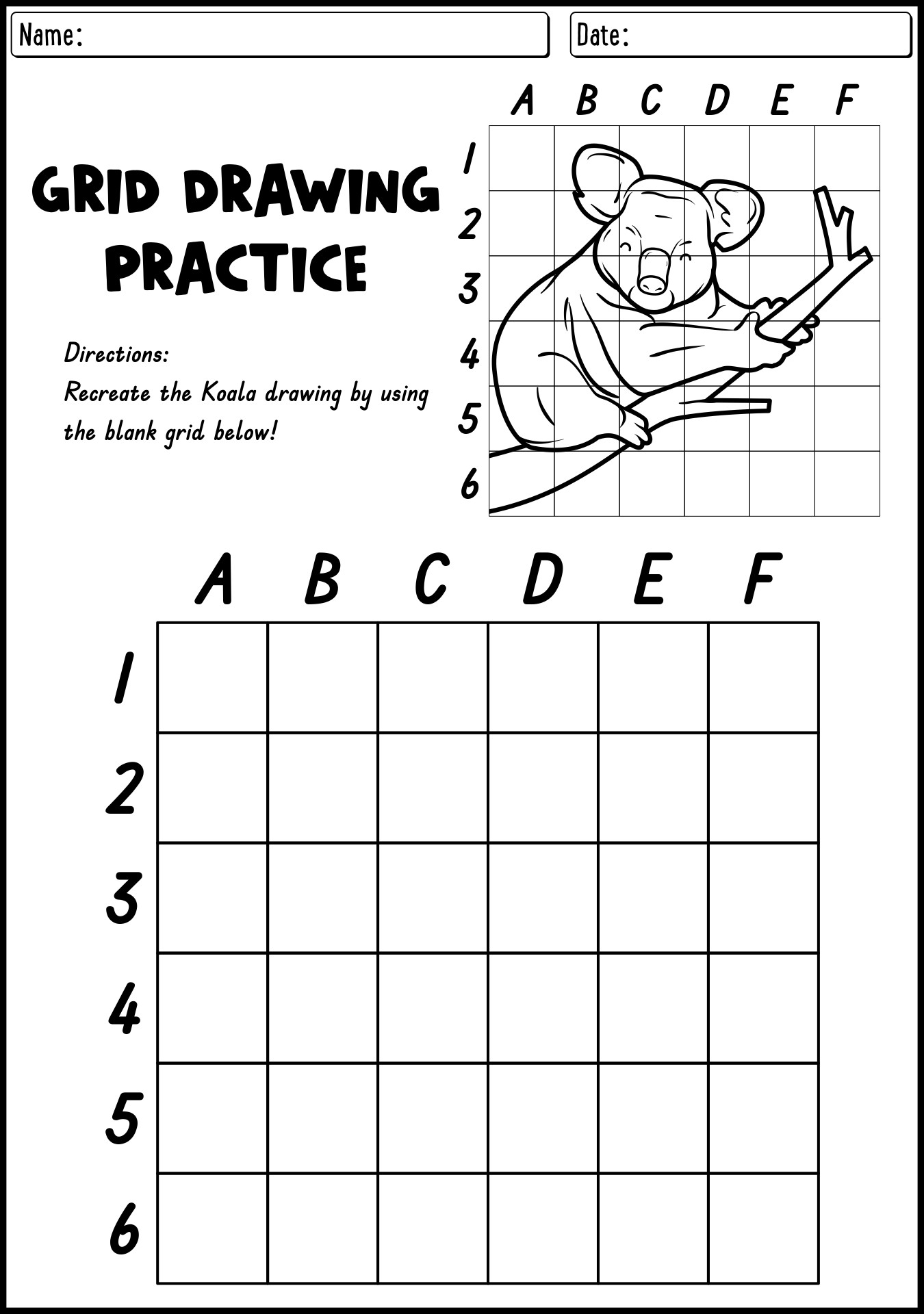
Grid drawing pictures systematically break complex visual data into manageable geometric segments to teach spatial awareness, proportion estimation, and fine-motor observation skills to young learners. According to the National Art Education Association (NAEA), structured visual observation and grid-based partitioning actively strengthen bilateral coordination and cognitive mapping in early childhood art education. Integrating printable Grid Drawing worksheets allows educators and parents to transform intimidating subject matter into approachable coordinate-based puzzles. This developmental approach builds immediate confidence while systematically advancing hand-eye coordination through structured, printable Educational Activities designed for growing minds.
Visual Learning & Skill Snapshot:
- Core Focus: Systematic breaking down of visual images using proportional coordinate grids to replicate subjects accurately.
- Target Skill: Spatial reasoning, visual discrimination, fine-motor proportion, and photographic reference observation.
- Key Recommendation: Pair high-contrast reference images with simple 2×2 or 3×3 grids before progressing to complex layouts.
Core Principles and Visual Learning Overview
Grid drawing pictures utilize coordinate mapping to teach children how to translate three-dimensional concepts and real photo references into two-dimensional line and shape representations. By isolating small individual squares rather than processing a holistic subject at once, children bypass cognitive overload and focus purely on lines, angles, and negative space within a bounded border. This analytical breakdown supports cognitive development by enhancing visual closure and constancy. Incorporating detailed Photo Flashcards as reference templates bridges the gap between abstract representation and concrete photographic reality, empowering children to cross-reference shapes effectively.
Key Specifications and Breakdown
| Age / Learning Stage | Visual Skill & Grid Ratio | Pedagogical Application & Scaffolding |
|---|---|---|
| Ages 4-5 (Preschool) | 2×2 Grid with Bold Outlines | Focuses on basic shape recognition, corner-to-corner tracing, and foundational pencil grip control using simple real-world photographs. |
| Ages 6-7 (Early Elementary) | 3×3 Grid with Standard Squares | Develops relative proportion estimation, line continuity, and observational patience through structured animal and botanical subjects. |
| Ages 8+ (Advanced Beginners) | 4×4 or Larger Coordinate Grid | Reinforces advanced scaling, coordinate identification, angle measurement, and independent artistic self-correction. |
Structured grid partitioning improves visual-spatial working memory and proportional accuracy by reducing cognitive load during complex observational drawing tasks — National Art Education Association (NAEA)
Step-by-Step Practical Application and Printing Guidelines
Executing grid drawing pictures successfully requires clear printing practices, proper lighting, and unhurried step-by-step guidance for early learners. Educators should print reference cards and matching blank coordinate grids on heavyweight matte cardstock to prevent tearing and pencil bleed-through during active erasing. Instruct learners to start with the top-left square, identify intersecting lines, and complete one box entirely before moving horizontally to the adjacent cell. Providing children with dedicated graphite pencils and soft kneaded erasers ensures they can adjust proportions without frustrating paper damage, fostering a calm and iterative learning environment.
Common Challenges and How to Avoid Them
Common obstacles in early grid drawing include children trying to draw the whole picture at once or becoming overwhelmed by misaligned coordinate counting. Support learners by utilizing physical cardstock window frames or masking tape to isolate a single grid square, effectively blocking out visual distractions from the rest of the worksheet. If proportion distortion occurs, encourage young artists to use their pencils as a physical measuring tool to compare heights and widths between the reference photo and the drawing page. Consistent, low-pressure practice with simple geometric subjects quickly builds the confidence needed for advanced visual mapping.
💬 Frequently Asked Questions
Explore More Free Learning Printables and Visual Activities on WePhotoAgency
Empower young learners with an extensive collection of printable educational resources, coordinate worksheets, and visual learning tools available directly at WePhotoAgency.com. Dedicated parents, educators, and homeschoolers can easily download high-resolution materials designed to spark cognitive growth, spatial mastery, and lifelong artistic confidence.
Visual Reference Gallery