Introduction
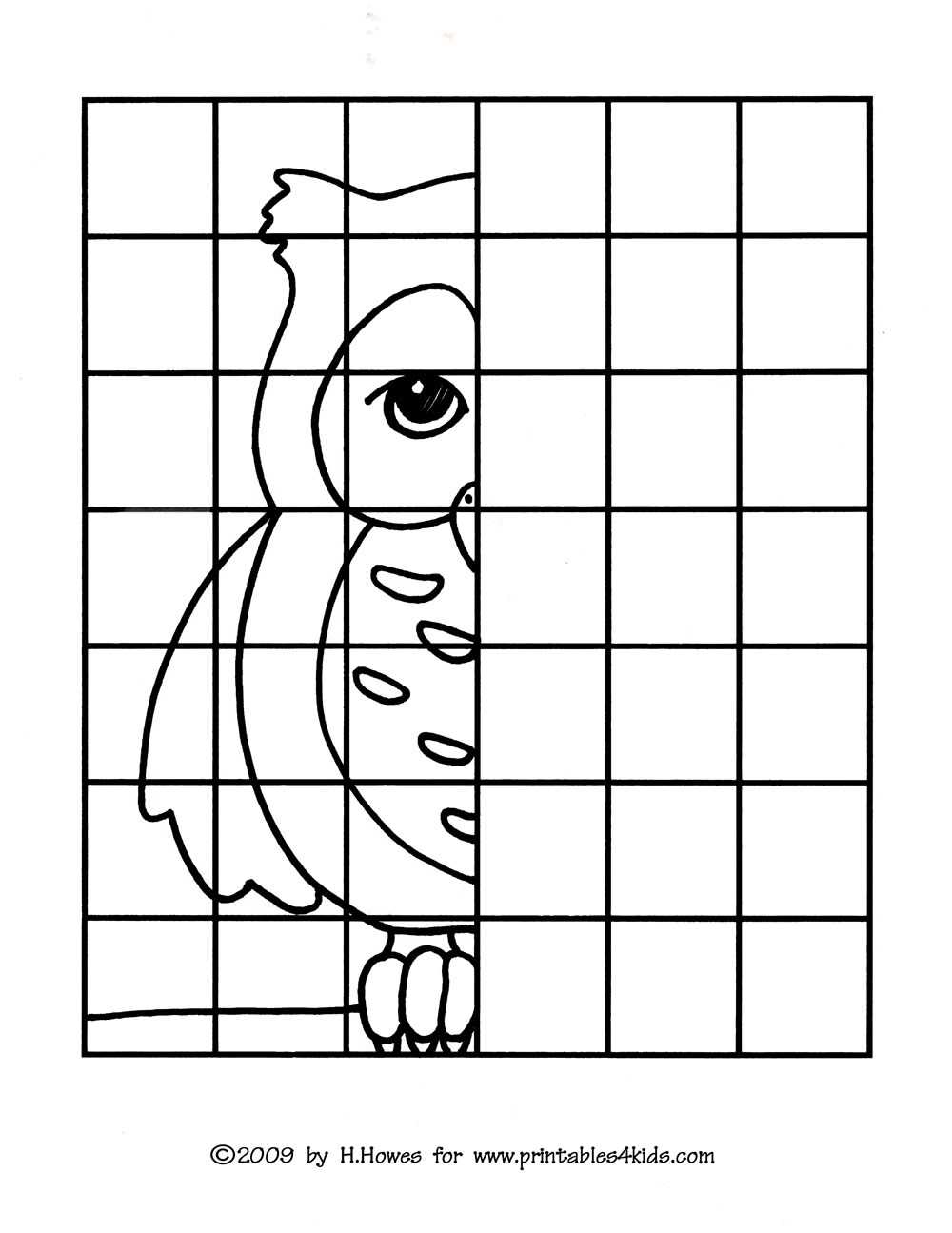
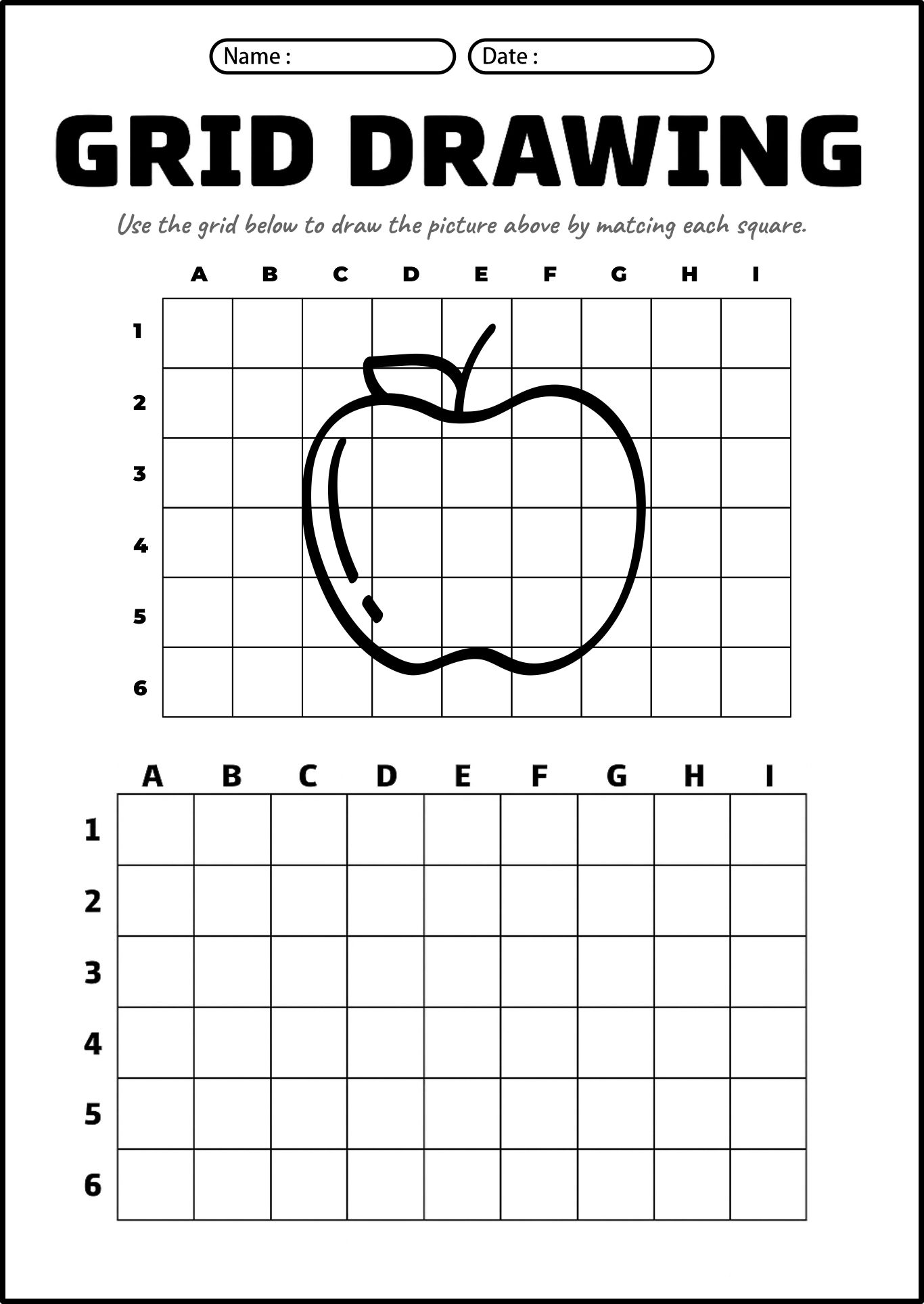
Grid drawing online functions as a digital bridge between real-world photographic imagery and paper-based drawing, translating complex visual stimuli into manageable coordinate sectors for developing learners. According to the National Art Education Association (NAEA), structured observational drawing techniques effectively enhance hand-eye coordination, spatial awareness, and proportional accuracy in early childhood and elementary education. By breaking down high-resolution Photo Flashcards into mathematically scaled compartments, children learn to isolate visual details rather than relying on generalized mental symbols. Educators utilize printable grid worksheets derived from web-based tools to scaffold artistic confidence, making observational drawing accessible and engaging. Exploring curated resources such as Grid Drawing collections provides structured frameworks that systematically train the young brain to decode complex visual information.
Visual Learning & Skill Snapshot:
- Core Focus: Digital and printable grid generation that divides photographic reference images into proportional coordinate zones.
- Target Skill: Spatial reasoning, visual discrimination, fine-motor proportion, and precise observation.
- Key Recommendation: Pair digital grid generation with real photo visual flashcards to bridge abstract geometry and tangible artistic creation.
Core Principles and Visual Learning Overview
Spatial reasoning development relies heavily on the cognitive ability to break continuous visual stimuli into discrete, manageable geometric units. When utilizing online grid generators, educators transform standard photographic images into segmented squares labeled with alphanumeric coordinates. This process exercises the parietal lobe, which governs spatial awareness and visuospatial processing in early learners. Children transition from drawing symbols based on memory to accurately observing lines, angles, and negative spaces within an isolated frame. Such methods directly support foundational mathematics curricula by reinforcing concepts of symmetry, scaling, and coordinate mapping through hands-on art integration activities.
Key Specifications and Breakdown
| Age / Learning Stage | Visual Skill & Grid Ratio | Pedagogical Application & Scaffolding |
|---|---|---|
| Ages 4–6 (Early Years) | Basic 2×2 or 3×3 grids; high-contrast subjects | Utilize simple real photo flashcards of animals or household objects to teach contour isolation without overwhelming cognitive load. |
| Ages 7–9 (Early Elementary) | Standard 4×4 or 5×5 grids; moderate detail | Incorporate intermediate Educational Activities focusing on proportional scaling and line continuity across grid intersections. |
| Ages 10+ (Upper Elementary) | Advanced multi-column grids; complex textures | Apply fine-lined photographic references to master advanced shading, perspective estimation, and independent grid measurement. |
Structured visual partitioning significantly accelerates children’s perceptual accuracy and fine-motor precision by reducing cognitive overload during complex drawing tasks — National Art Education Association (NAEA)
Step-by-Step Practical Application and Printing Guidelines
Executing an effective grid drawing exercise requires selecting high-contrast reference images and scaling them correctly onto corresponding paper grids. Begin by uploading a clear photographic reference to a digital grid tool, adjusting the row and column density to match the developmental age of the child. Print two matching copies: one complete gridded reference photo and one blank gridded worksheet for the child to draw upon. Instruct learners to focus on one single square at a time, checking coordinate labels (such as matching square A1 to square A1) to verify line placement and proportions before moving to adjacent sectors. This systematic approach eliminates frustration and cultivates patience during the creative process.
Common Challenges and How to Avoid Them
Young learners frequently struggle with grid drawing when reference squares contain excessive detail or when the grid lines are drawn too darkly on the final paper. Educators can prevent visual fatigue by selecting simple, uncluttered photographic references for beginners and providing lightly printed grey grid lines that erase easily once the drawing is complete. Another common hurdle involves children attempting to draw the entire picture at once instead of treating each grid square as an abstract puzzle piece. Guiding students to cover adjacent squares with a blank index card isolates their visual focus and reinforces true observational accuracy.
💬 Frequently Asked Questions
Explore More Free Learning Printables and Visual Activities on WePhotoAgency
Expanding a child’s visual literacy and cognitive development requires a diverse library of structured, high-quality educational materials. Discover an extensive collection of printable resources, creative worksheets, and developmental tools by visiting the main hub at WePhotoAgency.com to support continuous learning at home or in the classroom.
Visual Reference Gallery