Introduction
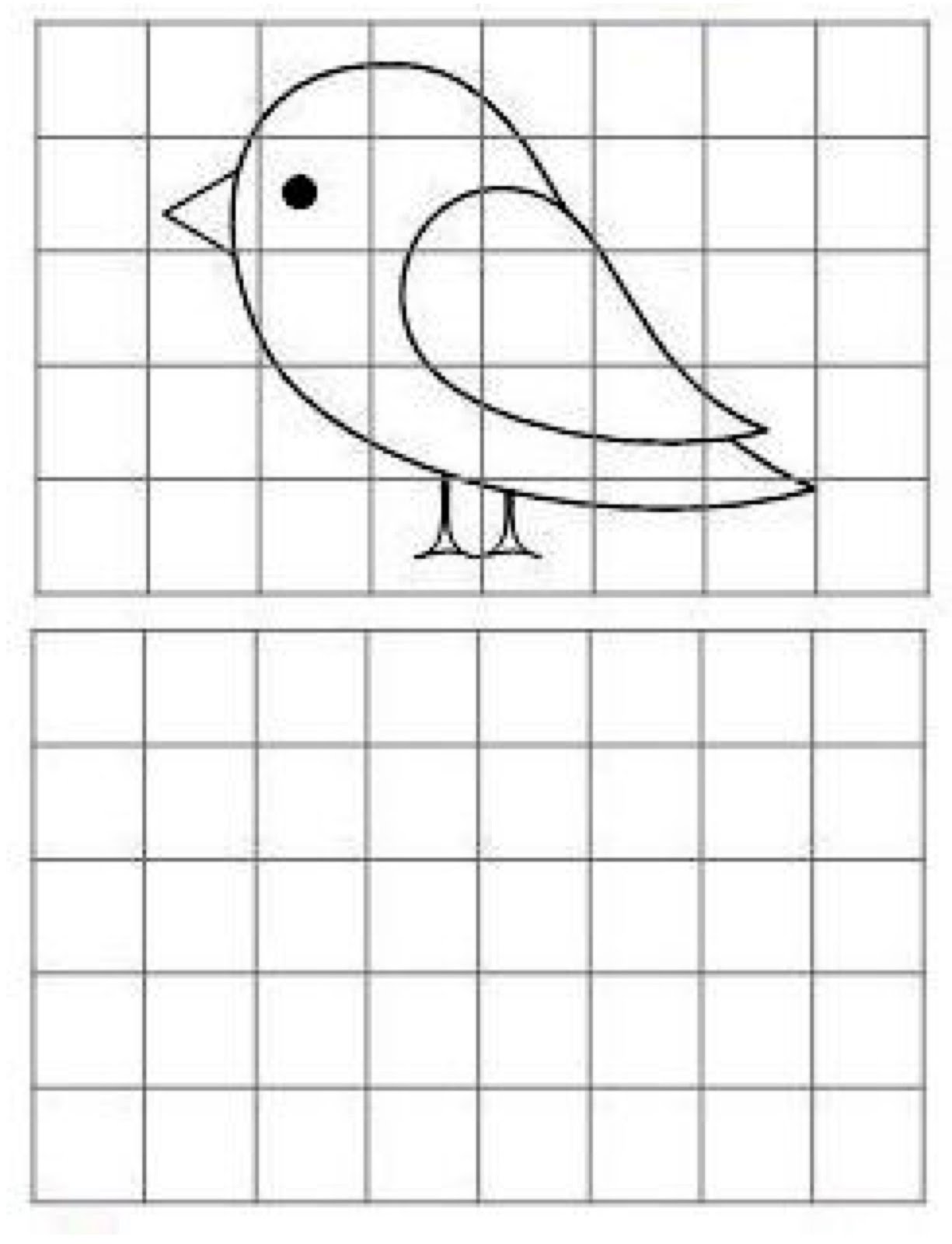
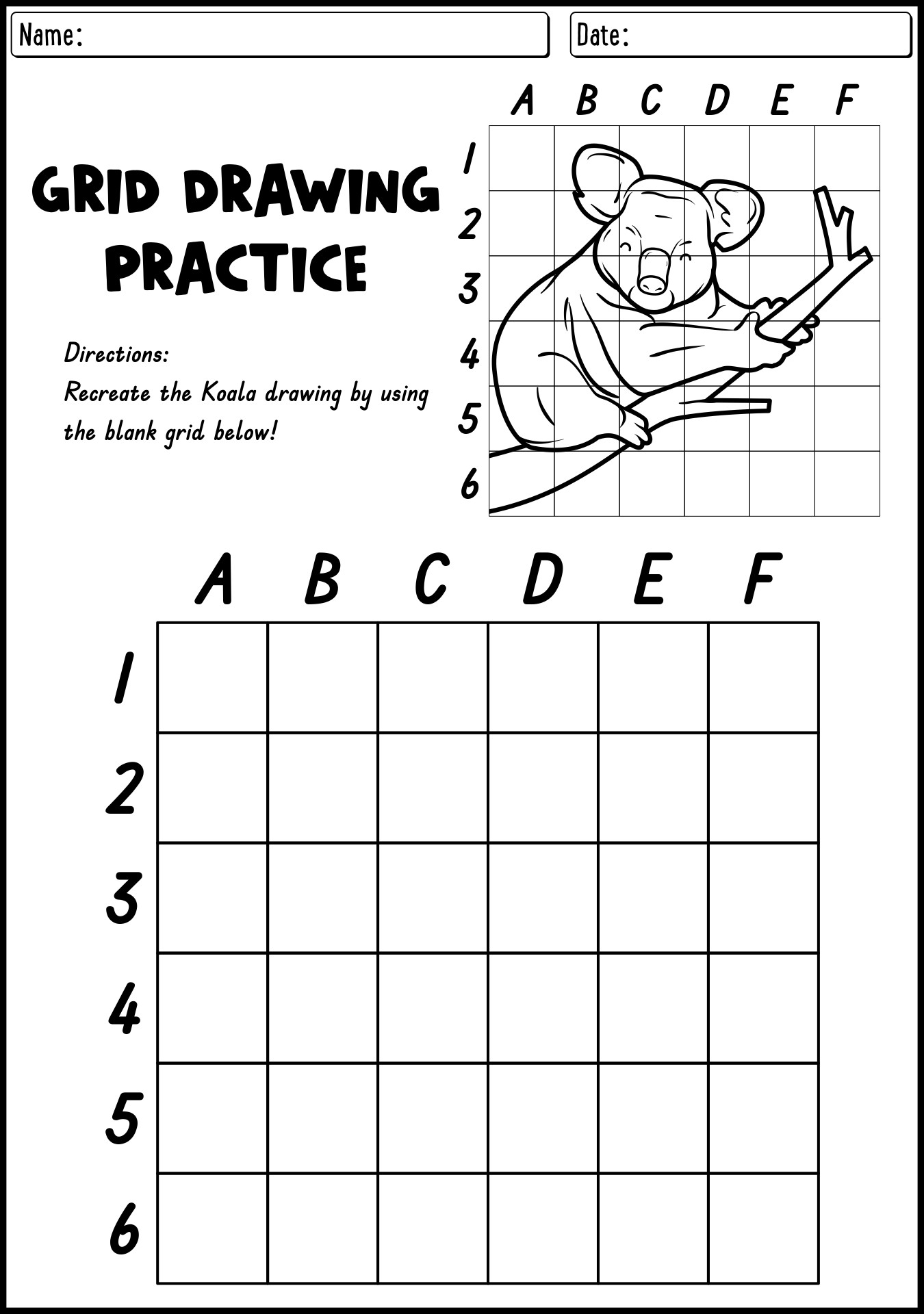
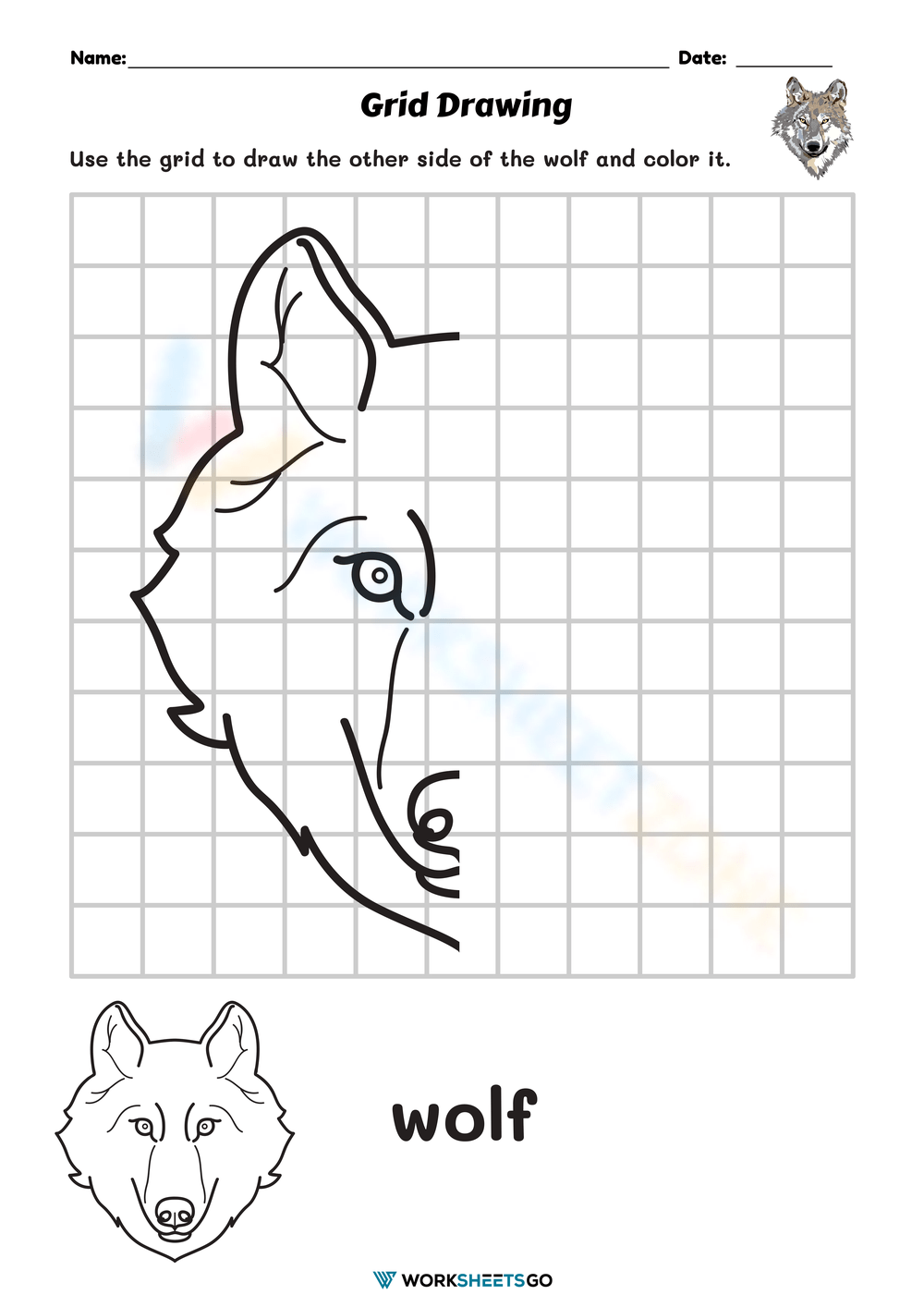
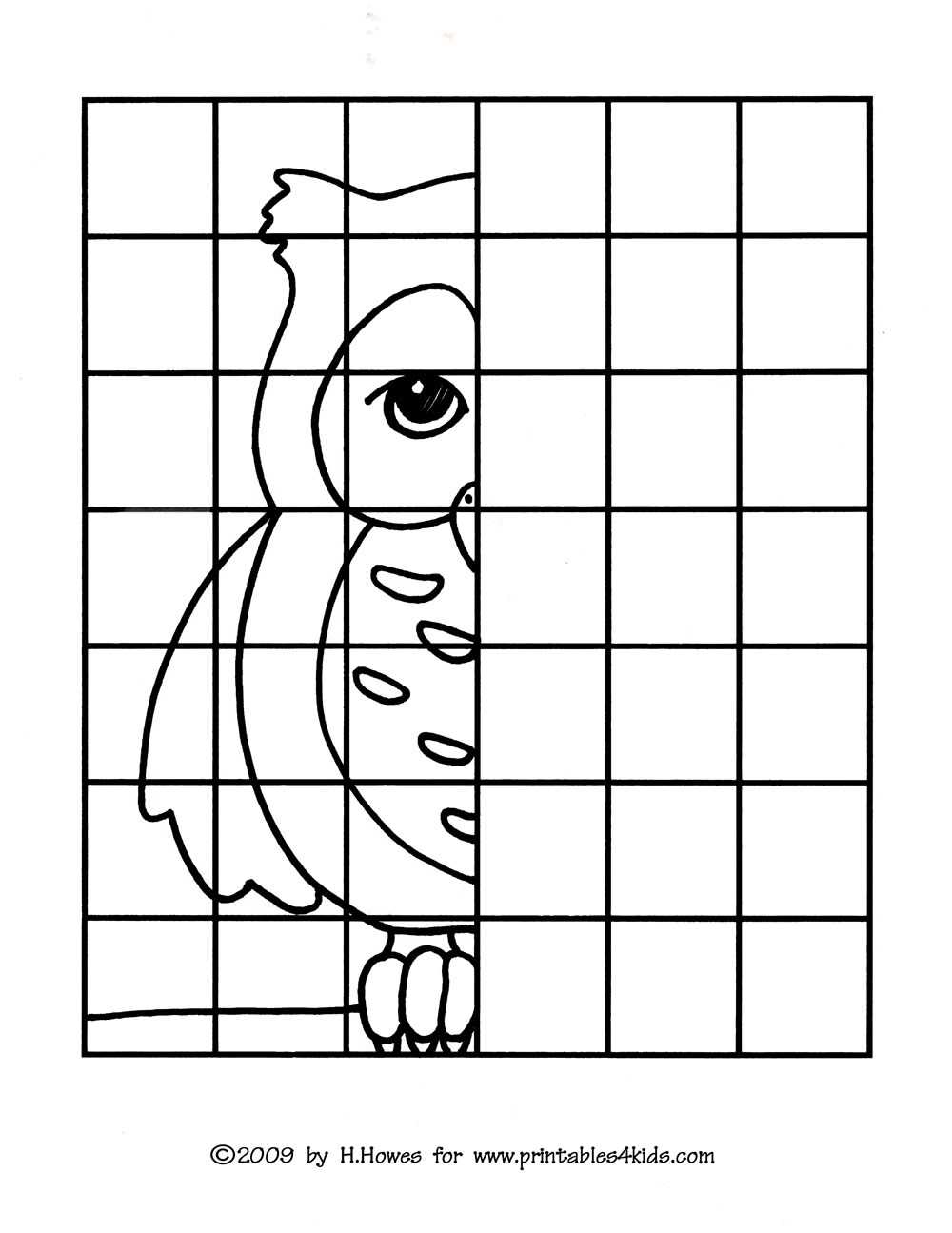
Grid drawing of specific subjects transforms complex visual information into manageable coordinates by overlaying a reference image with intersecting lines that students replicate square by square onto a blank grid. According to the National Art Education Association (NAEA), structured visual-spatial exercises enhance foundational drawing proficiency, analytical observation, and cognitive map-building in developing minds. Utilizing printable resources from Grid Drawing collections allows early learners and elementary students to deconstruct realistic shapes without the overwhelming pressure of freehand proportion estimation. Children transition smoothly from basic shape identification to sophisticated hand-eye coordination by systematically copying visual sections. Educators and parents aiming to accelerate fine-motor and cognitive milestones frequently incorporate these structured layout systems into daily curricula. Engaging with photo-realistic references bridge the gap between abstract thinking and tangible artistic execution.
Visual Learning & Skill Snapshot:
- Core Focus: Systematic coordinate-based replication of real-world photographic subjects using structured grid overlays.
- Target Skill: Spatial reasoning, visual discrimination, fine-motor proportion, and cognitive observation.
- Key Recommendation: Pair photographic references with simplified 2×2 or 4×4 printable grids for early elementary learners before advancing to complex ratios.
Core Principles and Visual Learning Overview
Grid drawing of authentic objects anchors artistic development in empirical observation rather than memorized symbols, teaching young minds to draw what is actually seen rather than what is assumed to be there. This perceptual training breaks down cognitive barriers by shifting focus away from the entire composition and directing attention strictly to isolated grid coordinates. When children analyze individual squares, cognitive load decreases significantly, allowing them to isolate angles, curves, and negative space with pinpoint accuracy. Integrating high-definition Photo Flashcards alongside grid templates strengthens visual memory and cross-references realistic imagery with geometric mapping. As young learners practice transferring details from square to square, neural pathways connecting visual input to manual output become exceptionally robust. This systematic process supports comprehensive Educational Activities designed to foster multi-disciplinary thinking across STEM and art domains.
Key Specifications and Breakdown
| Age / Learning Stage | Visual Skill & Grid Ratio | Pedagogical Application & Scaffolding |
|---|---|---|
| Ages 4-6 (Early Kindergarten) | 2×2 or 3×3 simple geometric grid; high-contrast photographic subjects. | Focuses on basic contour tracking, coordinate identification, and fundamental pencil grip control. |
| Ages 7-9 (Early Elementary) | 4×4 balanced grid; animal, nature, and everyday object photographs. | Teaches proportion estimation, line continuity, and comparative measurement across intersecting axes. |
| Ages 10-12 (Upper Elementary) | 6×6 or complex multi-cell grid; intricate architectural and portrait references. | Refines shading translation, perspective mapping, and independent error-checking strategies. |
Systematic visual arts instruction utilizing coordinate grids demonstrably improves spatial reasoning, hand-eye coordination, and perceptual accuracy in school-age children. — National Art Education Association (NAEA)
Step-by-Step Practical Application and Printing Guidelines
Executing a successful grid drawing of any subject requires careful preparation of physical materials, clear visual contrast, and step-by-step guidance. Print both the reference image overlay and the corresponding blank coordinate sheet on heavy cardstock to prevent buckling from erasing and heavy pencil pressure. Instruct children to label the horizontal and vertical axes with numbers and letters to reinforce alphanumeric mapping alongside artistic proportion. Begin working from the top-left corner and move systematically across rows, encouraging young artists to check the contents of surrounding squares before committing permanent lines. Maintain adequate lighting in the workspace and provide soft-lead pencils to ensure effortless smudge control and clean adjustments during the initial sketching phase.
Common Challenges and How to Avoid Them
Jumping directly into overly complex grid densities frequently leads to cognitive fatigue and student frustration during early learning sessions. Prevent burnout by starting with simple 2×2 or 3×3 matrices featuring bold, unambiguous photographic subjects before scaling up cell counts. Another frequent obstacle involves children attempting to draw the entire subject at once instead of isolating individual square contents; redirect their focus by covering surrounding cells with a paper mask to enforce single-square concentration. Ensure that printing dimensions match identically between the reference sheet and the drawing workspace to maintain accurate proportions and eliminate scaling discrepancies that distort the final image.
💬 Frequently Asked Questions
Explore More Free Learning Printables and Visual Activities on WePhotoAgency
Unlocking the full cognitive potential of young learners requires diverse, high-quality visual resources that seamlessly bridge foundational art skills and academic growth. Explore the extensive collection of printable worksheets, coordinate layouts, and dynamic resources available through WePhotoAgency.com to support holistic early childhood development.
Visual Reference Gallery