Introduction
Grid drawing meaning in hindi translates to “جرید ڈرائنگ” or “ग्रिड ड्राइंग” (Gridd Draaing), referring to the geometric partitioning technique known in Hindi-speaking educational contexts as ‘Jaal Rekha Chitra’ (जाल रेखा चित्र), which breaks complex visual data into manageable coordinate squares for spatial accuracy. According to the National Art Education Association (NAEA), structured visual partitioning techniques effectively build foundational observational skills, hand-eye coordination, and proportional estimation in developing learners. Utilizing printable Grid Drawing worksheets alongside real-photo visual resources transforms abstract artistic replication into a concrete, confidence-building cognitive exercise for early childhood education.
Visual Learning & Skill Snapshot:
- Core Focus: Translating grid drawing meaning in hindi into practical geometric visual partitioning for early childhood education.
- Target Skill: Spatial reasoning, visual discrimination, fine-motor proportion, and photo-based concept mastery.
- Key Recommendation: Pair high-contrast printable square grids with clear real-photo references to optimize observational accuracy.
Core Principles and Visual Learning Overview
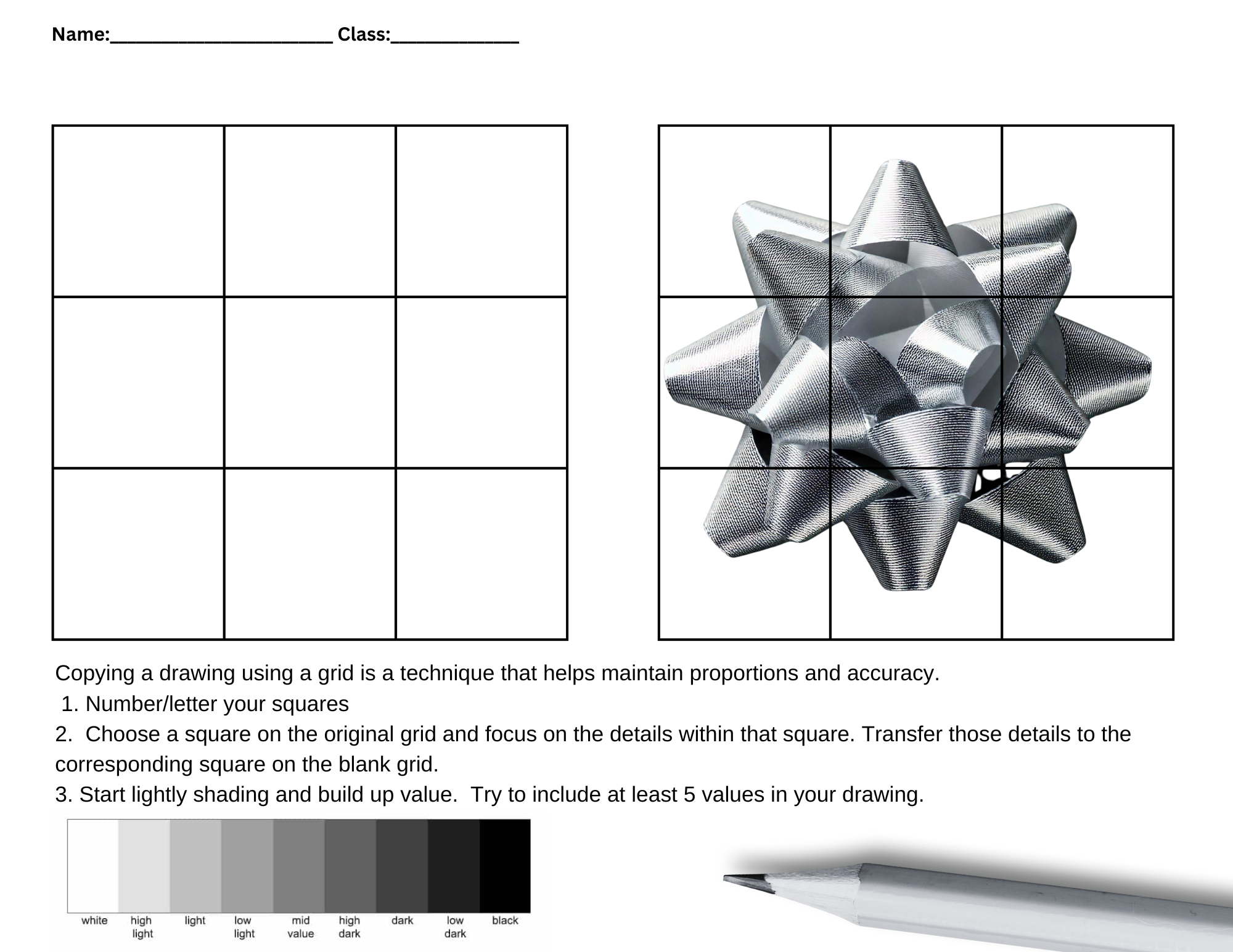
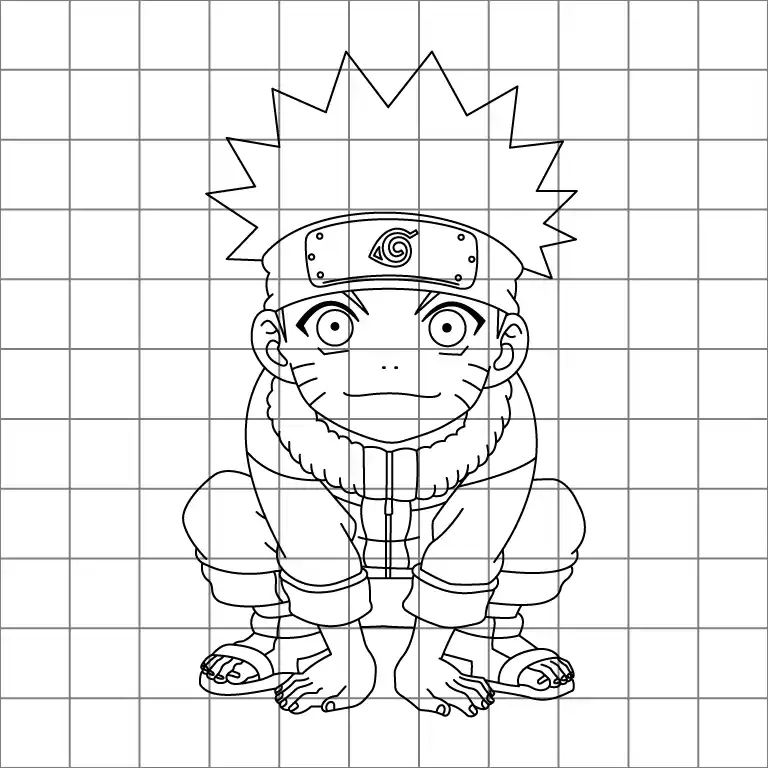
Grid drawing meaning in hindi centers on coordinate mapping, spatial indexing, and visual breaking-down of complex images into simplified components within structured rows and columns. Young learners often struggle with global proportions because the human brain naturally processes a whole object rather than its constituent geometric parts. By superimposing a coordinate grid over real Photo Flashcards, educators teach children to isolate individual square segments, compare line angles, and analyze negative space systematically. This process directly enhances cognitive flexibility, left-right spatial orientation, and fine-motor control, preparing young minds for advanced geometry and technical drafting.
Key Specifications and Breakdown
| Age / Learning Stage | Visual Skill & Grid Ratio | Pedagogical Application & Scaffolding |
|---|---|---|
| Ages 4-5 (Early Foundation) | 2×2 or 3×3 simple square grids | Focuses on basic shape recognition, directional tracking, and pairing with large Educational Activities. |
| Ages 6-7 (Early Elementary) | 4×4 balanced coordinate matrix | Develops fine-motor pencil control, proportion estimation, and contour tracking across boundaries. |
| Ages 8+ (Advanced Practice) | 6×6 or higher detailed mapping | Refines intricate observational rendering, complex symmetry, and realistic photographic replication. |
Structured visual partitioning and grid-based proportional mapping significantly accelerate cognitive spatial processing and fine-motor accuracy in early childhood development. — National Art Education Association (NAEA)
Step-by-Step Practical Application and Printing Guidelines
Implementing grid drawing exercises requires careful preparation of high-contrast printable materials, clear reference cards, and properly scaled blank work grids. Educators should select clear, high-resolution photographic references and overlay an identical grid layout onto both the target photo and the blank student worksheet to maintain exact 1:1 proportional scaling. Children must be guided to focus on one single grid square at a time, checking coordinate markers (such as letters across the top and numbers down the side) before sketching lines. Utilizing quality cardstock for printouts prevents paper warping and ensures clean erasing surfaces during trial-and-error corrections.
Common Challenges and How to Avoid Them
Frequent pitfalls in grid execution include children attempting to draw the entire image globally rather than focusing on isolated grid squares, which leads to distorted proportions. Instructors can prevent this common error by covering adjacent squares with a blank index card, forcing the learner to isolate visual information strictly within active coordinate boundaries. Another challenge involves incorrect pencil pressure or misaligned starting points; establishing light, erasable preliminary guidelines before committing to final dark outlines ensures stress-free, accurate visual replication.
💬 Frequently Asked Questions
Explore More Free Learning Printables and Visual Activities on WePhotoAgency
Discover an extensive collection of educational resources, printable worksheets, and visual learning tools designed to support cognitive development at WePhotoAgency.com. Access expertly structured materials to empower young learners today.
Visual Reference Gallery