Introduction
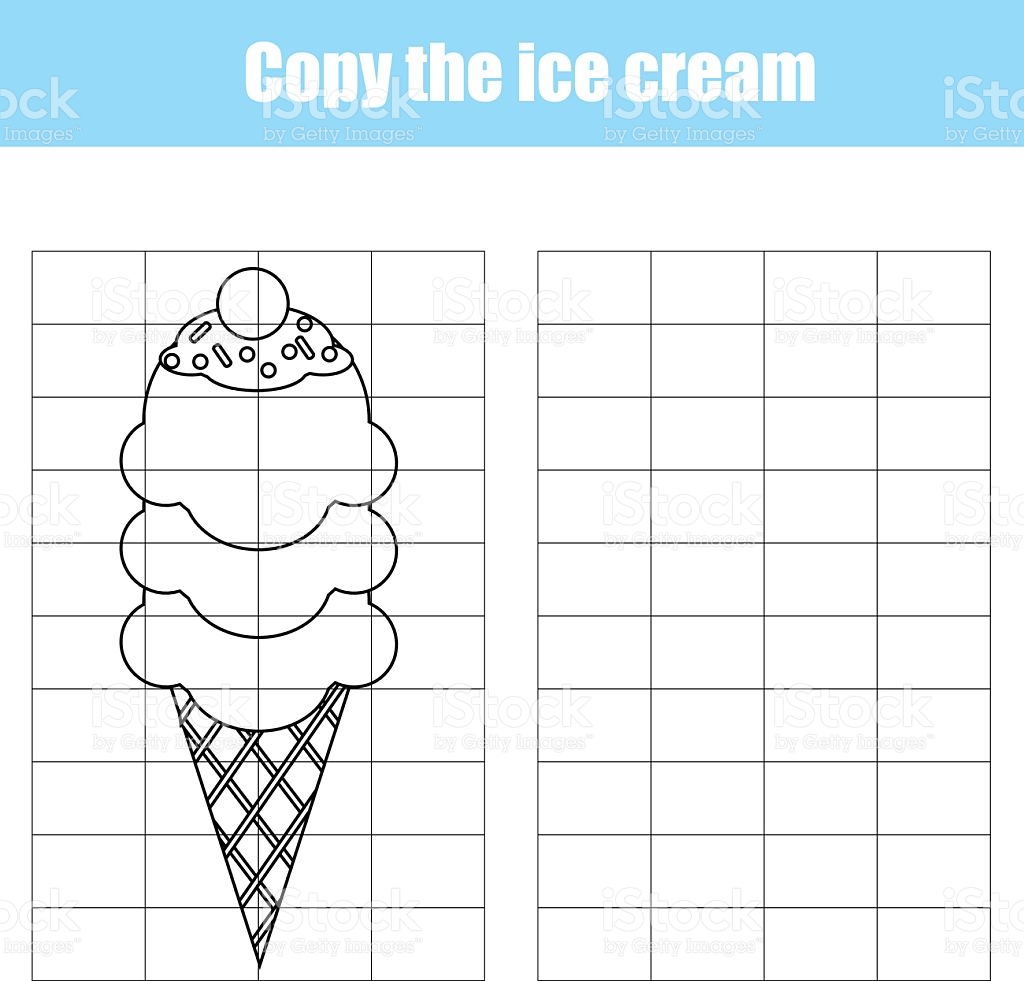
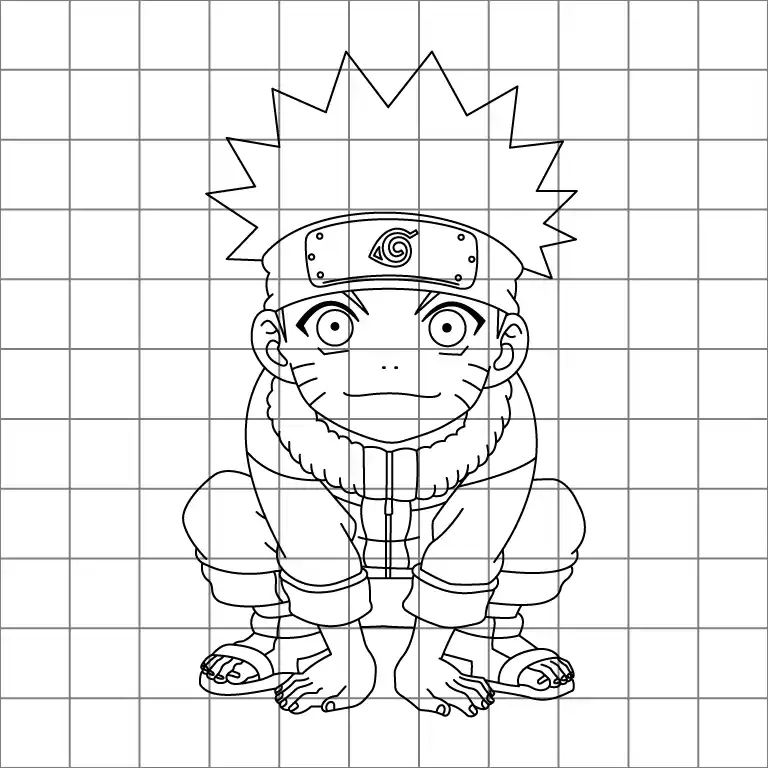
The grid drawing method is a proven pedagogical technique that breaks complex visual forms into manageable coordinate squares to enhance spatial awareness, proportion estimation, and observation skills in young learners. According to the National Art Education Association (NAEA), structured observational drawing techniques effectively scaffold visual-spatial intelligence by translating abstract shapes into concrete spatial intersections. Integrating printable Grid Drawing resources into early childhood curricula transforms daunting artistic tasks into structured puzzles that build cognitive confidence.
Visual Learning & Skill Snapshot:
- Core Focus: Systematic coordinate-based visual translation of images using intersecting vertical and horizontal lines.
- Target Skill: Spatial reasoning, visual discrimination, fine-motor proportion control, and analytical observation.
- Key Recommendation: Pair simple 2×2 or 3×3 photo templates with high-contrast, real-world visual references to prevent cognitive overload.
Core Principles and Visual Learning Overview
Proportional replication through coordinate mapping teaches young children to isolate individual components of a picture rather than relying on symbols from memory. By examining Photo Flashcards framed within a clear grid matrix, learners practice scanning visual data cell by cell. This systematic breakdown reduces visual clutter, allowing children in early elementary grades to master scale, line direction, and relative placement without experiencing the frustration of freehand proportion errors.
Key Specifications and Breakdown
| Age / Learning Stage | Visual Skill & Grid Ratio | Pedagogical Application & Scaffolding |
|---|---|---|
| Ages 4-5 (Early Preschool) | 2×2 Grid (Simple Shapes) | Focuses on basic contour lines and quadrant identification utilizing everyday objects and high-contrast visuals. |
| Ages 6-7 (Kindergarten / 1st Grade) | 3×3 Grid (Moderate Detail) | Introduces proportional scaling and spatial relationship tracking between adjacent squares using structured Educational Activities. |
| Ages 8-9 (Early Elementary) | 4×4 Grid (Complex Realism) | Emphasizes fine-motor line precision, tonal shading estimation, and detailed feature placement from reference photographs. |
Systematic visual observation and breaking complex forms into smaller spatial components significantly accelerates cognitive mapping and fine-motor coordination in early childhood learners. — National Art Education Association (NAEA)
Step-by-Step Practical Application and Printing Guidelines
Executing effective grid exercises requires high-contrast reference images printed alongside blank matching coordinate boxes with bold, easy-to-count lines. Educators and parents should begin by teaching children to label columns with letters and rows with numbers to reinforce coordinate literacy. Instructors must ensure that printing scaling is set to 100 percent to prevent grid distortion, and encourage learners to draw light, erasable guidelines before committing to final ink or dark pencil strokes.
Common Challenges and How to Avoid Them
Children frequently struggle with grid exercises when starting in the middle of an image instead of working sequentially from the top-left corner. To correct this tendency, educators should provide sliding window masks or opaque cards that isolate a single grid square at a time, forcing concentrated observation. Furthermore, if young learners become frustrated by intricate details, instructors must immediately step back to simpler two-by-two matrices featuring bold, recognizable photographic subjects.
💬 Frequently Asked Questions
Explore More Free Learning Printables and Visual Activities on WePhotoAgency
Accessing comprehensive educational resources empowers parents, homeschoolers, and art educators to foster lifelong cognitive and artistic growth. Discover an extensive library of printable worksheets, visual learning guides, and creative classroom tools by visiting WePhotoAgency.com to elevate early childhood development today.
Visual Reference Gallery