Introduction
Grid drawing inspo delivers structured visual frameworks that transform complex photographic subjects into manageable coordinate-based segments, thereby fostering accurate spatial perception in young learners. According to the National Association for the Education of Young Children (NAEYC), hands-on graphic activities systematically strengthen fine-motor precision, hand-eye coordination, and cognitive mapping during early childhood education. Educators, homeschoolers, and parents frequently seek reliable Grid Drawing worksheets to bridge the gap between abstract observation and concrete drawing output. Utilizing printable grids alongside Photo Flashcards accelerates visual literacy by training the brain to isolate lines, shapes, and negative space.
Visual Learning & Skill Snapshot:
- Core Focus: Systematic spatial division for realistic observation and drawing accuracy.
- Target Skill: Spatial reasoning, visual discrimination, fine-motor proportion, and photo-based concept mastery.
- Key Recommendation: Pair high-contrast photographic references with uniform 2×2 or 4×4 coordinate grids to prevent cognitive overload.
Core Principles and Visual Learning Overview
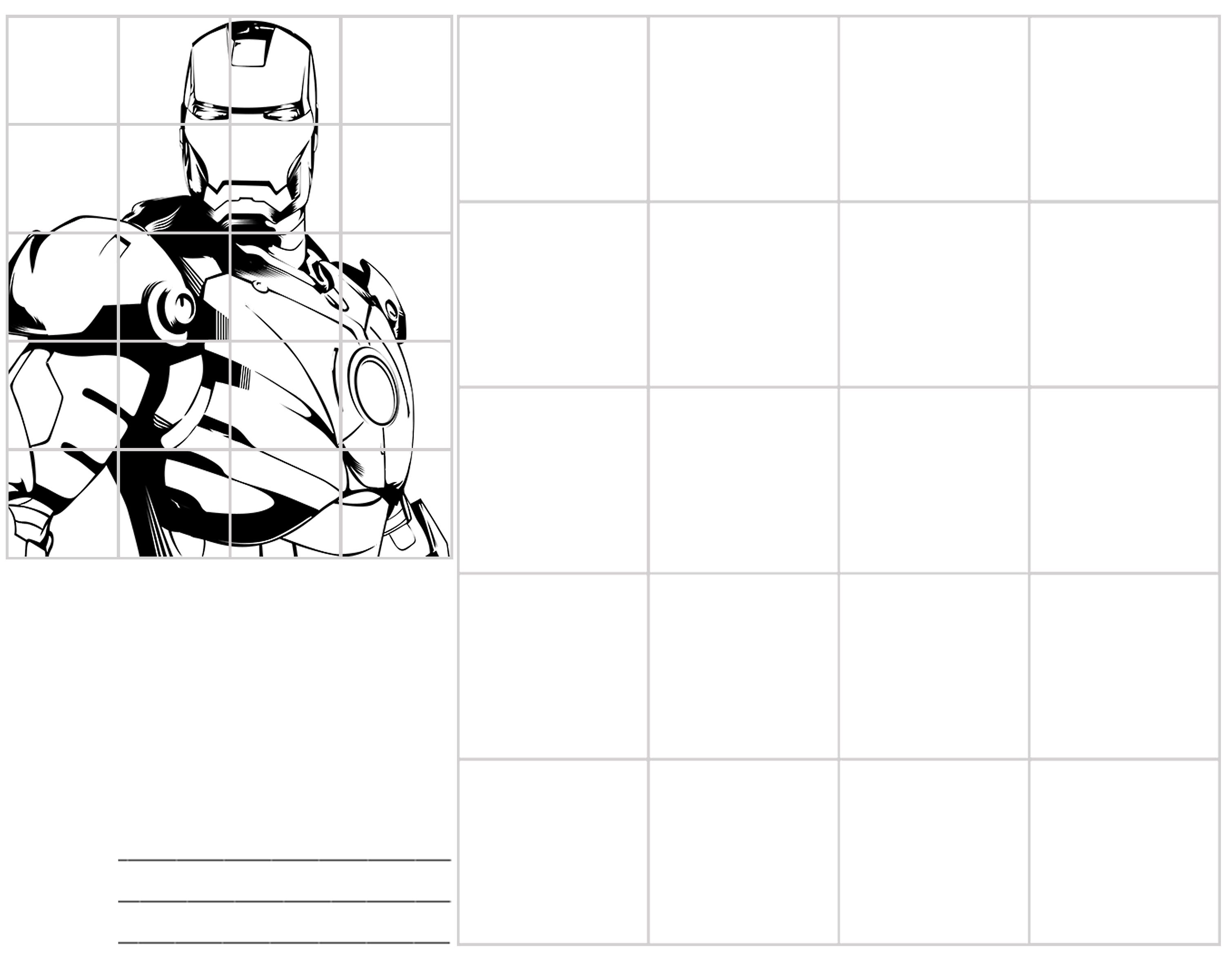
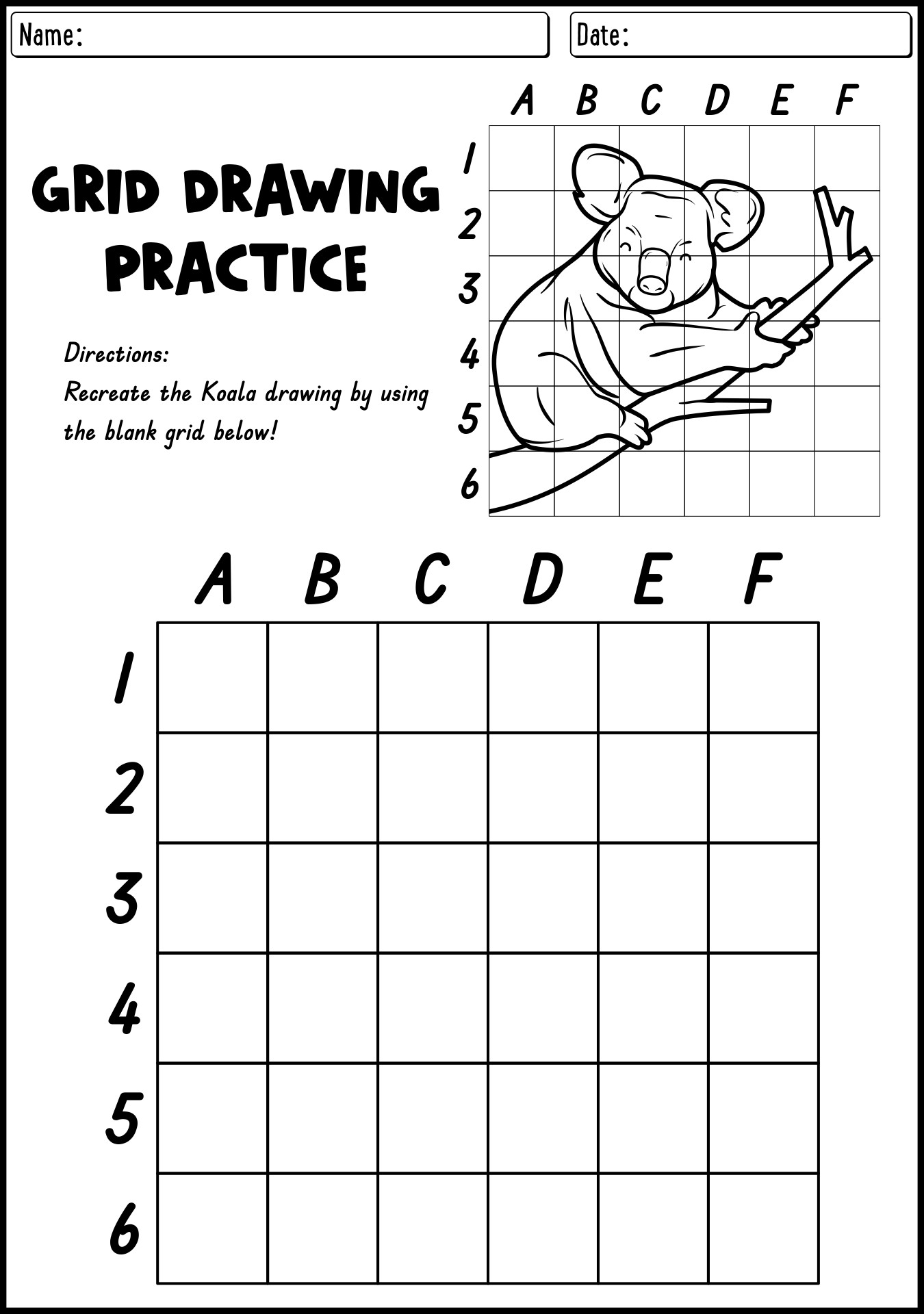
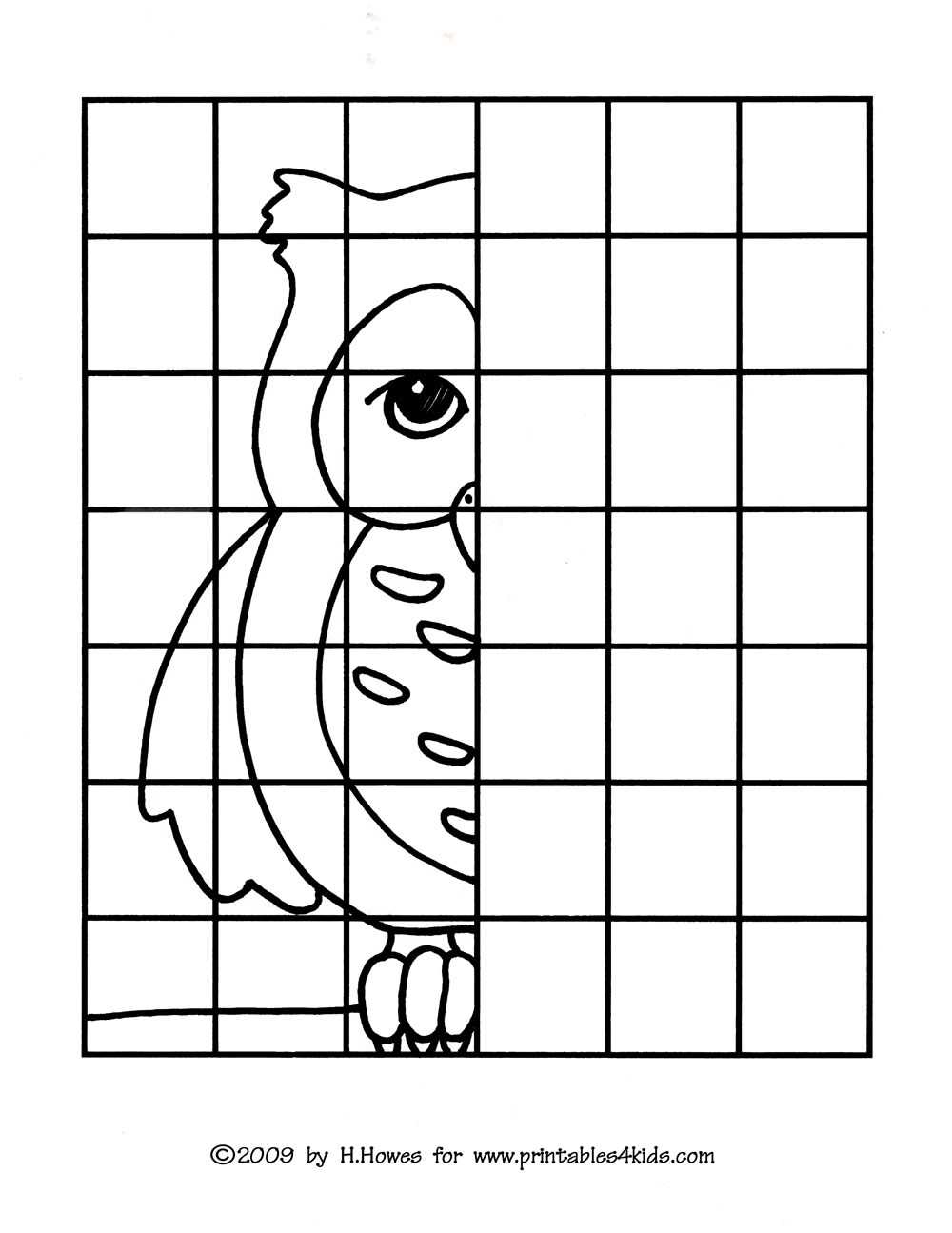
Grid drawing inspo relies on the mathematical division of a reference image into smaller, digestible coordinate squares that students replicate cell by cell onto a corresponding blank grid. This methodology shifts cognitive processing from conceptual symbol drawing—where children draw what they think an object looks like—to empirical observation, focusing strictly on line angles and intersection points within a localized frame. Integrating real photographic source materials enhances this process by presenting authentic textures, lighting, and real-world proportions rather than stylized cartoons. Incorporating comprehensive Educational Activities centered on coordinate mapping builds crucial foundational geometry skills while supporting artistic expression in early elementary classrooms.
Key Specifications and Breakdown
| Age / Learning Stage | Visual Skill & Grid Ratio | Pedagogical Application & Scaffolding |
|---|---|---|
| Ages 4-5 (Early Learners) | 2×2 Grid with high-contrast photographic objects | Focuses on quadrant identification, basic shape recognition, and gross spatial placement without overwhelming detail. |
| Ages 6-8 (Early Elementary) | 4×4 Grid featuring nature or architectural photos | Teaches proportion estimation, line direction tracking, and careful cross-referencing between adjacent coordinate boxes. |
| Ages 9+ (Advanced Elementary) | 6×6 Complex Grid utilizing detailed portraiture or wildlife | Encourages fine-motor control, intricate value shading within cells, and precise scale transfer from small photos to larger paper. |
Structured visual partitioning significantly improves geometric processing speed and perceptual accuracy in developing brains by reducing the cognitive load of whole-image interpretation. — National Art Education Association (NAEA)
Step-by-Step Practical Application and Printing Guidelines
Executing effective grid drawing inspo sessions requires crisp printer settings, durable cardstock paper, and clearly labeled coordinate axes using numbers and letters. Begin by selecting high-resolution photographic prompts that feature clear subject-to-background contrast, ensuring young students can easily distinguish outlines within each grid square. Print identical coordinate lines directly onto both the reference photo sheet and the blank drawing template to maintain exact 1:1 proportional scaling. Instruct learners to tackle the grid one box at a time, covering unfinished sections with a blank mask paper to maintain visual focus and minimize distraction during the multi-step creation process.
Common Challenges and How to Avoid Them
Students often encounter frustration when attempting to draw across multiple grid squares simultaneously instead of focusing intensely on a single isolated cell. Instructors should correct this tendency by demonstrating how to use a sliding window card that isolates one specific coordinate square at a time, reinforcing localized observation. Another frequent obstacle involves mismatched grid ratios between the reference image and the drawing canvas, which warps final proportions. Standardizing all beginner worksheets to a 1:1 scale eliminates sizing confusion, allowing children to master coordinate mapping successfully before advancing to proportional scaling challenges.
💬 Frequently Asked Questions
Explore More Free Learning Printables and Visual Activities on WePhotoAgency
Discover an extensive library of professional teaching aids, structured drawing worksheets, and high-resolution visual resources designed to inspire young learners at WePhotoAgency.com. Every printable asset is meticulously crafted by experienced educators to support cognitive growth, spatial reasoning, and artistic confidence across all early childhood learning environments.
Visual Reference Gallery