Introduction
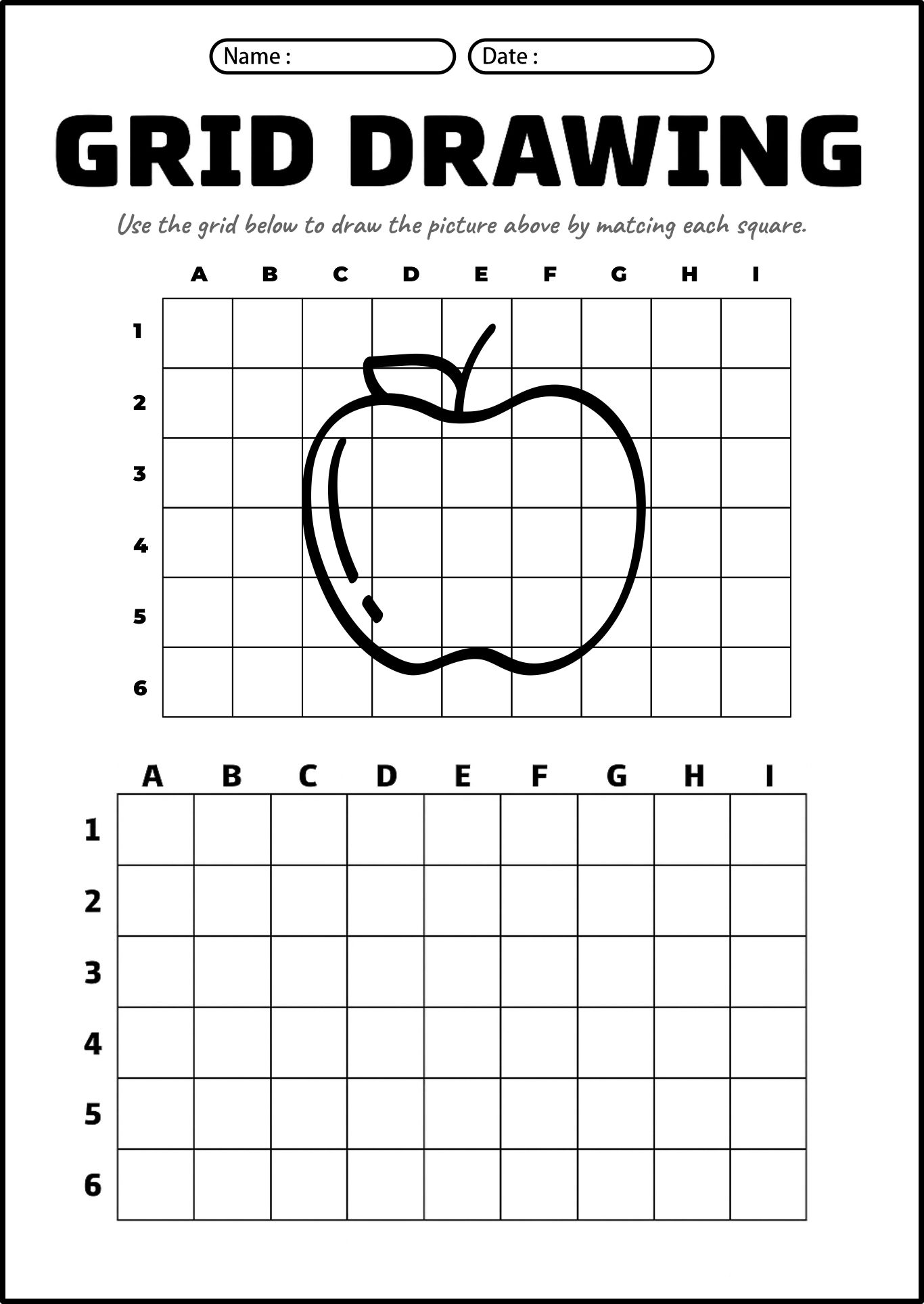
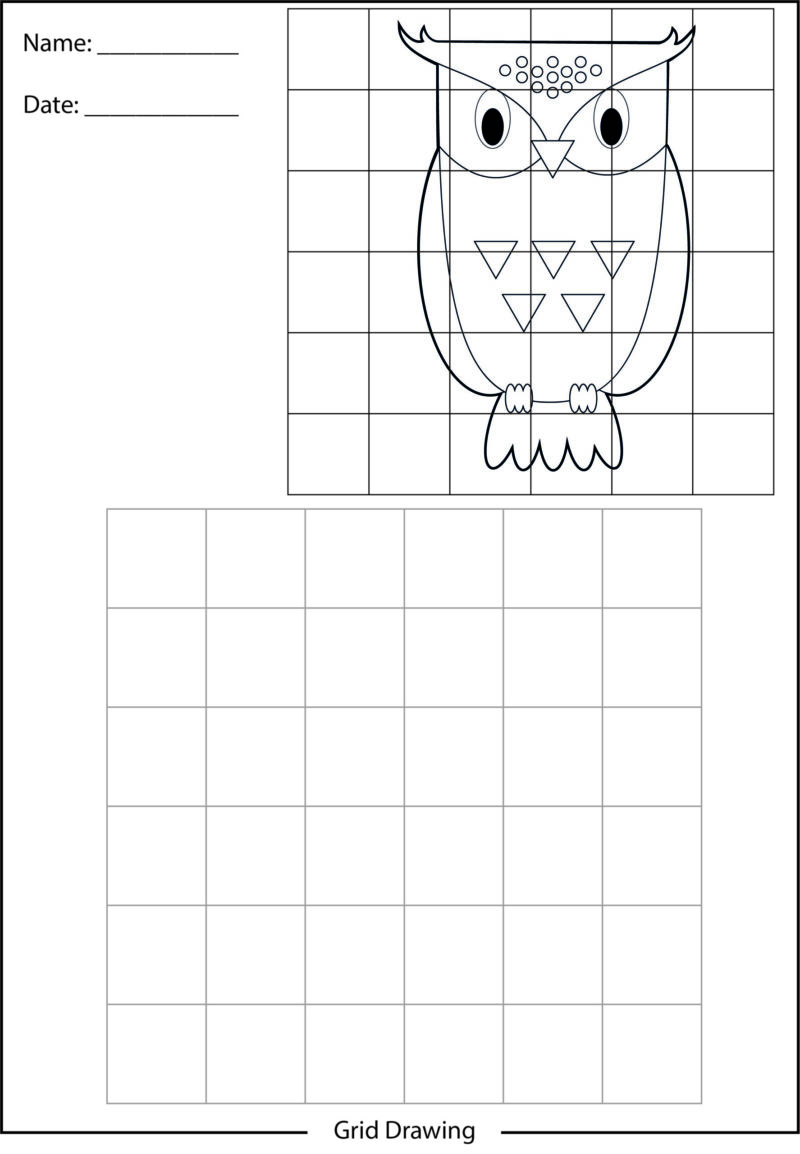
Grid drawing human exercises utilize structured geometric subdivisions overlaid onto realistic photographic references to teach young learners accurate proportion estimation, spatial coordination, and observational accuracy. According to the National Association for the Education of Young Children (NAEYC), structured visual-spatial tasks actively support early cognitive development by reinforcing critical hand-eye coordination and breaking complex shapes into manageable components. This instructional methodology bridges cognitive spatial awareness and fine motor execution, making printable resources like Grid Drawing worksheets indispensable for primary educational settings.
Visual Learning & Skill Snapshot:
- Core Focus: Systematic mapping of human anatomical features through scaled grid coordinates.
- Target Skill: Spatial reasoning, visual discrimination, fine-motor proportion, and photo-based concept mastery.
- Key Recommendation: Pair high-contrast photo references with simplified 2×2 or 3×3 grids before advancing to complex multi-box templates.
Core Principles and Visual Learning Overview
Grid drawing human activities function by converting holistic visual processing into targeted, segment-by-segment analysis. When children isolate specific grid squares containing an eye, nose, or limb contour, cognitive overload is eliminated, allowing the brain to focus strictly on line direction, angle, and relative distance. Utilizing real Photo Flashcards alongside these printable templates enhances visual literacy by training observers to replicate exact photographic details rather than relying on abstract mental symbols.
Key Specifications and Breakdown
| Age / Learning Stage | Visual Skill & Grid Ratio | Pedagogical Application & Scaffolding |
|---|---|---|
| Early Elementary (Ages 5-6) | Basic 2×2 grid, high-contrast silhouettes | Focuses on foundational coordinate tracking and basic shape alignment. |
| Middle Elementary (Ages 7-9) | Standard 4×4 grid, realistic human faces | Enhances proportion estimation and contour continuity across grid lines. |
| Advanced Primary (Ages 10+) | Complex 6×6 grid, full-body photography | Refines intricate scale transference, shading value, and anatomical accuracy. |
Structured visual activities significantly accelerate cognitive spatial mapping and fine-motor precision by breaking complex real-world forms into discrete, manageable analytical units. — National Art Education Association (NAEA)
Step-by-Step Practical Application and Printing Guidelines
Executing a successful grid drawing human session requires high-resolution printing, clear grid lines, and proper workspace organization. Educators should select clear photographic reference sheets, ensuring both the master image and the blank drawing template share identical grid proportions. Introduce structured Educational Activities by encouraging children to scan the coordinate rows alphabetically or numerically, copying one box at a time from top-left to bottom-right to maintain orderly visual tracking.
Common Challenges and How to Avoid Them
Common obstacles during grid drawing human tasks include skipping coordinate boxes, rushing proportion lines, and misjudging negative space boundaries. To correct these tendencies, provide lightweight viewfinders or index cards so learners can isolate a single grid cell at a time, completely blocking out surrounding visual distractions and sharpening localized focus.
💬 Frequently Asked Questions
Explore More Free Learning Printables and Visual Activities on WePhotoAgency
Expand early learning curriculums by exploring the comprehensive collections of printable resources available at WePhotoAgency.com. Access thousands of expertly designed educational tools tailored to foster visual literacy, cognitive growth, and creative confidence.
Visual Reference Gallery