Introduction
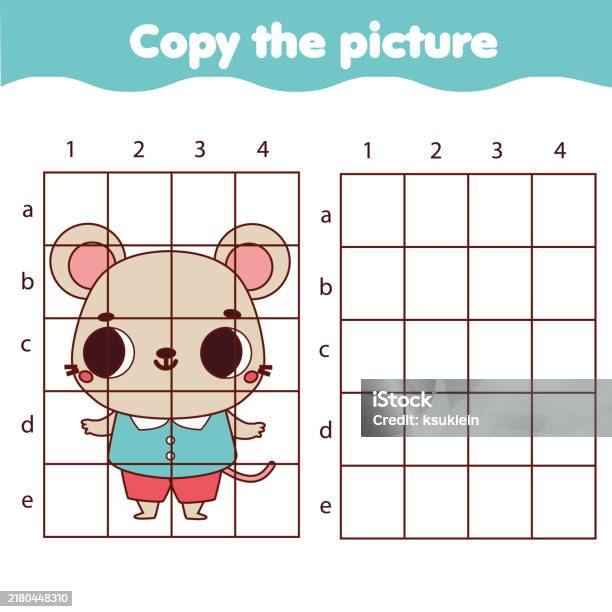
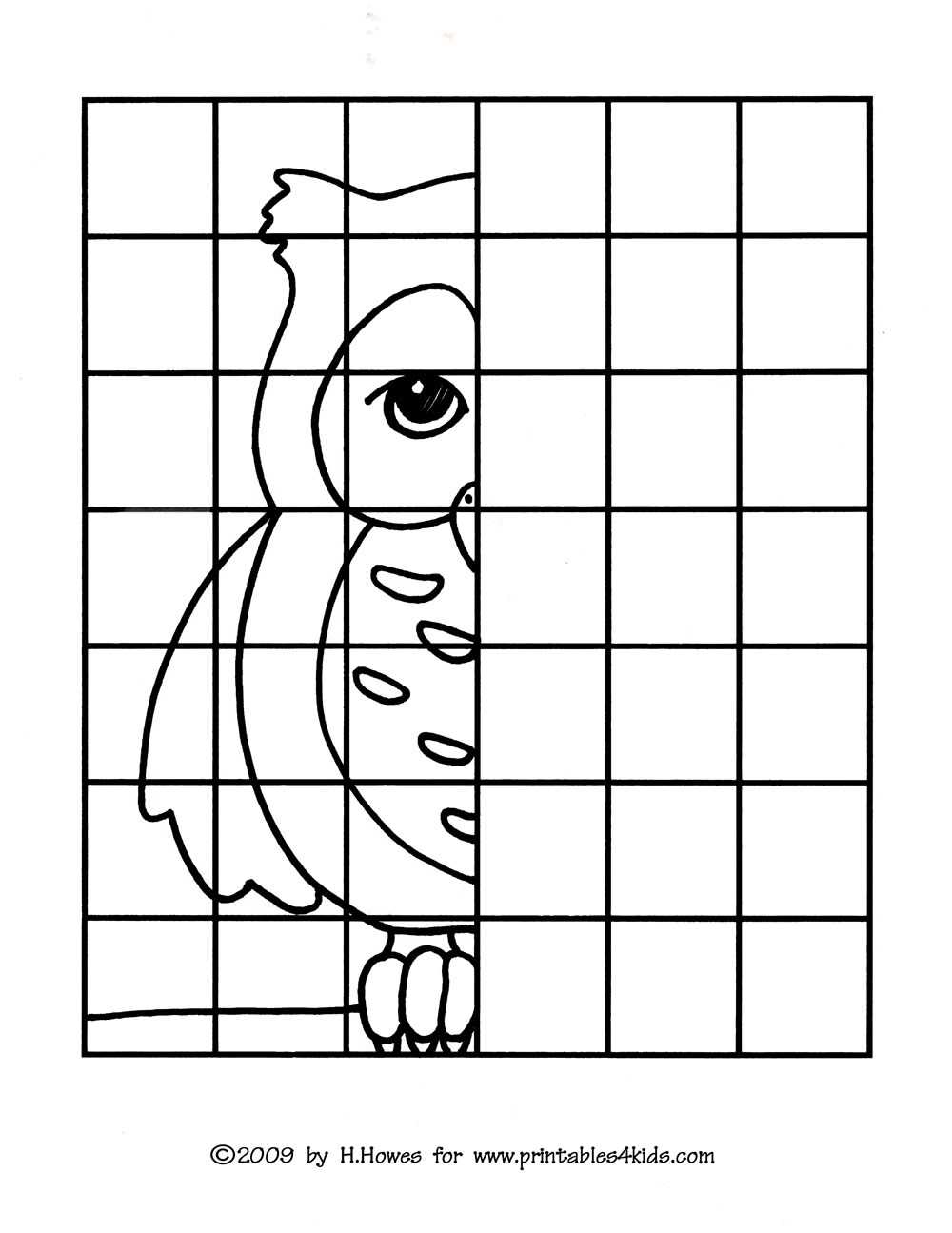
Grid drawing cute refers to a structured visual art technique where young learners replicate simplified, adorable subject matter across a coordinate matrix to build foundational spatial intelligence and fine motor precision. According to the National Art Education Association (NAEA), early engagement with structured observational drawing frameworks significantly enhances visual literacy, spatial reasoning, and hand-eye coordination in children. Utilizing specialized printable worksheets alongside high-contrast Photo Flashcards transforms abstract coordinate plotting into an accessible, highly engaging developmental exercise. Educators and parents frequently integrate these scaffolded resources into daily Educational Activities to bridge the gap between abstract visual perception and concrete drawing execution.
Visual Learning & Skill Snapshot:
- Core Focus: Coordinate-based replication of adorable subjects to build visual-spatial processing.
- Target Skill: Spatial reasoning, visual discrimination, fine-motor proportion, and observation.
- Key Recommendation: Pair simple 2×2 or 3×3 grids with real photographic reference cards to ground artistic estimation in reality.
Core Principles and Visual Learning Overview
Grid drawing cute builds confidence in early learners by breaking complex visual forms down into manageable, isolated segments within a structured matrix. When children focus on a single square at a time, cognitive load decreases, allowing the brain to process line direction, curve radius, and relative proportion without feeling overwhelmed by the entire composition. This methodical breakdown exercises visual-spatial working memory, teaching the brain to translate three-dimensional photographic reality or whimsical character illustrations into two-dimensional graphical marks. Exploring structured resources found within Grid Drawing collections further expands this pedagogical foundation by introducing varied grid densities suited to progressive skill levels.
Key Specifications and Breakdown
| Age / Learning Stage | Visual Skill & Grid Ratio | Pedagogical Application & Scaffolding |
|---|---|---|
| Ages 4-5 (Pre-K) | 2×2 Grid; Basic shapes and thick lines | Focuses on quadrants, corner recognition, and foundational pencil control using high-contrast cute animal outlines. |
| Ages 6-7 (Grade 1) | 3×3 Grid; Moderate contours and curves | Develops proportional estimation and directional line tracking through friendly, approachable subject matter. |
| Ages 8-9 (Grade 2+) | 4×4 Grid; Complex angles and shading | Refines detailed observation, cross-referencing coordinates, and independent error checking without adult intervention. |
Structured visual scaffolding significantly improves cognitive mapping and proportional accuracy during early childhood artistic development — National Art Education Association (NAEA)
Step-by-Step Practical Application and Printing Guidelines
Implementing grid drawing cute effectively requires high-contrast printing, clear coordinate labeling, and proper physical organization of learning materials. Educators should print worksheets on heavyweight matte cardstock to withstand repeated pencil erasing and re-drawing. Place the reference image directly above or beside the blank grid sheet to encourage top-to-bottom, left-to-right scanning habits that mirror early reading progression. Instruct learners to isolate one grid square using a small paper window or finger blocker, encouraging them to look exclusively at what lines enter and exit that specific boundary before moving to the adjacent coordinate.
Common Challenges and How to Avoid Them
Young learners often encounter frustration when attempting to draw the entire subject at once instead of treating each grid square as an independent puzzle piece. Guiding children to lightly sketch reference dots where lines intersect grid borders prevents major proportional distortions before committing to final outlines. Another frequent hurdle involves visual fatigue caused by overly dense grids; educators can eliminate this barrier by starting young children on simplified 2×2 matrices featuring thick, bold subject contours before gradually introducing finer coordinate lines.
💬 Frequently Asked Questions
Explore More Free Learning Printables and Visual Activities on WePhotoAgency
Unlocking the full potential of early childhood visual learning requires a diverse library of scaffolded worksheets, flashcards, and creative prompts designed to foster cognitive growth. Caregivers, educators, and homeschoolers can access an extensive, constantly updated collection of educational assets by exploring the primary resources available directly through WePhotoAgency.com to support confident, creative learners.
Visual Reference Gallery