Introduction
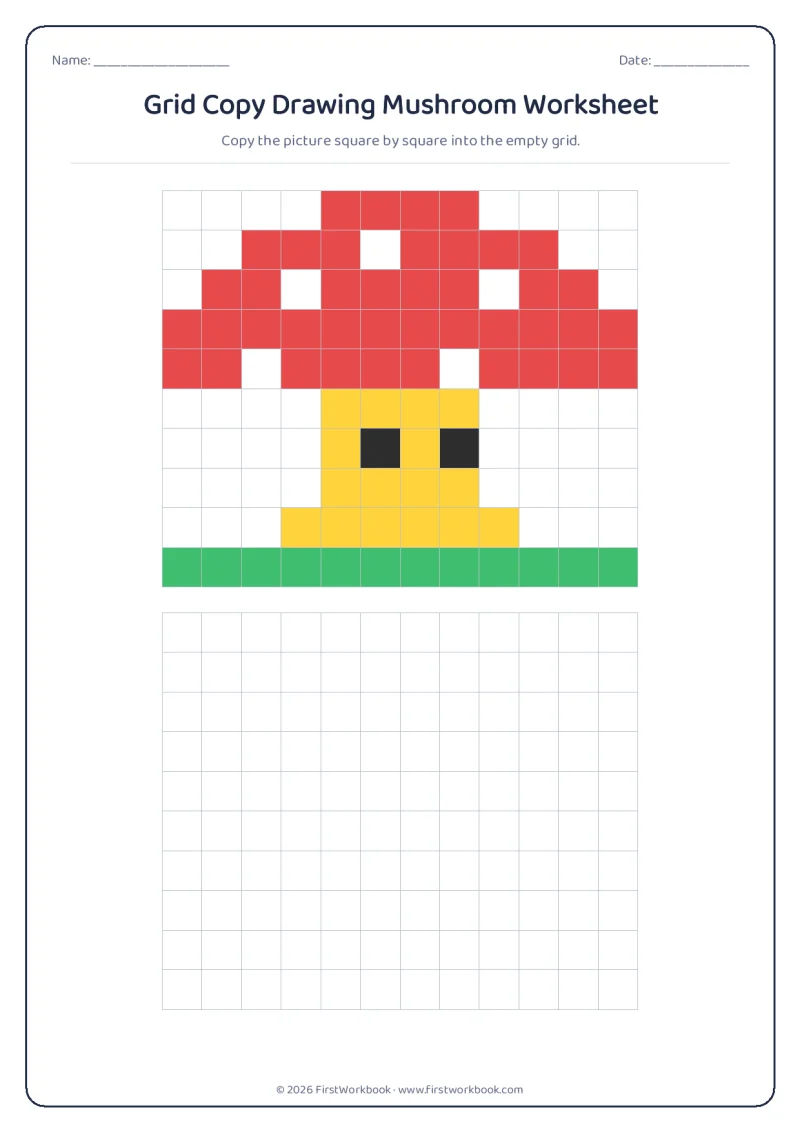
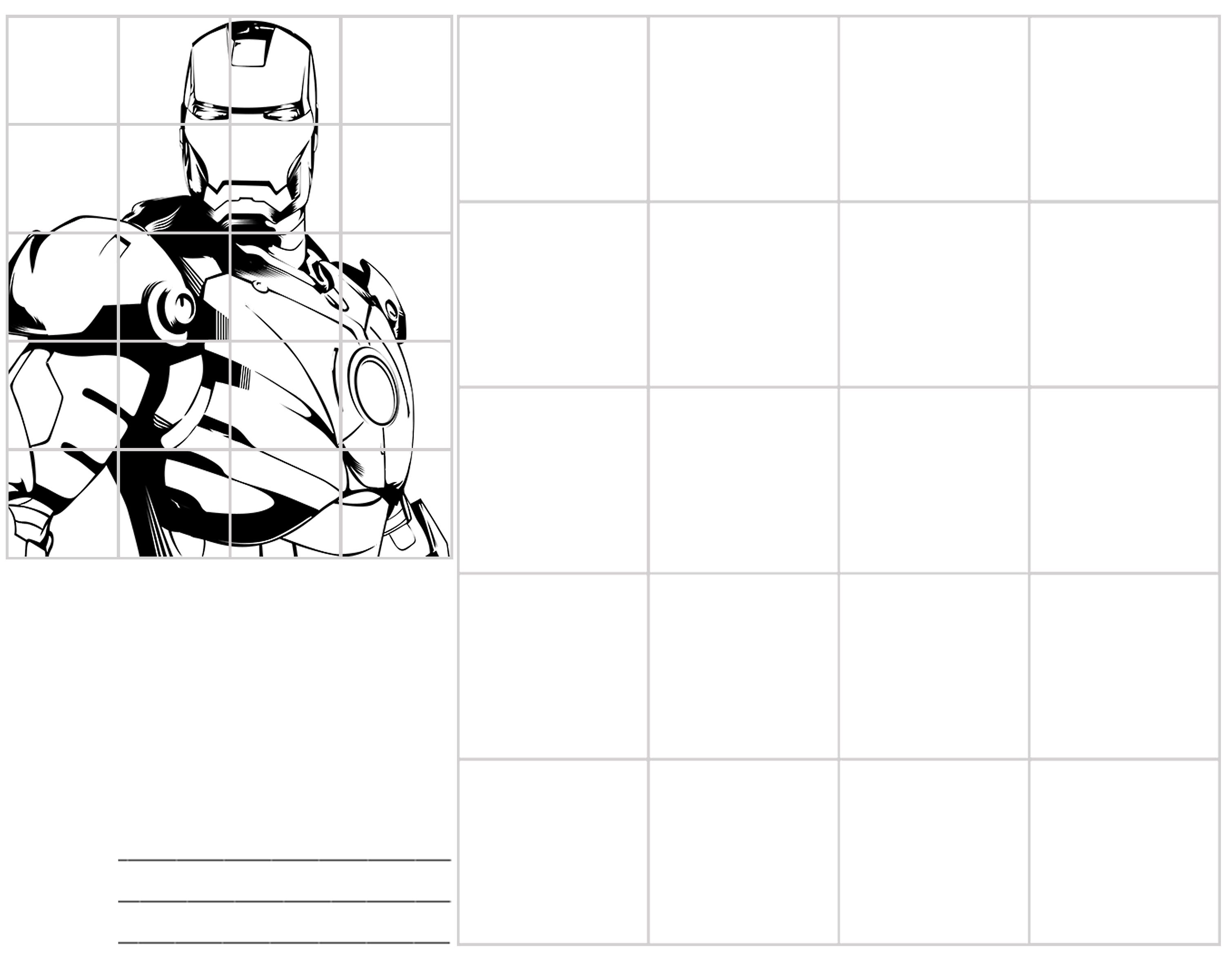
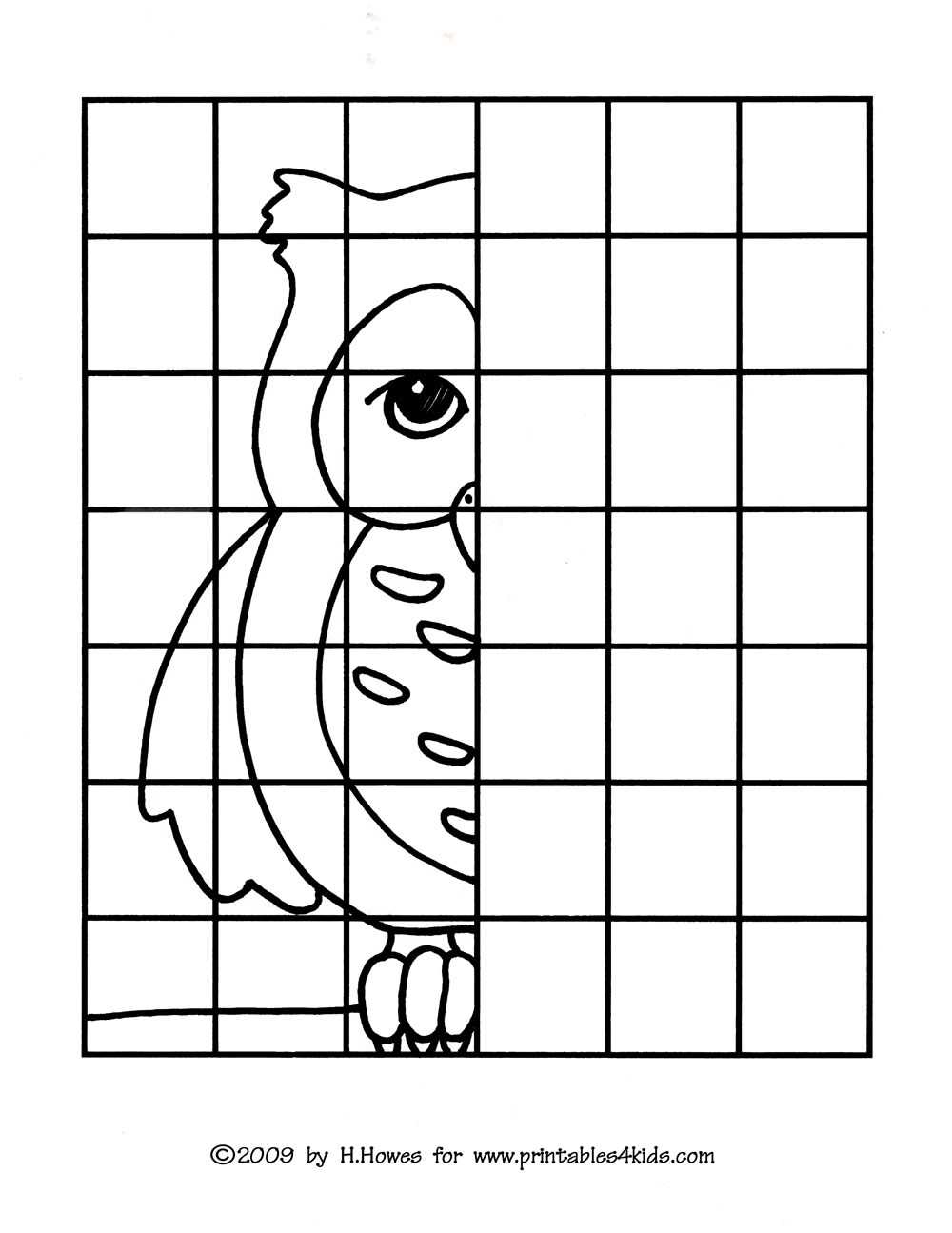
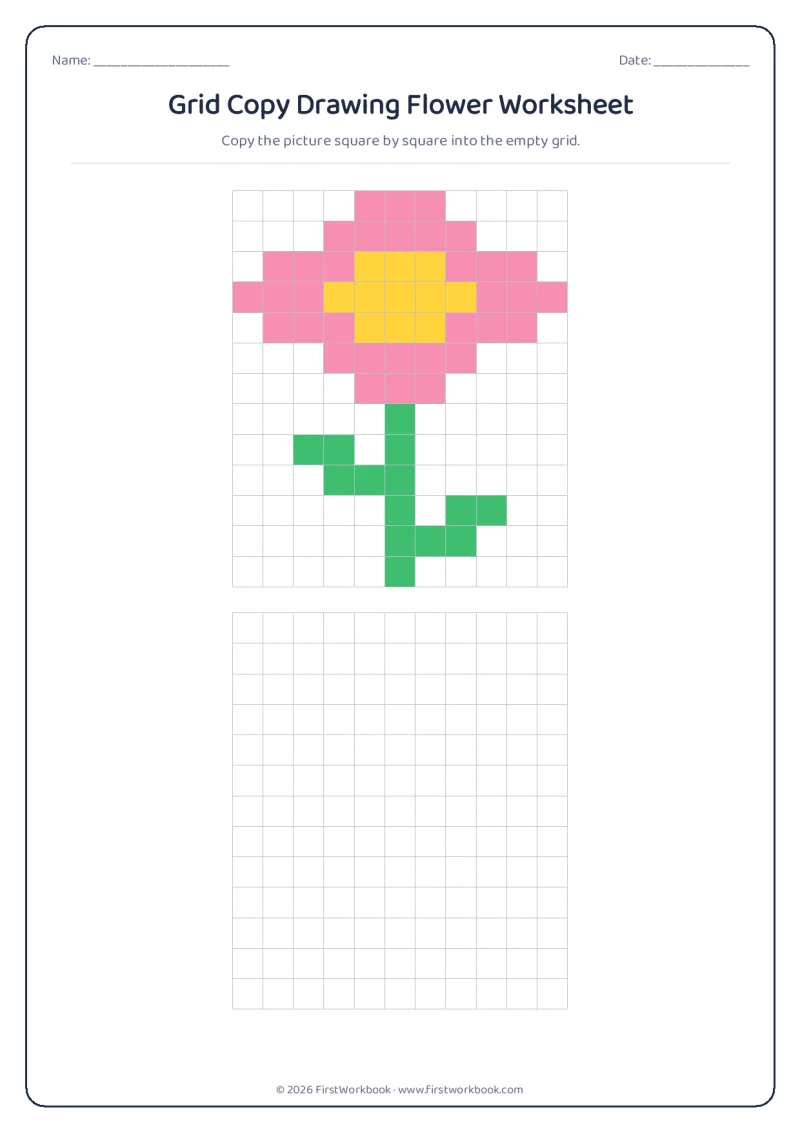
Grid drawing copy is a foundational visual art method where learners replicate photographic source material square-by-square across a structured coordinate grid to build spatial accuracy and proportion estimation skills. According to the National Association for the Education of Young Children (NAEYC), hands-on graphic activities that break complex visual stimuli into manageable components significantly enhance early cognitive development and hand-eye coordination. This structured pedagogical approach transforms abstract observational drawing into concrete, achievable tasks for developing minds. By utilizing printable worksheets alongside Photo Flashcards, educators bridge realistic photographic reference points with fine-motor skill execution.
Visual Learning & Skill Snapshot:
- Core Focus: Systematic square-by-square visual transfer of photographic source images.
- Target Skill: Spatial reasoning, visual discrimination, fine-motor proportion, and observation.
- Key Recommendation: Start early learners with large 3×3 grids before transitioning to complex multi-square layouts.
Core Principles and Visual Learning Overview
Grid drawing copy operates by shifting the brain from holistic symbol recognition—where children draw what they think an object looks like—to objective spatial observation of lines, angles, and negative space. When children isolate specific coordinates on a reference photo, cognitive load decreases, allowing them to focus entirely on local proportion rather than global composition. This technique directly supports foundational geometry and visual processing milestones outlined across various Educational Activities. Integrating printable resources with real photographic flashcards anchors the exercise in concrete reality, helping young artists understand scale, perspective, and dimensional relationships without feeling overwhelmed by complex artistic rendering.
Key Specifications and Breakdown
| Age / Learning Stage | Visual Skill & Grid Ratio | Pedagogical Application & Scaffolding |
|---|---|---|
| Ages 4–5 (Early Childhood) | Basic 3×3 Grid (Large Scale) | Focuses on simple geometric shapes, high-contrast silhouettes, and basic line tracking. |
| Ages 6–8 (Early Elementary) | Standard 4×4 or 5×5 Grid | Emphasizes natural object proportions, photographic animal studies, and contour accuracy. |
| Ages 9+ (Upper Elementary) | Advanced 6×6+ Coordinate Grid | Refines tonal mapping, intricate architectural details, and complex real-world photo replication. |
Systematic visual breaking of complex forms into isolated coordinate units accelerates spatial working memory and visual-motor integration. — National Art Education Association (NAEA)
Step-by-Step Practical Application and Printing Guidelines
Executing grid drawing copy effectively requires pairing a high-resolution reference sheet with a blank, identically proportioned drawing grid. Educators should ensure that printouts maintain crisp, high-contrast gridlines so young learners can easily isolate coordinates without visual fatigue. Begin by instructing the child to select a single square on the reference photo, analyze where lines intersect the grid borders, and replicate those precise marks inside the corresponding blank square. Utilizing dedicated Grid Drawing templates guarantees uniform scaling, preventing common distortion errors that occur when hand-drawn reference grids feature uneven proportions or mismatched aspect ratios.
Common Challenges and How to Avoid Them
Children frequently struggle with grid drawing copy when they attempt to draw the entire picture at once rather than focusing strictly on one isolated square. Overcoming this hurdle involves using a masking card to cover all surrounding squares, forcing the brain to process lines purely as abstract shapes rather than recognizable objects like eyes, wheels, or leaves. Another common pitfall is rushing the initial anchor points; encouraging learners to mark the exact spot where a contour line enters and exits a grid square before connecting those points eliminates cascading proportion errors. Providing clear, uncluttered photographic references ensures that shadows and background noise do not distract from the primary structural lines being copied.
💬 Frequently Asked Questions
Explore More Free Learning Printables and Visual Activities on WePhotoAgency
Expanding early childhood art curricula and homeschooling resources becomes effortless with professionally designed materials available across the entire WePhotoAgency.com digital library. Educators, parents, and developmental specialists can access a comprehensive collection of downloadable worksheets, structured visual templates, and photo-based cognitive learning tools engineered to foster lifelong creativity and spatial mastery.
Visual Reference Gallery