Introduction
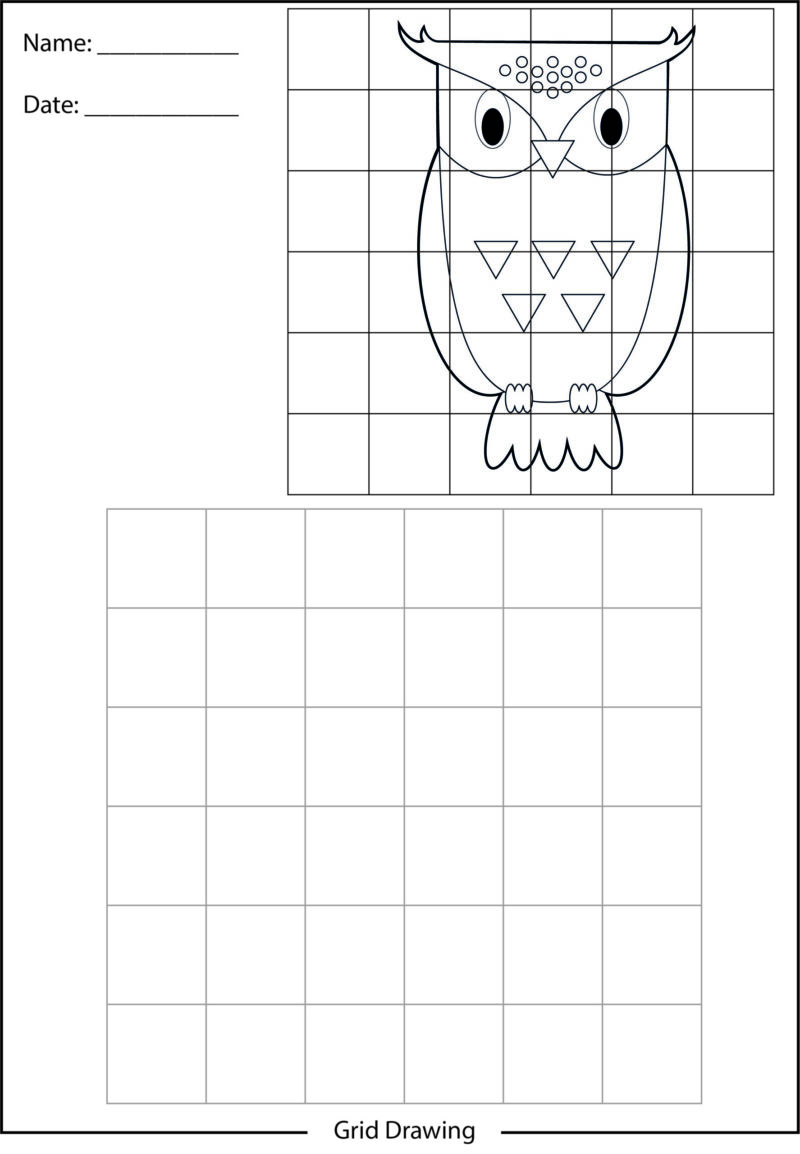
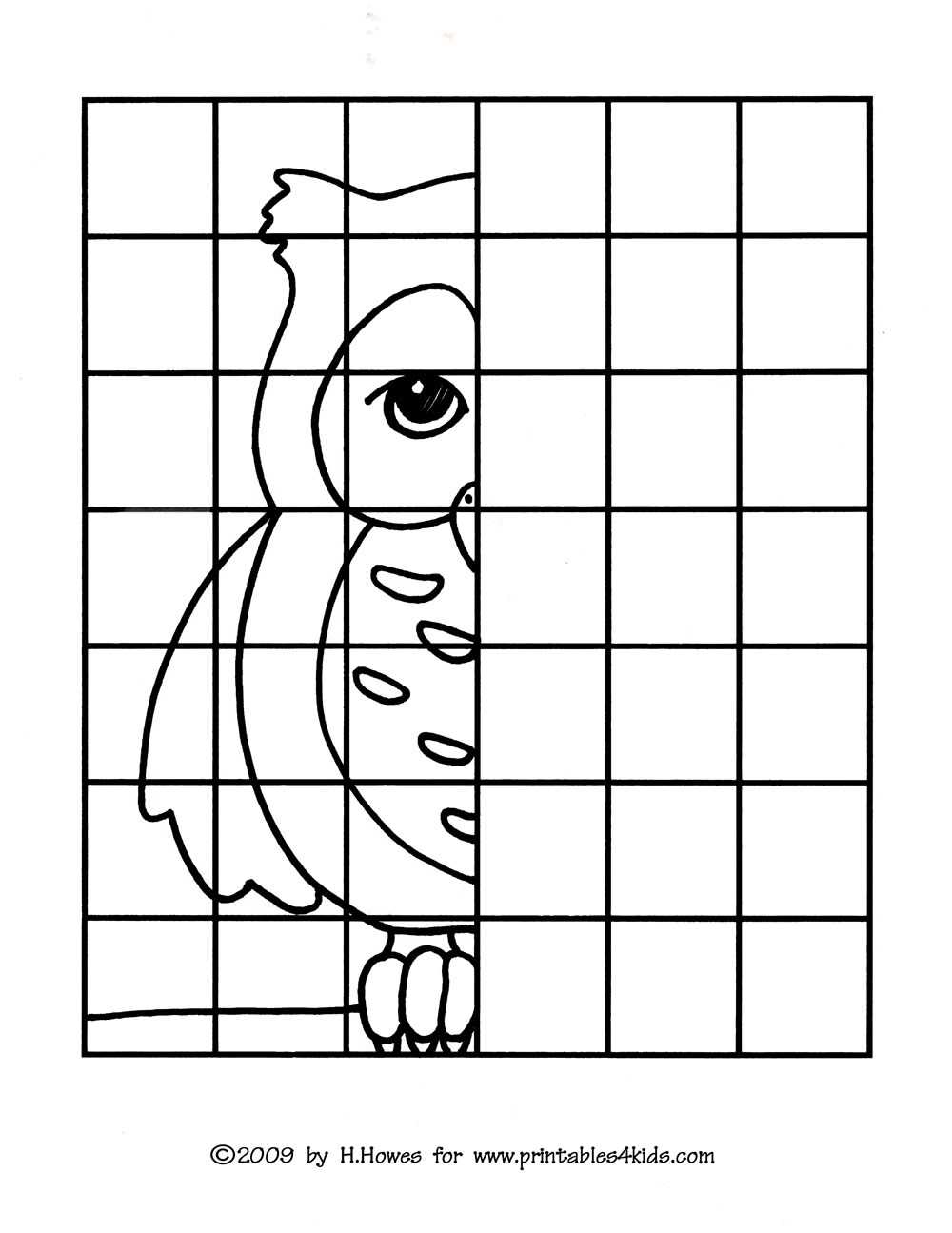
Grid drawing definition encompasses the foundational art technique of superimposing a intersecting coordinate matrix over a reference image and a blank canvas to break complex visual information into manageable, coordinate-specific segments. According to the National Art Education Association (NAEA), structured visual exercises that segment reference media foster rigorous observation habits and enhance manual dexterity in early developmental stages. This method bridges raw perception with fine-motor execution by teaching young learners to analyze lines, shapes, and tonal values square by square rather than attempting to render a complex subject all at once. Educators, therapists, and homeschoolers leverage printable Grid Drawing worksheets alongside real photo flashcards to transform intimidating artistic compositions into approachable geometry puzzles, thereby reinforcing spatial awareness, proportion estimation, and hand-eye coordination.
Visual Learning & Skill Snapshot:
- Core Focus: A systematic visual method dividing reference pictures and drawing surfaces into identical coordinate squares to build accurate spatial proportions.
- Target Skill: Spatial reasoning, visual discrimination, fine-motor proportion, and photo-based concept mastery.
- Key Recommendation: Pair high-contrast photo reference sheets with large-cell grid worksheets to minimize cognitive overload for early elementary learners.
Core Principles and Visual Learning Overview
Grid drawing definition is fundamentally rooted in cognitive psychology principles that govern how the human brain processes visual wholes versus isolated parts. When children encounter real photo visual flashcards paired with corresponding grid templates, the brain naturally transitions from global symbol recognition to analytical contour mapping. By isolating small segments within individual grid coordinates, young artists learn to measure angles, judge negative space, and plot intersecting points with precision. This structured breakdown prevents visual overwhelm, allowing developing minds to conquer complex perspective rules and proportional scaling naturally. Integrating standardized grid printables into everyday Educational Activities strengthens bilateral coordination and enhances visual-spatial working memory across diverse educational environments.
Key Specifications and Breakdown
| Age / Learning Stage | Visual Skill & Grid Ratio | Pedagogical Application & Scaffolding |
|---|---|---|
| Ages 4-5 (Early Explorers) | 2×2 or 3×3 large-cell grid | Utilize high-contrast Photo Flashcards depicting simple objects to build foundational coordinate awareness. |
| Ages 6-7 (Developing Artists) | 4×4 moderate-cell grid | Focus on line continuity, curve estimation, and symmetrical shape matching across adjacent coordinate boxes. |
| Ages 8-9 (Advanced Learners) | 6×6 or dense coordinate matrix | Incorporate complex photo subjects requiring precise tonal shading, intricate angles, and multi-step proportion scaling. |
Systematic visual division supports cognitive load reduction by decoupling complex motor execution from global shape perception. — National Art Education Association (NAEA)
Step-by-Step Practical Application and Printing Guidelines
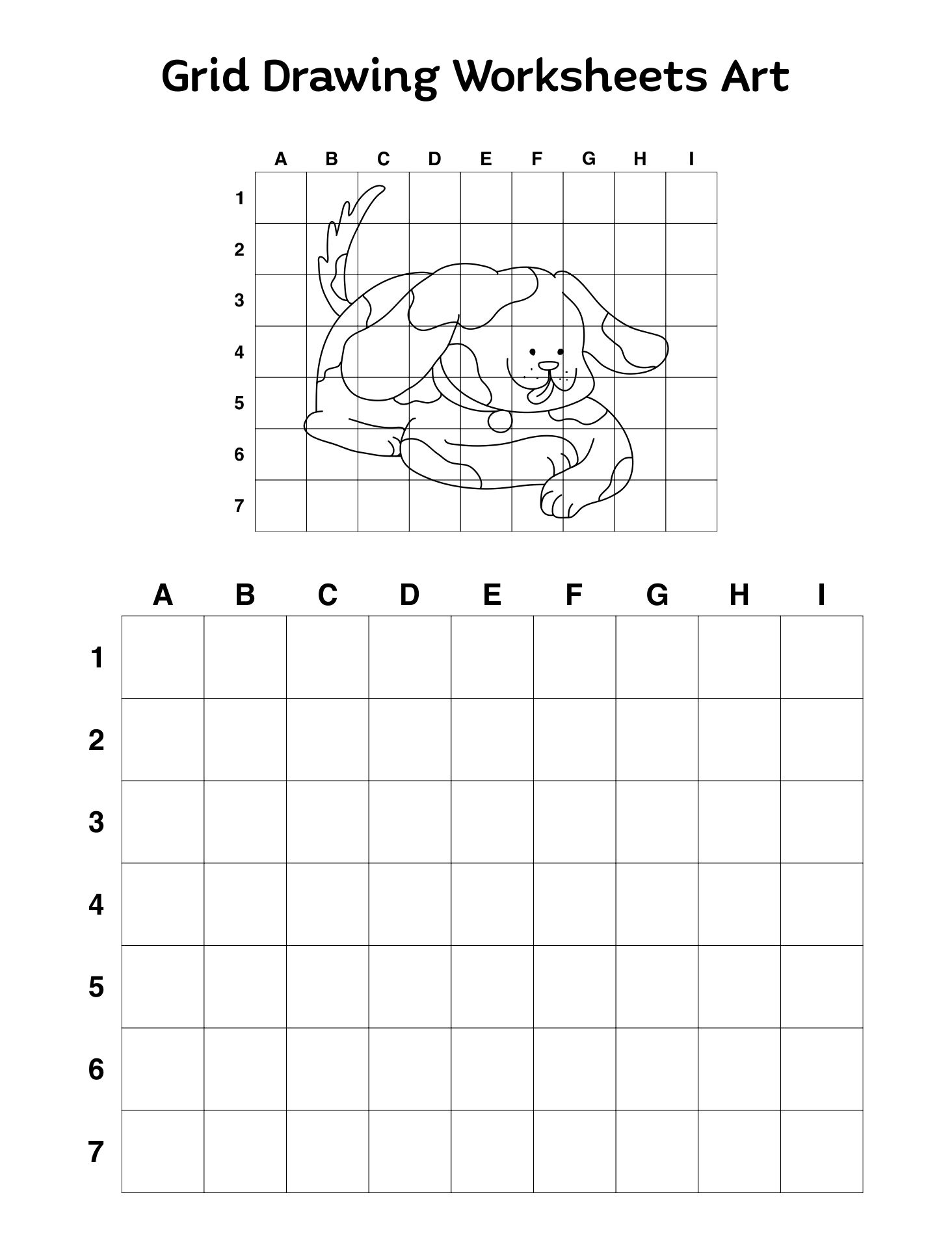
Executing structured grid lessons requires selecting clean, high-resolution printable worksheets that feature distinct alphanumeric coordinate markers along the horizontal and vertical margins. Educators should begin by printing identical grid overlays on both the reference image and the blank drawing sheet to ensure direct 1:1 scaling accuracy for beginners. Instruct learners to scan one single square at a time, locating the specific intersection points where lines cross the grid borders before sketching the internal contours. Utilizing durable cardstock for photo flashcards and grid templates prevents paper curling during heavy pencil use or eraser adjustments. Continuous guidance through verbal prompts—such as asking students to check where a line touches the top or side of a specific coordinate box—reinforces analytical observation habits.
Common Challenges and How to Avoid Them
Young learners frequently encounter hurdles such as jumping randomly across the grid, distorting proportions by misidentifying coordinate boxes, or pressing too hard with graphite pencils during initial sketching phases. Overcome these obstacles by teaching a methodical, left-to-right or top-to-bottom scanning sequence that mirrors reading patterns, ensuring every single coordinate square receives equal attention. Instructors should provide non-reproducible blue-line grids or encourage very light pencil strokes for the grid lines so that students can easily clean up their final artwork. Regular encouragement focusing on accurate line intersections rather than flawless artistic perfection keeps frustration levels low and nurtures long-term creative confidence.
💬 Frequently Asked Questions
Explore More Free Learning Printables and Visual Activities on WePhotoAgency
Empowering young learners with robust spatial and cognitive tools begins with access to premium, professionally designed educational resources. Discover an extensive library of downloadable worksheets, instructional guides, and creative visual assets by visiting WePhotoAgency.com to elevate early childhood development today.
Visual Reference Gallery