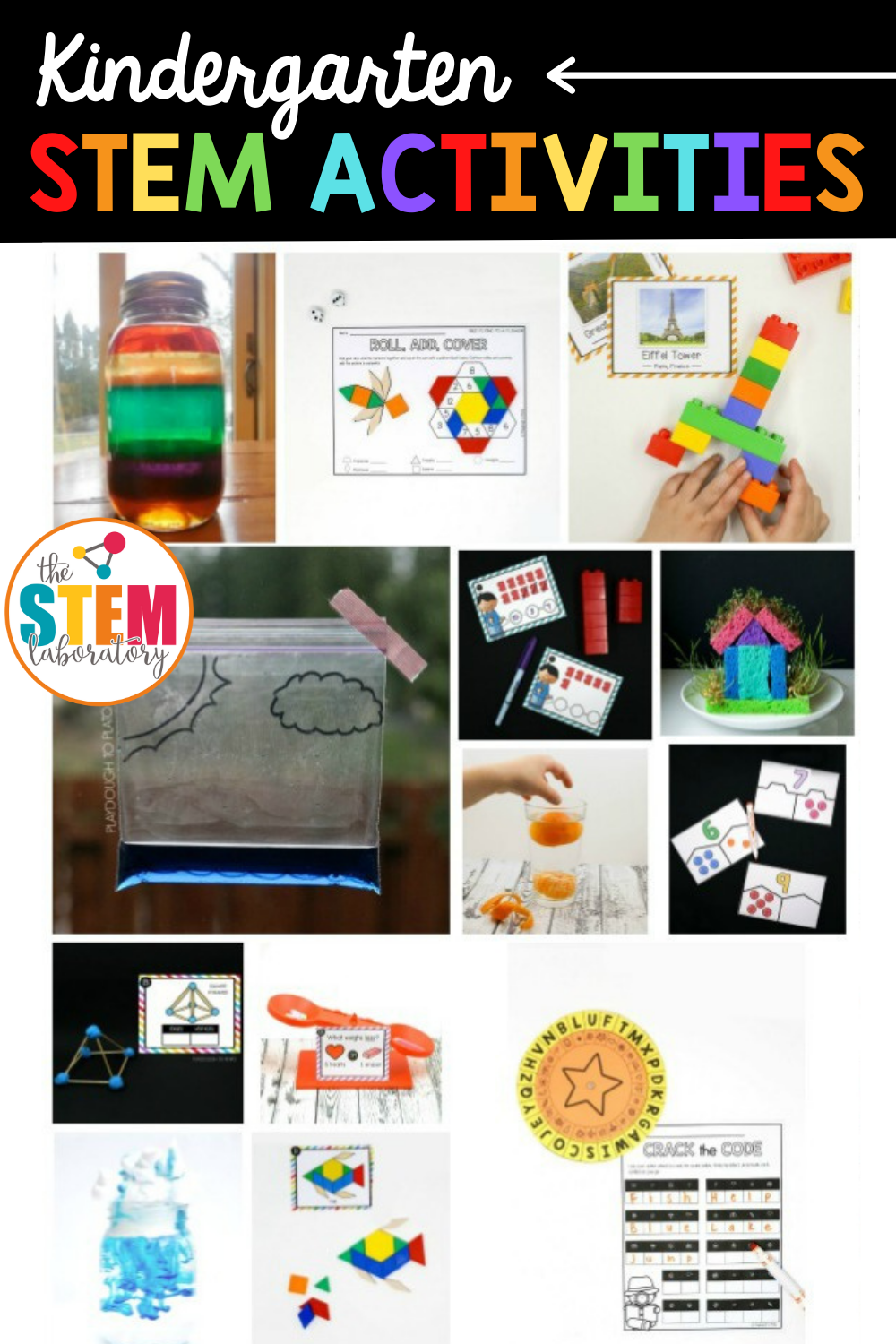
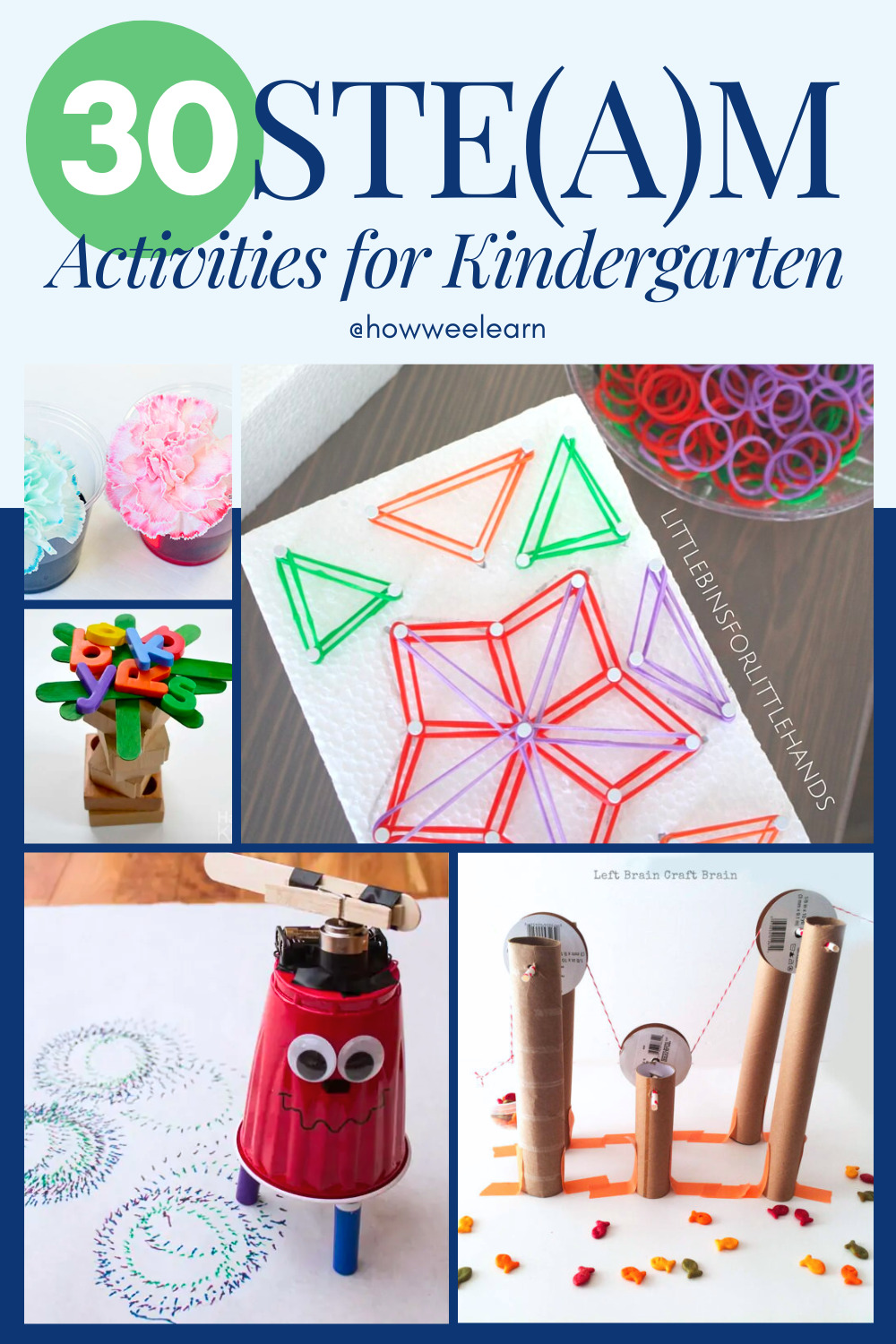
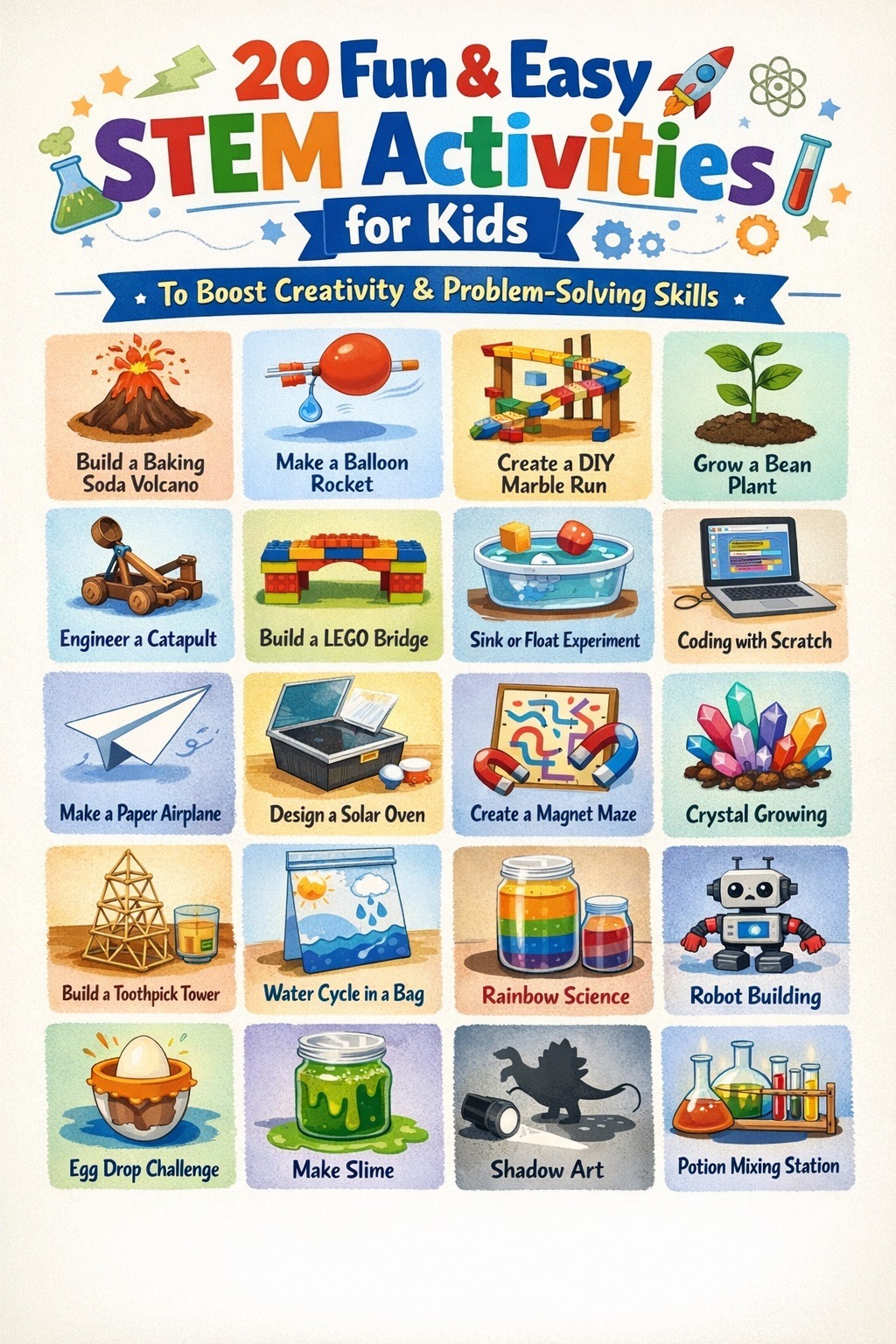
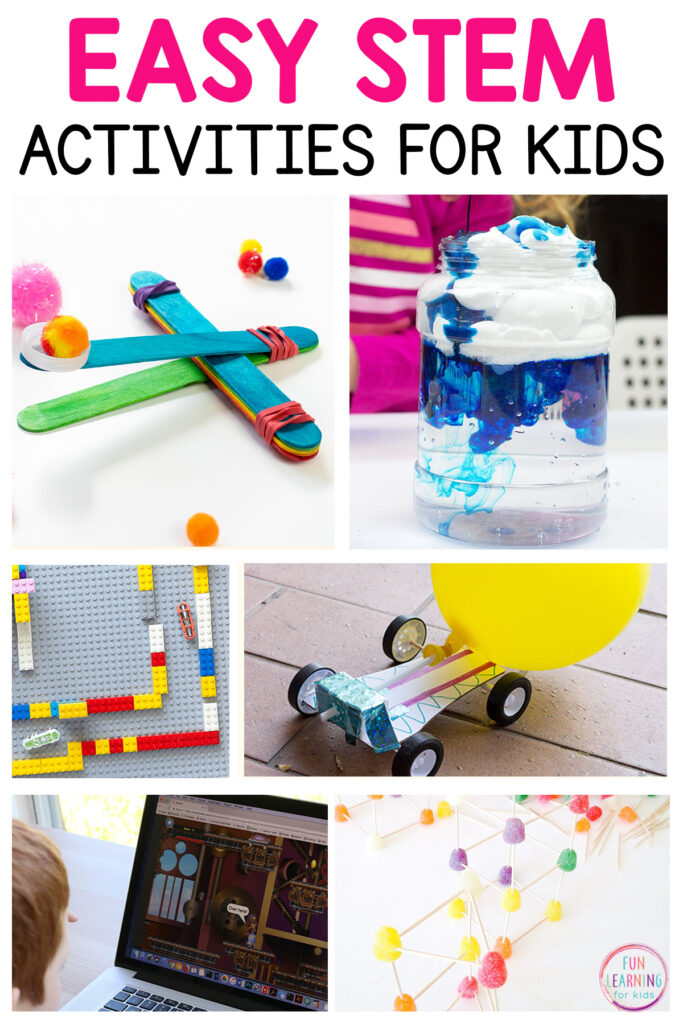
Introduction
Stem activities for kids examples integrate rigorous scientific observation, technical design, engineering principles, and mathematical proportions directly into tangible visual arts curricula. According to the National Association for the Education of Young Children (NAEYC), purposeful integration of structured visual art tasks and spatial reasoning experiences significantly accelerates early cognitive development, fine-motor precision, and mathematical fluency in children. By moving beyond traditional rote memorization, educators and parents leverage printable grid drawing worksheets and realistic photo flashcards to bridge abstract analytical thinking with concrete manual creation. These multisensory tasks demand rigorous spatial awareness, geometric coordinate tracking, and proportional analysis, forming a robust foundation for lifelong technical competence.
Visual Learning & Skill Snapshot:
- Core Focus: Concrete stem activities for kids examples using coordinate grids, photographic reference materials, and mathematical proportion mapping.
- Target Skill: Spatial reasoning, visual discrimination, fine-motor proportion, and photo-based concept mastery.
- Key Recommendation: Pair photographic reference cards with scaled coordinate grids to cultivate exact observational habits before freehand sketching begins.
Core Principles and Visual Learning Overview
Stem activities for kids examples establish critical neural pathways by requiring learners to translate two-dimensional photographic data into precise mathematical coordinates through structured Grid Drawing exercises. This cognitive process bridges artistic representation with analytical engineering by training the human eye to isolate individual shapes, negative spaces, and intersecting lines within a restricted Cartesian framework. Children stop relying on generalized symbolic representations of objects—such as drawing a cartoon house or generic flower—and begin observing actual height-to-width ratios, angular shifts, and spatial distribution. Integrating tactile Photo Flashcards into these daily sessions strengthens working memory, visual vocabulary, and category discrimination, allowing young learners to manipulate concrete visual evidence while constructing abstract scientific models.
Key Specifications and Breakdown
| Age / Learning Stage | Visual Skill & Grid Ratio | Pedagogical Application & Scaffolding |
|---|---|---|
| Ages 4-5 (Early Learners) | 2×2 or 3×3 simple square grid | Utilize high-contrast photographic cards of familiar objects to build baseline visual discrimination and gross proportion mapping. |
| Ages 6-8 (Early Elementary) | 4×4 to 6×6 intermediate coordinate matrix | Incorporate complex nature specimens and architectural photographs to teach angle estimation, symmetry, and scale factor transformation. |
| Ages 9-12 (Advanced Primary) | 8×8 or higher high-density grid | Execute detailed technical renderings from real photo references, emphasizing minute textural observations, geometric reduction, and perspective. |
Structured visual art tasks and geometric grid scaling actively reinforce hemispheric integration, spatial working memory, and proportional reasoning capabilities across early childhood development. — National Association for the Education of Young Children (NAEYC)
Step-by-Step Practical Application and Printing Guidelines
Effective execution of stem activities for kids examples requires high-contrast, distortion-free physical printouts paired with clean organizational habits that eliminate cognitive overload. Educators and homeschoolers begin by printing reference sheets on heavy cardstock to prevent curling, ensuring that grid lines remain mathematically uniform across all intersecting axes. Children select a target photograph, isolate a single quadrant of the coordinate grid using a masking window or L-shaped cardboard viewfinder, and replicate only the isolated geometric data within the corresponding drawing square. This methodical, segment-by-segment approach teaches young learners how to break down overwhelmingly complex visual stimuli into manageable engineering sub-tasks, supporting systematic problem-solving habits that transfer directly into advanced mathematics, coding, and mechanical design.
Common Challenges and How to Avoid Them
Frustration during visual proportion tasks typically stems from attempting complex whole-object rendering before mastering individual coordinate intersection points. To mitigate this barrier, adults should encourage children to cover adjacent grid squares with a blank index card, isolating the specific coordinate intersection currently under analysis to prevent visual crowding. Furthermore, when learners struggle with scale transfer, educators can provide pre-measured geometric templates from verified Educational Activities portfolios to establish correct visual baselines before independent drafting commences.
💬 Frequently Asked Questions
Explore More Free Learning Printables and Visual Activities on WePhotoAgency
Accessing high-quality, educator-approved visual resources transforms standard lesson plans into engaging, cross-curricular engineering and art experiences that captivate young learners. Explore the complete library of pedagogical printables, coordinate exercises, and visual tools available directly at WePhotoAgency.com to elevate daily instruction and foster lasting cognitive growth.
Visual Reference Gallery