Introduction
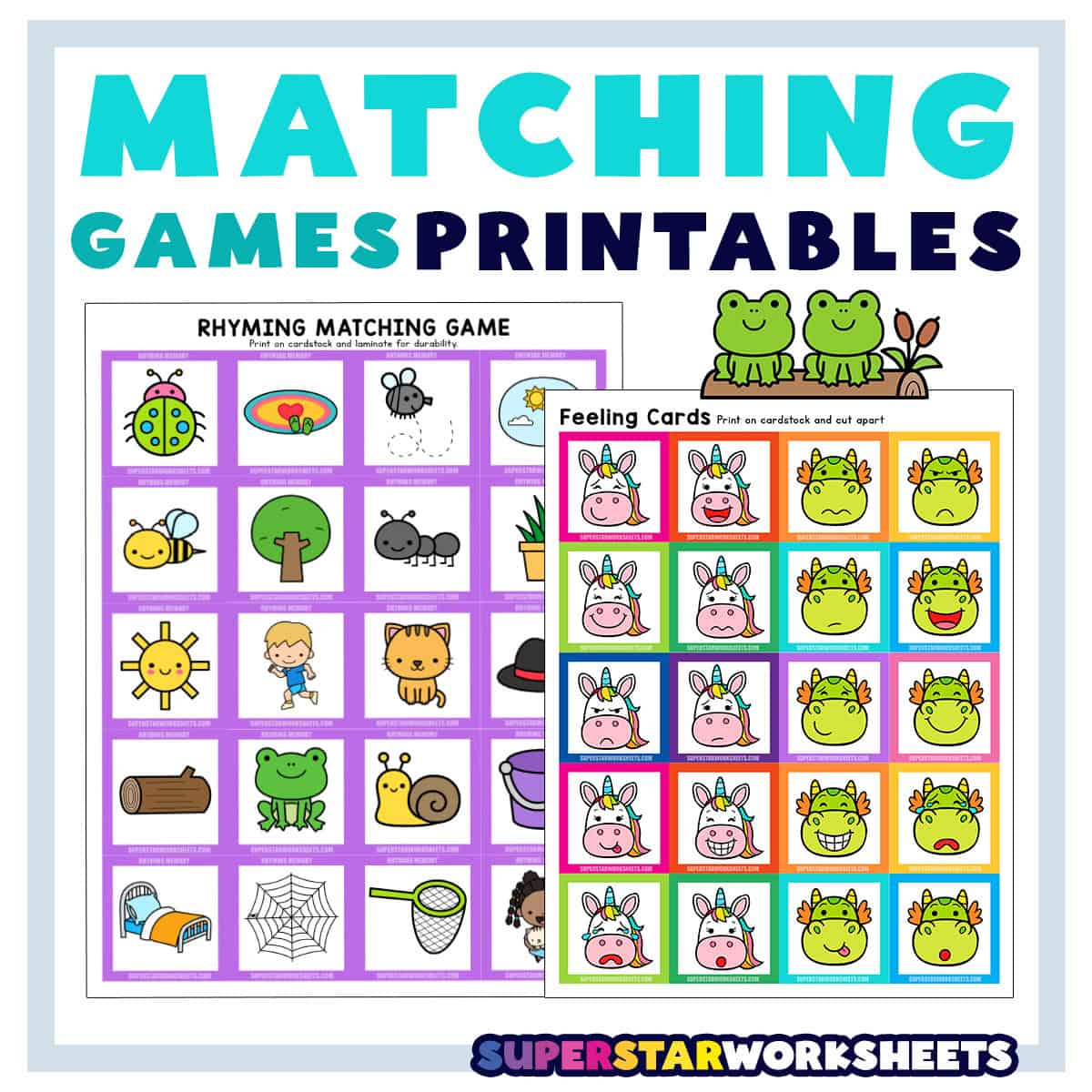
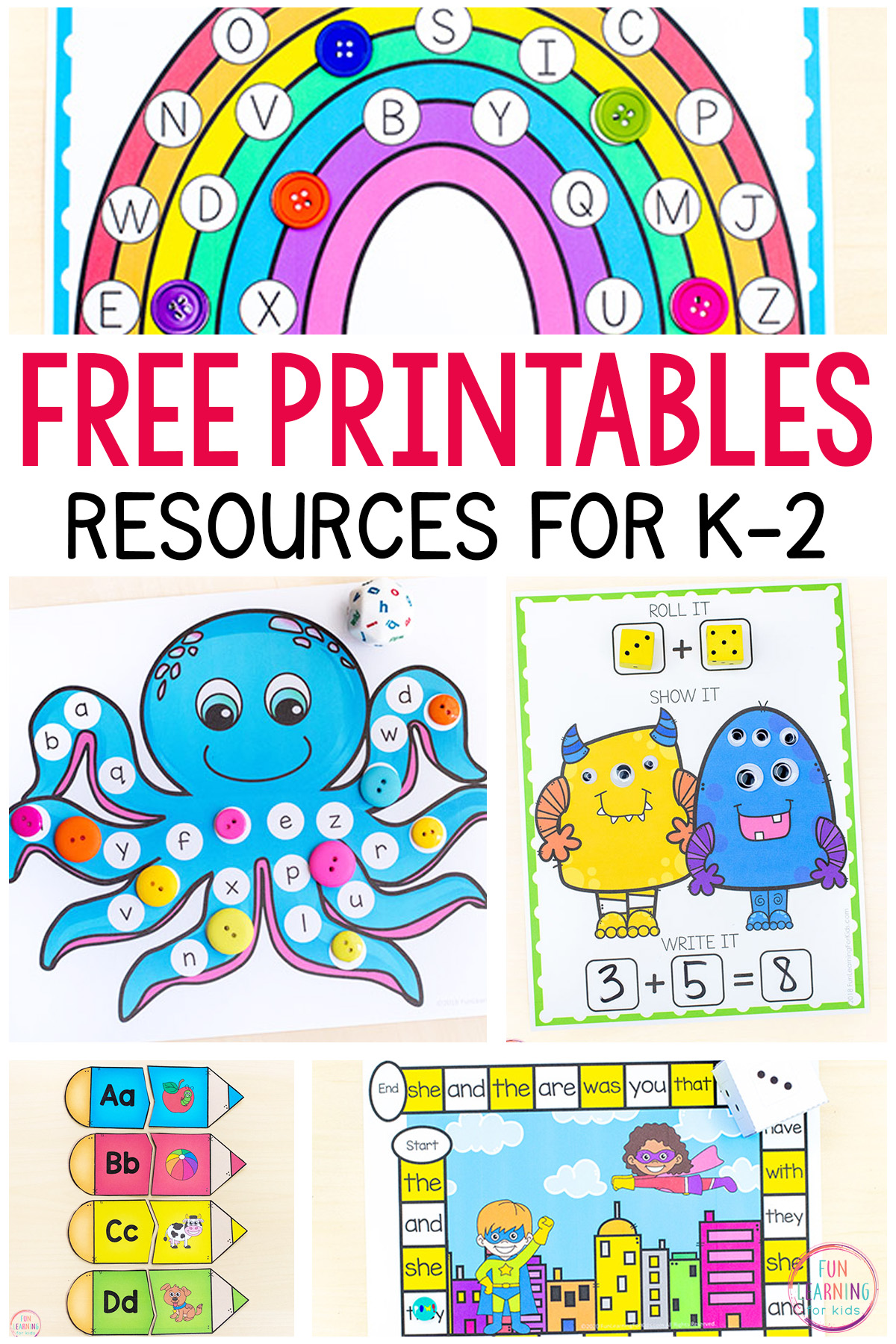
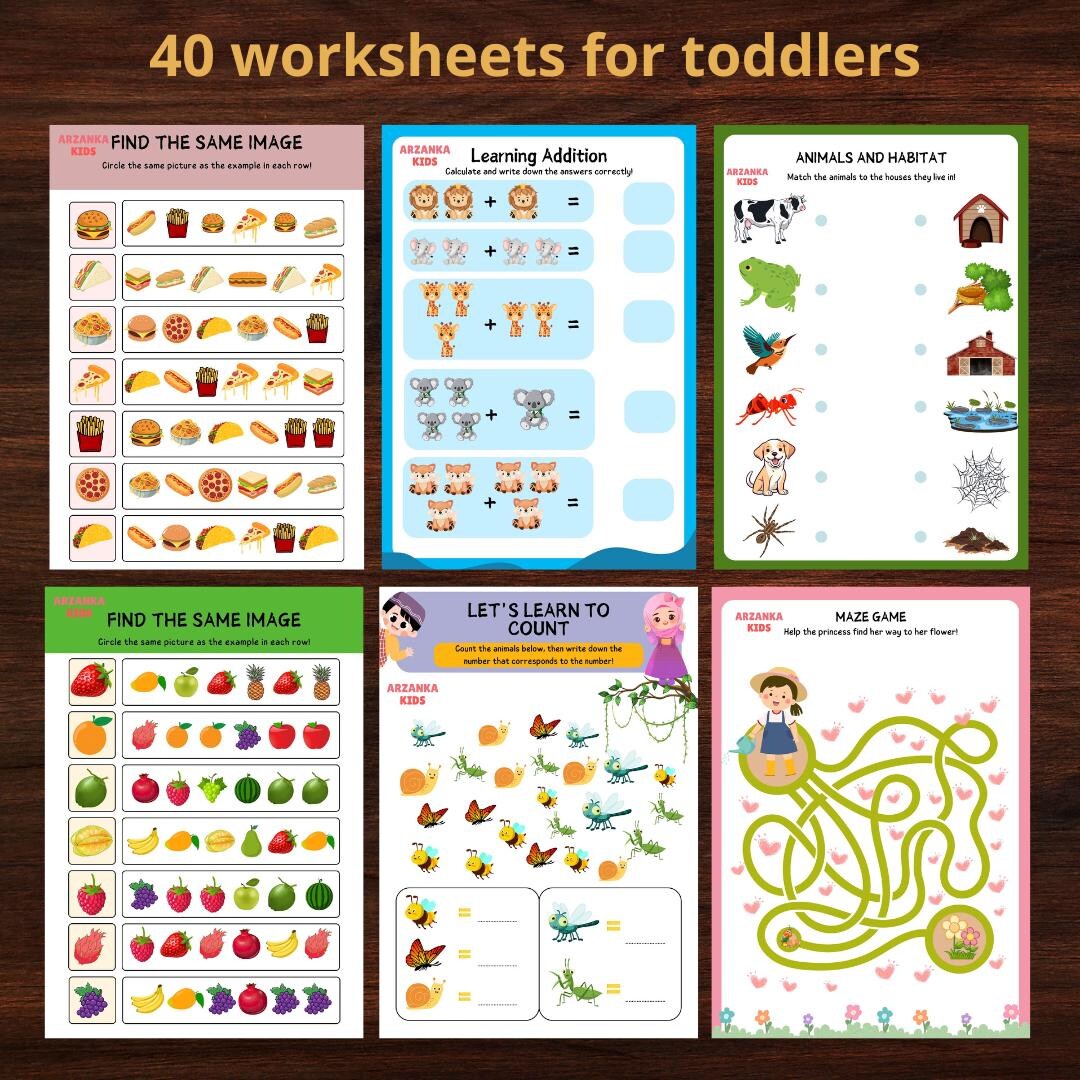
Printable educational games for kids systematically build foundational visual processing, cognitive proportion estimation, and fine-motor coordination through structured paper-based activities. According to the National Association for the Education of Young Children (NAEYC), intentionally designed manipulative and visual learning materials actively foster critical thinking, spatial awareness, and early academic readiness in young learners. Integrating structured resources such as Grid Drawing exercises and Photo Flashcards provides educators and parents with accessible tools to support cognitive growth. These hands-on printables convert abstract concepts into concrete observational tasks, bridging the gap between artistic exploration and early childhood academic development.
Visual Learning & Skill Snapshot:
- Core Focus: Printable educational games for kids targeting visual discrimination and spatial cognition.
- Target Skill: Spatial reasoning, visual discrimination, fine-motor proportion, or photo-based concept mastery.
- Key Recommendation: Implement low-ink grayscale or high-contrast color settings to optimize child concentration during visual tasks.
Core Principles and Visual Learning Overview
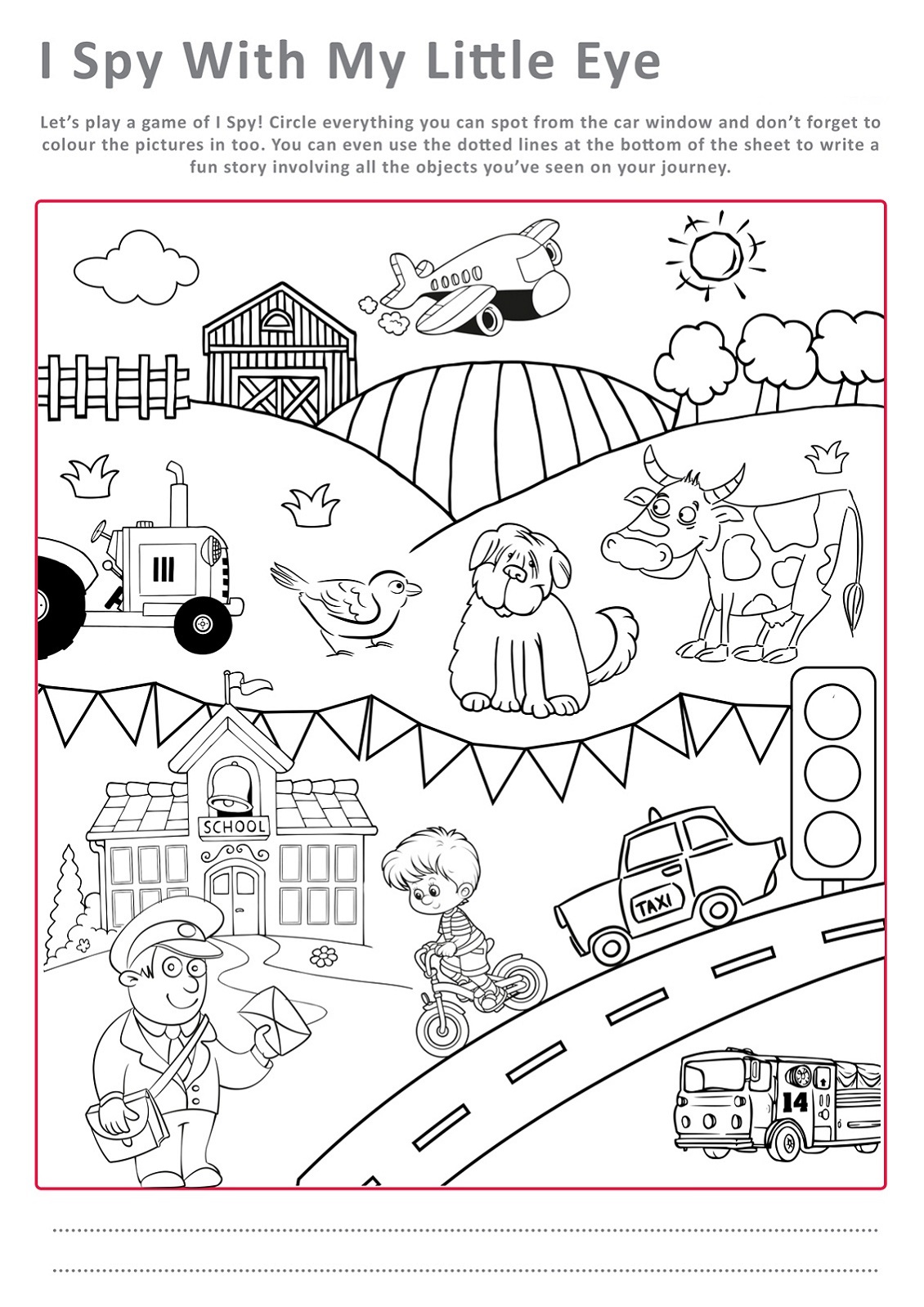
Printable educational games for kids utilize structured visual frameworks to translate complex spatial data into manageable chunks for young minds. Utilizing real-world photographic stimuli alongside geometric coordinate networks trains the brain to isolate lines, shapes, and negative spaces systematically. This approach aligns directly with broader Educational Activities designed to improve hand-eye coordination and observational accuracy. By breaking an image down square by square or matching high-resolution visual cues, children develop patience, attention to detail, and a robust understanding of proportion without experiencing cognitive overload.
Key Specifications and Breakdown
| Age / Learning Stage | Visual Skill & Grid Ratio | Pedagogical Application & Scaffolding |
|---|---|---|
| Ages 3–4 (Early Years) | 2×2 Grid / High-Contrast Photo Cards | Focuses on basic shape recognition, color matching, and gross motor alignment using oversized real-photo cues. |
| Ages 5–7 (Early Elementary) | 4×4 Grid / Standard Proportion Mapping | Builds analytical breaking down of lines, coordinate tracking, and fine-motor pencil control. |
| Ages 8+ (Advanced Practice) | 6×6+ Grid / Complex Photographic Realism | Enhances proportional estimation, shading discipline, and independent visual error-checking. |
Visual-spatial training through structured grid frameworks measurably accelerates geometric comprehension and fine-motor precision in early childhood development. — National Art Education Association (NAEA)
Step-by-Step Practical Application and Printing Guidelines
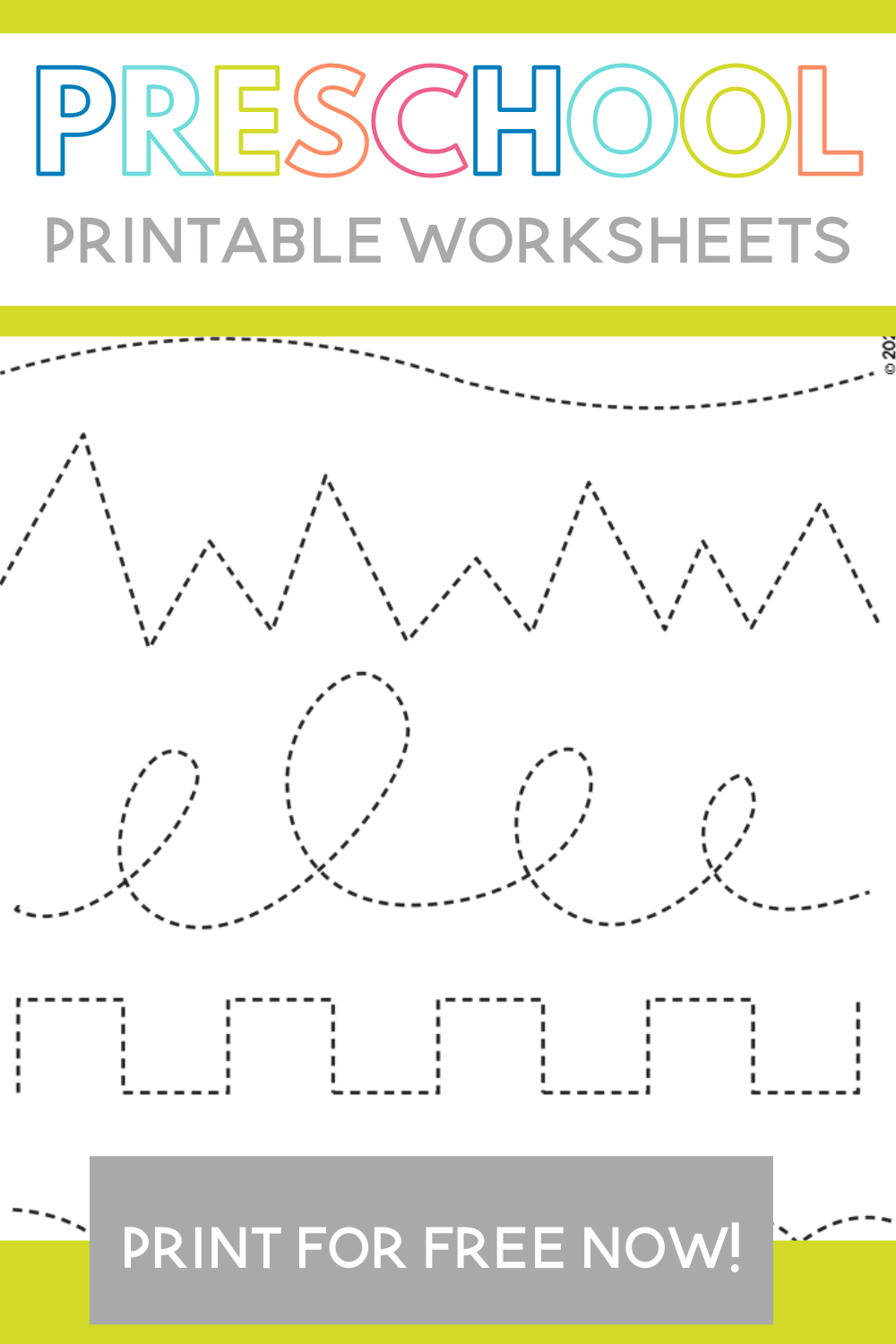
Executing printable educational games for kids effectively requires durable cardstock paper, clear laminating sheets for reusability, and distraction-free workspace organization. Educators should begin by printing worksheets at 100% scale to prevent distortion of grid ratios, ensuring that squares remain perfectly uniform for accurate proportion estimation. Laminating flashcards and grid master sheets allows children to practice repeatedly with dry-erase markers, encouraging low-stakes trial and error. Adults should guide the initial observation phase by encouraging young learners to point out specific intersecting lines or notable photographic details before putting pencil to paper.
Common Challenges and How to Avoid Them
Frustration during visual games usually stems from starting with overly dense grids or complex photographic details that exceed the child’s current developmental stage. Preventing this hurdle involves scaffolding the activity by first offering simple two-by-two coordinate sheets before advancing to multi-square geometric reproductions. When learners rush through observation steps, adults can introduce a cardboard viewfinder window to help isolate individual grid squares and maintain focused attention. Maintaining a supportive, process-oriented environment ensures that children view visual puzzles as engaging challenges rather than high-pressure tests.
💬 Frequently Asked Questions
Explore More Free Learning Printables and Visual Activities on WePhotoAgency
Discovering additional ways to support child development becomes effortless when utilizing curated, high-resolution learning resources. Visit WePhotoAgency.com to access a growing repository of expert-designed visual printables, engaging classroom exercises, and creative developmental tools built for modern educators, homeschoolers, and parents.
Visual Reference Gallery