Introduction
Fun educational worksheets for kids accelerate cognitive development by combining structured visual problem-solving with artistic tactile practice. According to the National Association for the Education of Young Children (NAEYC), purposeful play and structured visual-spatial activities lay the foundational architecture for complex mathematical reasoning and observational mastery in early childhood. Utilizing Grid Drawing exercises and Photo Flashcards bridges abstract academic concepts with concrete visual literacy.
Visual Learning & Skill Snapshot:
- Core Focus: Fun educational worksheets for kids combining grid proportion scaling and real photo recognition.
- Target Skill: Spatial reasoning, visual discrimination, fine-motor proportion, and photographic observation.
- Key Recommendation: Implement scaffolded square ratios before moving children to freehand perspective drawing.
Core Principles and Visual Learning Overview
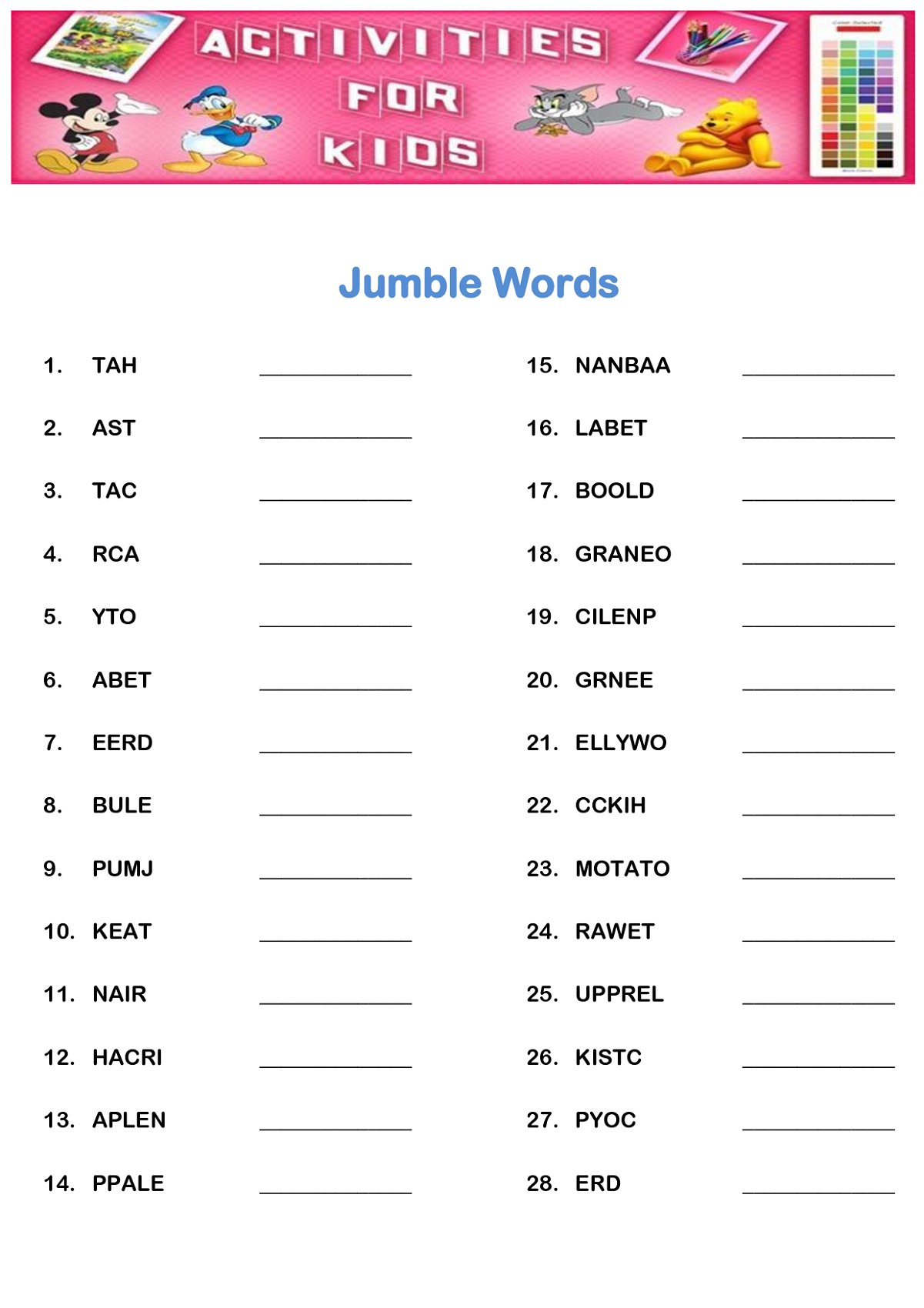
Structured visual learning systems build neurological pathways necessary for accurate spatial mapping, size estimation, and detailed object discrimination. When young learners engage with meticulously designed printables like Educational Activities, the brain actively breaks down complex visual fields into manageable coordinate sections. This targeted compartmentalization prevents cognitive overload, allowing children to master proportion, symmetry, and visual accuracy naturally without frustration.
Key Specifications and Breakdown
| Age / Learning Stage | Visual Skill & Grid Ratio | Pedagogical Application & Scaffolding |
|---|---|---|
| Ages 4-5 (Early Years) | 2×2 Large Photo Grid | Focuses on basic contour tracing, color matching, and macro-shape identification. |
| Ages 6-8 (Early Elementary) | 4×4 Medium Coordinate Matrix | Develops line precision, spatial proportion estimation, and object continuity. |
| Ages 9-11 (Upper Elementary) | 8×8 Advanced Perspective Scale | Refines complex angle calculation, photographic detail replication, and shading. |
Structured visual activities directly stimulate parietal lobe development, enhancing spatial attention, coordinate mapping, and sensorimotor integration during formative years. — National Art Education Association (NAEA)
Step-by-Step Practical Application and Printing Guidelines
Executing effective visual lessons requires high-contrast print resolution, heavy cardstock paper, and clear step-by-step adult guidance. Educators should begin by presenting a real photographic reference alongside a blank corresponding grid matrix, encouraging the child to observe one single grid square at a time before drawing lines. Using blunt-tipped graphite pencils and kneaded erasers ensures that early learners can adjust proportions comfortably without tearing the fibrous printable surface.
Common Challenges and How to Avoid Them
Over-complicated grid densities and poor-resolution photo prints frequently cause cognitive fatigue and premature frustration in young learners. To prevent these hurdles, instructors must scale grid complexity gradually, starting with simple geometric shapes before transitioning to complex organic photography. Providing physical framing tools, such as cardboard L-shaped masking cards, helps children isolate individual grid sectors and maintain intense visual focus.
💬 Frequently Asked Questions
Explore More Free Learning Printables and Visual Activities on WePhotoAgency
Unlocking a child’s full creative and cognitive potential requires access to diverse, high-quality, and expertly designed printables built for modern classrooms and homeschool environments. Discover a comprehensive collection of developmental print resources by exploring the main hub at WePhotoAgency.com to elevate daily visual arts curricula.
Visual Reference Gallery