Introduction
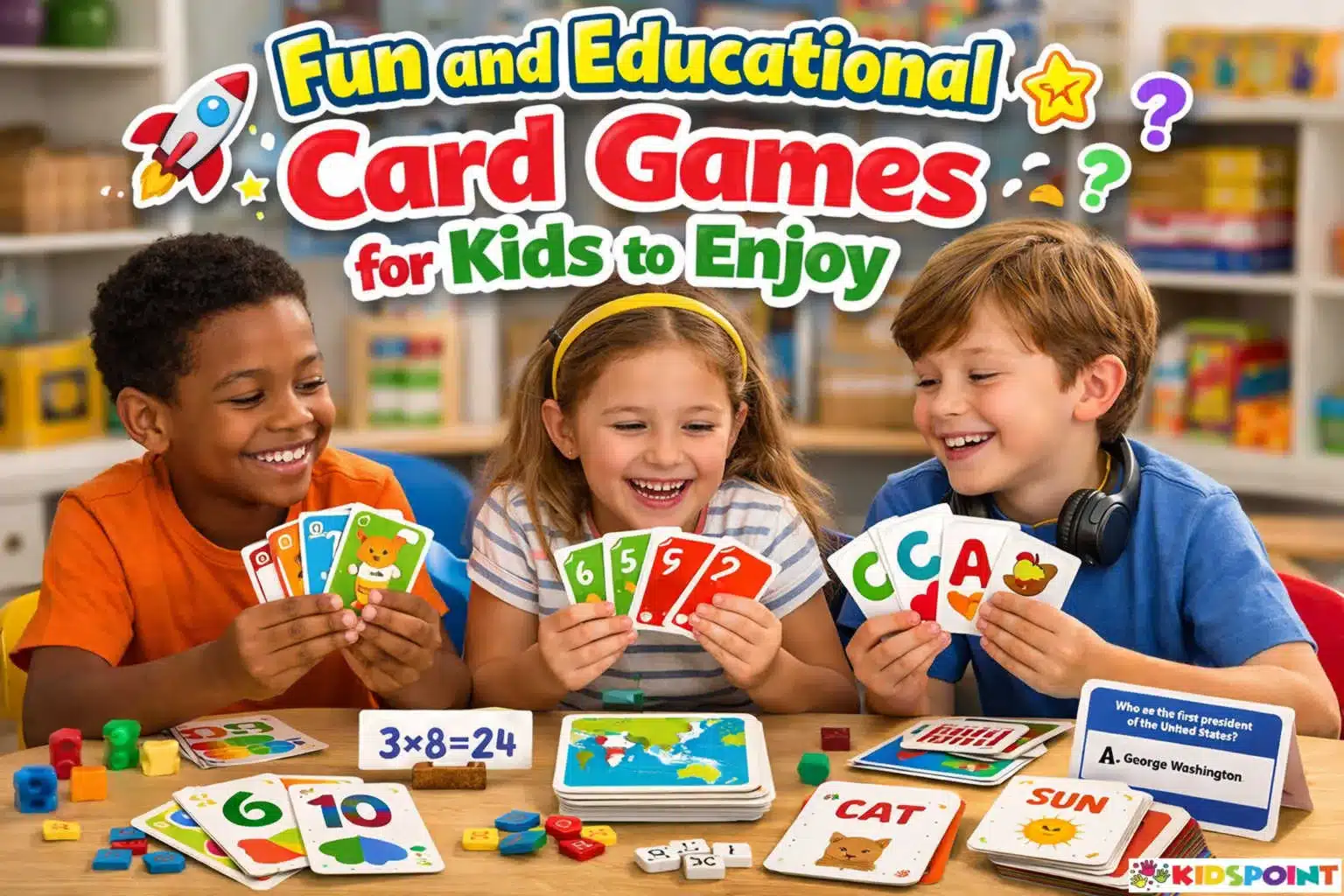
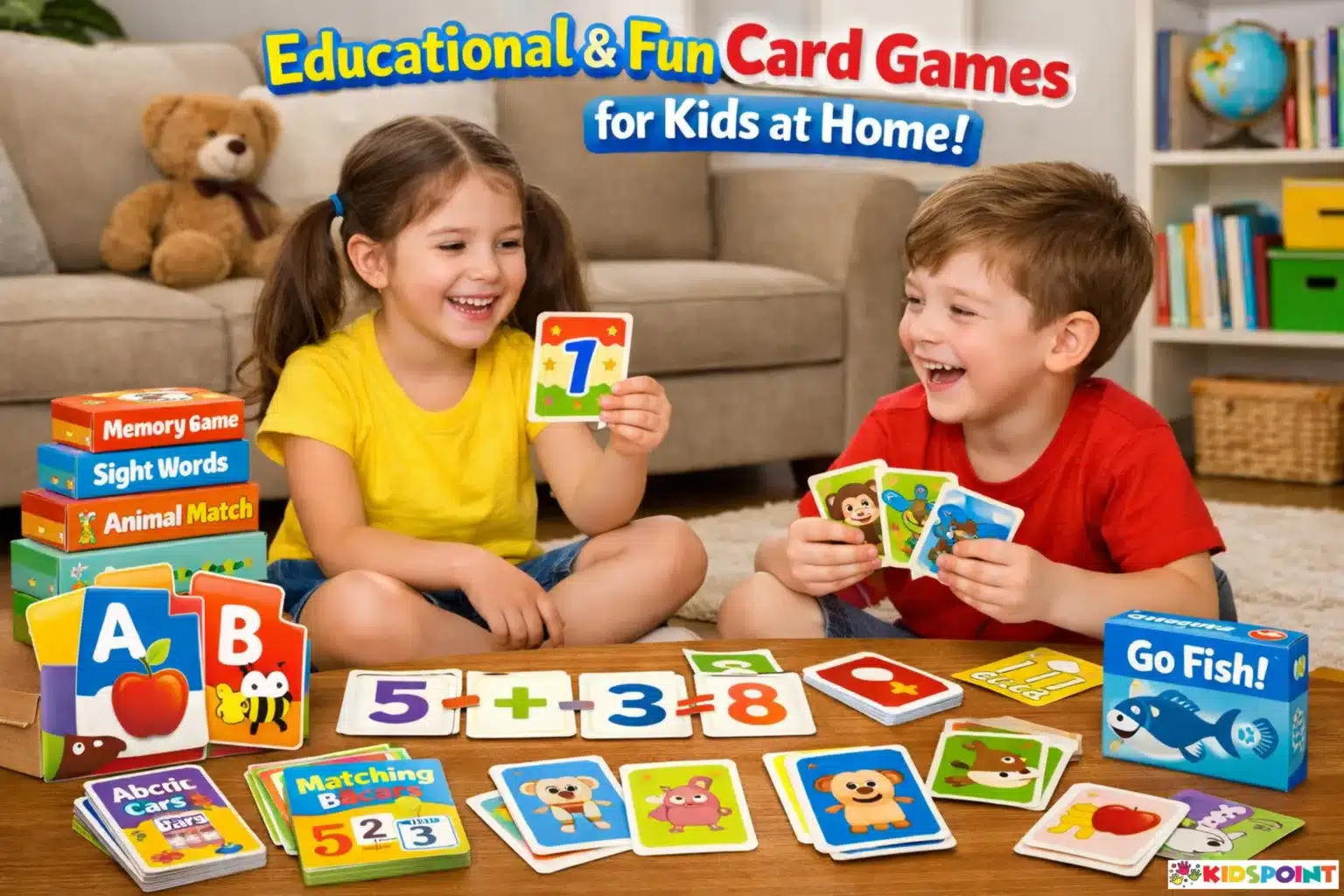
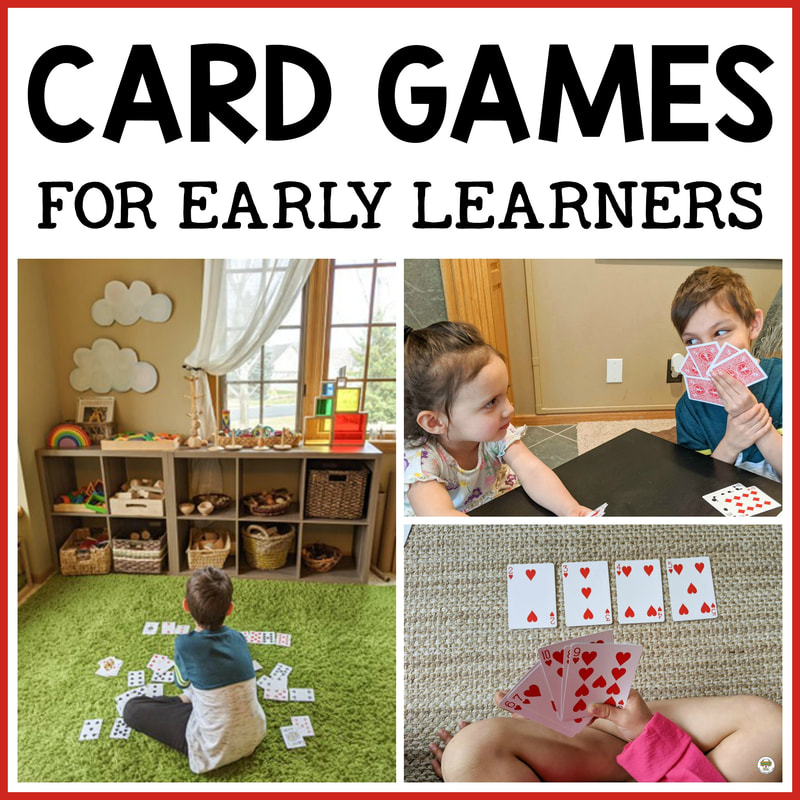
Fun educational card games for kids provide structured, multisensory visual learning experiences that significantly enhance spatial awareness, fine-motor proportion estimation, and cognitive discrimination. According to the National Association for the Education of Young Children (NAEYC), active visual manipulation and structured play materials directly support early childhood neurological development and foundational literacy acquisition. Integrating tangible Photo Flashcards and printable Grid Drawing exercises allows early elementary educators and homeschoolers to bridge abstract art concepts with concrete observational practice. These resources transform standard learning routines into interactive challenges that cultivate sustained attention, hand-eye coordination, and accurate spatial scaling.
Visual Learning & Skill Snapshot:
- Core Focus: Fun educational card games for kids using real photographic references and grid-based visual scaling.
- Target Skill: Spatial reasoning, visual discrimination, fine-motor proportion, and photo-based concept mastery.
- Key Recommendation: Pair high-contrast photo cards with proportional grid frames to scaffold drawing accuracy and observation skills.
Core Principles and Visual Learning Overview
Spatial reasoning develops most effectively when children translate real-world visual data from realistic photographs into structured grid coordinates. Fun educational card games for kids leverage the power of visual flashcards to train the brain in rapid pattern recognition and detailed observation. By isolating specific visual elements through structured Educational Activities, children learn to break complex images down into manageable geometric components. This systematic breakdown reduces cognitive overload, allowing young artists and students to master proportion estimation without experiencing frustration during independent practice.
Key Specifications and Breakdown
| Age / Learning Stage | Visual Skill & Grid Ratio | Pedagogical Application & Scaffolding |
|---|---|---|
| Ages 3-4 (Early Explorer) | 2×2 Grid with Photo Flashcards | Focuses on basic shape matching, color recognition, and gross spatial orientation using high-contrast images. |
| Ages 5-7 (Developing Artist) | 3×3 Grid Drawing Worksheets | Teaches coordinate mapping, direct observation, and line-to-line proportion estimation with real photo subjects. |
| Ages 8-10 (Advanced Observer) | 4×4 or Complex Grid Scaling | Enhances fine-motor precision, negative space analysis, and intricate detail replication using multi-object cards. |
Cognitive scaffolding through visual cards and grid systems optimizes visual-spatial working memory by breaking complex holistic processing into sequential coordinate-based steps. — National Art Education Association (NAEA)
Step-by-Step Practical Application and Printing Guidelines
Implementing printable card games and visual worksheets requires durable cardstock printing and clear organizational methods to maximize long-term classroom utility. Educators should print photo-based materials on heavy matte cardstock to prevent glare and ensure longevity during frequent handling by young children. Laminating individual game cards and grid sheets allows students to use dry-erase markers for repeated practice sessions, promoting low-stress experimentation. Store completed decks and corresponding worksheet templates in transparent pouches categorized by skill level to facilitate quick transitions during art centers or homeschool learning blocks.
Common Challenges and How to Avoid Them
Young learners frequently rush through proportion estimation or become overwhelmed when attempting to replicate complex photographic details without adequate visual scaffolding. To prevent frustration, instructors should guide children to cover unused grid squares with a blank paper mask, forcing the eye to focus exclusively on one coordinate at a time. If a child struggles with drawing accuracy, temporarily scale down the complexity by substituting multi-object photo cards with single-subject high-contrast cards. Consistent, short-duration practice yields superior cognitive gains compared to sporadic, lengthy drawing sessions.
💬 Frequently Asked Questions
Explore More Free Learning Printables and Visual Activities on WePhotoAgency
Discover an extensive collection of professional resources, visual flashcards, and step-by-step drawing templates designed to elevate early childhood education by visiting WePhotoAgency.com. Access regularly updated educational printables built to foster creativity, critical thinking, and advanced spatial reasoning in young learners.
Visual Reference Gallery