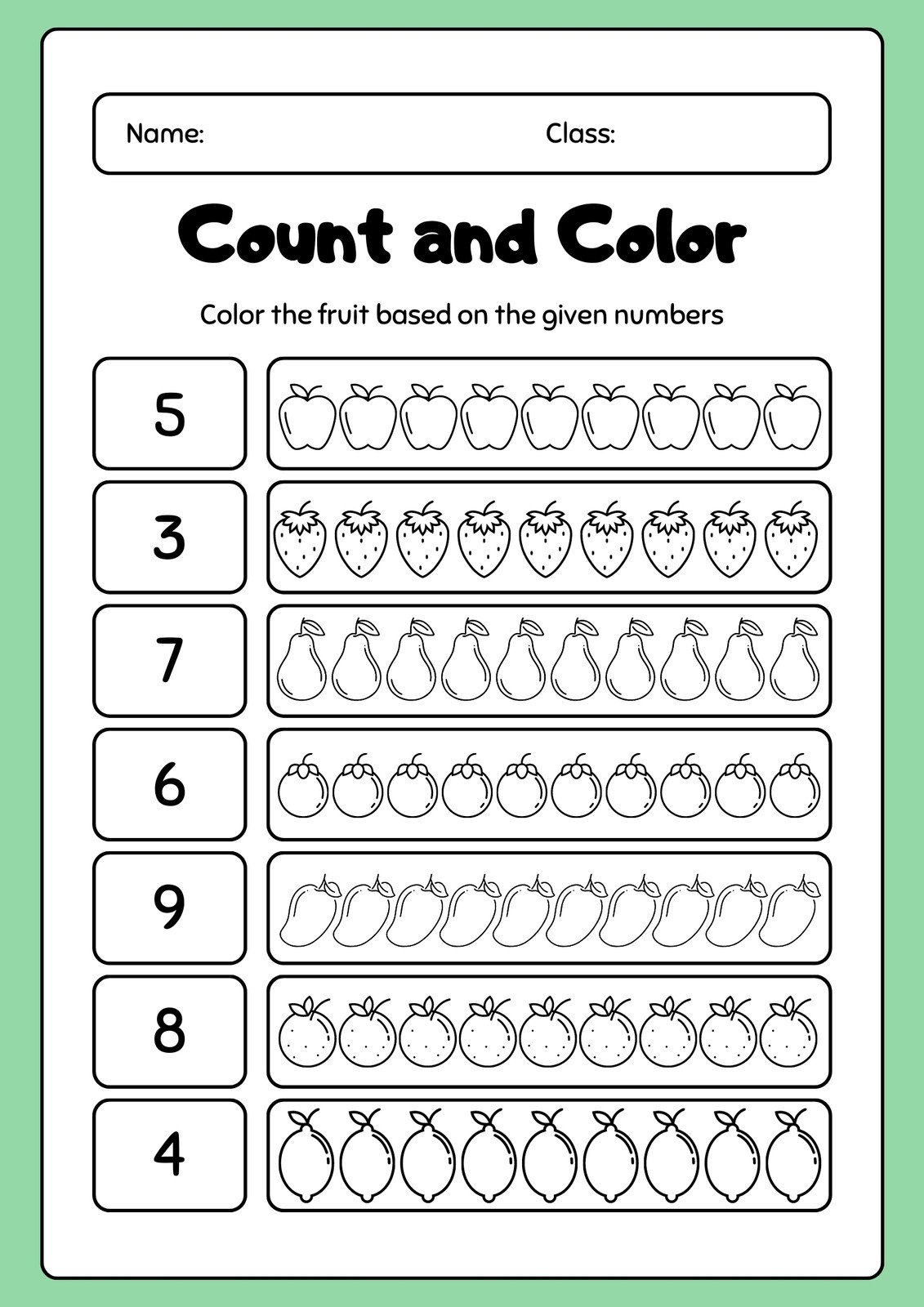
Introduction
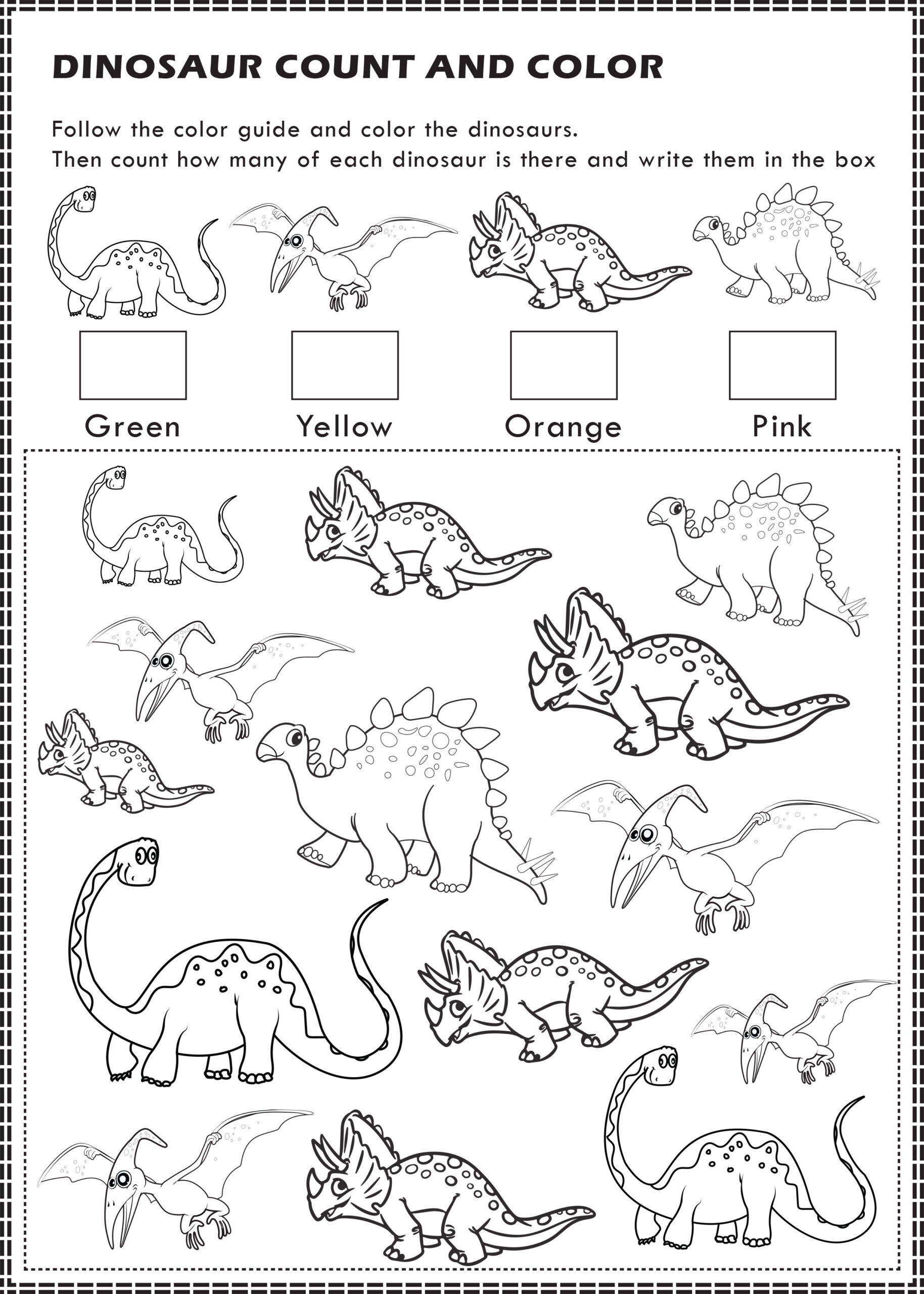
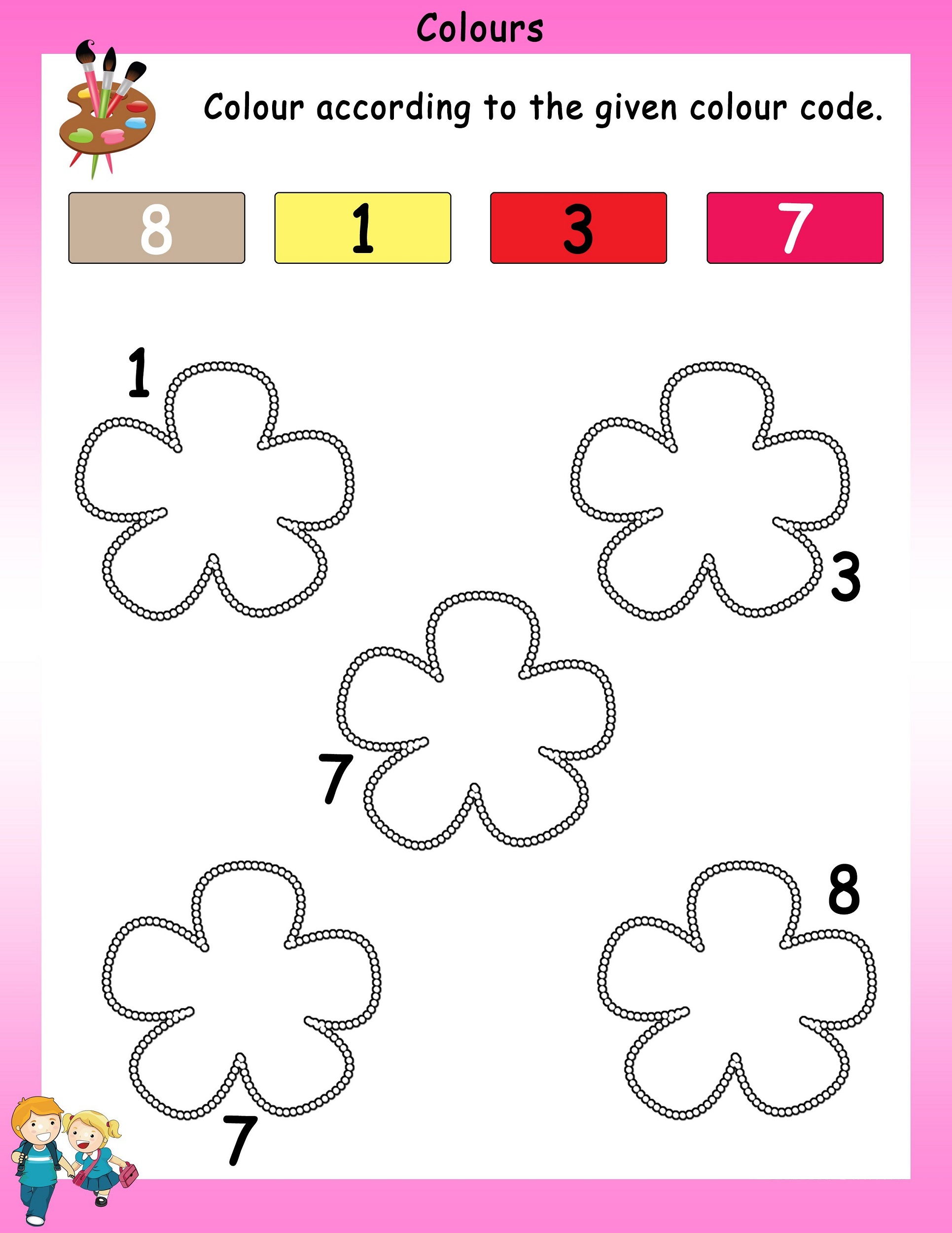
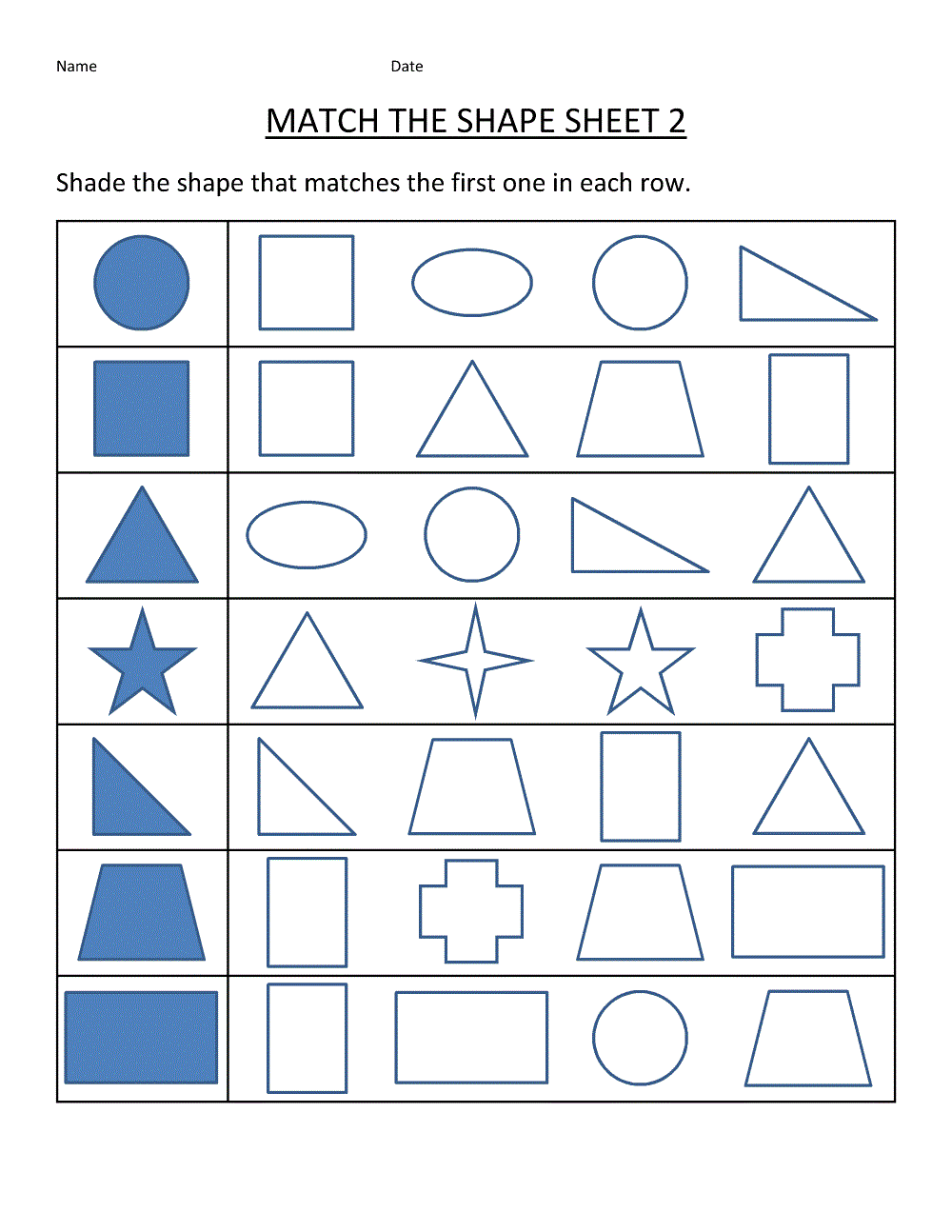
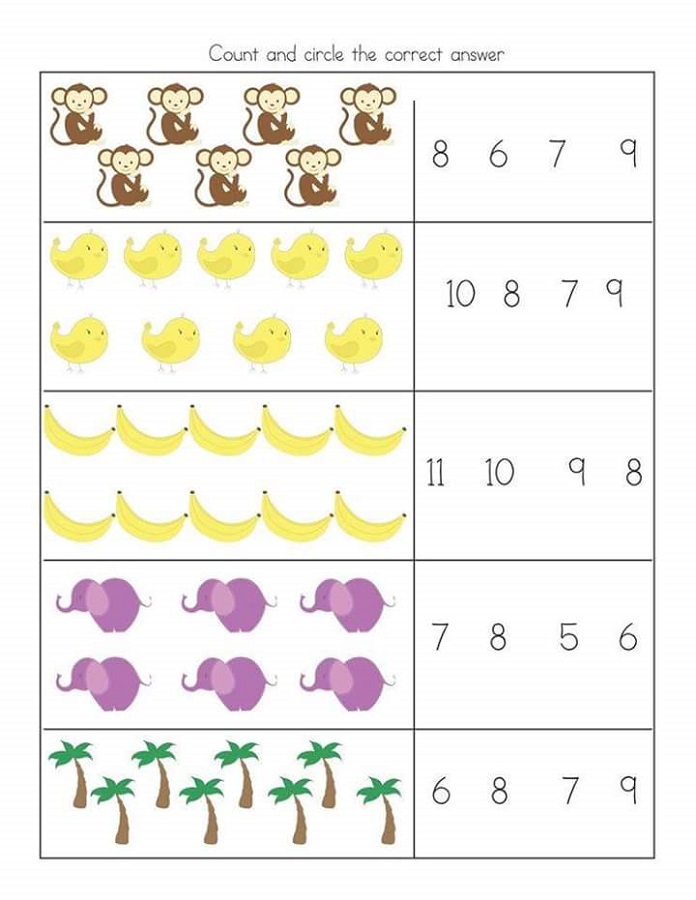
Educational activities for nursery kids encompass structured visual and tactile exercises designed to build foundational spatial awareness, proportion estimation, and fine-motor control through early childhood developmental frameworks. According to the National Association for the Education of Young Children (NAEYC), purposeful play and guided visual observation during the nursery stage significantly enhance cognitive mapping and pre-writing competencies. Utilizing structured materials such as printable grid drawing worksheets and realistic photographic prompts bridges the gap between abstract thinking and concrete observation. Educators and caregivers seeking to optimize early childhood curricula can explore specialized resources available within curated collections of Educational Activities designed for targeted developmental milestones.
Visual Learning & Skill Snapshot:
- Core Focus: Structured visual observation, grid replication, and real-world photo comprehension for early learners.
- Target Skill: Spatial reasoning, visual discrimination, fine-motor proportion, and cognitive object recognition.
- Key Recommendation: Implement simplified 2×2 grids and high-contrast photographic prompts before introducing complex geometric patterns.
Core Principles and Visual Learning Overview
Spatial reasoning and visual-motor integration develop systematically when young children engage with organized, scaled imagery and tactile reference points. The integration of Grid Drawing exercises teaches nursery-aged children to break down complex shapes into manageable segments, fostering analytical thinking and patience. Simultaneously, incorporating Photo Flashcards featuring crisp, realistic photography rather than cartoon illustrations accelerates cognitive vocabulary acquisition by connecting abstract symbols to concrete reality. Children process information by mapping visual boundaries, estimating line proportions, and correlating coordinate blocks, which directly supports later mathematical graphing and literacy readiness.
Key Specifications and Breakdown
| Age / Learning Stage | Visual Skill & Grid Ratio | Pedagogical Application & Scaffolding |
|---|---|---|
| Ages 2-3 (Nursery Entry) | Single-cell focus / 1×1 grid frame | Isolating individual shapes using tactile photographic flashcards to build basic recognition. |
| Ages 3-4 (Mid-Nursery) | Simple quadrant tracking / 2×2 grid | Guiding pencil movement across intersecting lines to copy basic organic shapes and contours. |
| Ages 4-5 (Pre-Kindergarten) | Extended coordinate mapping / 3×3 grid | Encouraging independent proportion estimation and detailed replication from photographic references. |
Structured visual activities involving grid replication and photographic analysis significantly enhance spatial working memory and cognitive mapping in early childhood learners. — National Art Education Association (NAEA)
Step-by-Step Practical Application and Printing Guidelines
Effective implementation of visual worksheets requires high-contrast printing, thick cardstock paper, and distraction-free workspace preparation to maintain a young child’s attention span. Educators should begin by selecting oversized grid templates featuring thick black coordinate lines that visually anchor the child’s hand movements. Place the target photograph or visual reference directly above the drawing grid to encourage natural top-to-bottom and left-to-right visual scanning habits. Guide the child to point out specific intersecting lines with an index finger before allowing crayon or thick-barreled pencil execution, ensuring that tactile engagement precedes fine-motor marking.
Common Challenges and How to Avoid Them
Frustration during early visual exercises typically stems from excessive visual clutter, overly complex geometric ratios, or inadequate writing tool ergonomics for small hands. Prevent cognitive overload by limiting initial worksheets to single, isolated objects on simple grids rather than crowded scenes with multiple competing elements. If a child struggles with proportion estimation, scale down the drawing surface or provide pre-drawn anchor points that reduce the cognitive load of spatial placement. Consistently reward observation accuracy over rigid perfection, ensuring that the primary focus remains on developing confidence and spatial fluency.
💬 Frequently Asked Questions
Explore More Free Learning Printables and Visual Activities on WePhotoAgency
Expanding early childhood curricula with high-quality, research-backed visual resources empowers parents, homeschoolers, and educators to foster lifelong cognitive and artistic skills. Access a comprehensive library of specialized worksheets, observational tools, and developmental guides by visiting WePhotoAgency.com to elevate daily learning experiences.
Visual Reference Gallery