Introduction
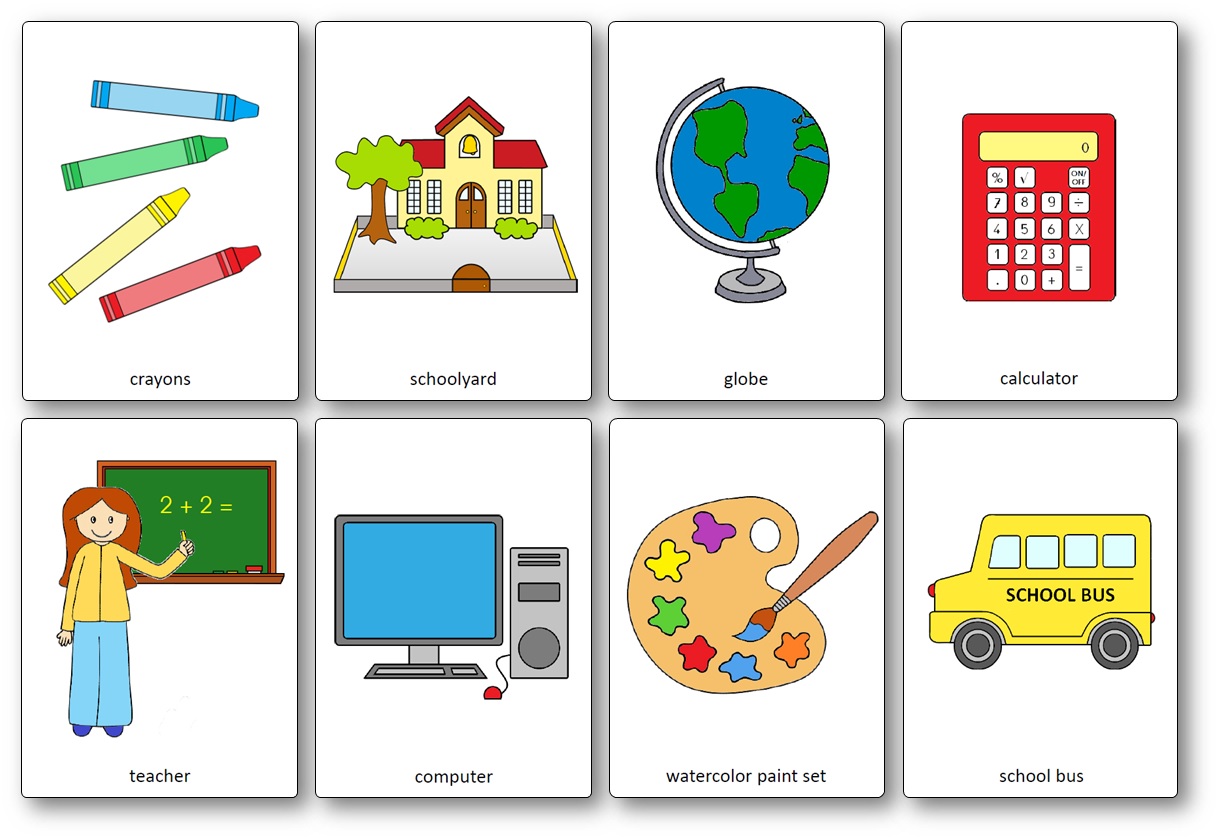
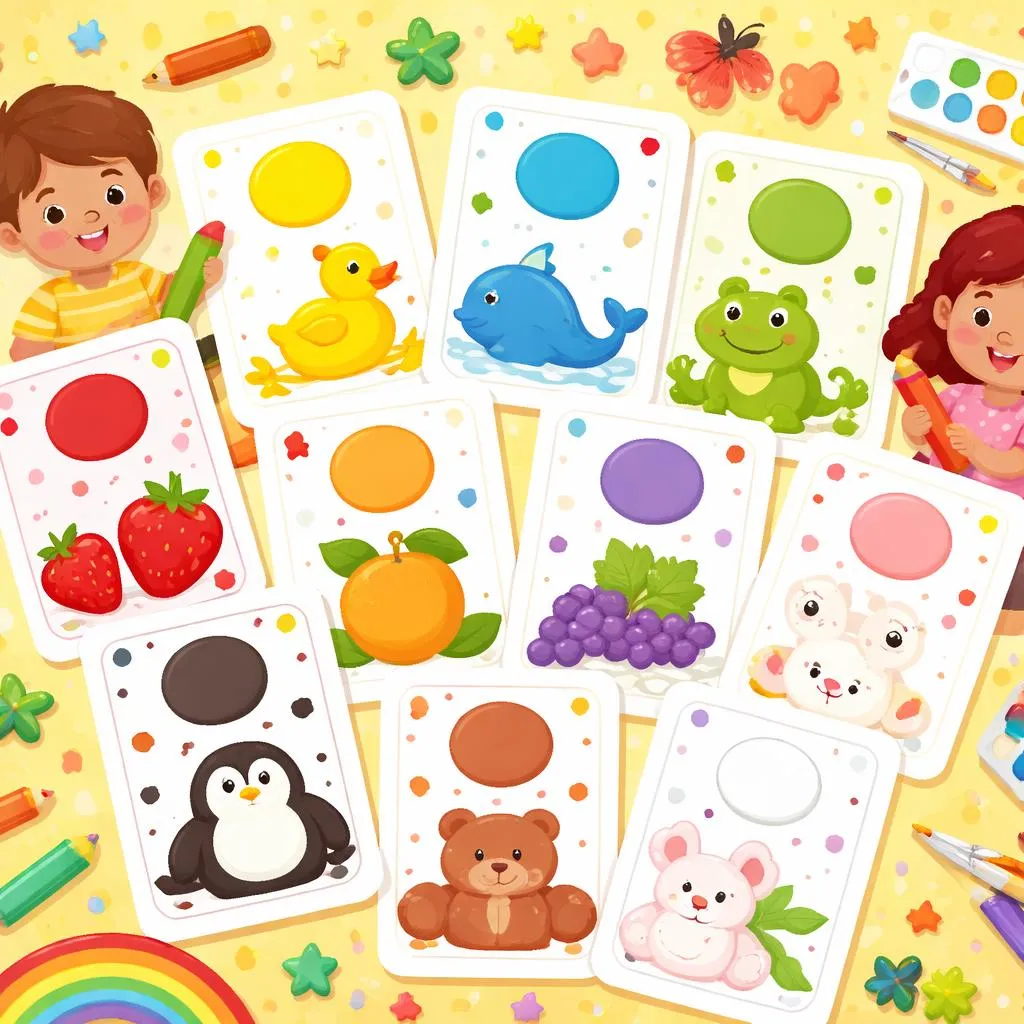
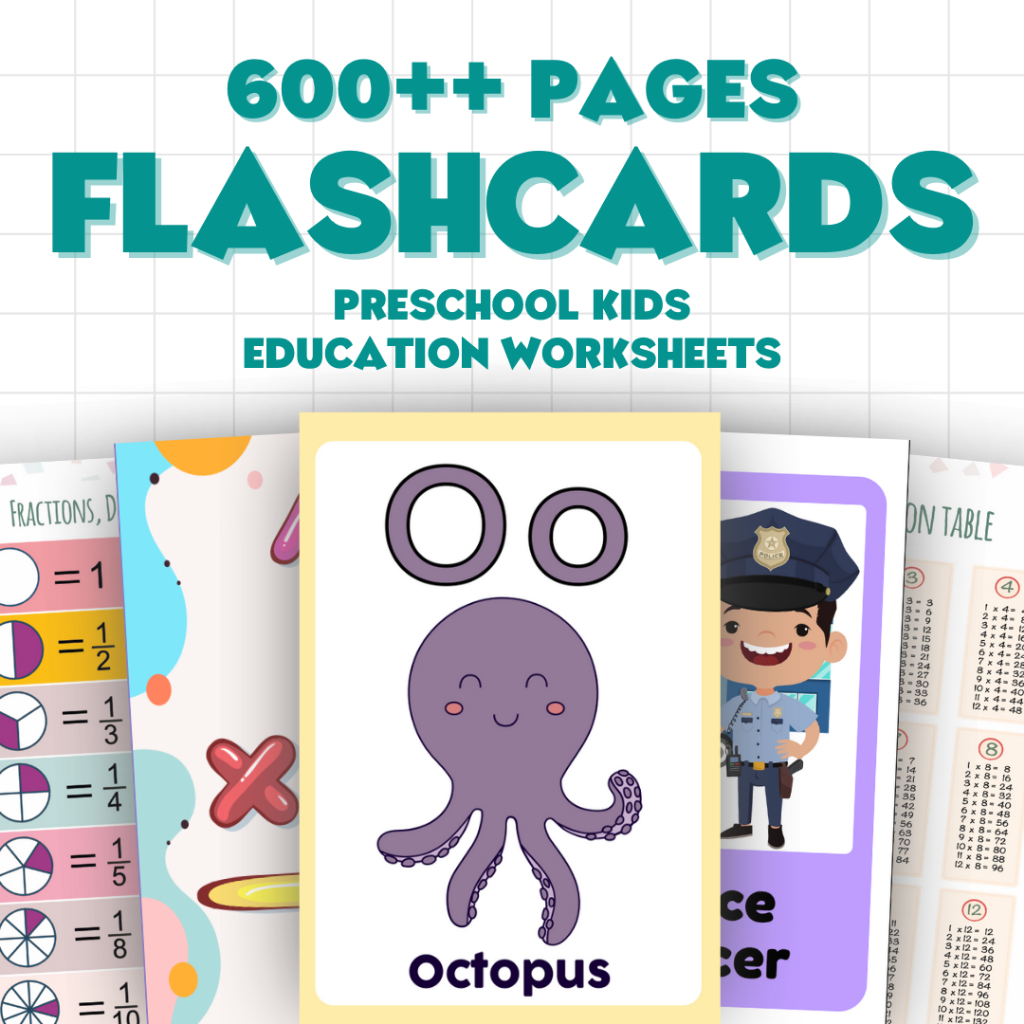
Picture flashcards online serve as foundational digital and printable visual assets that bridge digital image repositories with tactile early childhood cognitive development. According to the National Association for the Education of Young Children (NAEYC), purposeful exposure to high-definition photographic imagery and structured visual materials significantly enhances children’s spatial awareness, visual literacy, and categorization skills. Integrating these resources alongside Grid Drawing exercises empowers educators and parents to translate abstract concepts into concrete, manageable visual steps. Leveraging these scalable digital templates ensures that young learners receive optimal sensory-cognitive support during crucial formative developmental windows.
Visual Learning & Skill Snapshot:
- Core Focus: Utilizing picture flashcards online for structured visual observation and proportional hand-eye coordination.
- Target Skill: Spatial reasoning, visual discrimination, fine-motor proportion estimation, and real-world object recognition.
- Key Recommendation: Pair high-contrast photographic flashcards directly with corresponding grid-based drawing worksheets to bridge observation with tactile creation.
Core Principles and Visual Learning Overview
Picture flashcards online establish a reliable scaffold for cognitive development by transforming complex real-world imagery into digestible visual units that promote critical observation. When children analyze high-resolution digital references, brains actively decode line, shape, shadow, and scale. This active visual processing forms the bedrock for advanced academic subjects, including geometry, biology, and fine art. By utilizing Photo Flashcards, educators provide children with genuine representations of objects, animals, and architectural elements rather than simplified cartoon renderings, thereby anchoring learning in objective visual reality.
Key Specifications and Breakdown
| Age / Learning Stage | Visual Skill & Grid Ratio | Pedagogical Application & Scaffolding |
|---|---|---|
| Ages 3-4 (Early Years) | Basic shapes and 2×2 grids | Focuses on gross spatial orientation, matching whole objects, and basic color identification through tactile manipulation. |
| Ages 5-7 (Kindergarten/Grade 1) | 4×4 grids and proportion mapping | Develops fine-motor pencil control, line estimation, and cross-referencing visual elements square by square. |
| Ages 8-10 (Early Elementary) | Complex 6×6 grids and perspective | Enhances deep observational accuracy, realistic shading techniques, and independent scale reproduction from photo prompts. |
Visual-spatial training through structured grid division and photographic analysis significantly accelerates geometric reasoning and fine-motor accuracy in early childhood learners. — National Art Education Association (NAEA). Related guide: English Picture Flashcards.
Step-by-Step Practical Application and Printing Guidelines
Implementing digital visual assets effectively requires a systematic workflow that transitions children from screen-based observation to tangible execution on paper. Begin by accessing verified educational resources via Educational Activities to download high-resolution PDF sets. Print the reference cards and matching grid worksheets on heavy cardstock (minimum 110 lb) to withstand frequent handling. Instruct learners to first study the reference flashcard independently, noting key intersection points where lines cross grid coordinates, before transferring those estimated proportions stroke by stroke onto their blank working grids.
Common Challenges and How to Avoid Them
Frustration often arises when young learners attempt to draw an entire complex image at once rather than isolating individual grid quadrants. Educators and parents prevent cognitive overload by teaching children to cover adjacent squares with a blank card, directing full concentration onto one single coordinate at a time. Emphasize that slight variations in proportion are natural milestones of motor development rather than errors. Celebrating incremental precision reinforces sustained focus, patience, and confidence during intricate drawing tasks.
💬 Frequently Asked Questions
Explore More Free Learning Printables and Visual Activities on WePhotoAgency
Expanding a child’s cognitive visual toolkit requires consistent access to professionally designed, pedagogically sound resources. Educators and families can explore an extensive library of printable assets, drawing guides, and developmental exercises by visiting WePhotoAgency.com to support lifelong creative and academic growth.
Visual Reference Gallery