Introduction
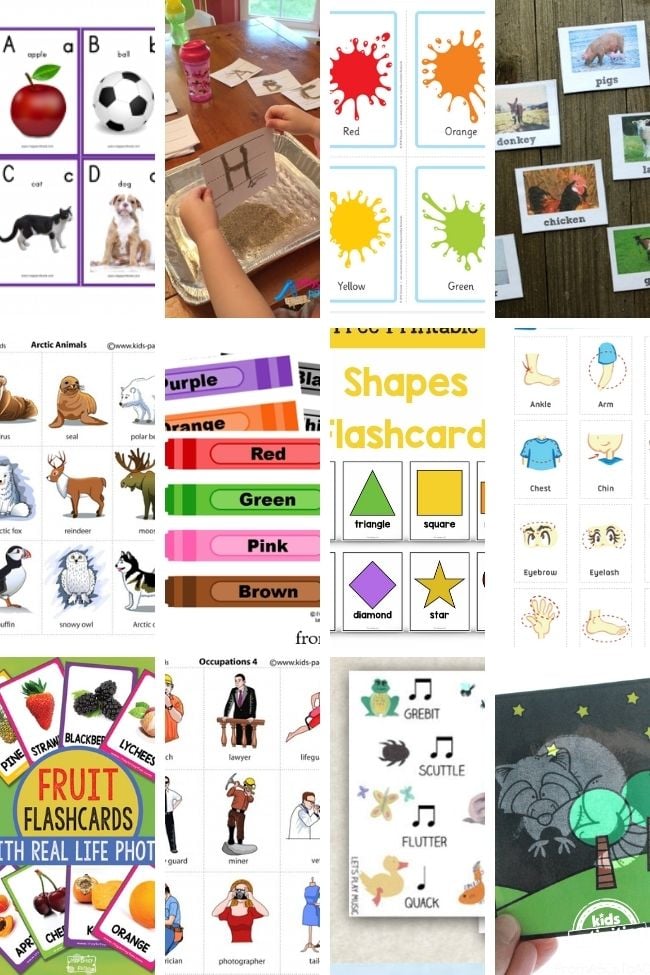
Make photo flashcards by transforming everyday imagery and custom photographs into high-utility cognitive tools that accelerate early visual processing and academic mastery. According to the National Association for the Education of Young Children (NAEYC), hands-on manipulation of concrete visual materials significantly enhances symbolic thought, spatial organization, and long-term memory retention in early childhood learners. Educators leverage these tactile assets to bridge the gap between abstract concepts and observable reality, fostering critical observation skills that underpin foundational literacy, mathematics, and Educational Activities.
Visual Learning & Skill Snapshot:
- Core Focus: Synthesizing photographic prints and custom illustrations into structured flashcards and grid exercises.
- Target Skill: Spatial reasoning, visual discrimination, fine-motor proportion estimation, and cross-disciplinary concept mastery.
- Key Recommendation: Laminate custom cardstock prints to ensure durability during intensive tactile manipulation and drawing exercises.
Core Principles and Visual Learning Overview
Make photo flashcards by utilizing crisp, realistic imagery that stimulates cognitive development through targeted visual categorization and spatial comparison tasks. When children interact with photographic cards alongside structured printable Grid Drawing worksheets, neural pathways connecting visual input to fine-motor execution become rapidly reinforced. This process requires learners to break complex wholes into manageable geometric segments, estimating proportions and mapping coordinates accurately. Integrating real-world photography into daily practice transitions children from passive viewing to active spatial analysis, cultivating essential habits of mind required for advanced geometric thinking and realistic artistic representation.
Key Specifications and Breakdown
| Age / Learning Stage | Visual Skill & Grid Ratio | Pedagogical Application & Scaffolding |
|---|---|---|
| Ages 3–4 (Preschool) | Basic color/shape sorting, 2×2 grid scale | Focuses on whole-image matching, object identification, and large-motor tactile sorting. |
| Ages 5–6 (Kindergarten) | Visual discrimination, 3×3 grid scaling | Introduces proportional observation, spatial coordinate tracking, and fine-motor pencil control. |
| Ages 7–8 (Early Elementary) | Complex pattern mapping, 4×4 coordinate grid | Emphasizes detailed proportion estimation, perspective drawing, and independent cognitive cross-referencing. |
Visual-spatial training through structured graphic grids measurably accelerates early geometric comprehension and observational accuracy in young learners. — National Art Education Association (NAEA)
Step-by-Step Practical Application and Printing Guidelines
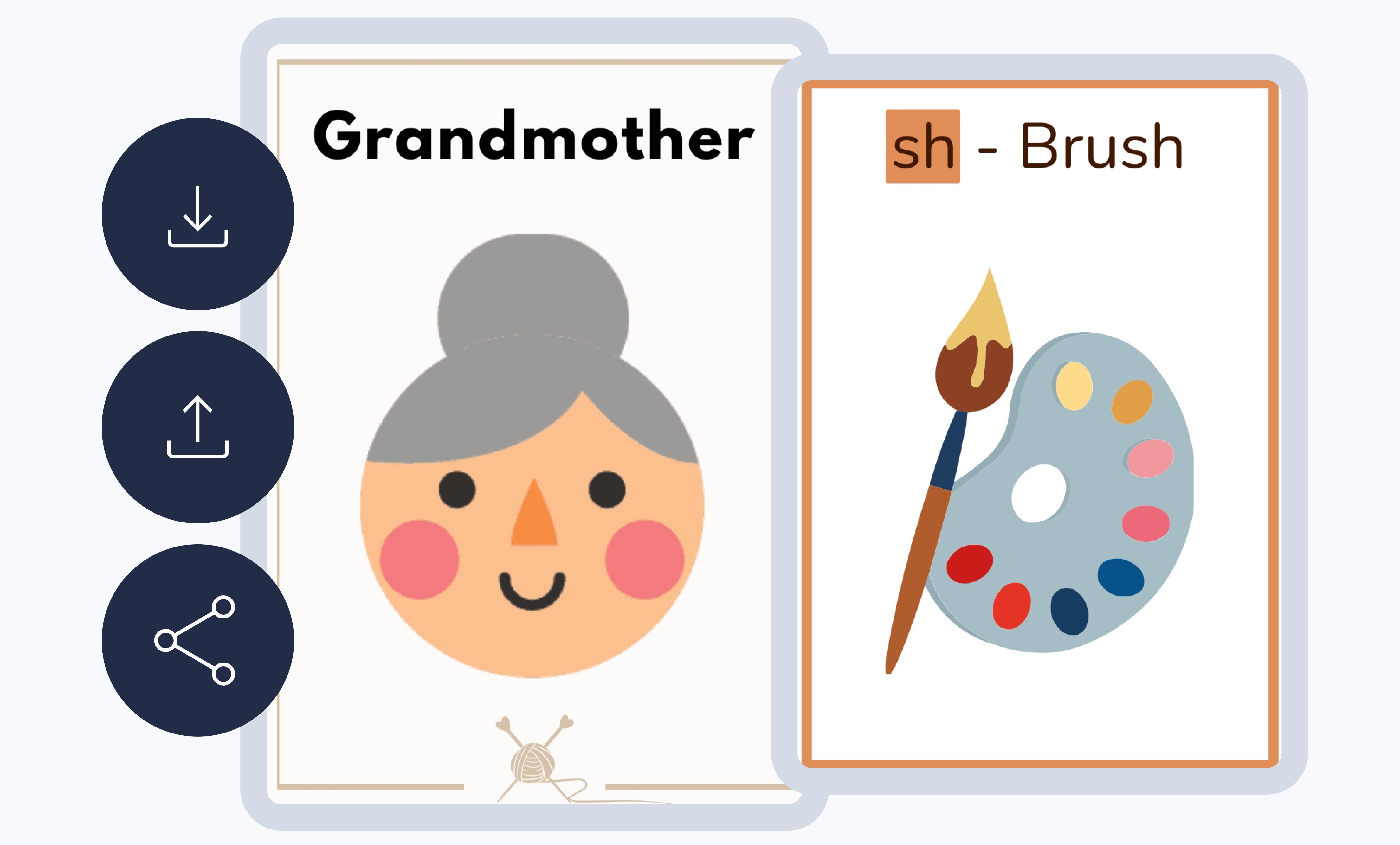
Make photo flashcards effectively by selecting high-contrast, high-resolution source images that clearly delineate primary subjects from neutral backgrounds. Print selected photographs onto heavy matte cardstock (at least 110 lb weight) to prevent show-through when handling double-sided activities. Scale matching Photo Flashcards to standard dimensions, such as 4×6 inches, ensuring children can easily overlay transparent coordinate grids or place them beside drawing pads. Utilize thermal laminating pouches to seal finished cards, protecting surfaces from frequent handling, classroom markers, and daily wear.
Common Challenges and How to Avoid Them
Prevent cognitive overload during visual exercises by avoiding cluttered photographic backgrounds and overly complex grid ratios during early skill acquisition stages. Children frequently struggle with proportion estimation when reference cards lack clear coordinate landmarks, leading to frustration and inaccurate scale reproduction. Educators mitigate this hurdle by introducing simplified 2×2 or 3×3 reference lines directly onto early photo cards before progressing to blank, unassisted drawing grids. Providing step-by-step adult scaffolding ensures learners master coordinate tracking without experiencing diminished confidence or visual fatigue.
💬 Frequently Asked Questions
Explore More Free Learning Printables and Visual Activities on WePhotoAgency
Access an extensive library of professional educational resources designed to elevate spatial intelligence, artistic technique, and cognitive development across early childhood and elementary grade levels. Discover curated printable worksheets, instructional guides, and creative templates by exploring the complete collection at WePhotoAgency.com.
Visual Reference Gallery