Introduction
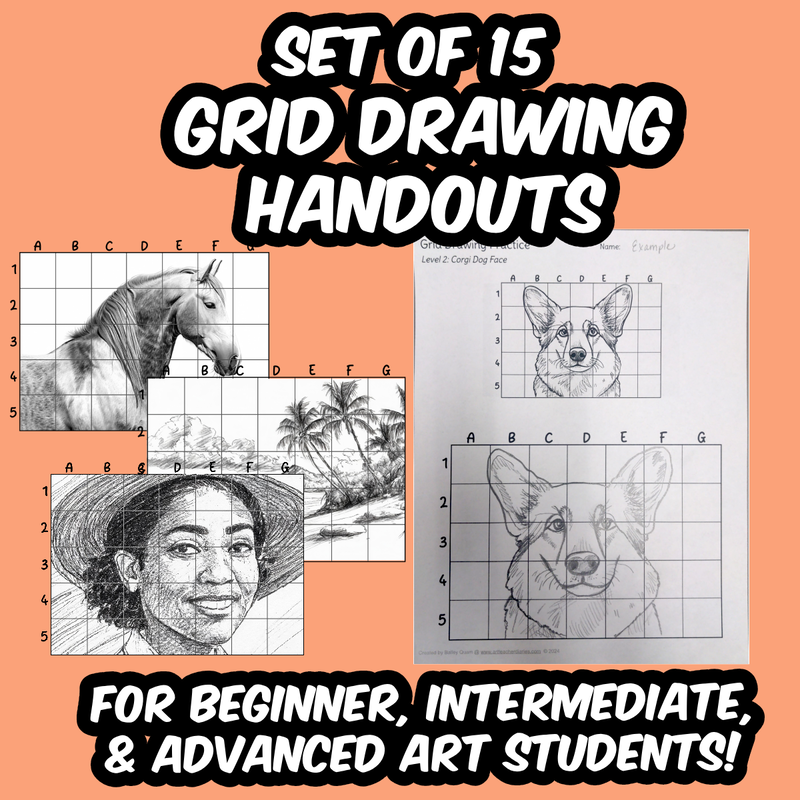
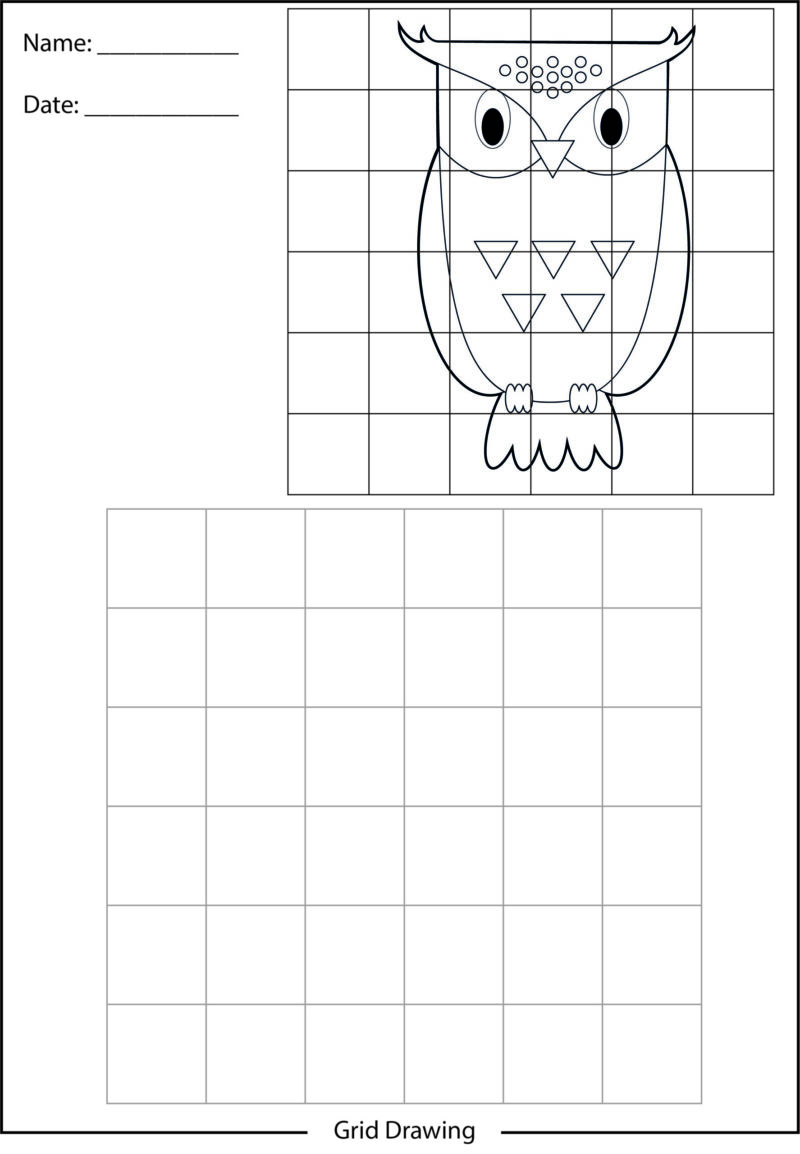
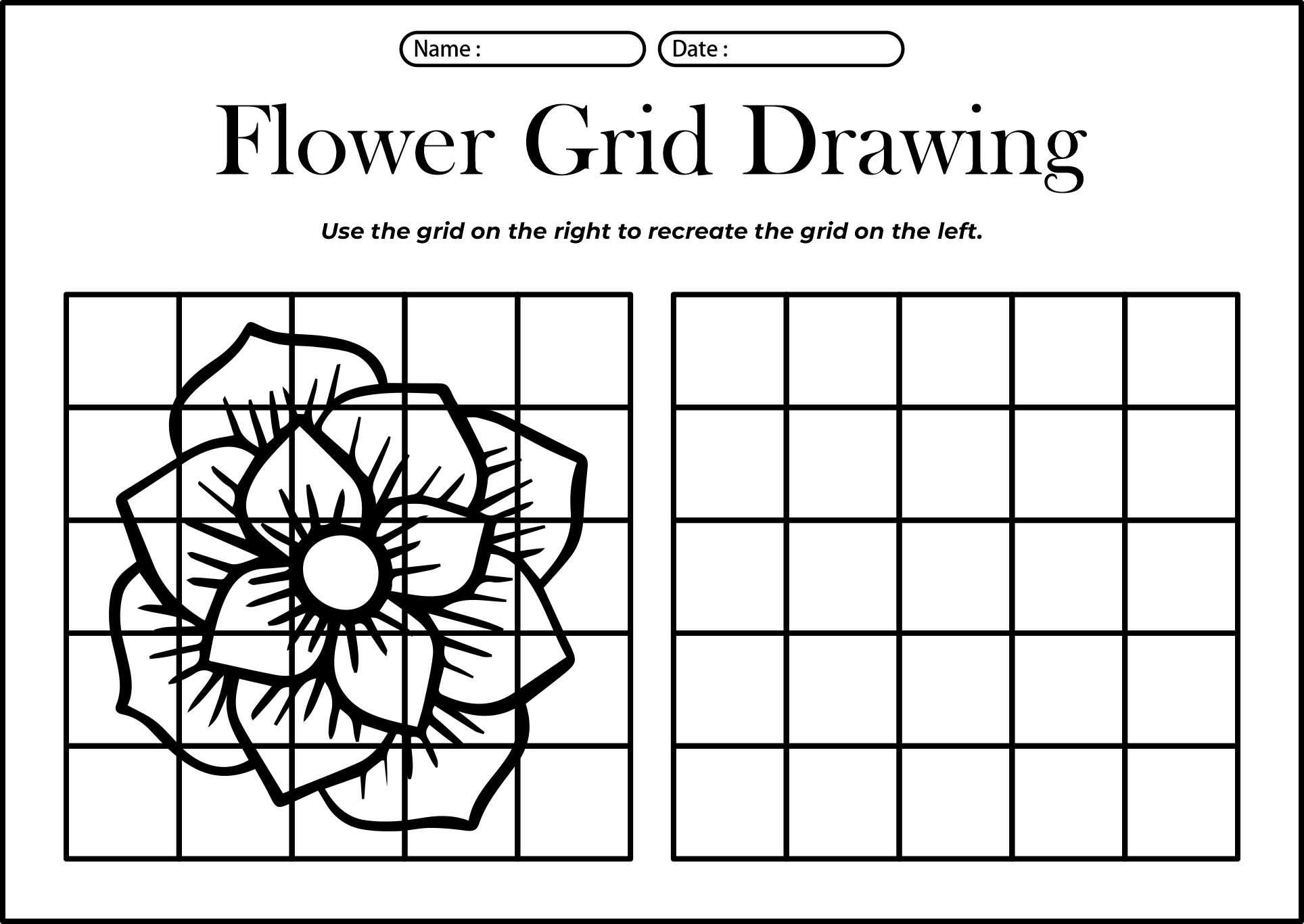
Grid drawing style is a foundational visual art method that breaks complex photographic images into smaller, manageable coordinate squares to teach spatial awareness, observational accuracy, and fine motor proportionality to early learners. According to the National Art Education Association (NAEA), structured visual exercises that segment complex compositions significantly enhance a child’s hand-eye coordination, perceptual mapping abilities, and cognitive processing speed. Integrating printables and physical visual tools transforms abstract artistic concepts into concrete, achievable steps for young students. Mastering this method lays the groundwork for advanced geometric comprehension and technical artistic execution in early elementary grades. Utilizing structured resources found within Grid Drawing collections allows educators to scaffold learning effectively without overwhelming developing minds.
Visual Learning & Skill Snapshot:
- Core Focus: Segmenting photographic reference images into coordinate-based grid systems to teach proportional rendering and visual mapping.
- Target Skill: Spatial reasoning, visual discrimination, fine-motor proportion control, and realistic observation.
- Key Recommendation: Pair large-cell worksheets with high-contrast photographic references to minimize cognitive overload during early drawing sessions.
Core Principles and Visual Learning Overview
Grid drawing style operates on the psychological principle of chunking, where the brain reduces a complex whole into isolated, digestible coordinate squares to prevent visual distortion. By transferring contents from a reference square to a corresponding blank grid square, children learn to evaluate negative space, contour alignments, and relative positioning rather than relying on symbol-based memory drawing. This technique serves as a direct bridge between abstract visual perception and concrete fine-motor execution. Utilizing realistic imagery from Photo Flashcards alongside structured templates reinforces real-world object recognition and geometric mapping simultaneously. Educators can track perceptual growth by observing how accurately a child translates diagonal lines and intersecting curves from one cell to another.
Key Specifications and Breakdown
| Age / Learning Stage | Visual Skill & Grid Ratio | Pedagogical Application & Scaffolding |
|---|---|---|
| Ages 4-5 (Early Pre-K) | 2×2 or 3×3 simple squares with thick, high-contrast borders | Focuses on basic shape placement, large motor control, and single-object tracking inside Educational Activities. |
| Ages 6-7 (Kindergarten/Grade 1) | 4×4 intermediate grids with photographic animal or nature references | Develops line continuity, coordinate tracking, and proportional scaling across adjacent cells. |
| Ages 8-9 (Early Elementary) | 6×6 detailed grids featuring complex real-world scenes | Refines precision, symmetry analysis, and independent error-checking using coordinate markers. |
Structured visual arts curricula that incorporate coordinate mapping methods demonstrate a measurable acceleration in children’s spatial working memory and analytical observation skills. — National Art Education Association (NAEA)
Step-by-Step Practical Application and Printing Guidelines
Executing grid drawing style lessons successfully requires clean, high-resolution printable worksheets that feature bold coordinate letters and numbers along the horizontal and vertical margins. Educators should begin by selecting clear, high-contrast photographic templates that match the current skill level of the child. Instruct learners to examine a single grid square at a time, using a paper shield or finger to isolate that specific cell and minimize visual distractions from the rest of the image. Encourage children to look closely at where lines enter and exit the borders of each square before sketching light anchor points. Once these foundational points are established, students connect them smoothly, reinforcing both patience and systematic problem-solving strategies.
Common Challenges and How to Avoid Them
Young learners often encounter frustration when attempting to draw an entire grid square at once rather than breaking the contents down into smaller line segments and reference points. Overcoming this hurdle requires educators to model how to spot intersecting grid lines and measure distances relative to the cell borders. Another frequent error involves shifting focus away from the active grid square, which leads to misalignment and distorted proportions across the final drawing. Providing clear verbal prompts that remind students to check the coordinate labels—such as locating column B, row 3—keeps focus targeted and builds independent self-correction habits over time.
💬 Frequently Asked Questions
Explore More Free Learning Printables and Visual Activities on WePhotoAgency
Discover an extensive library of free printable worksheets, educational templates, and visual learning resources designed by childhood development specialists to inspire young minds at WePhotoAgency.com.
Visual Reference Gallery