Introduction
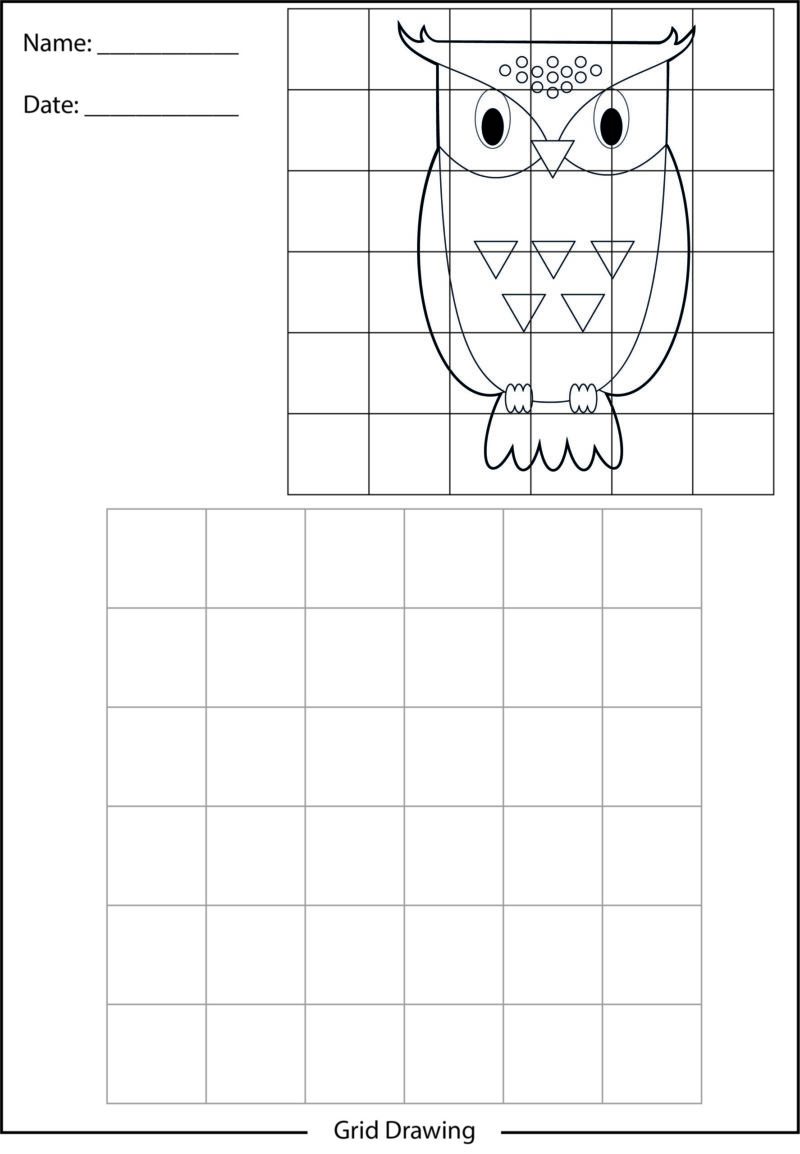
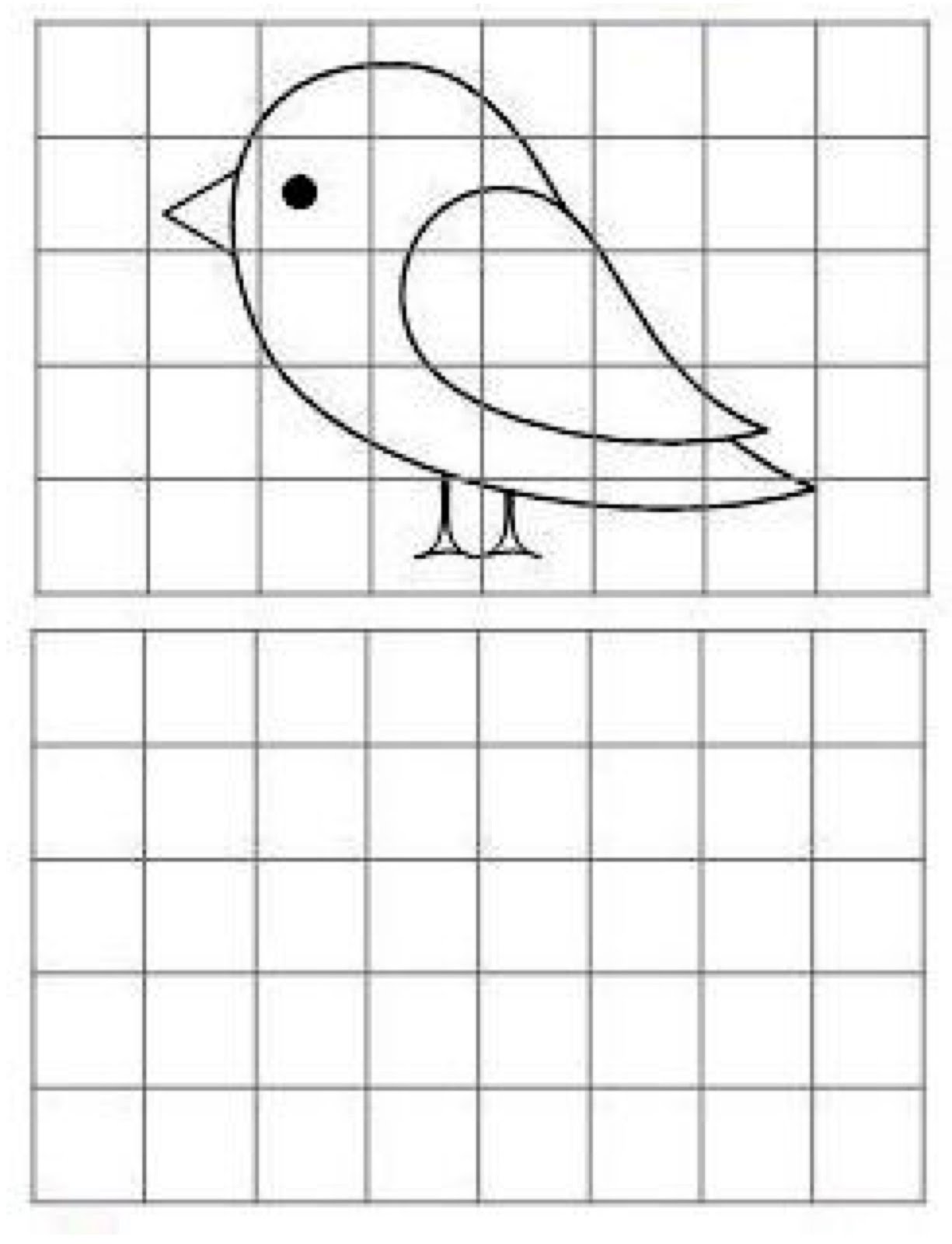
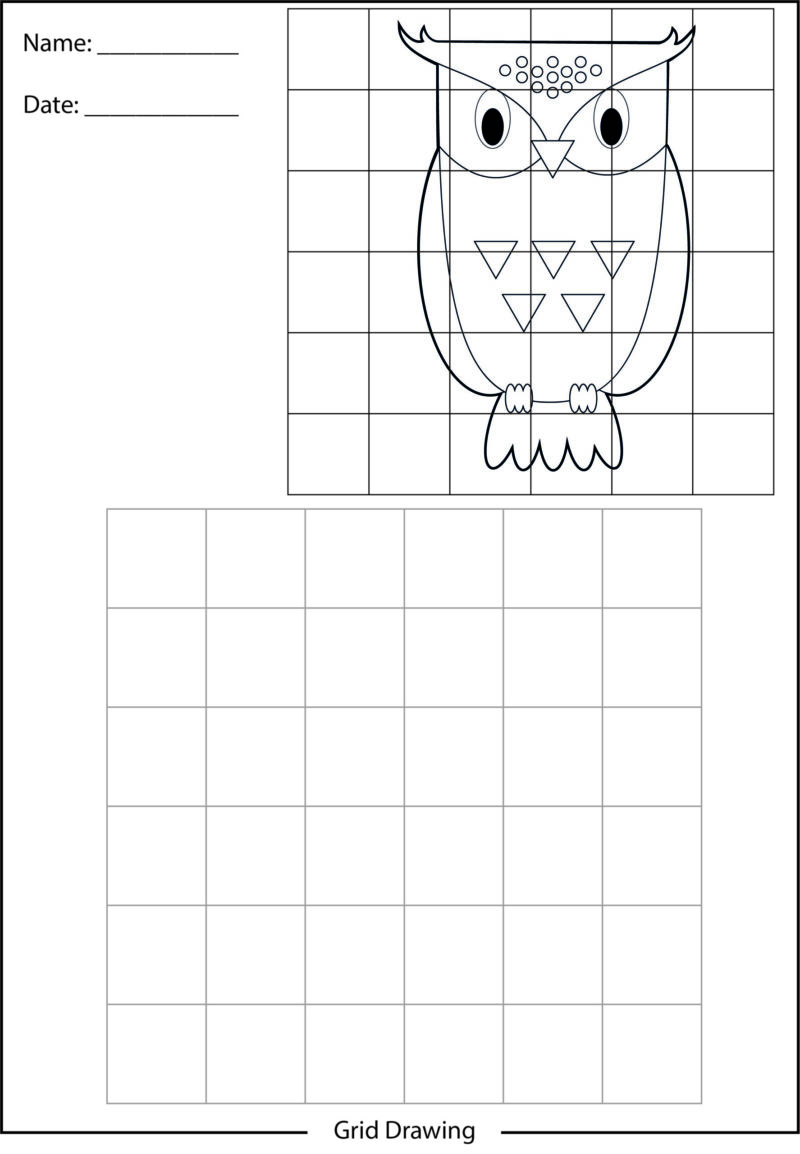
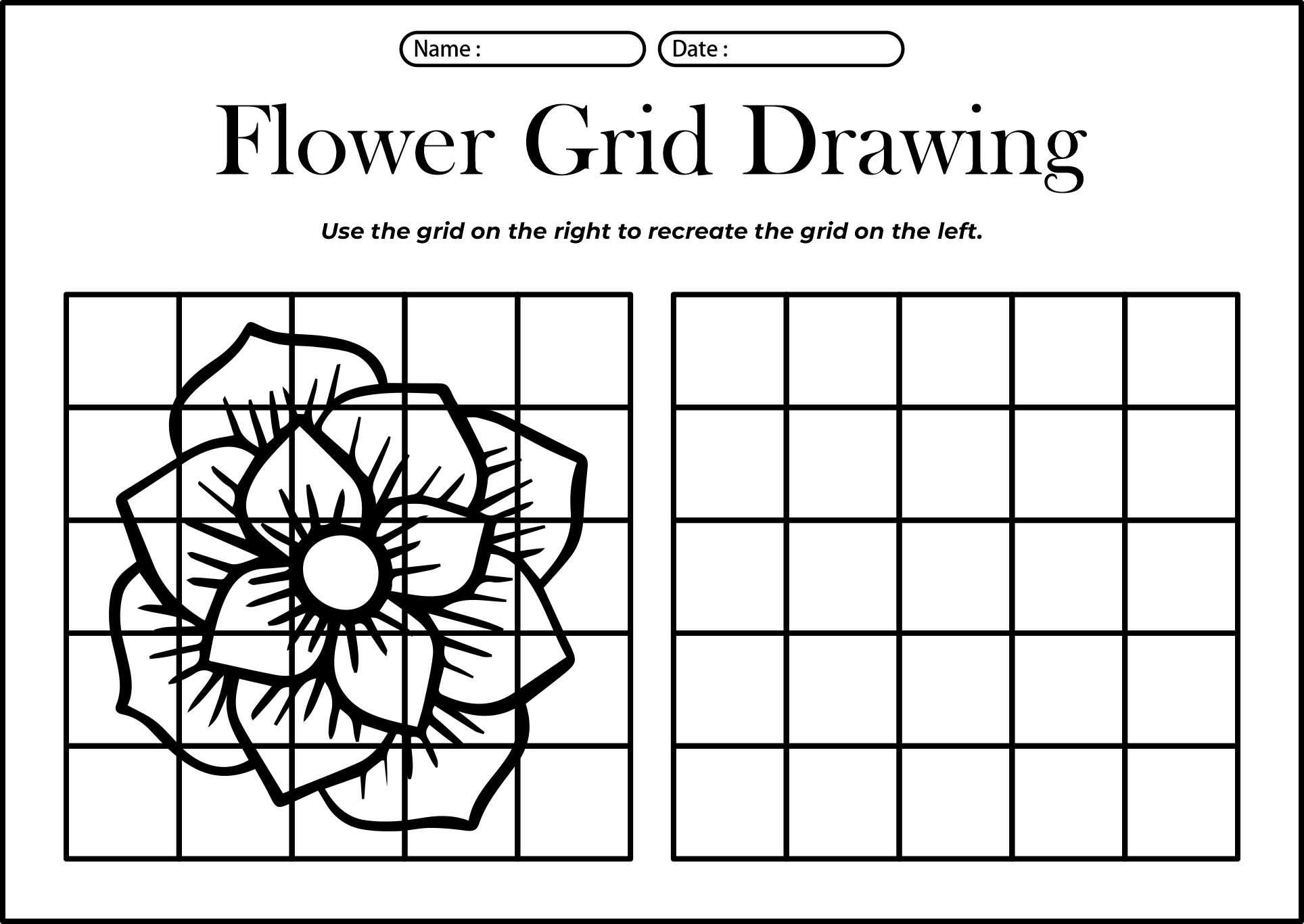
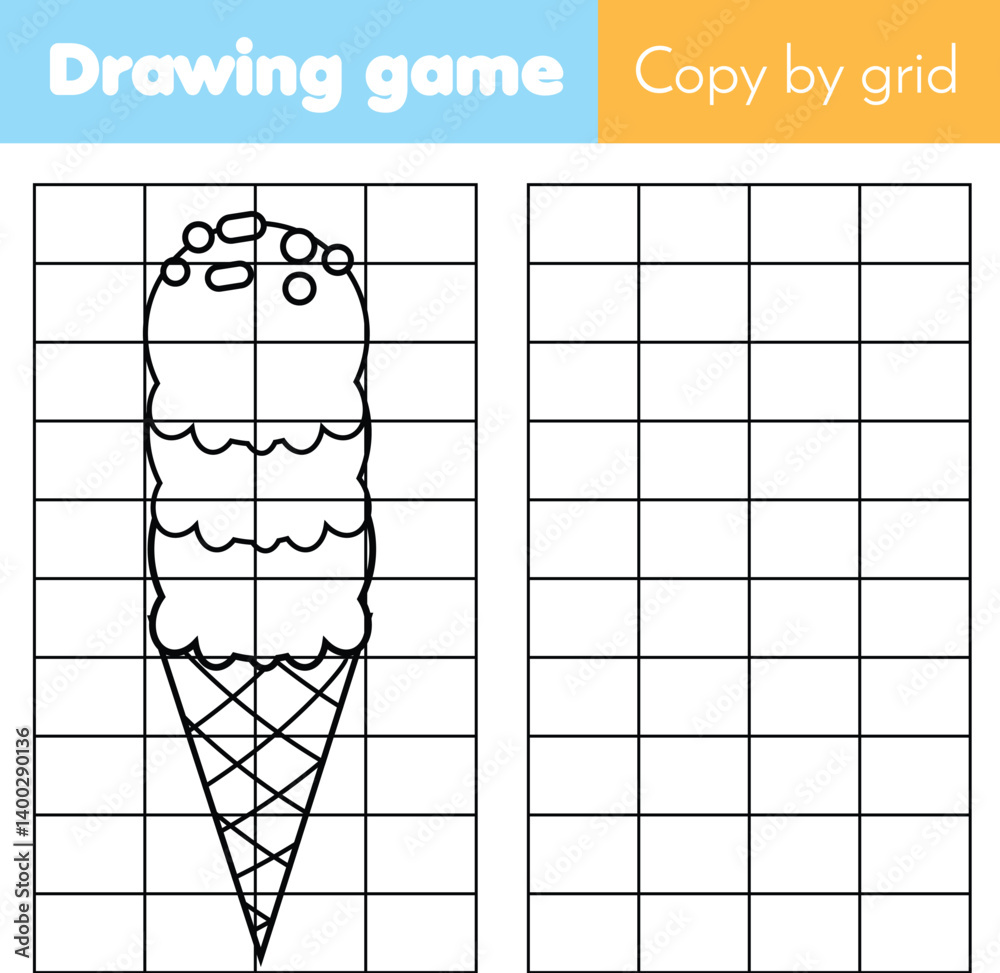
A grid drawing sketch represents a foundational cognitive and visual mapping technique that breaks complex photographic references down into manageable geometric coordinates for young learners. According to the National Art Education Association (NAEA), structured observational drawing activities significantly enhance spatial reasoning, proportional accuracy, and fine-motor coordination in early childhood learners. Utilizing printable worksheets paired with real photo visual flashcards transforms abstract artistic composition into a concrete, confidence-building exercise. Exploring comprehensive resource collections like Grid Drawing provides educators with immediately actionable tools to bridge observation and creative execution. Early elementary students develop analytical patience by focusing on single grid squares at a time, bypassing the overwhelming nature of whole-image rendering.
Visual Learning & Skill Snapshot:
- Core Focus: Coordinate-based visual mapping utilizing segmented photographic references for systematic proportion building.
- Target Skill: Spatial reasoning, visual discrimination, fine-motor proportion, and photo-based concept mastery.
- Key Recommendation: Pair high-contrast real photo visual references with identical grid ratios to eliminate cognitive overload during initial drawing attempts.
Core Principles and Visual Learning Overview
Coordinate-based drawing methods operate by training the human visual cortex to measure spatial relationships rather than relying on generalized mental symbols. When children engage with a structured grid drawing sketch, the primary cognitive objective shifts from drawing an entire object to accurately transferring line coordinates from one square to another. This practice exercises bilateral visual tracking, precise pencil control, and geometric scaling. Integrating real photographic references instead of cartoon illustrations introduces authentic lighting, textures, and anatomical proportions. Educators seeking to expand observational exercises can incorporate supplementary materials such as Photo Flashcards to strengthen visual memory prior to pencil-to-paper transfer.
Key Specifications and Breakdown
| Age / Learning Stage | Visual Skill & Grid Ratio | Pedagogical Application & Scaffolding |
|---|---|---|
| Ages 4–5 (Pre-K / Kindergarten) | 2×2 or 3×3 simple grid, high-contrast silhouettes | Focuses on basic shape placement, quadrant identification, and large, smooth pencil strokes. |
| Ages 6–7 (Early Elementary) | 4×4 balanced grid, real photo references | Develops coordinate tracking, proportional angle estimation, and continuous line control. |
| Ages 8+ (Advanced Beginners) | 5×5 or complex grids, detailed photographic elements | Refines complex contour mapping, tonal value observation, and independent scaling accuracy. |
Systematic visual breaking through geometric segmentation accelerates cognitive mapping and proportional accuracy in early academic development. — National Art Education Association (NAEA)
Step-by-Step Practical Application and Printing Guidelines
Executing an effective grid drawing session requires precise material preparation and careful scaling of the reference image alongside the blank student worksheet. Begin by selecting high-contrast, age-appropriate photographic subjects that feature clear outlines and distinct focal points. Ensure that the printed reference sheet and the blank drawing template share the exact same grid dimensions (such as a 4×4 matrix) to prevent proportion distortion. Instruct children to cover unused rows with a blank card to isolate individual squares, reducing visual distraction and encouraging micro-observation. Educators can discover numerous guided printables and structured Educational Activities designed to reinforce these exact developmental mechanics within the classroom or home environment.
Common Challenges and How to Avoid Them
Young learners frequently encounter difficulties when attempting to draw across multiple grid lines simultaneously rather than focusing strictly on isolated matrix squares. To correct this common observational error, encourage children to identify intersections where contour lines cross grid coordinates before drawing the connecting curves. Another frequent hurdle involves choosing overly complex photographs featuring dense background noise or low-contrast shadows. Providing clean, isolated photographic subjects simplifies the visual decoding process and guarantees early successes that build lasting self-efficacy in young artists.
💬 Frequently Asked Questions
Explore More Free Learning Printables and Visual Activities on WePhotoAgency
Mastering observational drawing and spatial reasoning relies on consistent exposure to structured, high-quality visual resources designed for developing minds. Parents, educators, and homeschoolers can access an extensive library of printable worksheets, photo-based exercises, and creative skill-builders by visiting WePhotoAgency.com. Integrating these tools into daily curricula ensures that foundational art techniques support lifelong cognitive growth.
Visual Reference Gallery