Introduction
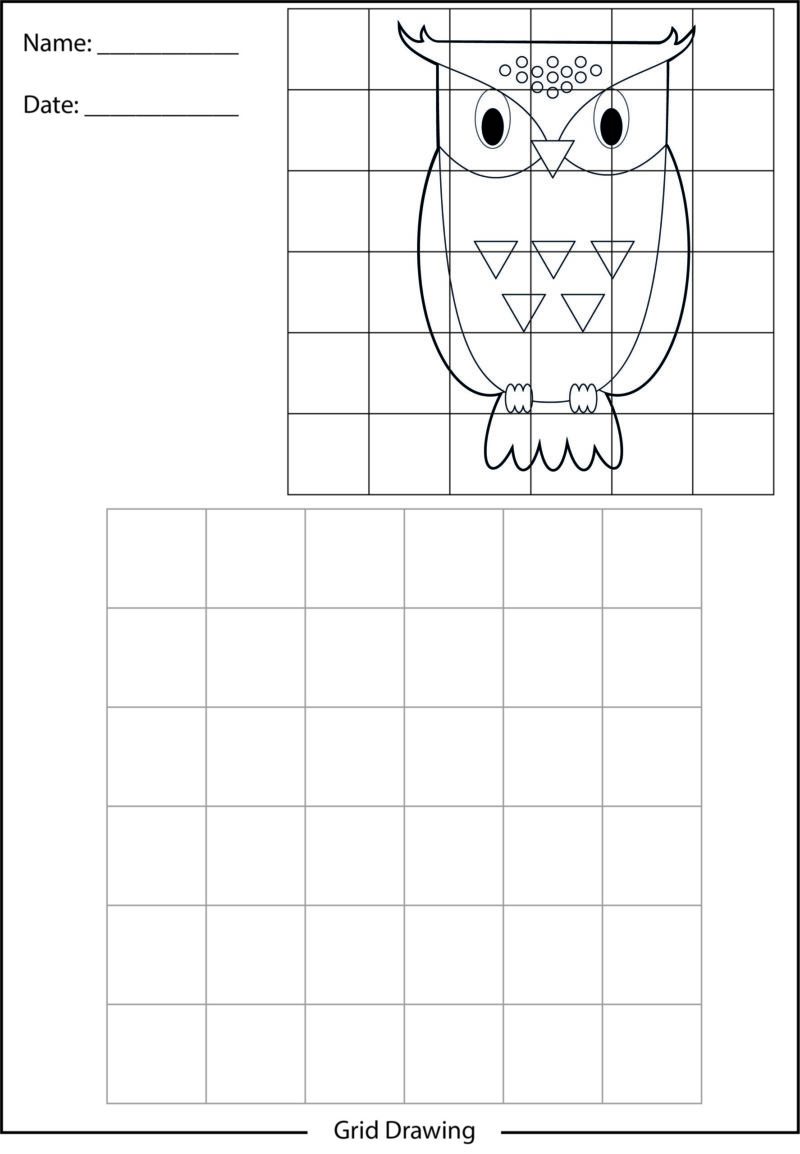
A grid drawing maker functions as a digital or analog utility that overlays a coordinate matrix onto a reference picture to simplify visual translation and proportion mapping for young learners. According to the National Art Education Association (NAEA), structured visual exercises that break complex shapes into manageable coordinate segments effectively build foundational spatial reasoning and observational accuracy in early childhood. By segmenting real photographic imagery into localized grid boxes, educators and parents empower children to analyze visual data square-by-square instead of feeling overwhelmed by an entire composition. This instructional method directly reinforces concepts explored across various Grid Drawing materials designed for early elementary classrooms. Integrating these structured visual tasks into daily instruction fosters meticulous hand-eye coordination and systematic analytical thinking.
Visual Learning & Skill Snapshot:
- Core Focus: Utilizing a grid drawing maker to generate proportional scaling worksheets from real photographs.
- Target Skill: Spatial reasoning, visual discrimination, fine-motor proportion control, and analytical observation.
- Key Recommendation: Start early learners with simple 2×2 or 3×3 matrices using high-contrast photo flashcards before advancing to dense coordinate grids.
Core Principles and Visual Learning Overview
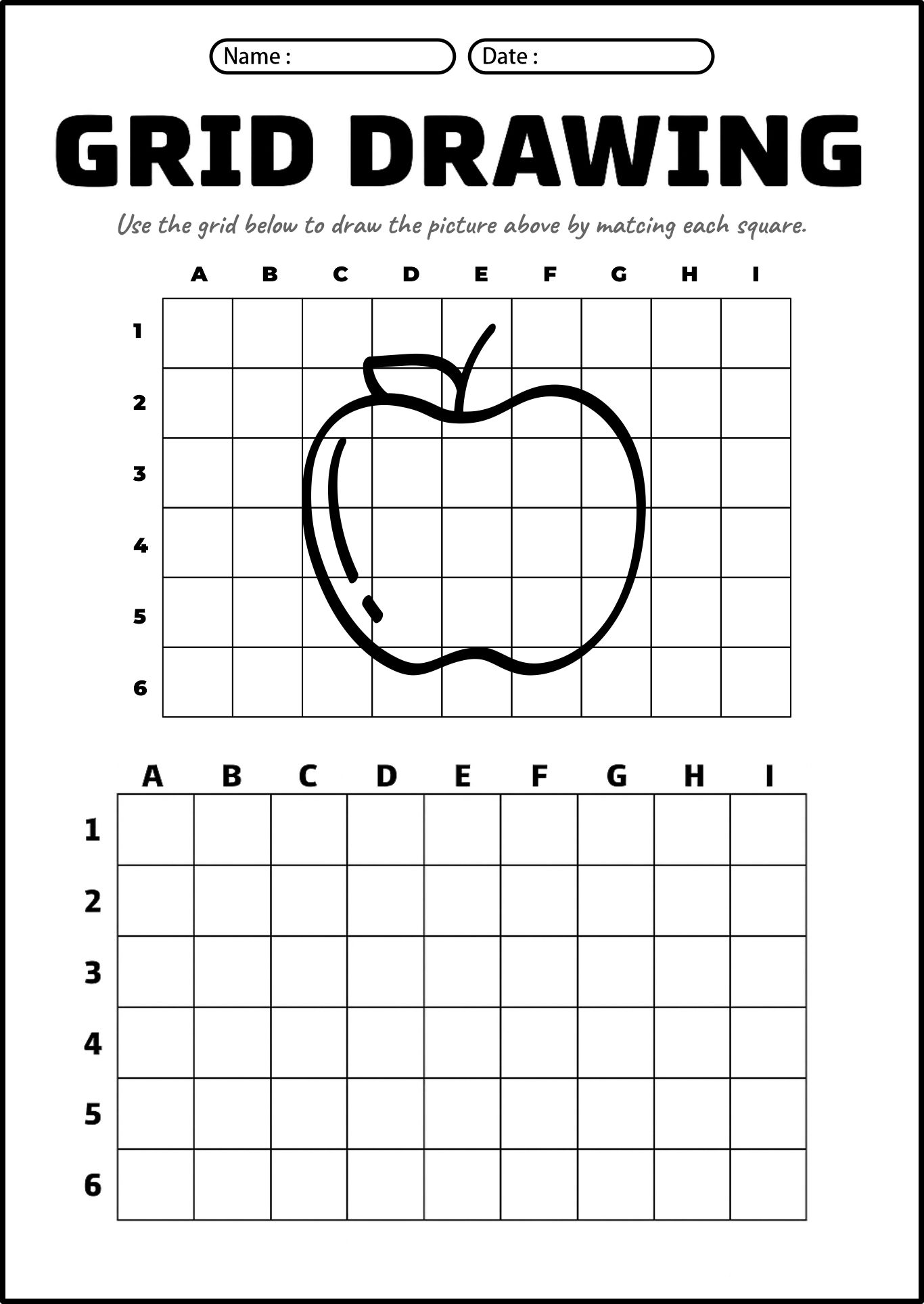
Grid-based visual tools transform abstract artistic rendering into concrete spatial puzzles by training the brain to isolate lines, angles, and negative spaces within defined borders. When children utilize a grid drawing maker alongside authentic Photo Flashcards, cognitive processing shifts from symbolic guessing to literal visual observation. Instead of drawing a mental stereotype of an object, the learner focuses exclusively on where specific lines intersect coordinate lines, such as noting that a curve touches the top-right corner of cell B2. This meticulous scanning method mirrors perceptual training strategies utilized in advanced visual literacy curriculums. Furthermore, pairing these activities with broader Educational Activities guarantees that children build both fine motor dexterity and cognitive flexibility simultaneously.
Key Specifications and Breakdown
| Age / Learning Stage | Visual Skill & Grid Ratio | Pedagogical Application & Scaffolding |
|---|---|---|
| Ages 4-5 (Preschool/Kindergarten) | 2×2 or 3×3 simple matrix with high-contrast macro photos | Focus on identifying single objects, primary shapes, and basic spatial orientation within localized squares. |
| Ages 6-7 (Early Elementary) | 4×4 balanced grid using real-world animal and nature photos | Encourage systematic scanning row-by-row, building patience and fine motor pencil control. |
| Ages 8-9 (Advanced Elementary) | 6×6 or complex multi-cell grid with detailed subject matter | Refine proportion estimation, angle precision, and independent error-checking without adult intervention. |
Art education experiences must be sequential and developmentally appropriate, fostering cognitive growth through direct observation and structured manipulation of visual elements. — National Art Education Association (NAEA)
Step-by-Step Practical Application and Printing Guidelines
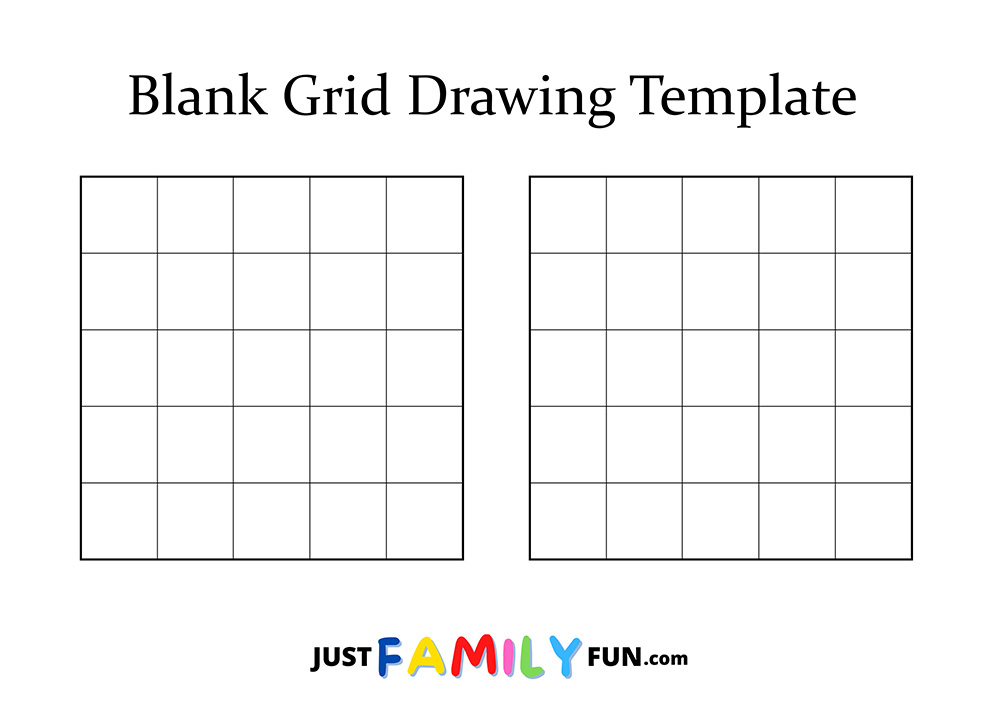
Implementing printable grid worksheets requires clear printer calibration, proper paper weight selection, and strategic image selection to maximize learning efficiency. Educators should select high-resolution, glare-free photographs featuring distinct foreground subjects to prevent visual clutter in smaller grid cells. When printing worksheets from a grid drawing maker, ensure the printer scaling is locked at 100% so the reference grid and the blank drawing grid maintain exact 1:1 dimensional parity. Providing a heavy cardstock backing prevents page curling while children apply pressure during pencil sketching. Instruct learners to label coordinate axes with simple numbers and letters to reinforce literacy skills while executing their artistic layouts.
Common Challenges and How to Avoid Them
Young children frequently encounter frustration when attempting to draw entire objects at once instead of concentrating on individual grid intersections. To prevent this common obstacle, supply students with a small cardboard framing window or index card to isolate one grid box at a time, effectively blocking out surrounding visual distractions. Another frequent issue involves improper alignment where children shift their drawing across incorrect grid rows; this can be mitigated by modeling how to cross off completed squares on the reference sheet. Encouraging a light, sketchy pencil grip before committing to permanent dark lines ensures that initial proportion errors can be easily adjusted without tearing the paper. Patience and positive reinforcement during these initial mapping attempts build lasting confidence in observational tasks.
💬 Frequently Asked Questions
Explore More Free Learning Printables and Visual Activities on WePhotoAgency
Empowering young learners with structured visual tools transforms foundational art education into an engaging cognitive adventure. Discover a vast library of professionally designed resources, printable worksheets, and developmental guides by visiting WePhotoAgency.com today.
Visual Reference Gallery