Introduction
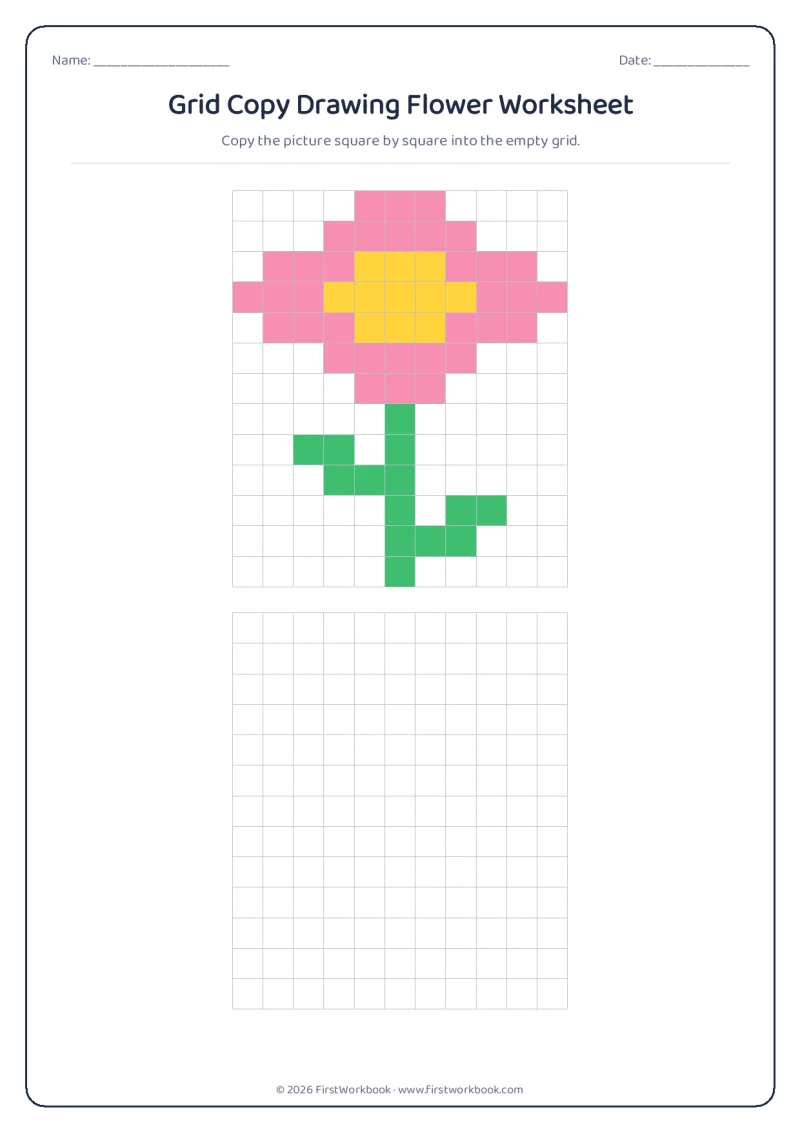
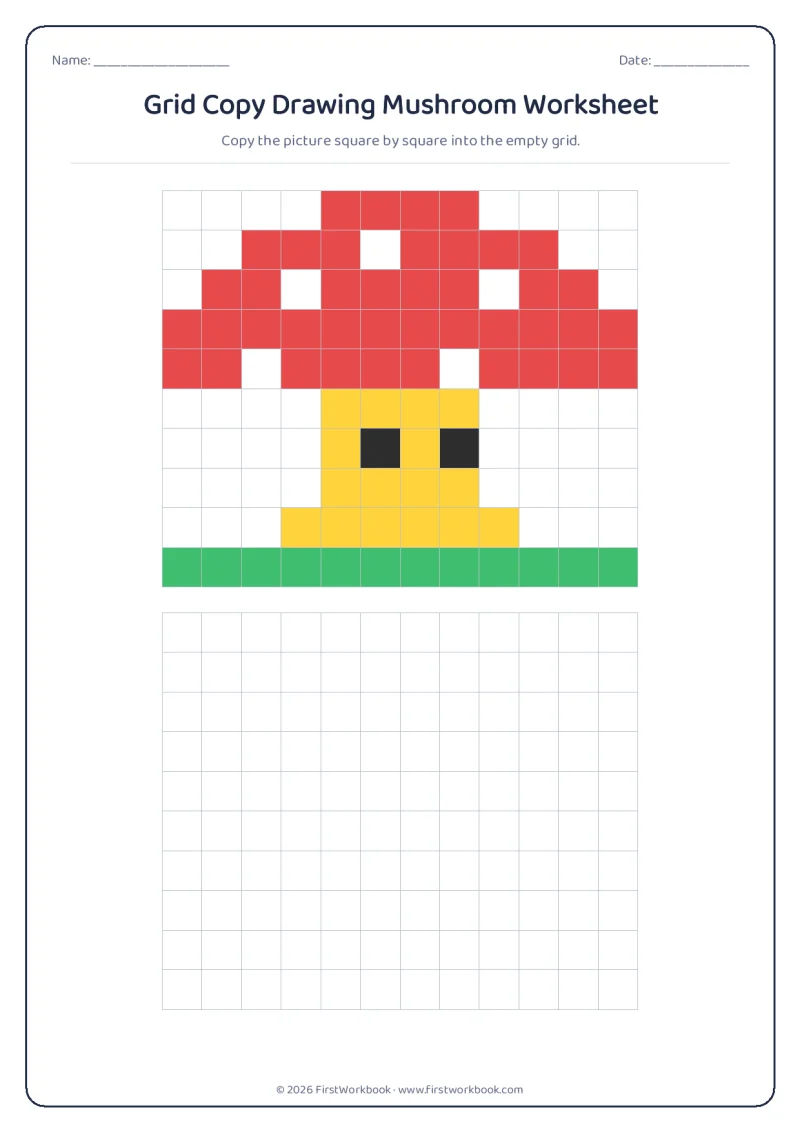
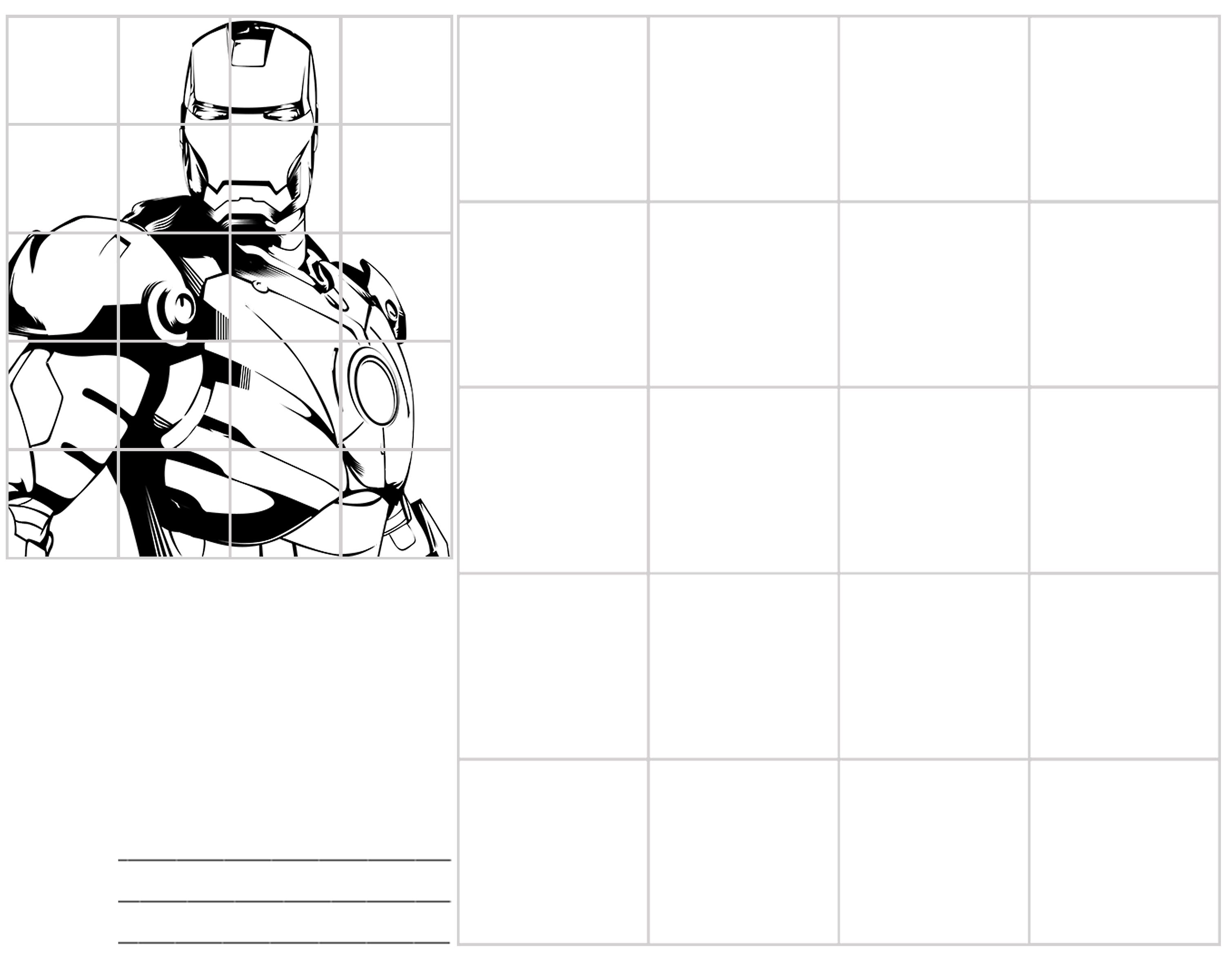
Grid drawing for art systematically decomposes complex visual information into manageable geometric squares, transforming abstract artistic proportion into concrete, measurable spatial coordinates for developing learners. According to the National Art Education Association (NAEA), structured observational drawing techniques reinforce foundational visual literacy, spatial reasoning, and hand-eye coordination during formative childhood development. Utilizing printable Grid Drawing worksheets bridges the cognitive gap between symbolic representation and realistic visual rendering by encouraging children to look at line, shape, and negative space rather than relying on preconceived mental symbols. Educators and caregivers frequently pair these geometric exercises with Photo Flashcards to ground abstract artistic exercises in real-world photographic references, sharpening visual memory and precise contour tracking. Integrating these foundational resources into early learning curricula establishes reliable spatial navigation habits that benefit advanced geometry, STEM fields, and fine arts alike.
Visual Learning & Skill Snapshot:
- Core Focus: Systematic spatial division and proportional translation of images using geometric coordinate grids.
- Target Skill: Spatial reasoning, visual discrimination, fine-motor proportion estimation, and contour observation.
- Key Recommendation: Pair large-format 2×2 grids with real photographic stimuli before advancing to complex multi-square compositions.
Core Principles and Visual Learning Overview
Grid drawing for art relies on the psychological principle of chunking, which breaks overwhelming visual fields into isolated quadrants to prevent cognitive overload in young learners. When children focus on copying only the specific contents of a single square—such as the curve of an ear or the edge of a leaf—they bypass premature labeling and engage purely in analytical observation. This targeted practice directly supports fine motor calibration, as hands must translate microscopic spatial relationships from a source image onto a corresponding target box. Incorporating diverse Educational Activities alongside structured grids ensures that children maintain high engagement while strengthening binocular coordination and bilateral integration.
Key Specifications and Breakdown
| Age / Learning Stage | Visual Skill & Grid Ratio | Pedagogical Application & Scaffolding |
|---|---|---|
| Ages 4-5 (Early Learners) | 2×2 Grid (4 squares) | Utilize bold, high-contrast photo references to practice basic quadrant tracking and simple shape replication. |
| Ages 6-8 (Early Elementary) | 4×4 Grid (16 squares) | Introduce intermediate photographic subjects, focusing on diagonal line intersection and negative space awareness. |
| Ages 9-11 (Advanced Elementary) | 6×6 Grid (36 squares) | Scaffold complex real-world photographic landscapes and portraits to master precise proportion scaling. |
Systematic observational drawing strengthens visuospatial working memory and geometric proportion estimation by reducing cognitive load through modular visual decomposition — National Art Education Association (NAEA)
Step-by-Step Practical Application and Printing Guidelines
Grid drawing for art requires careful print preparation and sequential guidance to ensure optimal cognitive scaffolding and frustration-free execution. Begin by printing matching reference grids and blank drawing templates on sturdy cardstock to prevent pencil tearing during repeated erasing and line refinement. Instruct learners to label columns with letters and rows with numbers to reinforce coordinate literacy, drawing a direct parallel to early mathematics and graphing. Encourage children to select one single square at a time, using a sliding paper window to mask surrounding distractions and isolate the immediate visual data. Verify that pencils are sharpened to a fine point and that erasers are soft, minimizing paper abrasion while children refine their proportional measurements.
Common Challenges and How to Avoid Them
Grid drawing for art frequently breaks down when learners attempt to draw entire objects across the whole page instead of processing individual coordinate boxes sequentially. Adults can prevent this common error by demonstrating how lines intersect specific grid borders, teaching children to mark entry and exit points on the grid lines before sketching contours. Another frequent obstacle involves visual fatigue caused by overly dense grids; educators should adjust complexity downward by reducing total square counts whenever a child displays frustration. Emphasizing process over perfection ensures that learners value careful observation and proportional accuracy ahead of achieving an identical replica on the first attempt.
💬 Frequently Asked Questions
Explore More Free Learning Printables and Visual Activities on WePhotoAgency
Grid drawing for art represents just one cornerstone of a comprehensive visual education curriculum designed to cultivate cognitive flexibility and fine motor mastery. Caregivers, educators, and homeschoolers can access an extensive library of supplementary materials, printable worksheets, and targeted pedagogical resources by visiting WePhotoAgency.com to support continuous, hands-on visual development across all early learning stages.
Visual Reference Gallery