Introduction
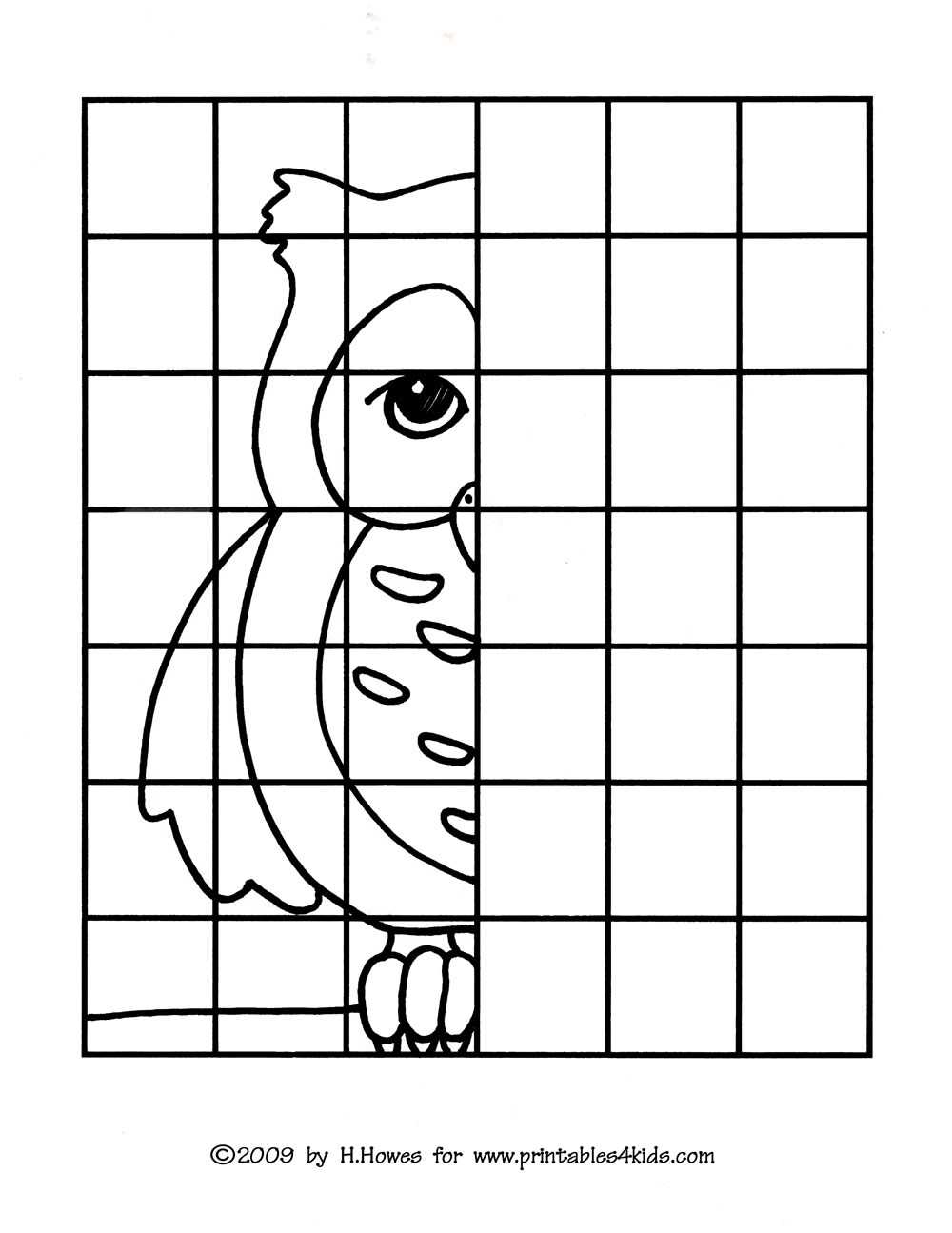
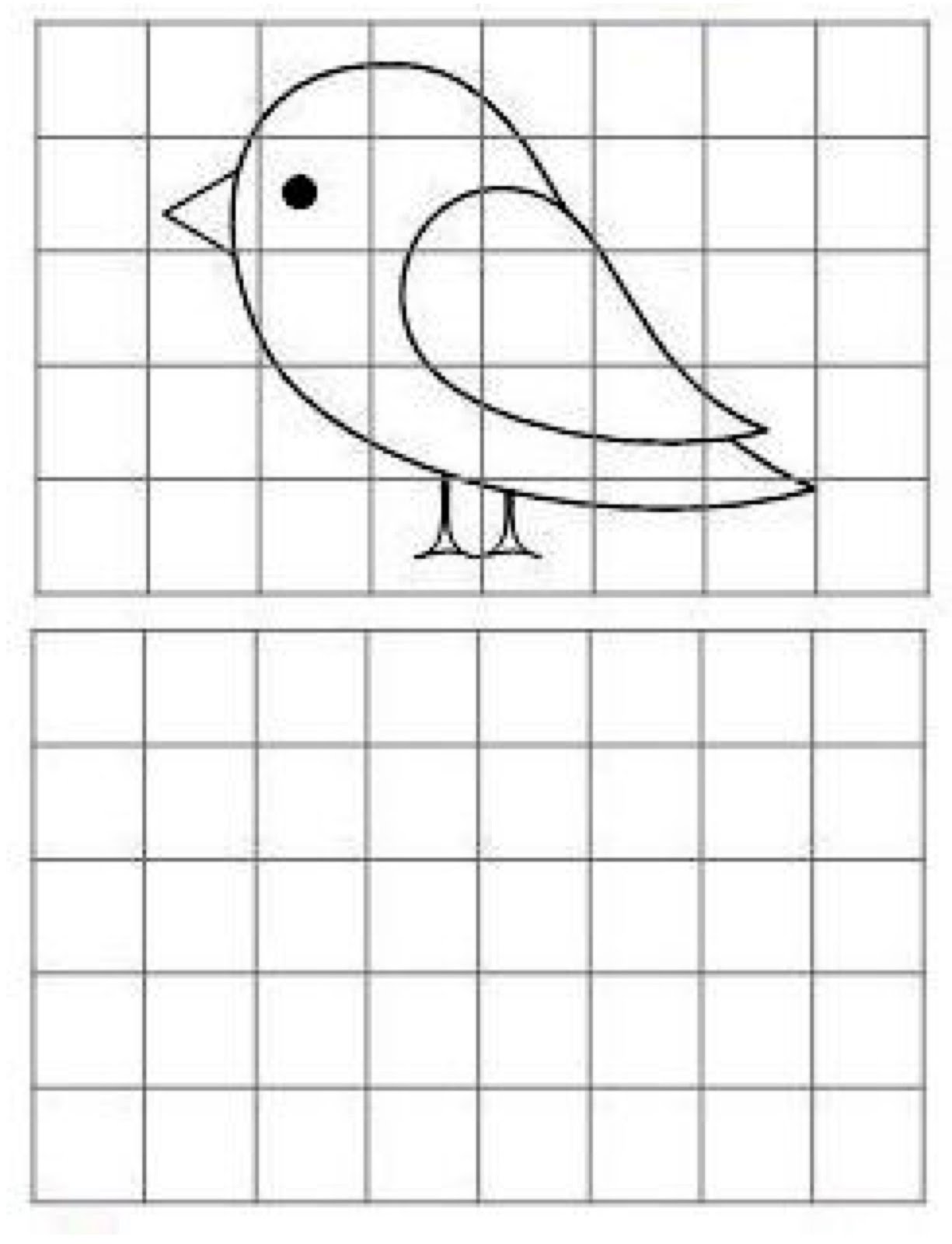
A grid drawing book for kids utilizes a structured coordinate system to break down complex photographic references into manageable spatial fragments, effectively developing foundational drawing accuracy, mathematical proportion estimation, and fine-motor control in early elementary learners. According to the National Art Education Association (NAEA), structured visual arts curricula that incorporate systematic observation techniques significantly enhance children’s spatial reasoning and visual processing capabilities. Educators, homeschoolers, and parents frequently integrate these resources into daily Educational Activities to bridge the gap between abstract visual perception and concrete fine-motor execution.
Visual Learning & Skill Snapshot:
- Core Focus: Systematic spatial breakdown using coordinate grids for proportional early childhood drawing mastery.
- Target Skill: Spatial reasoning, visual discrimination, fine-motor proportion, and observation-to-execution translation.
- Key Recommendation: Pair photographic reference sheets with low-complexity 2×2 or 3×3 grids before progressing to complex 4×4 matrices.
Core Principles and Visual Learning Overview
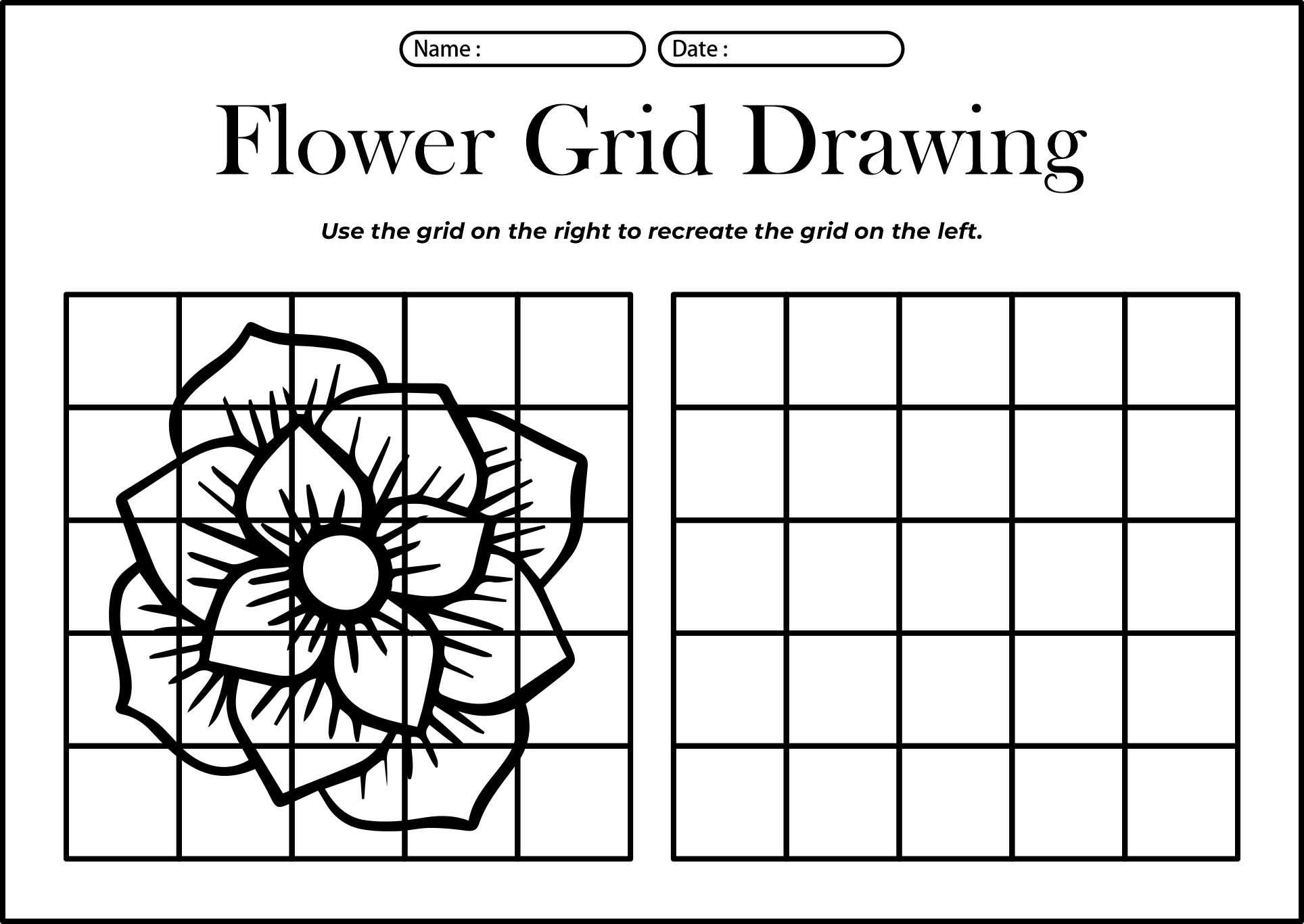
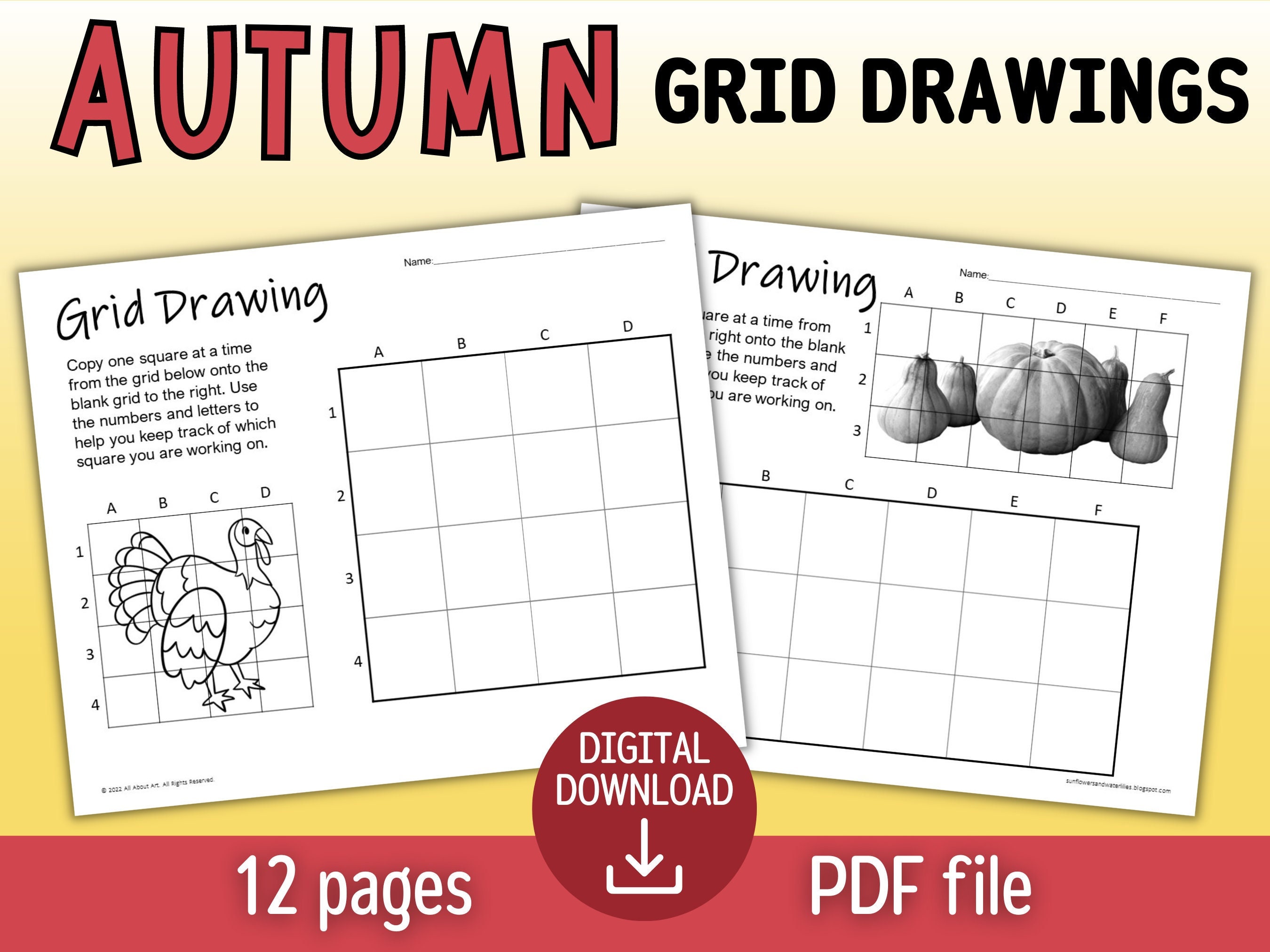
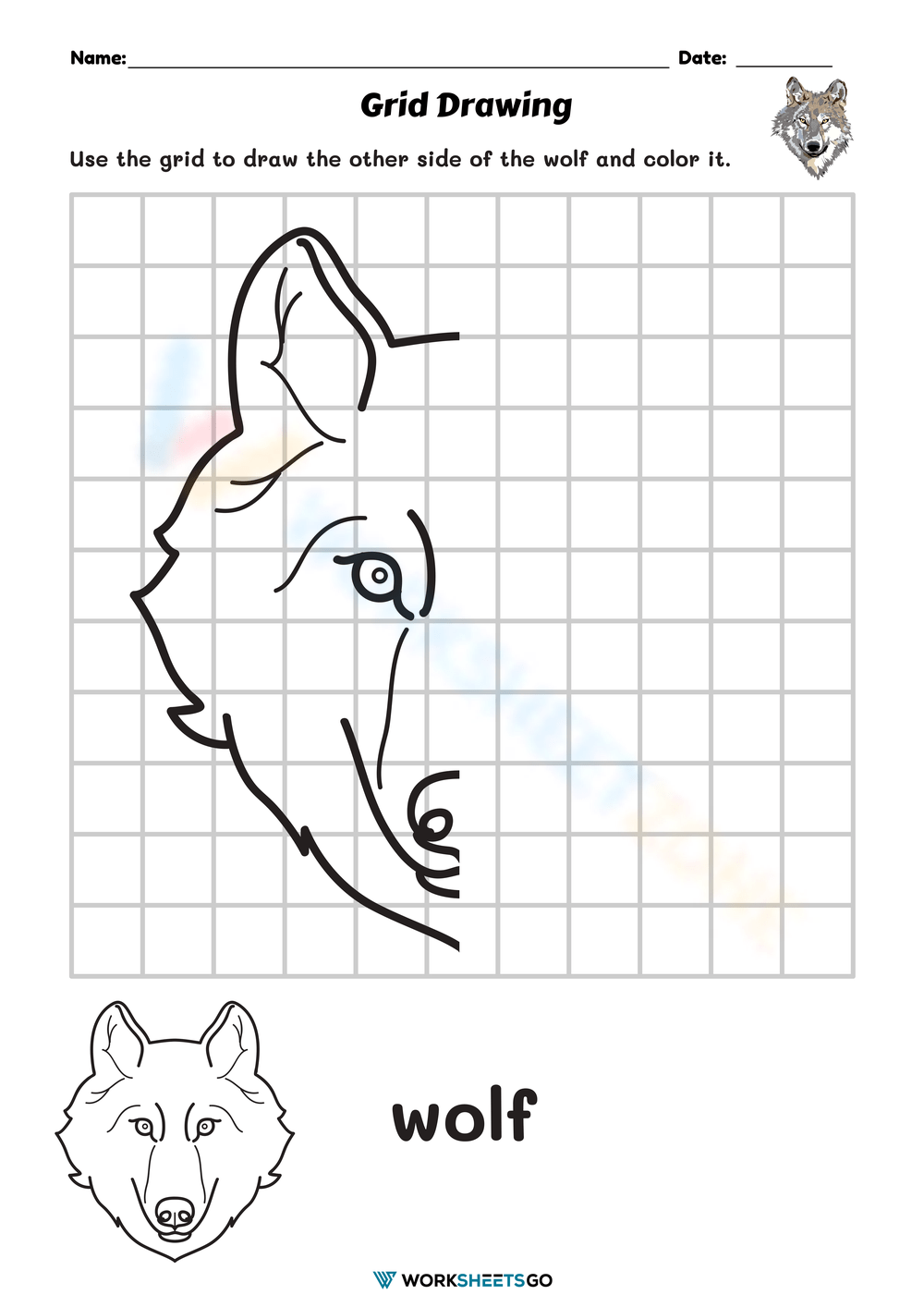
Grid drawing methodologies operate by training the developing brain to isolate individual squares rather than processing an overwhelming whole image, transforming complex visual stimuli into solvable, square-by-square coordinate puzzles. This approach heavily relies on pairing printable worksheets with real-world Photo Flashcards to strengthen visual memory, contour mapping, and eye-hand coordination. Children naturally transition from unstructured scribbling to precise line alignment as they learn to identify coordinate intersections, estimate angles, and replicate line curves within corresponding boxes. Incorporating structured Grid Drawing exercises ensures that young learners build confidence systematically, removing the frustration often associated with freehand proportional drawing.
Key Specifications and Breakdown
| Age / Learning Stage | Visual Skill & Grid Ratio | Pedagogical Application & Scaffolding |
|---|---|---|
| Ages 4-5 (Early Pre-K) | 2×2 Matrix; Basic Shape Identification | Focuses on simple photographic subjects, vertical/horizontal alignment, and large motor pencil strokes. |
| Ages 6-7 (Early Elementary) | 3×3 Matrix; Proportional Angle Matching | Employs real photo references of animals and objects to practice contour mapping and line tracking. |
| Ages 8-9 (Advanced Elementary) | 4×4 Matrix; Complex Detail Synthesis | Introduces intricate shading, fine motor scale reduction, and independent coordinate cross-referencing. |
Systematic visual arts instruction utilizing coordinate grid frameworks accelerates bilateral integration and geometric spatial mapping during the primary developmental years. — National Art Education Association (NAEA)
Step-by-Step Practical Application and Printing Guidelines
Executing an effective grid-based lesson requires selecting high-contrast photographic references, printing worksheets on heavyweight cardstock to prevent pencil tearing, and providing clear framing tools to isolate individual grid squares during copying. Educators should instruct learners to begin at the top-left coordinate cell, checking boundaries mentally before transferring lines downward to maintain structural proportion. Utilizing non-smudge graphite pencils alongside transparent grid overlays allows young artists to easily erase and refine alignment without compromising the original reference sheet. Consistent daily practice sessions lasting ten to fifteen minutes yield optimal cognitive retention and motor memory development.
Common Challenges and How to Avoid Them
Overcoming early learner frustration involves addressing common pitfalls such as skipping coordinate checks, rushing through complex diagonal lines, or attempting overly dense matrices prematurely. When children jump directly to advanced grid densities, spatial overload occurs, leading to inaccurate proportions and diminished engagement; educators must strictly scaffold the transition from 2×2 layouts up to 4×4 frameworks. Furthermore, providing physical cardstock window frames to isolate a single active square helps mitigate visual distraction from surrounding image data, ensuring focused and successful execution.
💬 Frequently Asked Questions
Explore More Free Learning Printables and Visual Activities on WePhotoAgency
Accessing comprehensive visual learning resources empowers educators and parents to cultivate foundational spatial intelligence, artistic confidence, and cognitive dexterity through structured printables. Explore the complete collection of developmental tools, flashcards, and step-by-step guides available directly at WePhotoAgency.com to elevate early childhood education initiatives today.
Visual Reference Gallery