Introduction
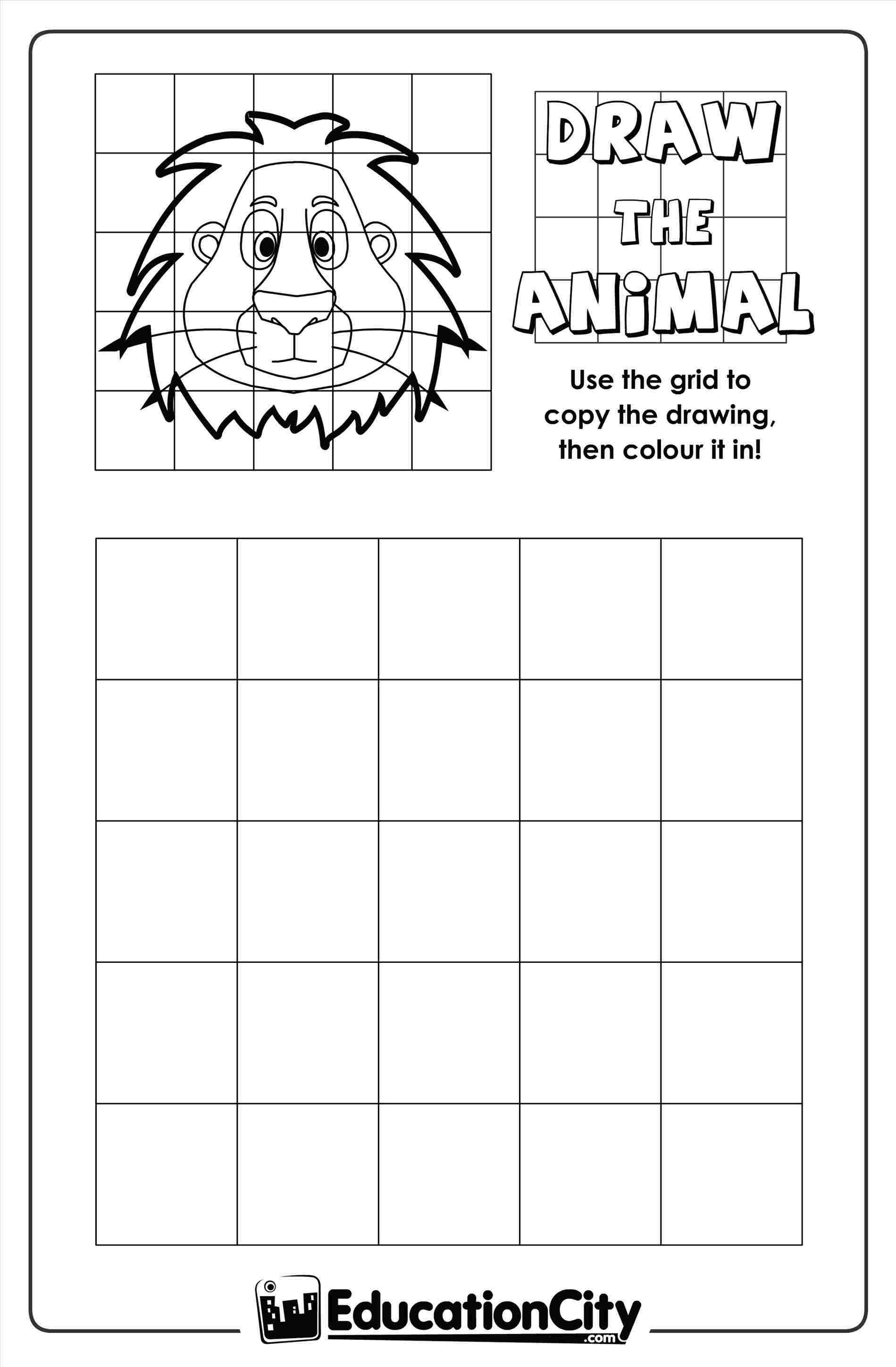
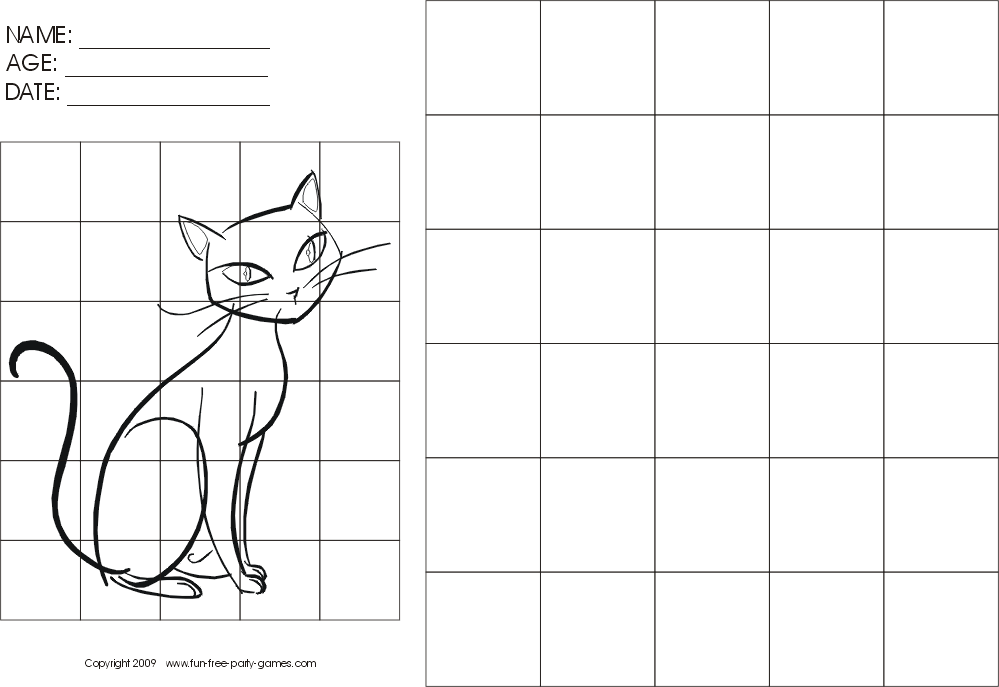
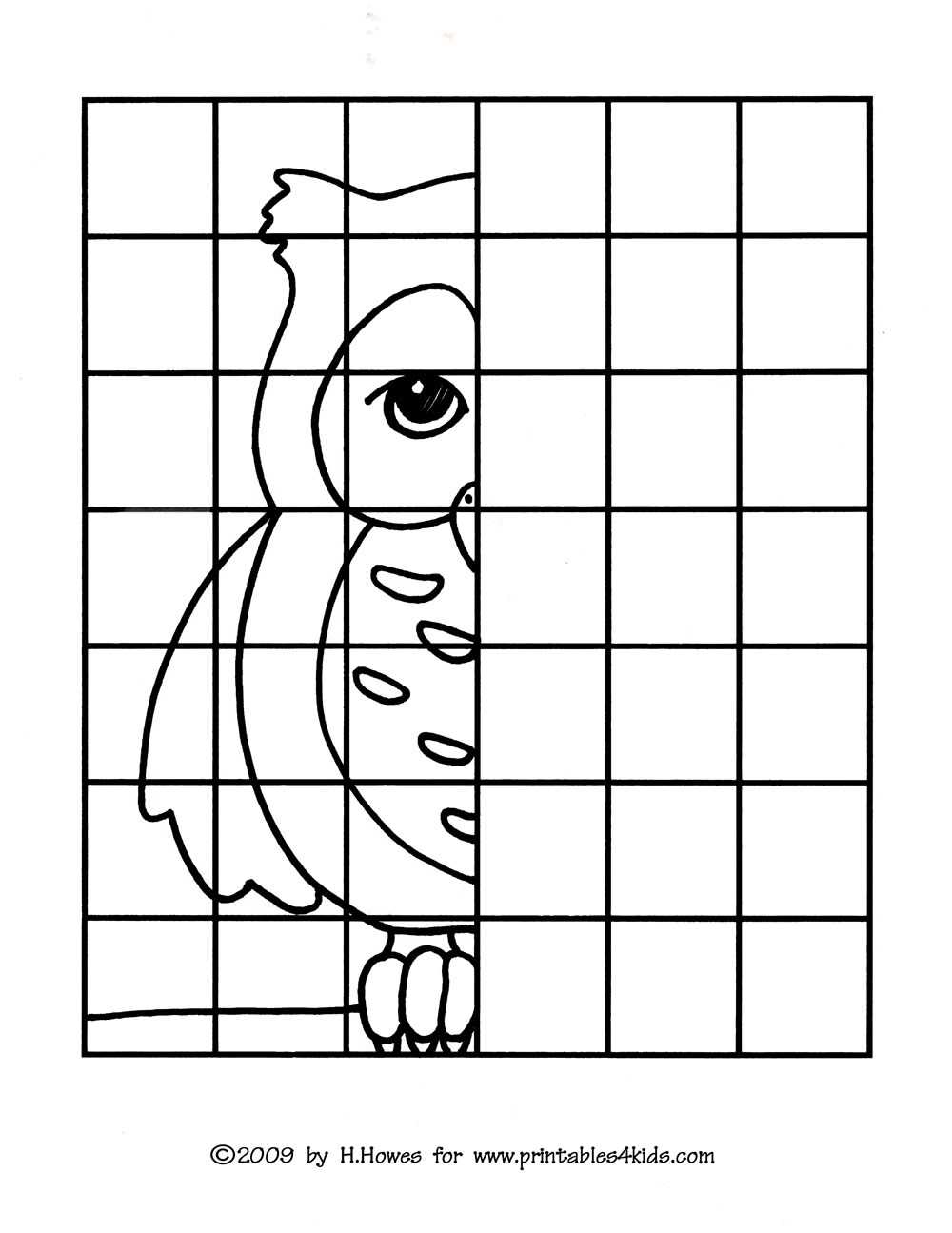
Grid drawing activities systematically break down complex visual imagery into manageable segments by overlaying a structured grid onto a reference picture and a corresponding blank canvas. According to the National Association for the Education of Young Children (NAEYC), structured visual-spatial exercises during early childhood development successfully enhance critical observation skills, cognitive mapping, and fine-motor precision. Utilizing printable Grid Drawing worksheets alongside real photographic references bridges the gap between abstract visual perception and concrete motor execution, transforming overwhelming artistic tasks into achievable cognitive steps for young learners.
Visual Learning & Skill Snapshot:
- Core Focus: Systematic decomposition of complex visual reference images using proportional coordinate grids.
- Target Skill: Spatial reasoning, visual discrimination, fine-motor proportion, and photo-based concept mastery.
- Key Recommendation: Pair high-contrast real photo visual flashcards with 2×2 or 3×3 simple grids before attempting complex multi-square compositions.
Core Principles and Visual Learning Overview
Proportional estimation and spatial awareness develop most effectively when children learn to isolate small graphical units rather than attempting to comprehend an entire image simultaneously. When educators integrate Photo Flashcards into grid-based lessons, learners naturally shift away from symbolic drawing shortcuts—such as drawing what the brain assumes an object looks like—and instead record exact lines, curves, and negative spaces observed inside an isolated coordinate square. This cognitive shift trains the visual cortex to accurately measure angles, estimate relative sizes, and translate two-dimensional photographic details onto paper with remarkable geometric fidelity.
Key Specifications and Breakdown
| Age / Learning Stage | Visual Skill & Grid Ratio | Pedagogical Application & Scaffolding |
|---|---|---|
| Ages 4-5 (Early Explorers) | 2×2 Grid; Basic shapes and high-contrast silhouettes | Focus on landmark recognition and matching single lines within isolated quadrants. |
| Ages 6-7 (Emerging Artists) | 3×3 Grid; Detailed real photographic objects | Emphasize proportion estimation, tracing intersections, and line continuity across grid borders. |
| Ages 8-10 (Proficient Learners) | 4×4 or finer Grid; Complex photographic compositions | Incorporate advanced shading, texture replication, and independent reference scaling. |
Systematic visual division through grid frameworks accelerates cognitive mapping, spatial memory retention, and fine-motor execution across early elementary cohorts — National Art Education Association (NAEA)
Step-by-Step Practical Application and Printing Guidelines
Executing effective drawing sessions requires high-clarity print materials, distraction-free workspaces, and intentional scaffolding tailored to the child’s developmental milestone. Educators should begin by selecting clean, high-contrast reference sheets from comprehensive Educational Activities collections, ensuring the grid lines are distinct without obscuring the underlying photograph. Instruct learners to tackle one square at a time, covering adjacent squares with a blank card to minimize visual overload, and encourage light pencil sketching so minor proportion adjustments can be easily erased before final outlining.
Common Challenges and How to Avoid Them
Frustration during grid execution typically stems from learners attempting to draw across multiple squares simultaneously rather than focusing strictly on internal coordinate intersections. Supporting young artists involves teaching them to locate specific anchor points—such as where a curve touches a grid line—before connecting the strokes. Providing larger grid cells during initial practice sessions prevents hand cramping and allows developing fine-motor control to catch up with advanced visual observation skills.
💬 Frequently Asked Questions
Explore More Free Learning Printables and Visual Activities on WePhotoAgency
Expanding spatial reasoning, fine-motor coordination, and observational accuracy requires a robust library of structured visual resources and developmental tools. Educators, parents, and homeschool providers can discover an extensive collection of print-ready materials, targeted worksheets, and creative learning resources directly by visiting WePhotoAgency.com to elevate daily instructional practice.
Visual Reference Gallery