Introduction
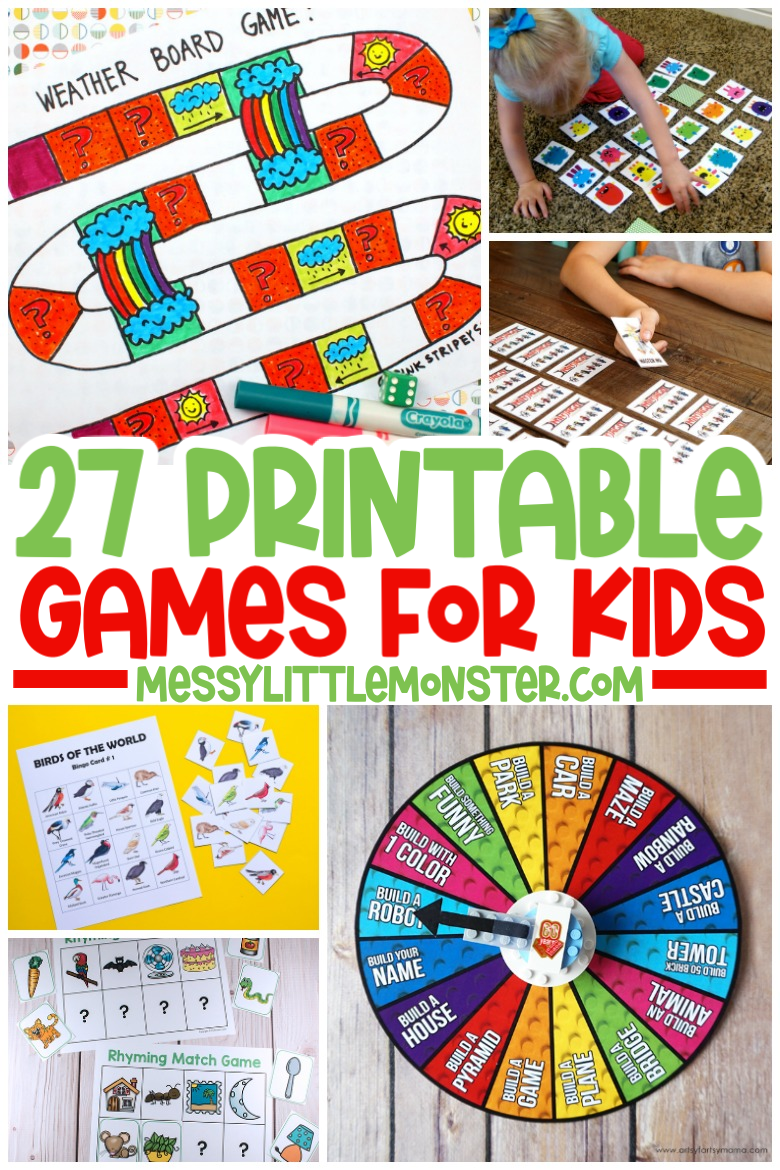
Structured visual exercises and interactive games serve as fundamental catalysts for cognitive growth, spatial reasoning, and early childhood fine-motor development. According to the National Association for the Education of Young Children (NAEYC), purposeful play involving visual-spatial manipulation significantly enhances geometric comprehension, observational accuracy, and early mathematical readiness in young learners. Integrating engaging, print-based activities into the domestic routine transforms casual playtime into a structured cognitive workshop that supports analytical thinking.
Visual Learning & Skill Snapshot:
- Core Focus: Fun educational games for kids at home utilizing grid worksheets and real photo cards.
- Target Skill: Spatial reasoning, visual discrimination, fine-motor proportion, and photo-based concept mastery.
- Key Recommendation: Pair structured coordinate-based templates with authentic photography to anchor abstract concepts in concrete reality.
Core Principles and Visual Learning Overview
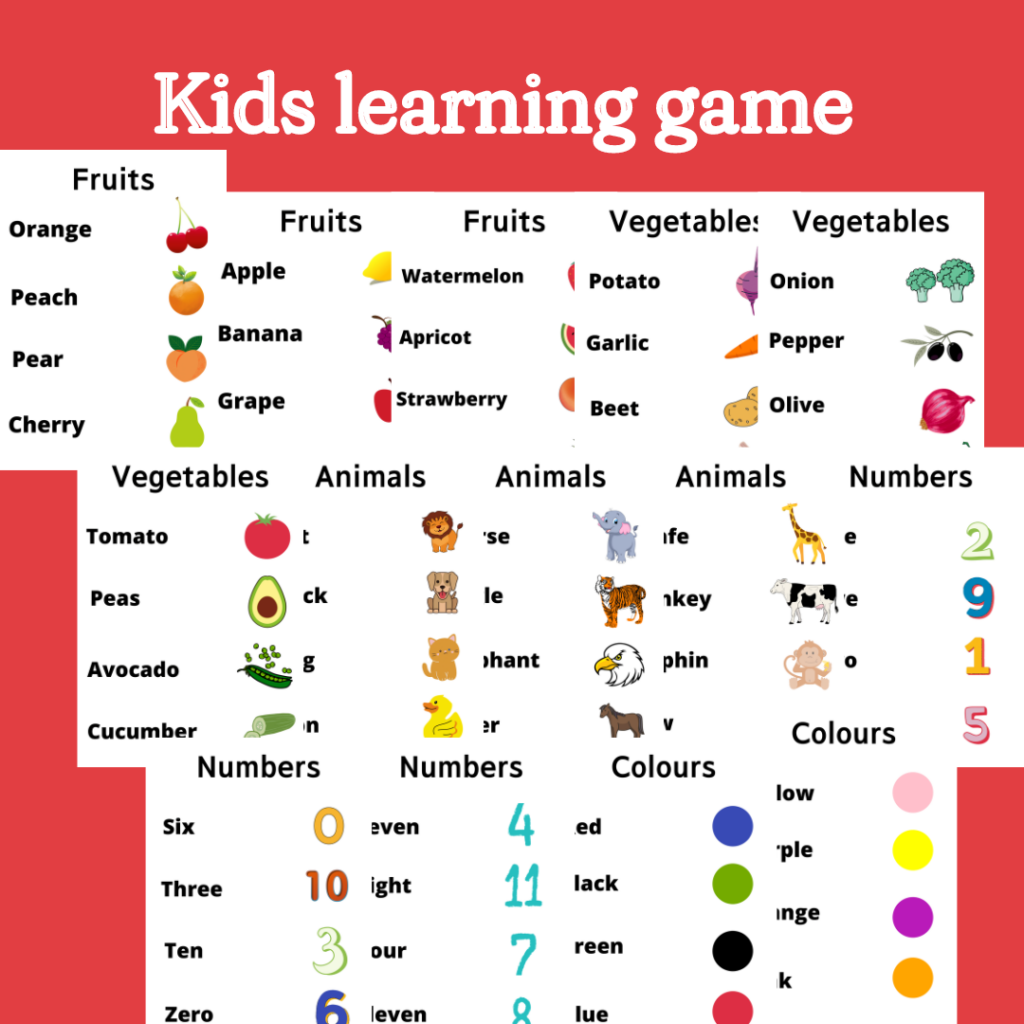
Targeted learning games bridge the gap between creative expression and analytical precision by leveraging print-ready resources such as Grid Drawing worksheets. Spatial awareness develops effectively when children learn to isolate coordinate cells, estimate visual proportions, and transfer complex shapes from a master reference onto a blank grid matrix. Concurrently, utilizing Photo Flashcards grounded in high-resolution real-world photography enhances visual literacy, memory retention, and categorization skills far beyond what abstract cartoon illustrations achieve. Educators and parents harness these tactile media to foster self-directed inquiry and improve hand-eye coordination without relying on passive screen time.
Key Specifications and Breakdown
| Age / Learning Stage | Visual Skill & Grid Ratio | Pedagogical Application & Scaffolding |
|---|---|---|
| Ages 3-4 (Early Explorer) | 2×2 or 3×3 simple photo grid | Focuses on basic object identification, matching whole shapes, and building foundational fine-motor pencil control. |
| Ages 5-7 (Developing Artist) | 4×4 to 6×6 coordinate matrix | Encourages proportional estimation, line symmetry, visual tracking, and cross-referencing isolated quadrant details. |
| Ages 8-10 (Advanced Observer) | 8×8 or higher complex grids | Refines analytical perspective drawing, scale transformation, attention to micro-detail, and independent error correction. |
Early visual-spatial training through structured coordinate drawing and authentic photographic flashcards establishes critical neural pathways for future geometry, spatial reasoning, and reading comprehension. — National Art Education Association (NAEA)
Step-by-Step Practical Application and Printing Guidelines
Executing these hands-on learning sessions requires selecting high-contrast, clean printable assets from dedicated Educational Activities libraries and preparing a distraction-free workspace. Print all grid worksheets and photo references on heavyweight matte cardstock (65lb to 80lb) to prevent ink bleed-through and ensure durability against frequent eraser use. Provide children with primary HB graphite pencils, soft vinyl erasers, and colored clipping clips to secure the reference sheet directly beside the drawing template, minimizing physical head movement and reducing parallax visual errors during proportion estimation.
Common Challenges and How to Avoid Them
Frustration during grid scaling or photo matching usually stems from attempting overly complex coordinate ratios before the child has mastered foundational spatial division. Mitigate this challenge by starting with simple, thick-bordered 2×2 grids, physically masking off surrounding unworked squares with index cards to reduce visual clutter, and praising accurate line intersections rather than final artistic perfection. Encouraging patience through short, timed intervals transforms challenging drawing sessions into enjoyable cognitive milestones.
💬 Frequently Asked Questions
Explore More Free Learning Printables and Visual Activities on WePhotoAgency
Accessing a rich repository of printable learning materials empowers educators and caregivers to design engaging, skill-building environments right in the living room or classroom. Discover an extensive collection of structured drawing worksheets, photographic flashcards, and developmental exercises by visiting WePhotoAgency.com to elevate daily learning experiences.
Visual Reference Gallery