Introduction
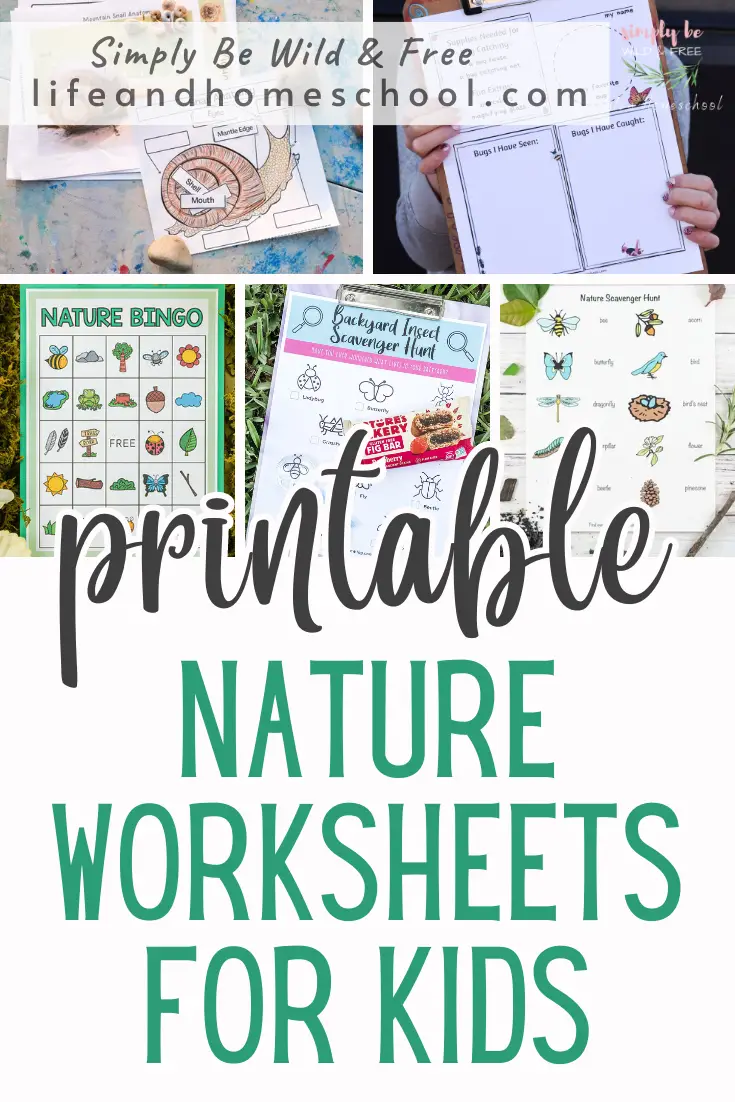
Educational nature activities for kids bridge tactile outdoor exploration with structured cognitive development by utilizing printable grid drawing worksheets, real photo visual flashcards, and hands-on observation exercises to boost spatial awareness. According to the National Association for the Education of Young Children (NAEYC), integrating direct visual-spatial manipulation with natural stimuli significantly accelerates early childhood pattern recognition and fine-motor coordination. Educators, homeschoolers, and early elementary instructors leverage these multi-sensory materials to transform unstructured outdoor discoveries into rigorous foundational art and science lessons. Exploring these structured resources enhances observation skills, deepens proportion estimation capabilities, and anchors abstract geometric concepts into tangible environmental experiences.
Visual Learning & Skill Snapshot:
- Core Focus: Systematic cognitive enhancement through photo-based nature observation and grid-based visual reproduction.
- Target Skill: Spatial reasoning, visual discrimination, fine-motor proportion estimation, and real-world pattern analysis.
- Key Recommendation: Pair high-contrast macro photography flashcards directly with scaled drawing grids to reinforce proportional translation.
Core Principles and Visual Learning Overview
Spatial reasoning develops most effectively when young learners systematically bridge photographic realism with structured graphical coordinates. Utilizing Grid Drawing worksheets provides children with a mathematical framework that demystifies complex organic shapes found in leaves, flowers, and insects. By breaking down a botanical subject into individual square coordinates, children learn to isolate contour lines, measure negative space, and execute accurate proportion estimation without feeling overwhelmed by an entire composition. Concurrently, incorporating high-definition Photo Flashcards ensures that learners engage with authentic color palettes, authentic surface textures, and accurate anatomical structures rather than oversimplified cartoon depictions.
Key Specifications and Breakdown
| Age / Learning Stage | Visual Skill & Grid Ratio | Pedagogical Application & Scaffolding |
|---|---|---|
| Ages 3-4 (Early Explorer) | 2×2 or 3×3 Macro Grid | Focuses on broad photo matching and basic shape isolation using real photographic flashcards. |
| Ages 5-6 (Kindergarten) | 4×4 Intermediate Grid | Develops line continuity, proportional scaling, and observational hand-eye coordination. |
| Ages 7-8 (Early Elementary) | 6×6 Advanced Proportion Grid | Refines intricate detail mapping, symmetry analysis, and independent botanical documentation. |
Systematic spatial partitioning through grid-based drawing significantly enhances cognitive mapping, visual memory retention, and fine-motor precision in early childhood development. — National Art Education Association (NAEA)
Step-by-Step Practical Application and Printing Guidelines
Implementing these printable assets requires a structured progression from direct sensory observation to precise graphical execution. Educators should begin by guiding children to collect natural specimens outdoors and pair them immediately with matching photographic reference cards to establish visual context. Next, present the corresponding grid worksheet printed on heavy-weight cardstock to prevent tearing and bleeding during pencil or marker application. Instruct learners to analyze each coordinate square independently, identifying intersection points before sketching contour lines. For comprehensive developmental lessons, explore structured Educational Activities designed to seamlessly integrate fine arts with biological observation.
Common Challenges and How to Avoid Them
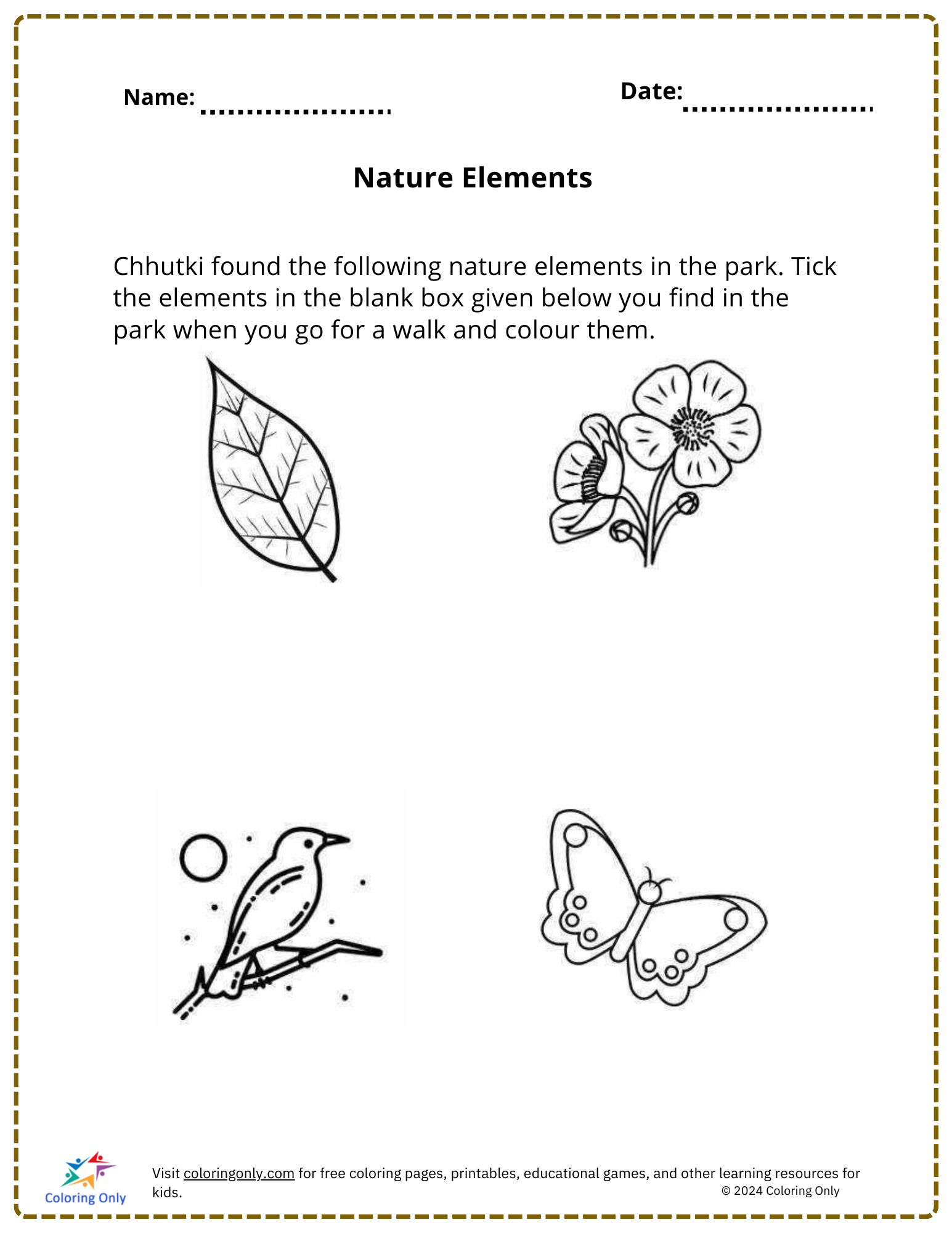
Frustration during grid drawing typically stems from attempting complex, multi-element botanical scenes before mastering single-object coordinate mapping. Instructors can prevent cognitive overload by isolating individual natural specimens—such as a single fern frond or pinecone—on high-contrast reference cards before introducing dense clusters. If children struggle with proportional scaling across grid lines, encourage the use of cardboard viewfinders or transparent drafting frames to isolate one grid coordinate at a time. Emphasize that observational accuracy matters more than hyper-realistic perfection, framing early mistakes as vital iterations in visual problem-solving.
💬 Frequently Asked Questions
Explore More Free Learning Printables and Visual Activities on WePhotoAgency
Unlocking the full potential of visual-spatial education requires access to high-quality, educator-designed printables that merge scientific observation with artistic execution. Educators, parents, and homeschool leaders can discover an extensive, continuously updated collection of instructional materials, photographic learning aids, and developmental worksheets directly on the primary portal at WePhotoAgency.com to elevate early childhood curricula.
Visual Reference Gallery