Introduction
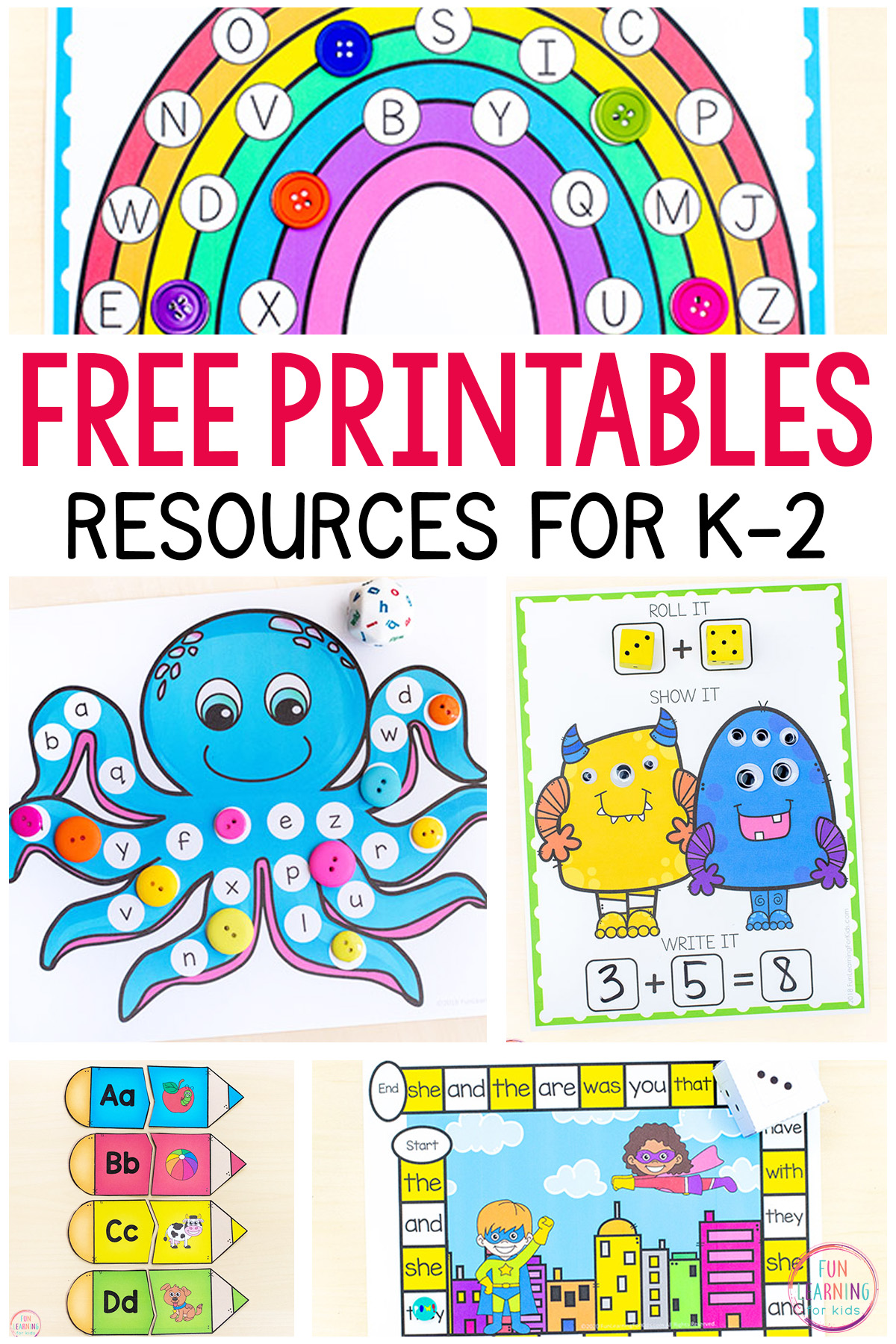
Educational learning activities for kids systematically bridge the gap between abstract visual concepts and concrete cognitive processing by utilizing structured templates and photographic media. According to the National Association for the Education of Young Children (NAEYC), hands-on visual experiences actively reinforce neurological pathways responsible for spatial reasoning, fine-motor coordination, and visual-spatial working memory during formative developmental stages. Integrating structured exercises such as Grid Drawing worksheets allows children to break down complex organic forms into manageable geometric coordinates, fostering analytical observation skills. Complementing these exercises with real photographic aids provides concrete reference points that accelerate literacy, categorization, and pattern recognition. Educators, homeschoolers, and parents seeking structured printable assets can easily navigate resources through Educational Activities designed for diverse developmental tiers. Establishing a daily routine centered around tactile visual tasks ensures young learners build a robust foundation for geometry, art, and critical observation.
Visual Learning & Skill Snapshot:
- Core Focus: Systematic implementation of educational learning activities for kids utilizing grid coordinates and real photographic stimuli.
- Target Skill: Spatial reasoning, visual discrimination, fine-motor proportion estimation, and photographic observation.
- Key Recommendation: Pair photographic reference cards directly alongside scaled coordinate boxes to anchor visual proportion.
Core Principles and Visual Learning Overview
Structured visual manipulation transforms passive observation into active cognitive mapping by requiring children to analyze proportions segment by segment. Utilizing Photo Flashcards alongside coordinate worksheets grounds abstract drawing tasks in real-world visual data, teaching young minds to translate three-dimensional photographic subjects into two-dimensional line representations. This dual approach develops executive functioning, hand-eye synchronization, and analytical patience. Children learn to isolate individual squares within a matrix, reducing visual overwhelm and encouraging meticulous attention to detail. Scaffolding this process from simple two-by-two grids up to advanced multi-square arrays ensures continuous cognitive growth without inducing frustration.
Key Specifications and Breakdown
| Age / Learning Stage | Visual Skill & Grid Ratio | Pedagogical Application & Scaffolding |
|---|---|---|
| Ages 3-4 (Early Explorer) | 2×2 simple grid, high-contrast photo flashcards | Focuses on basic shape recognition, directional vocabulary, and foundational gross-to-fine motor translation. |
| Ages 5-7 (Developing Analyst) | 4×4 intermediate grid, real photographic objects | Builds proportion estimation, spatial alignment, and line continuity using concrete photographic models. |
| Ages 8-10 (Advanced Observer) | 6×6 complex grid, detailed nature and architectural photography | Refines perspective calculation, scaling accuracy, and independent error-checking methodologies. |
Systematic visual arts engagement through geometric partitioning and photographic reference directly strengthens visuospatial working memory and analytical proportion estimation in early childhood. — National Art Education Association (NAEA)
Step-by-Step Practical Application and Printing Guidelines
Executing structured visual worksheets effectively requires high-contrast printing, durable paper stock, and calm, well-lit workspace environments. Begin by printing worksheets at one-hundred percent scale without page-fitting distortions to ensure grid proportions remain mathematically precise. Place the reference image or photo flashcard directly adjacent to the blank coordinate grid so children can scan back and forth with minimal head movement. Instruct learners to start with the topmost corner square, identifying intersection points where lines cross grid boundaries before executing pencil strokes. Provide eraser-free initial sessions to encourage confident, deliberate mark-making and reduce anxiety over perfection. Regularly rotate subject matter—transitioning from botanical photographs to animal portraits—to maintain high engagement and broad visual vocabulary acquisition.
Common Challenges and How to Avoid Them
Children frequently experience frustration when attempting to copy an entire image simultaneously instead of isolating individual grid squares for focused analysis. Educators and parents can prevent this common hurdle by providing physical sliding masks or blank index cards that isolate a single grid box at a time, forcing targeted visual concentration. Another frequent issue involves improper pencil pressure and eraser dependency, which distorts paper fibers and ruins grid alignment. Enforcing light, sketchy guidelines during initial coordinate mapping resolves this problem, allowing clean final outlines to be drawn decisively afterward. Maintaining a growth-oriented, patient atmosphere ensures that precision develops naturally alongside artistic confidence.
💬 Frequently Asked Questions
Explore More Free Learning Printables and Visual Activities on WePhotoAgency
Accessing comprehensive collections of professional visual arts worksheets and developmental tools empowers educators and parents to cultivate lifelong analytical skills. Visiting the main portal at WePhotoAgency.com provides immediate, cost-free access to categorized printables, instructional guides, and dynamic learning assets tailored for every educational milestone.
Visual Reference Gallery