Introduction
Educational games worksheets and more for kids encompass structured printables and visual exercises that systematically develop spatial awareness, proportion estimation, and observational fine-motor skills. According to the National Association for the Education of Young Children (NAEYC), purposeful engagement with visual-spatial materials during early childhood directly strengthens mathematical and literacy foundations by enhancing cognitive mapping and visual discrimination. Educators, homeschoolers, and parents frequently utilize printable Grid Drawing exercises alongside real photographic references to transition children from abstract shape recognition to precise physical reproduction. Introducing these developmental resources early ensures that cognitive growth is supported through hands-on, self-paced sensory exploration.
Visual Learning & Skill Snapshot:
- Core Focus: Integrating print-based grid challenges and photo-real flashcards to build early cognitive skills.
- Target Skill: Spatial reasoning, visual discrimination, fine-motor proportion, and observation.
- Key Recommendation: Pair photographic references with low-density grid templates before moving to complex multi-box ratios.
Core Principles and Visual Learning Overview
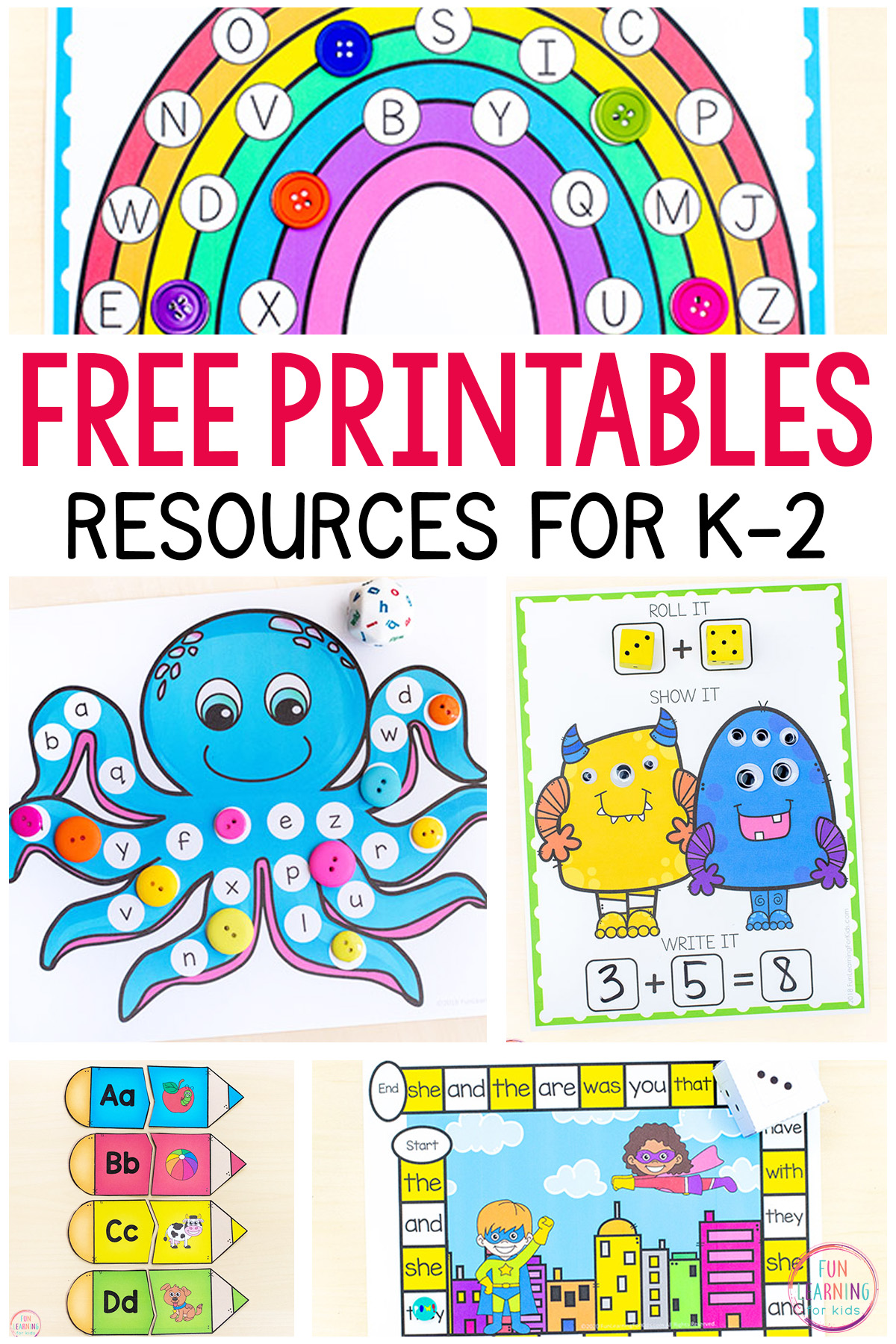
Visual learning systems rely on breaking complex visual stimuli into digestible coordinate zones using Photo Flashcards and structured coordinate blocks. Direct observation of real photographs trains children to look past preconceived mental symbols of objects and focus strictly on line, angle, negative space, and tonal proportion. When children replicate realistic images box-by-box, the brain engages both analytical hemisphere processing and creative motor output simultaneously. Utilizing multi-tiered Educational Activities guarantees that learners can gradually build confidence from basic 2×2 grids up to intricate high-resolution proportional challenges without experiencing cognitive overload.
Key Specifications and Breakdown
| Age / Learning Stage | Visual Skill & Grid Ratio | Pedagogical Application & Scaffolding |
|---|---|---|
| Ages 4-5 (Early Years) | 2×2 Grid / High Contrast Photo | Focuses on basic quadrant isolation and fundamental pencil control using bold, simple photographic subjects. |
| Ages 6-7 (Early Elementary) | 4×4 Grid / Detailed Object Photos | Develops proportion estimation, cross-referencing lines, and intermediate hand-eye coordination mapping. |
| Ages 8-10 (Advanced Primary) | 6×6+ Grid / Complex Nature & Architecture | Enhances advanced spatial reasoning, perspective calculation, and meticulous visual observation skills. |
Systematic engagement with visual grid scaling and real-world photographic stimuli significantly accelerates children’s development of mental rotation, spatial memory, and fine-motor precision. — National Art Education Association (NAEA)
Step-by-Step Practical Application and Printing Guidelines
Executing printable visual activities successfully requires proper paper weight selection, distraction-free workspaces, and scrupulous attention to scaling ratios. Print all grid worksheets on heavy cardstock (minimum 65 lb / 176 gsm) to prevent pencil tearing and eraser wear during iterative sketching phases. Instruct children to cover unused sections of the grid with a blank index card to isolate individual coordinate boxes and minimize visual overwhelm. Providing a dedicated measuring straightedge or transparent overlay further assists young learners in cross-checking proportions before committing permanent ink or colored pencil strokes to the final output.
Common Challenges and How to Avoid Them
Rushing proportions and attempting overly dense grids too early represent the most frequent obstacles encountered by young learners. Children often draw what they assume an object looks like rather than meticulously copying the exact lines visible within a specific grid coordinate. Educators can counteract this tendency by turning reference images upside down, which temporarily disables the brain’s symbolic naming centers and forces pure observational drawing. Furthermore, ensuring that printables feature clear, bold grid coordinates (letters on the horizontal axis and numbers on the vertical axis) eliminates directional confusion.
💬 Frequently Asked Questions
Explore More Free Learning Printables and Visual Activities on WePhotoAgency
Integrating high-quality visual resources into a daily curriculum transforms abstract cognitive concepts into tangible, engaging achievements for young learners. Access an extensive, professionally curated library of coordinate challenges, observational tools, and developmental printables by visiting WePhotoAgency.com today to support continuous educational growth at home and in the classroom.
Visual Reference Gallery