Introduction
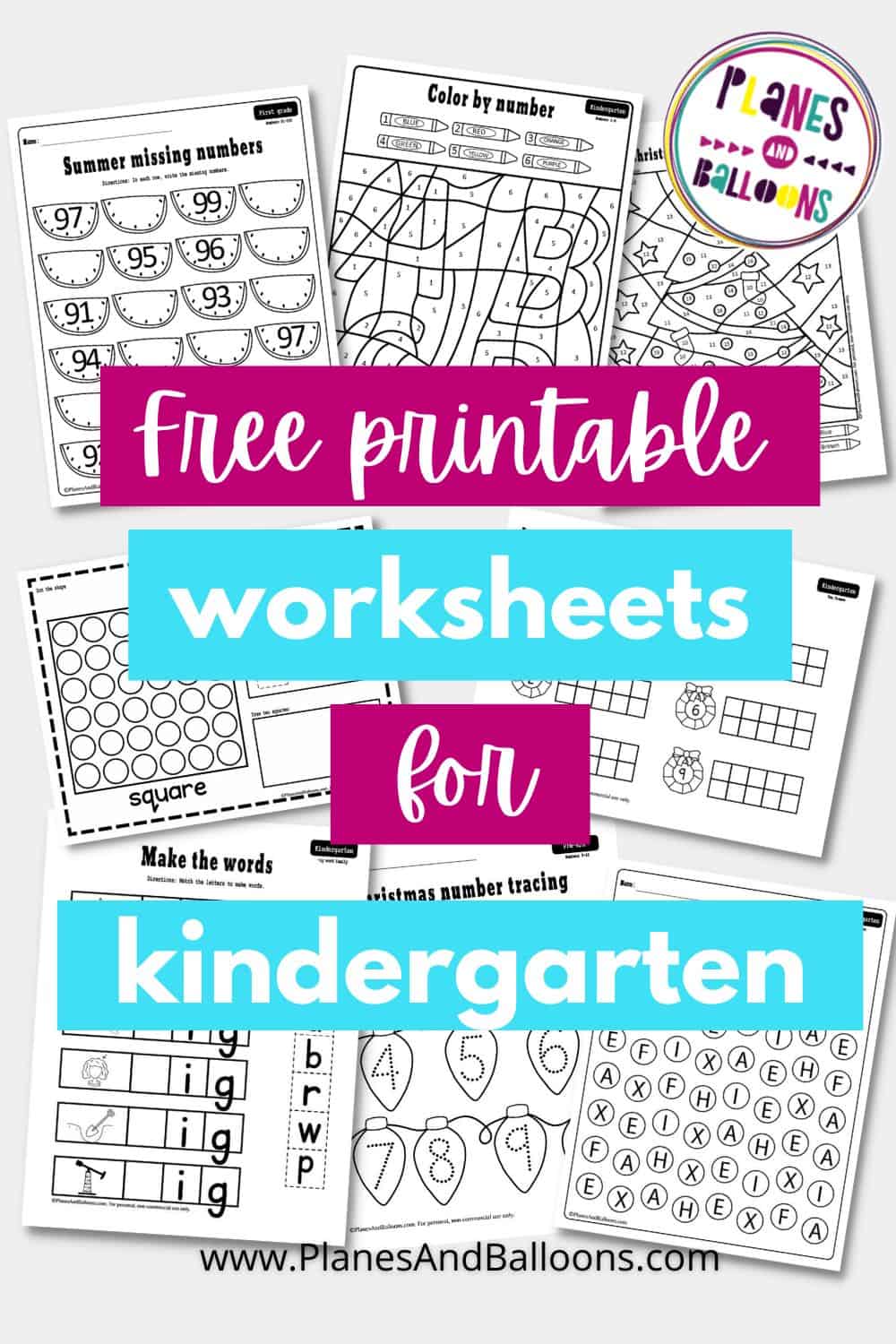
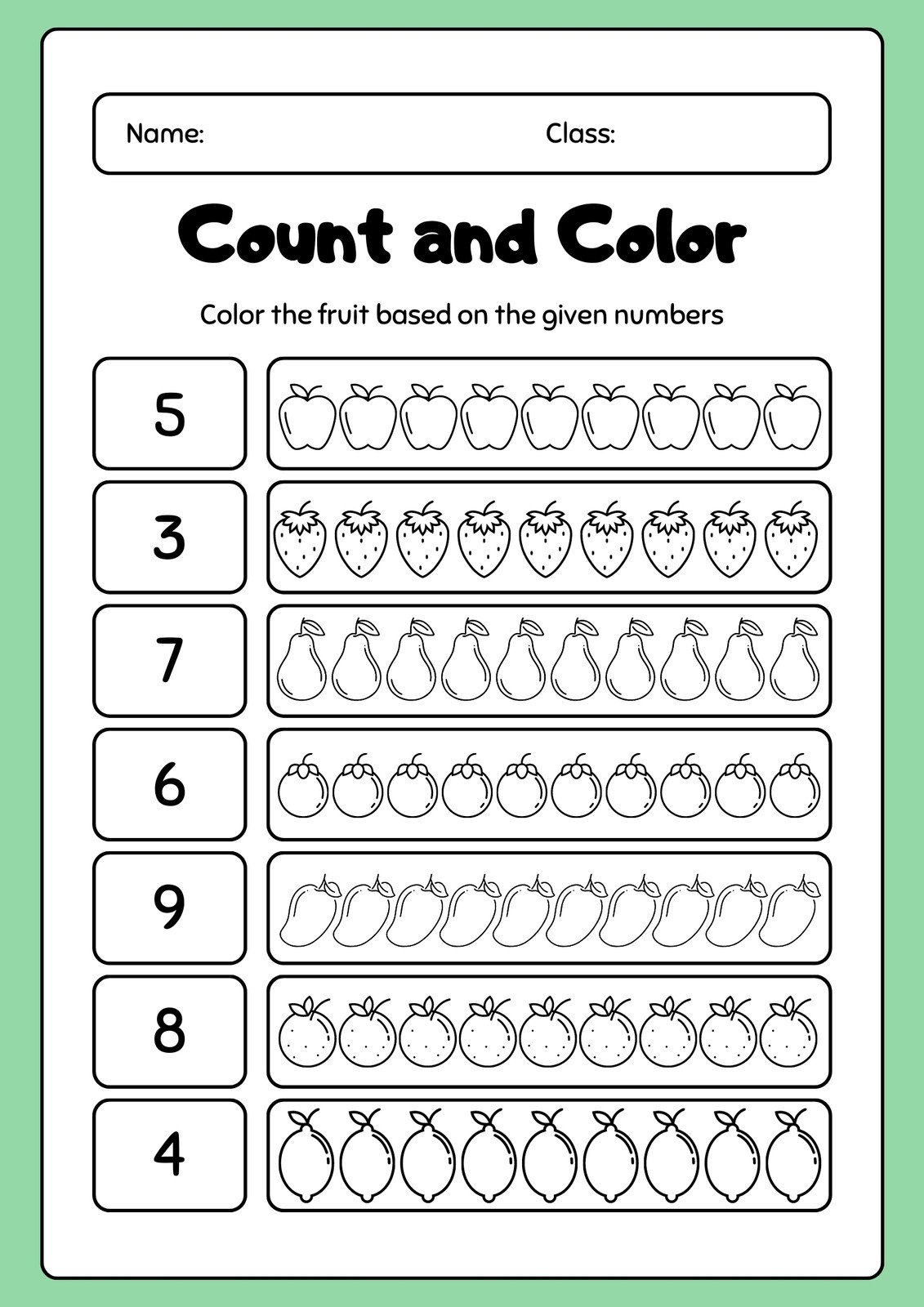
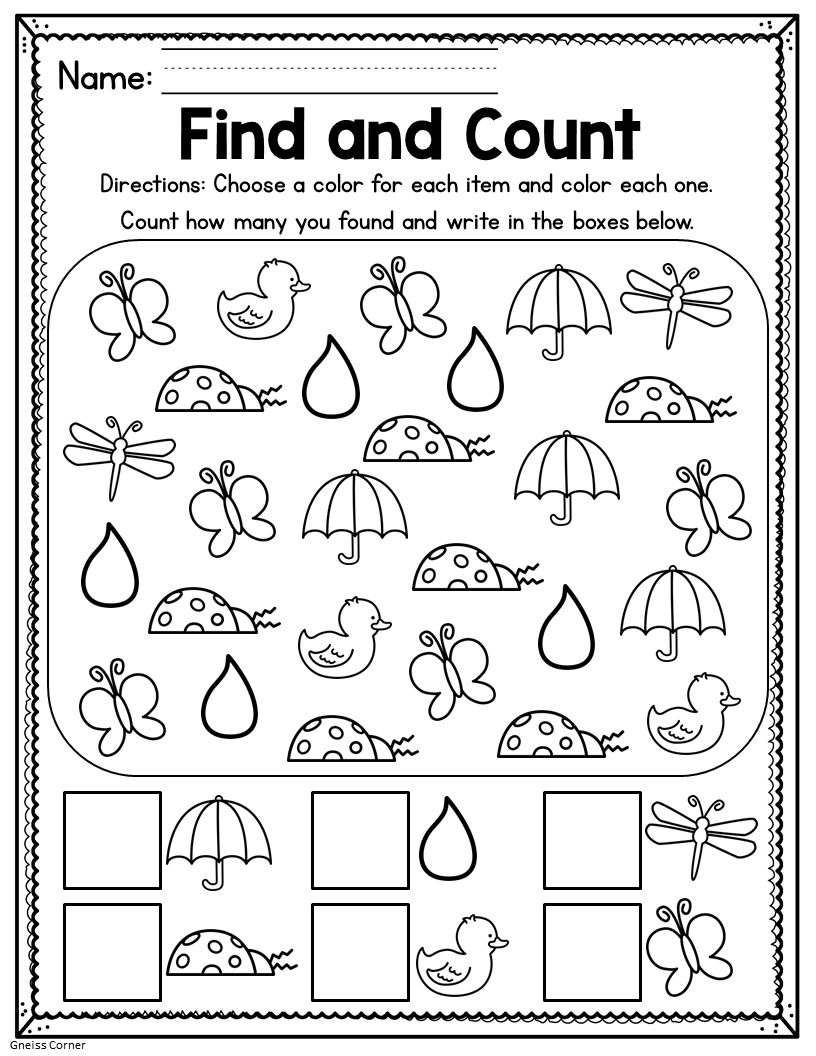
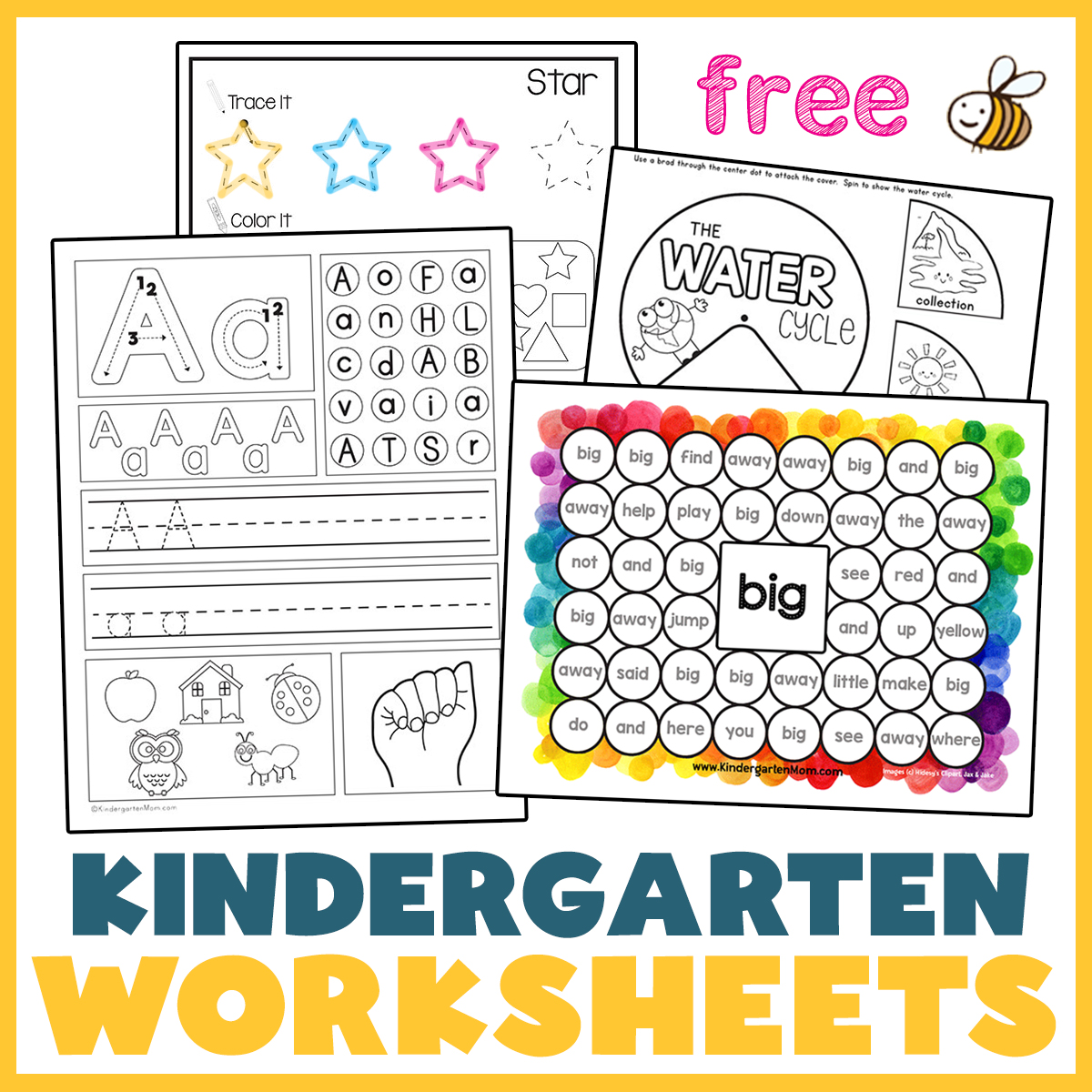
Educational activities for kindergarten printable encompass structured visual worksheets, grid-based drawing sheets, and photographic flashcards designed to bridge foundational fine-motor control with advanced cognitive mapping. According to the National Association for the Education of Young Children (NAEYC), developmentally appropriate visual-spatial practices significantly accelerate mathematical reasoning and structural observation in early learners. Utilizing carefully curated resources from the broader Educational Activities collection provides educators and caregivers with immediate tools to cultivate hand-eye coordination, observational precision, and spatial literacy without requiring complex material preparation.
Visual Learning & Skill Snapshot:
- Core Focus: Utilizing printable grid worksheets and real photo assets to build early spatial and proportion skills.
- Target Skill: Spatial reasoning, visual discrimination, fine-motor proportion control, and realistic observation.
- Key Recommendation: Implement large-scale 2×2 grids before advancing to complex multi-box ratios to ensure early success.
Core Principles and Visual Learning Overview
Structured visual printables train young children to break down complex pictorial elements into manageable, coordinate-based segments. When children engage with Grid Drawing exercises, the brain actively correlates visual reference points with tactile pencil movements, reinforcing left-to-right scanning habits essential for reading. Simultaneously, incorporating authentic imagery through Photo Flashcards replaces abstract illustrations with concrete visual data, grounding cognitive growth in real-world contexts and improving memory retention across diverse subject matters.
Key Specifications and Breakdown
| Age / Learning Stage | Visual Skill & Grid Ratio | Pedagogical Application & Scaffolding |
|---|---|---|
| Early Kindergarten (Ages 5-6) | 2×2 Grid Blocks with Bold Reference Lines | Focuses on quadrant identification, basic line continuity, and reducing visual clutter. |
| Mid Kindergarten (Ages 5.5-6.5) | 3×3 Grid Matrix with Real Photo Prompts | Builds intermediate proportion estimation and comparative sizing using authentic subjects. |
| Advanced Kindergarten (Ages 6-7) | 4×4 Detailed Coordinate Grids | Prepares learners for geometric thinking, symmetry recognition, and independent error checking. |
Structured visual activities foster critical spatial working memory and fine-motor synchronization by demanding simultaneous bilateral coordination and analytical observation. — National Art Education Association (NAEA)
Step-by-Step Practical Application and Printing Guidelines
Executing printable visual activities successfully requires heavy-weight cardstock paper and high-contrast, non-glare printer settings to protect young eyes from strain and ensure durability during manipulation. Educators should print master worksheets singly, slide them into reusable clear dry-erase pockets, and provide triangular anti-roll pencils to encourage correct tripod grasps. Direct the child to analyze a single grid square at a time, covering adjacent sections with an opaque card to isolate visual data, thereby reducing cognitive overload and promoting systematic scanning habits from top-left to bottom-right.
Common Challenges and How to Avoid Them
Overwhelming young learners with high-density grids or unscaled reference images frequently leads to frustration, rushed pencil strokes, and inaccurate proportion mapping. Prevent this by strictly matching the complexity of the printable resource to the current fine-motor developmental threshold of the child, pausing frequently to celebrate incremental accuracy rather than total artistic perfection. If a child struggles to replicate lines within a specific grid coordinate, temporarily reduce the visual field using a handheld cardboard view-finder window to isolate the exact focal point.
💬 Frequently Asked Questions
Explore More Free Learning Printables and Visual Activities on WePhotoAgency
Empowering early childhood development requires continuous access to high-quality, research-backed instructional tools that make spatial learning engaging and accessible. Discover a comprehensive collection of downloadable resources, expert tutorials, and innovative classroom tools by visiting WePhotoAgency.com to elevate daily instruction and spark a lifelong love for visual learning.
Visual Reference Gallery