Introduction
Educational activities for kids marble run challenge’ systematically bridge kinetic physics experiments with rigorous visual arts frameworks, fostering acute spatial reasoning and multi-step engineering precision. According to the National Association for the Education of Young Children (NAEYC), purposeful manipulation of physical objects within structured challenges significantly accelerates cognitive development, spatial vocabulary acquisition, and geometric proportional understanding in early childhood. This comprehensive instructional framework explores how educators and caregivers can leverage printable grids, real photo references, and kinetic challenges to develop foundational observation and problem-solving skills. Integrating these tangible learning tools into daily routines strengthens hand-eye coordination and translates abstract physical forces into concrete visual concepts.
Visual Learning & Skill Snapshot:
- Core Focus: Educational activities for kids marble run challenge’ combine structural physics, proportional observation, and visual art accuracy.
- Target Skill: Spatial reasoning, visual discrimination, fine-motor proportion, and photo-based concept mastery.
- Key Recommendation: Pair kinetic track building directly with observational sketching and Grid Drawing worksheets to reinforce spatial scale.
Core Principles and Visual Learning Overview
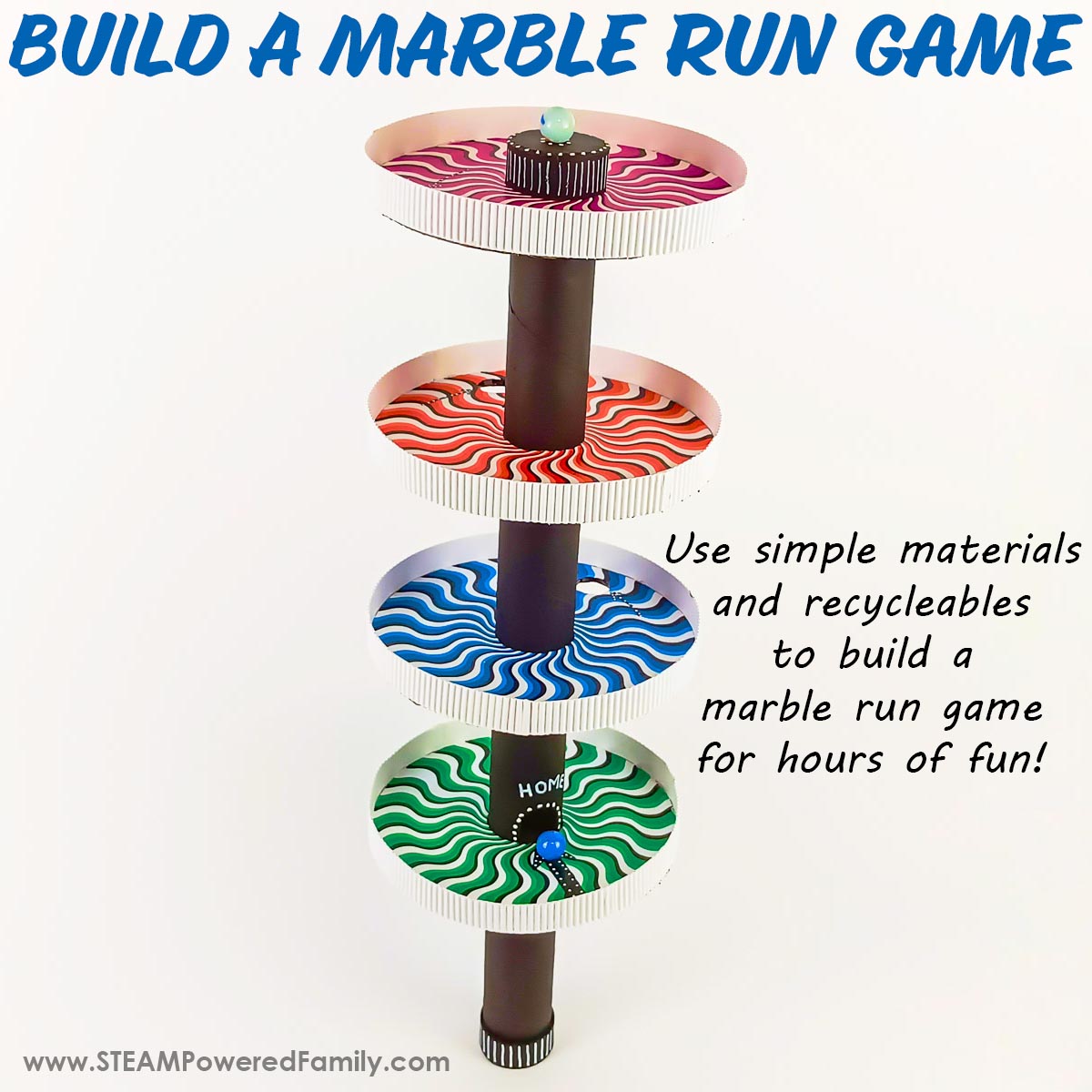
Educational activities for kids marble run challenge’ rely on translating dynamic, three-dimensional spatial movements into static graphic representations and meticulous structural designs. By examining real photo visual flashcards prior to construction, young learners analyze angle trajectories, slope gradients, and gravitational acceleration patterns before transferring these observations onto paper. This cross-disciplinary approach activates both the parietal and frontal lobes, promoting advanced depth perception and meticulous proportion estimation. Educators can utilize targeted Educational Activities to transition children from random trial-and-error building to deliberate, hypothesis-driven construction that prioritizes structural stability and predictable velocity outcomes.
Key Specifications and Breakdown
| Age / Learning Stage | Visual Skill & Grid Ratio | Pedagogical Application & Scaffolding |
|---|---|---|
| Ages 3-4 (Early Explorer) | 1:1 Direct Photo Matching | Utilize high-contrast Photo Flashcards to match physical building blocks with photographic templates. |
| Ages 5-6 (Developing Observer) | 2:2 Proportional Scale Up | Incorporate introductory grid mapping sheets to transition from simple horizontal alignment to vertical angle estimation. |
| Ages 7-8+ (Advanced Spatial Builder) | 4:4 Complex Coordinate Mapping | Implement multi-tier structural blueprints requiring rigorous measurement, perspective drawing, and kinetic testing. |
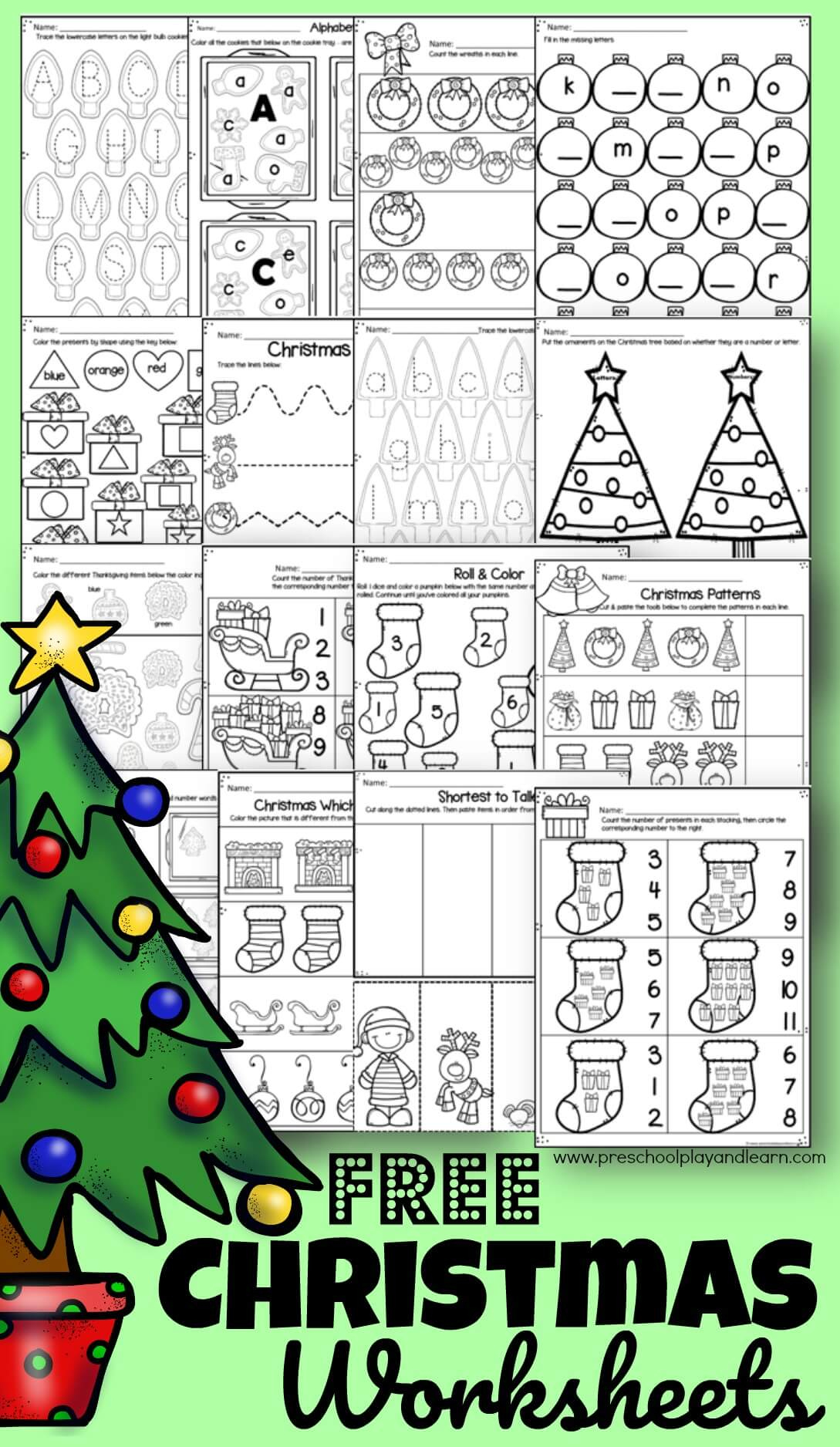
Structured hands-on visual manipulation and tactile problem-solving substantially improve neurological pathways responsible for spatial reasoning and geometric comprehension. — National Association for the Education of Young Children (NAEYC). For more related activities, check out our Educational Christmas Activities For Kids.
Step-by-Step Practical Application and Printing Guidelines
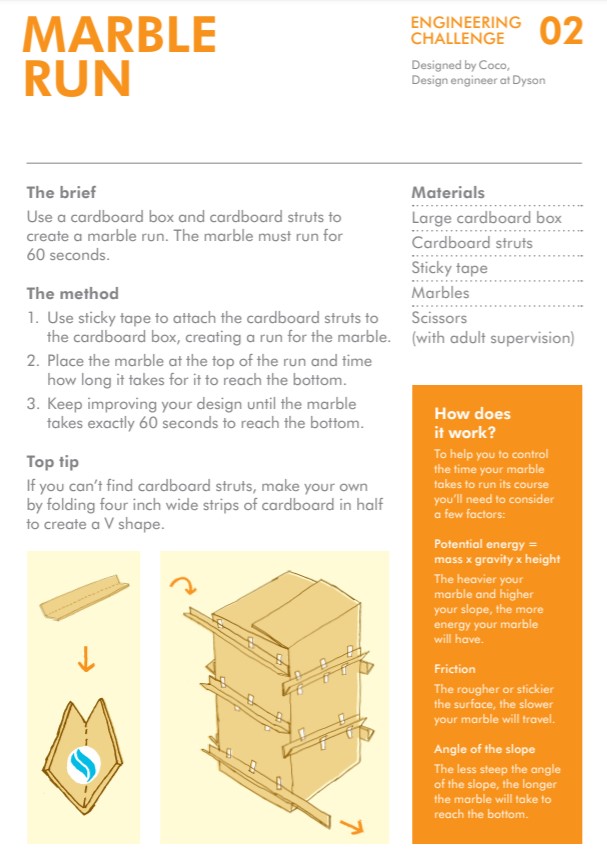
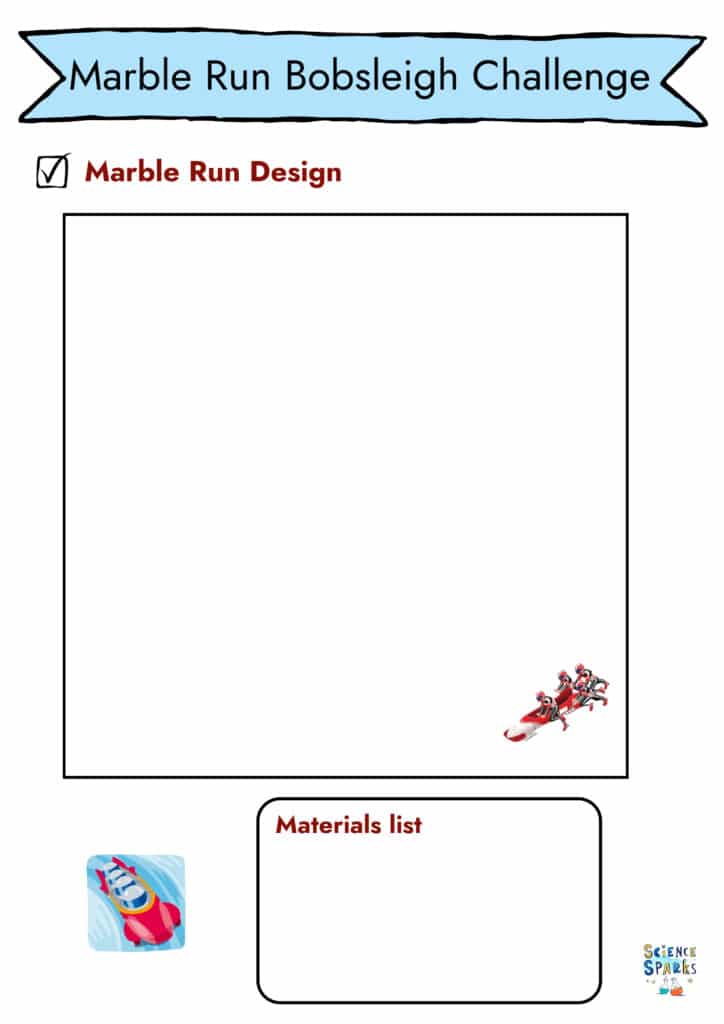
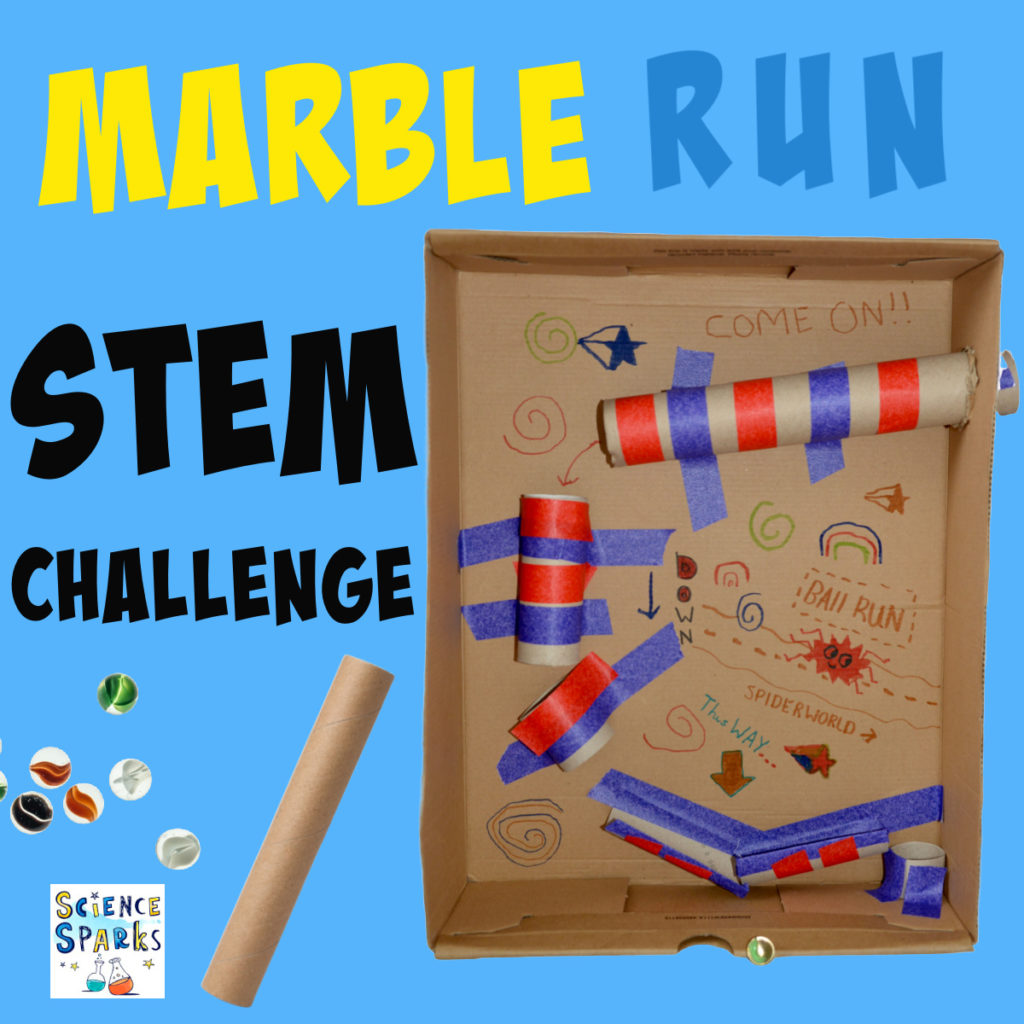
Implementing educational activities for kids marble run challenge’ requires preparing clean, high-contrast printouts on durable cardstock to withstand frequent handling by enthusiastic learners. Begin by distributing reference photo cards to prompt close visual inspection of architectural structures, noting specific angles and support columns. Next, provide structured grid templates alongside loose parts, instructing participants to sketch their proposed track designs square-by-square before physical assembly begins. Finally, test the completed kinetic tracks using marbles of varying masses, encouraging children to record speed variances directly onto their worksheets to reinforce observational analysis.
Common Challenges and How to Avoid Them
Frustration during kinetic engineering tasks typically stems from skipped preparatory observation phases or improper scaling during preliminary drawing exercises. Educators can mitigate this obstacle by ensuring young learners map out structural support pillars on a grid sheet before attempting vertical construction. Providing explicit visual prompts through specialized flashcards helps children identify structural weaknesses, such as insufficient slope elevation or unstable joints, before gravity causes structural collapse. Emphasizing iterative design over immediate perfection transforms construction errors into valuable analytical opportunities.
💬 Frequently Asked Questions
Explore More Free Learning Printables and Visual Activities on WePhotoAgency
Accessing comprehensive, professionally designed educational resources ensures that young learners receive structured guidance across all developmental milestones. Educators, parents, and homeschoolers can discover an extensive catalog of print-ready materials, developmental worksheets, and instructional guides by visiting WePhotoAgency.com to elevate daily lesson plans.
Visual Reference Gallery