Introduction
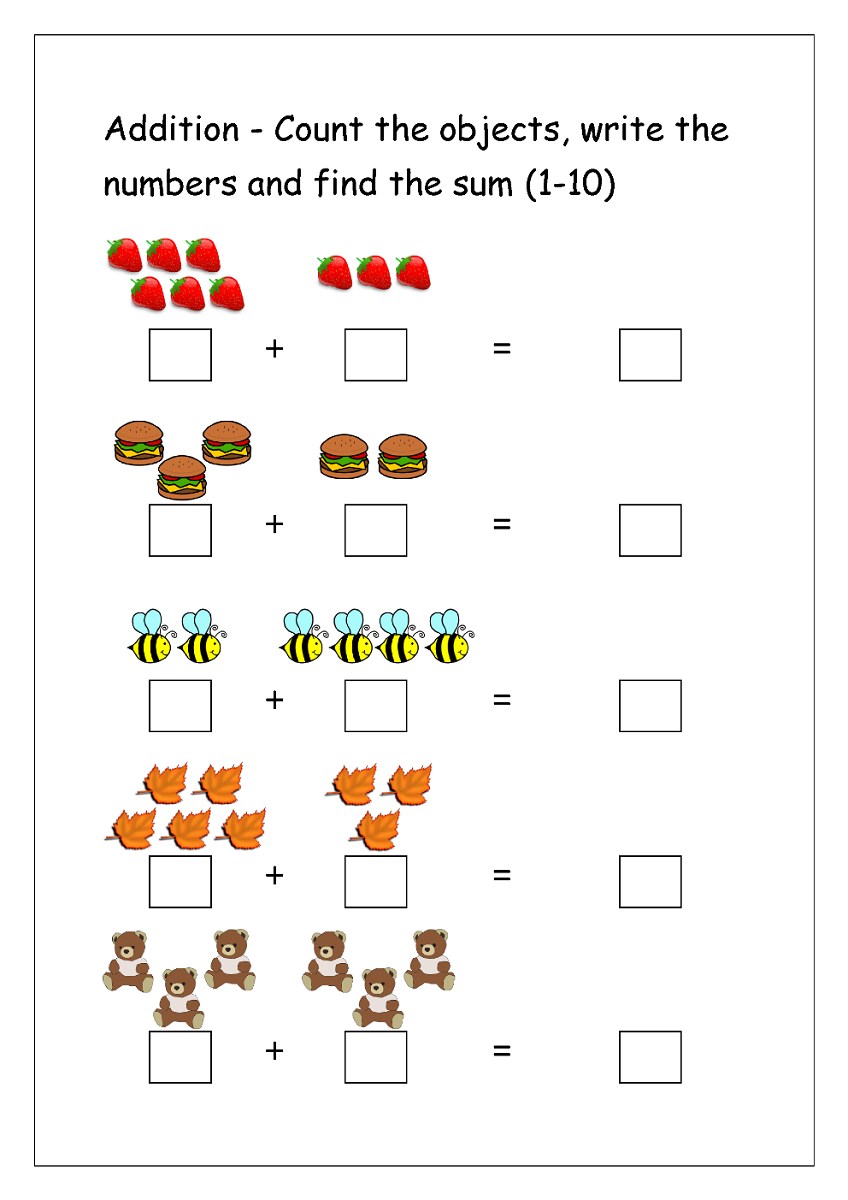
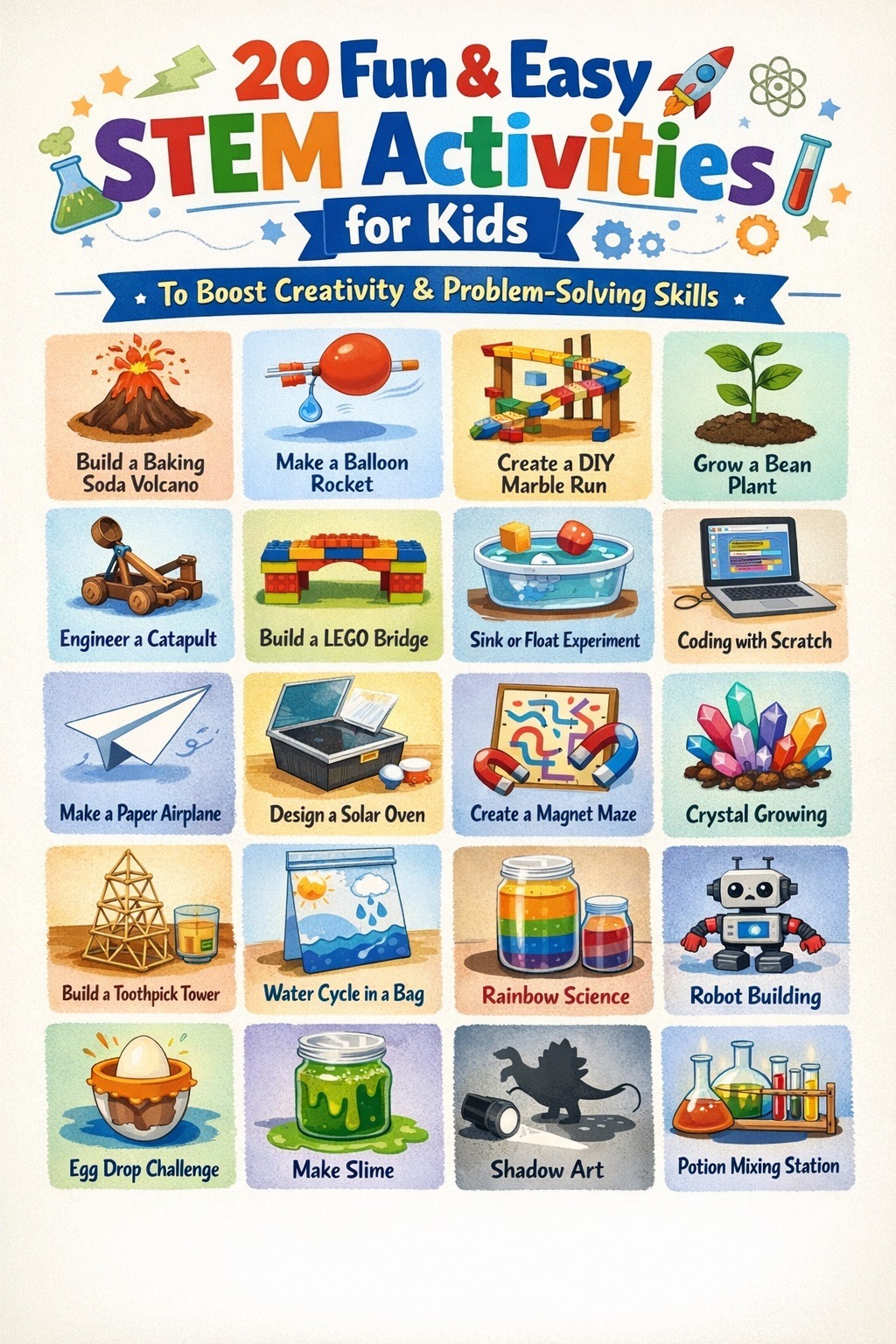
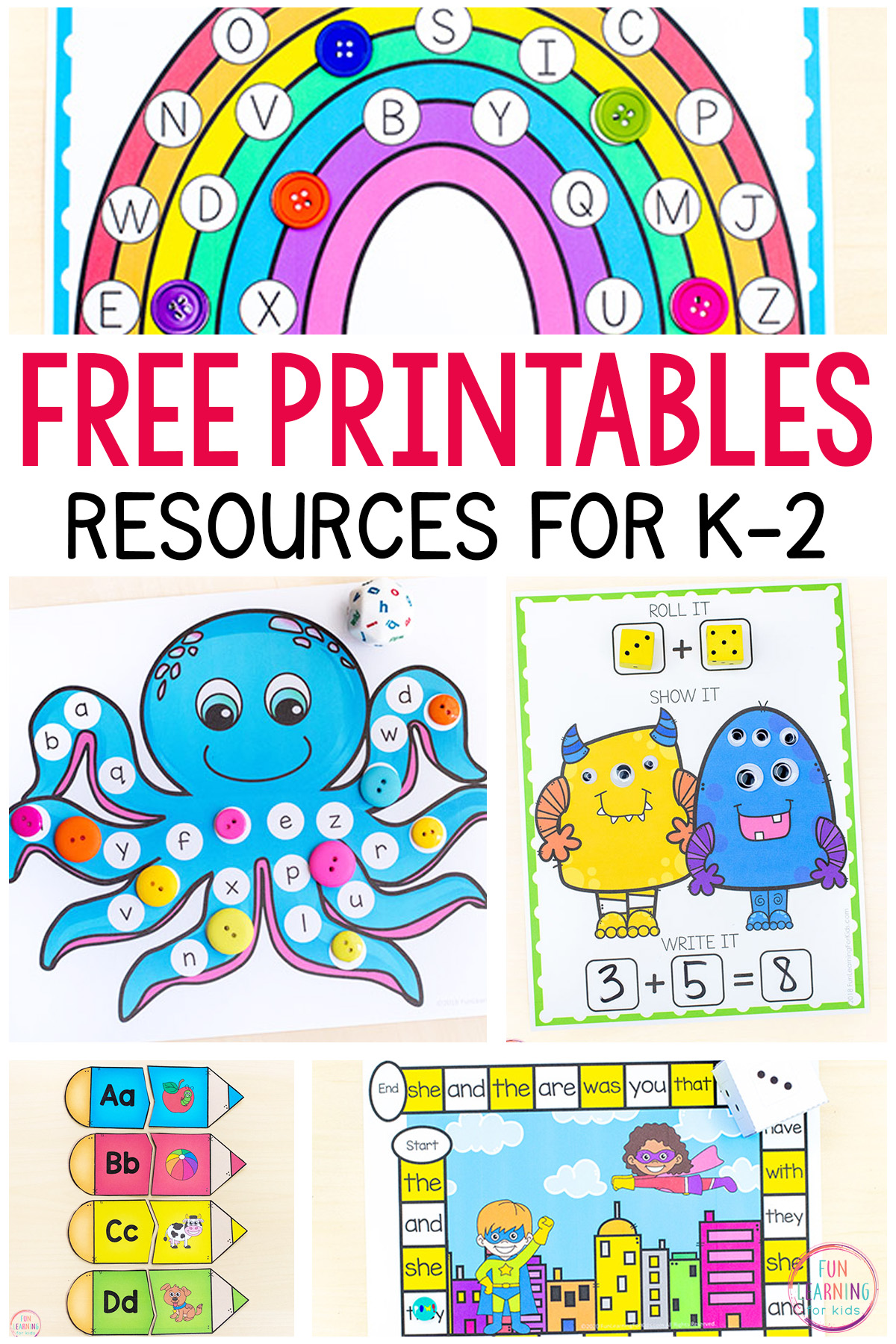
Children’s educational printable activities provide structured, hands-on visual learning tools that accelerate spatial awareness, fine-motor precision, and cognitive processing in early childhood education. According to the National Association for the Education of Young Children (NAEYC), intentional manipulation of printed visual materials and structured drawing sheets fundamentally strengthens hand-eye coordination and visual-spatial working memory during formative developmental windows. Integrating accessible resources from specialized collections such as Educational Activities empowers educators and parents to transform basic paper assets into rigorous, engaging exercises that bridge abstract artistic concepts with concrete observational practice.
Visual Learning & Skill Snapshot:
- Core Focus: High-utility children’s educational printable activities utilizing grid systems and photographic references.
- Target Skill: Spatial reasoning, visual discrimination, fine-motor proportion, and observation-based estimation.
- Key Recommendation: Pair tangible paper worksheets with controlled visual flashcards to scaffold accurate proportion mapping.
Core Principles and Visual Learning Overview
Structured visual printable exercises systematically train the developing brain to segment complex real-world imagery into manageable geometric components. Utilizing precision printouts like Grid Drawing templates teaches young learners to isolate shapes coordinate by coordinate, breaking down intimidating artistic tasks into achievable steps. Simultaneously, incorporating clear visual references through Photo Flashcards replaces abstract guessing with authentic photographic observation, training children to notice nuanced lighting, angles, and true-to-life proportions. This multi-faceted approach ensures that children do not merely copy symbols from memory, but actively engage in perceptual analysis and visual problem-solving.
Key Specifications and Breakdown
| Age / Learning Stage | Visual Skill & Grid Ratio | Pedagogical Application & Scaffolding |
|---|---|---|
| Early Preschool (Ages 3-4) | 1×1 to 2×2 simple cell grids | Focuses on gross visual matching, object recognition, and foundational pencil grip control using bold photographic cues. |
| Kindergarten (Ages 5-6) | 3×3 intermediate proportion grids | Develops coordinate tracking, spatial orientation, and part-to-whole cognitive synthesis through guided line replication. |
| Early Elementary (Ages 7-8) | 4×4 complex photographic grids | Refines proportional estimation, meticulous observation skills, and independent cross-referencing of realistic imagery. |
Structured visual activities directly stimulate parietal lobe development, enhancing the neurological pathways responsible for spatial reasoning, mathematical proportion estimation, and complex hand-eye coordination. — National Art Education Association (NAEA)
Step-by-Step Practical Application and Printing Guidelines
Executing effective printable visual exercises requires careful preparation of physical materials, optimal lighting, and sequential scaffolding to prevent cognitive overload. Educators and parents should print grid worksheets on heavy-weight matte cardstock (at least 65lb/176gsm) to withstand repeated erasing and pencil pressure while eliminating distracting paper glare. Begin by presenting the photographic reference card alongside an empty grid sheet, instructing the learner to scan a single grid square at a time before translating the lines. Encourage students to utilize a blank framing card to isolate individual grid coordinates, effectively cutting away visual clutter and training focused attention on specific proportional relationships.
Common Challenges and How to Avoid Them
Rushing through proportional estimation is the most frequent obstacle encountered when young learners attempt complex grid worksheets or detailed visual copying tasks. To counteract this tendency, supervising adults must actively model how to check anchor points—such as where lines intersect grid borders—before allowing freehand sketching inside the cell. When children experience frustration with scale discrepancies, reduce the complexity by substituting multi-cell templates with simplified two-column photo comparison cards. Maintaining a patient, process-oriented environment ensures that learners value careful observation and geometric accuracy over rapid, inaccurate completion.
💬 Frequently Asked Questions
Explore More Free Learning Printables and Visual Activities on WePhotoAgency
Accessing professionally curated educational resources empowers educators and parents to cultivate lifelong observational and artistic competencies in young learners. Explore the full library of developmental exercises, printable templates, and visual assets by visiting WePhotoAgency.com to elevate daily learning experiences.
Visual Reference Gallery