Introduction
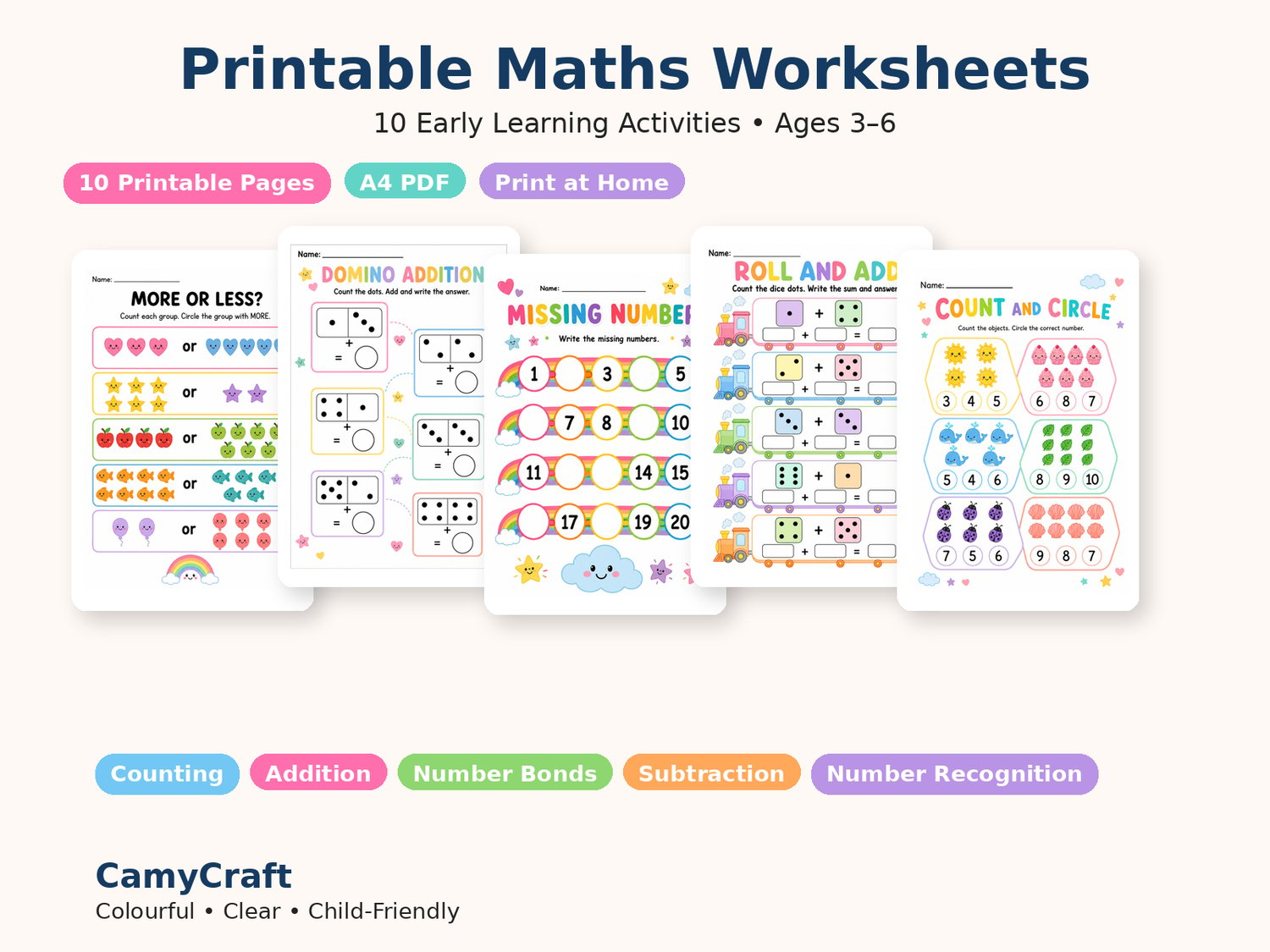
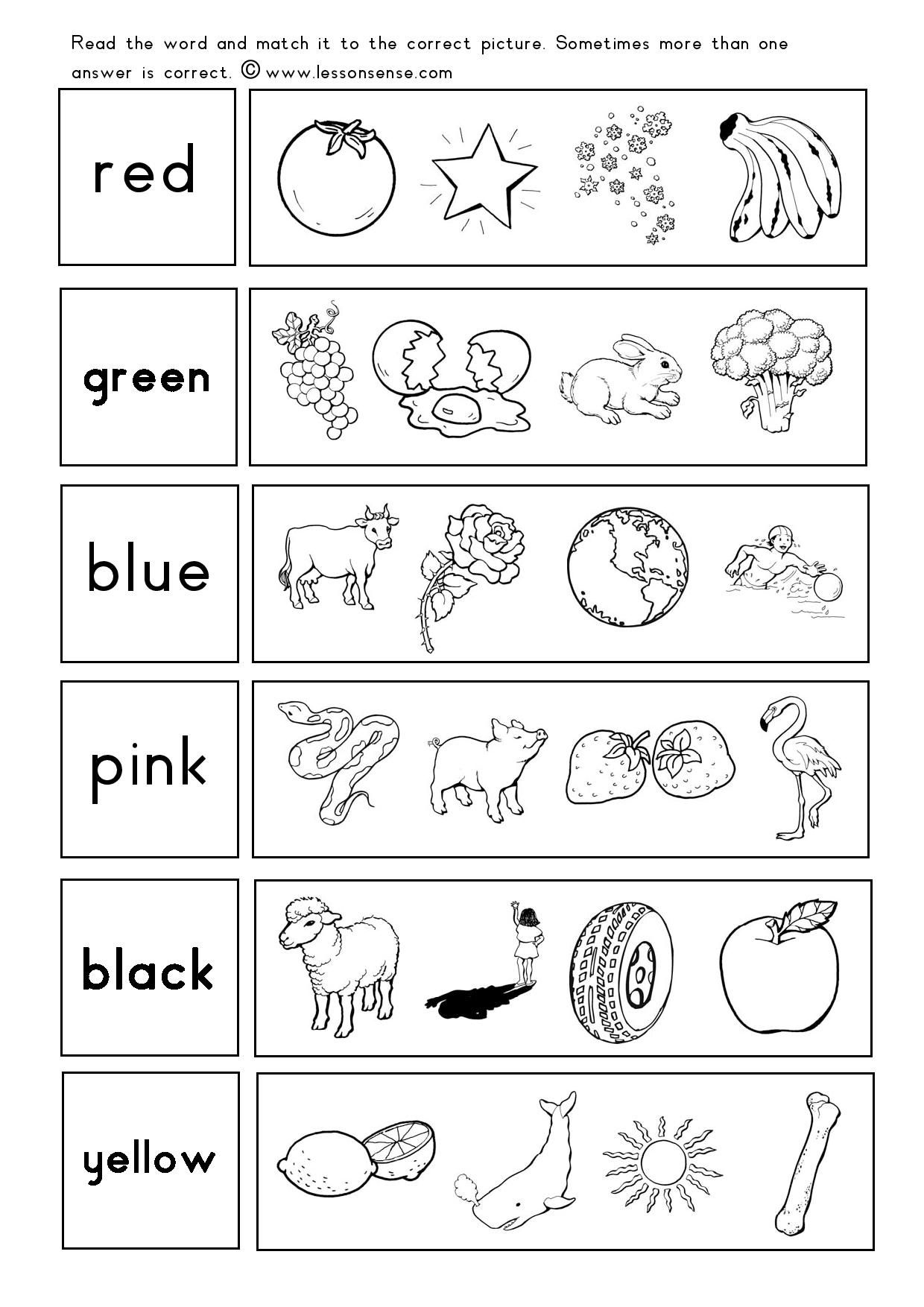
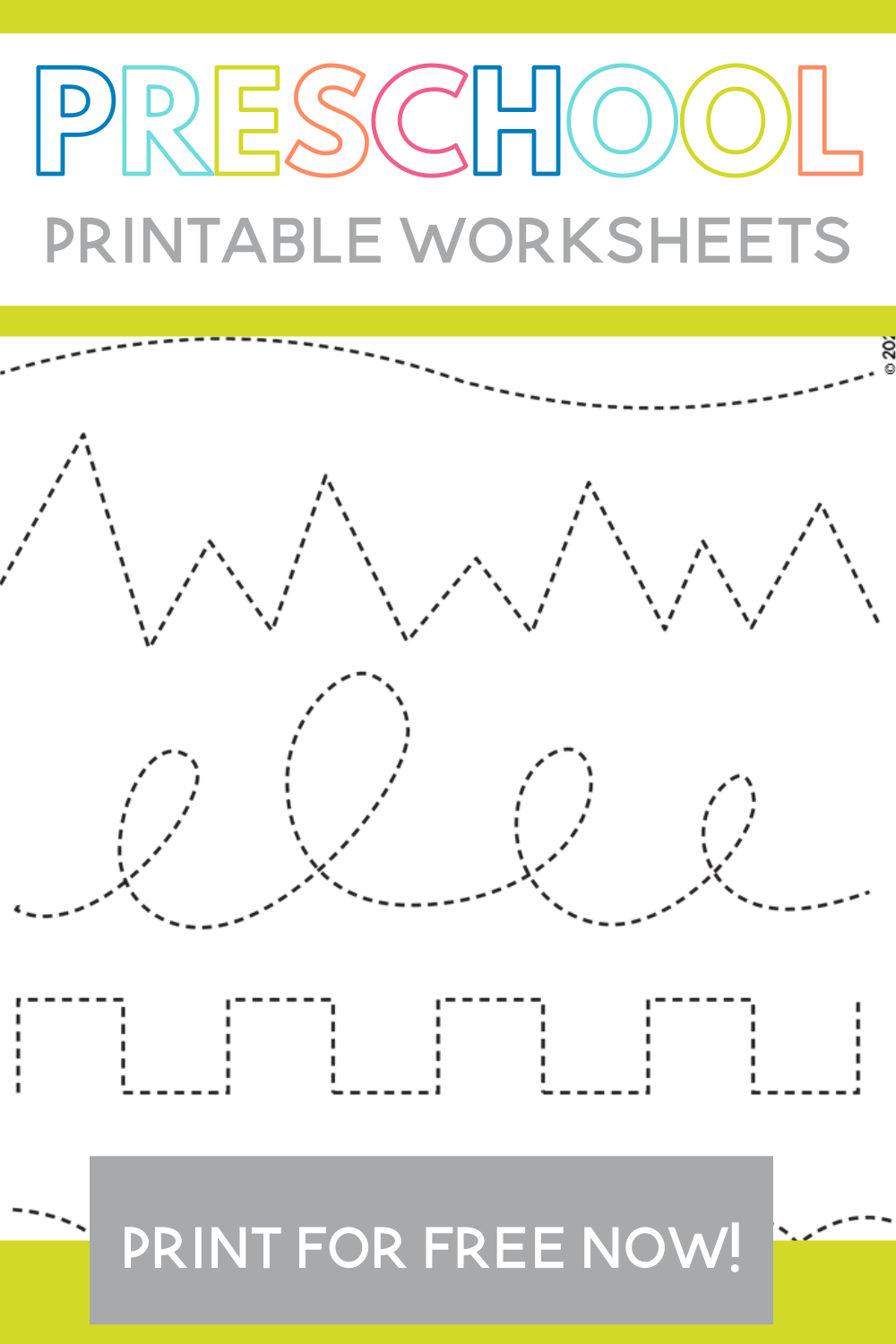
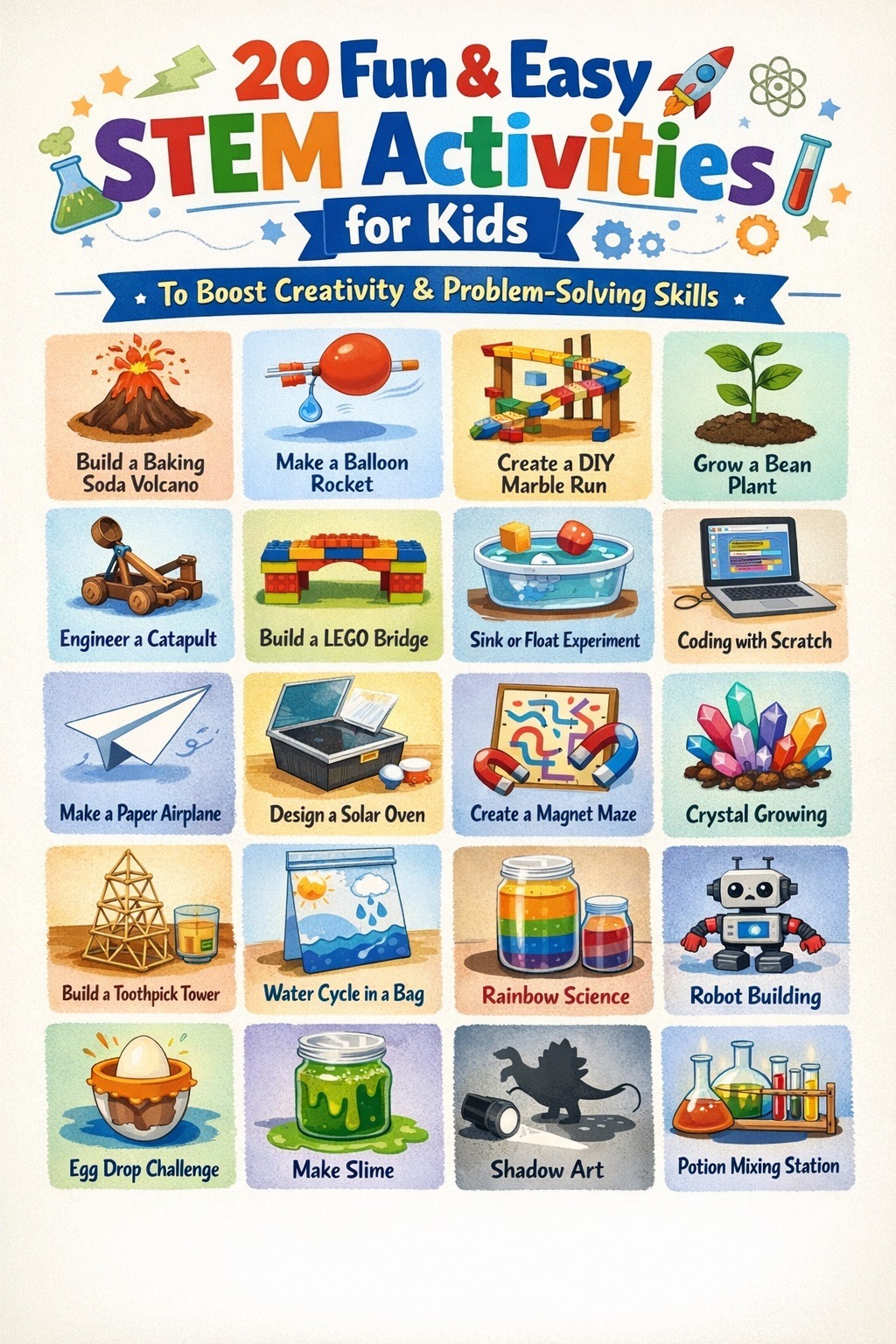
Best educational activities for kids combine structured visual input with tactile creation to accelerate cognitive development, spatial reasoning, and fine-motor control during early childhood. According to the National Association for the Education of Young Children (NAEYC), purposeful manipulation of concrete visual materials enhances abstract thinking and foundational problem-solving capacities in young learners. Integrating structured Grid Drawing exercises and Photo Flashcards provides educators, parents, and art teachers with reliable methods to bridge observation and mechanical execution. These carefully engineered learning modalities turn everyday practice into measurable developmental milestones without relying on digital screens or passive instruction.
Visual Learning & Skill Snapshot:
- Core Focus: Best educational activities for kids center on structured spatial observation and proportional replication.
- Target Skill: Spatial reasoning, visual discrimination, fine-motor proportion, and photo-based concept mastery.
- Key Recommendation: Pair high-contrast photo references with corresponding partitioned grids to maximize cognitive transfer.
Core Principles and Visual Learning Overview
Systematic engagement with printable grid worksheets and photographic references builds foundational visual literacy by teaching children to segment complex images into manageable geometric units. Developing solid hand-eye coordination requires active proportion estimation, where learners assess lines, angles, and negative space within discrete squares rather than attempting to render an entire subject at once. Educators seeking structured Educational Activities find that breaking images down through proportional grids dramatically reduces cognitive overload, allowing children to focus entirely on observational accuracy and pencil control.
Key Specifications and Breakdown
| Age / Learning Stage | Visual Skill & Grid Ratio | Pedagogical Application & Scaffolding |
|---|---|---|
| Ages 3-4 (Preschool) | 2×2 Grid with Real Photos | Focuses on basic shape recognition and matching whole objects using large-scale photo flashcards. |
| Ages 5-7 (Early Elementary) | 4×4 Grid with Intermediate Detail | Targets spatial orientation, line tracking, and accurate proportion estimation via simple outlines. |
| Ages 8-10 (Advanced Primary) | 6×6 Grid with Complex Realism | Refines intricate observation, shading, and coordinate mapping using detailed photographic subjects. |
Structuring early learning environments with concrete visual prompts and physical drawing tools measurably enhances spatial memory and geometric comprehension in young children. — National Art Education Association (NAEA)
Step-by-Step Practical Application and Printing Guidelines
Executing high-impact visual lessons involves selecting crisp, high-contrast photographic templates and printing worksheets on heavy cardstock to prevent tearing during intensive pencil work. Instructors should present the reference image alongside the blank grid, encouraging learners to isolate a single square at a time using a card or viewfinder. Children systematically scan coordinate axes, identify intersecting line coordinates, and replicate the precise strokes inside the corresponding blank square, reinforcing analytical thinking and deliberate execution.
Common Challenges and How to Avoid Them
Overcoming early frustration with proportion mapping requires redirecting young learners away from holistic drawing habits and back to isolated grid-square analysis. When children attempt to draw an entire picture simultaneously, proportions frequently distort; educators easily solve this by masking off adjacent squares with paper to maintain sharp focus on one coordinate section. Providing clear, uncluttered photo prompts ensures that visual noise does not hinder line identification, preserving enthusiasm and building genuine confidence in artistic capability.
💬 Frequently Asked Questions
Explore More Free Learning Printables and Visual Activities on WePhotoAgency
Accessing a comprehensive library of professional visual resources empowers parents and educators to deliver targeted, high-quality instruction. Discover an extensive collection of downloadable worksheets and creative tools by visiting WePhotoAgency.com to elevate daily learning experiences.
Visual Reference Gallery