Introduction
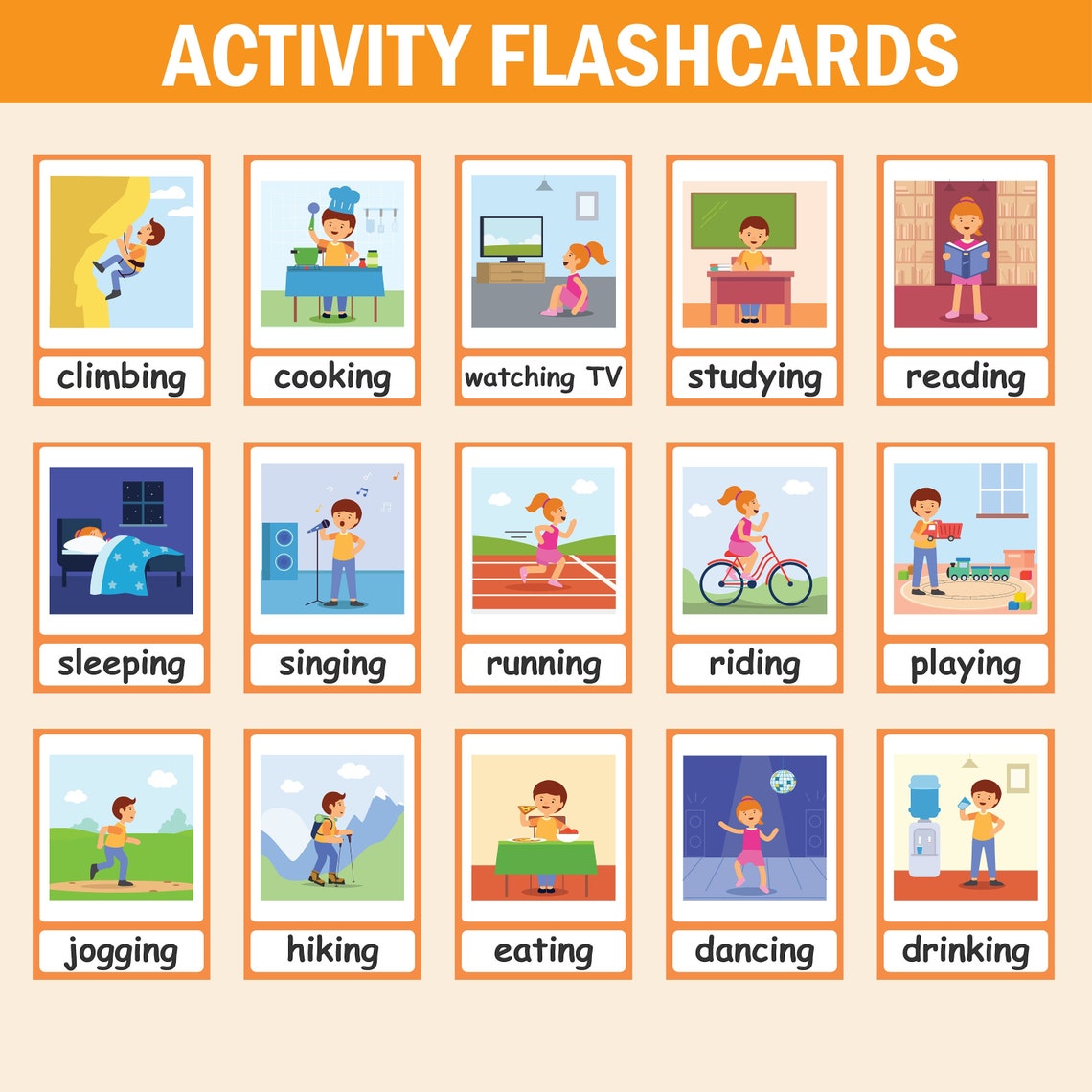
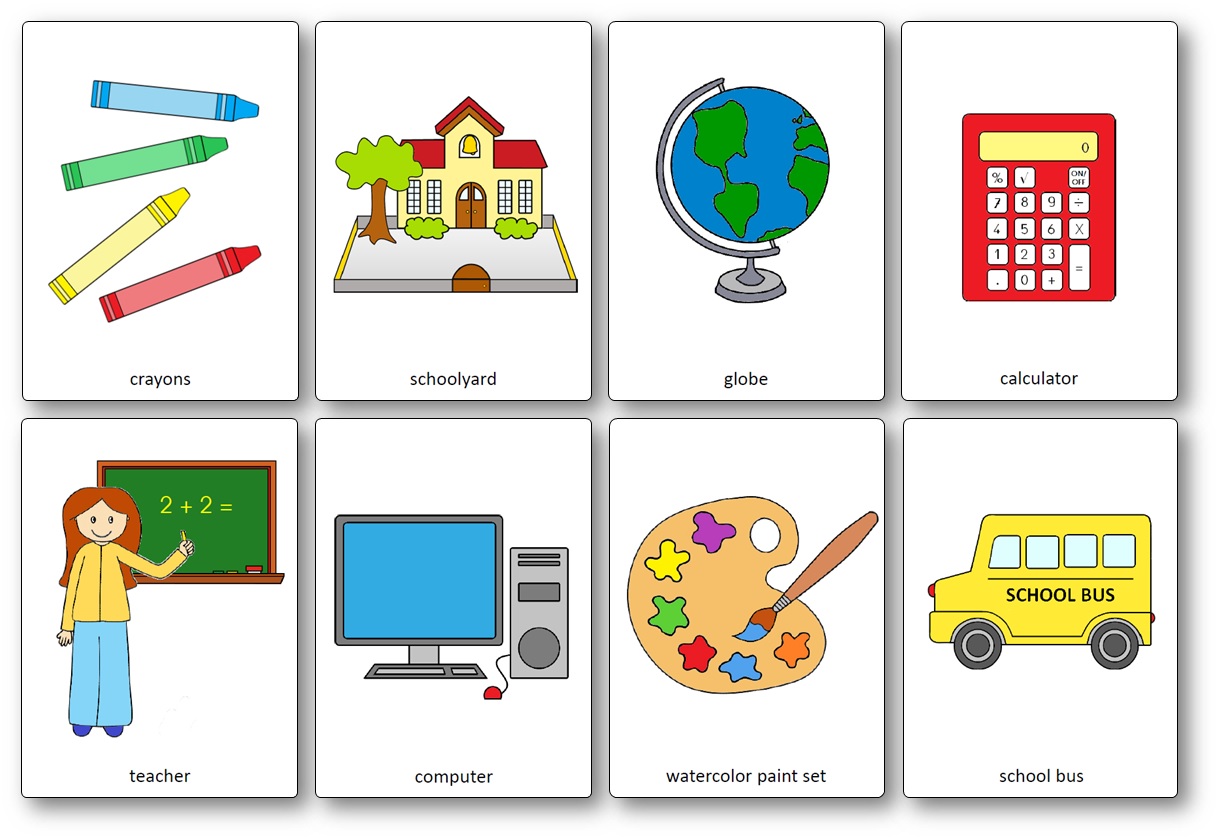
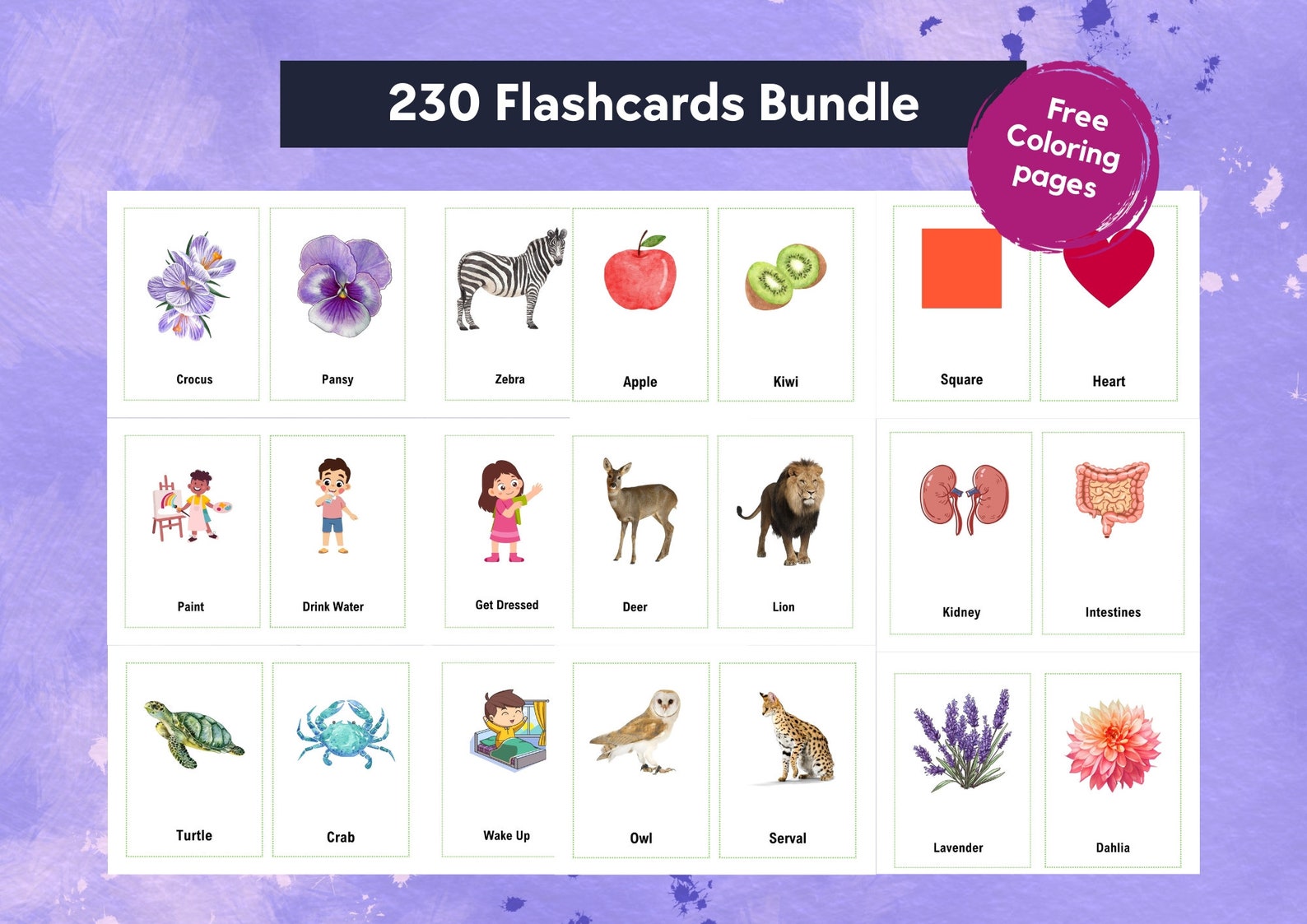
Flashcards with photo represent tangible photographic reference tools designed to bridge the gap between abstract visual processing and concrete spatial reasoning in early childhood development. According to the National Association for the Education of Young Children (NAEYC), purposeful exposure to rich visual imagery and photographic media significantly accelerates cognitive schema formation, pattern recognition, and fine-motor coordination in young learners. By pairing realistic photographic prompts with structured educational frameworks, children transition effortlessly from passive observation to active artistic rendering. This pedagogical strategy builds foundational competencies essential for early mathematics, literacy, and fine arts curricula. Educators often integrate these tangible visual prompts into structured Photo Flashcards sessions to foster critical thinking and precise visual discrimination.
Visual Learning & Skill Snapshot:
- Core Focus: Utilizing high-definition photographic cards alongside structured grid coordinates to cultivate visual-spatial mastery.
- Target Skill: Spatial reasoning, visual discrimination, fine-motor proportion estimation, and observational drawing.
- Key Recommendation: Pair high-contrast photo flashcards directly with scaled grid worksheets to anchor spatial relationships in physical space.
Core Principles and Visual Learning Overview
Spatial awareness and proportional mapping require children to translate three-dimensional photographic information into two-dimensional geometric boundaries. Flashcards with photo provide an explicit benchmark of reality, eliminating the ambiguity inherent in cartoon or stylized illustrations. When children examine a physical photograph placed beside a blank grid worksheet, the brain actively deconstructs complex shapes into manageable coordinate sectors. This analytical deconstruction strengthens hemispheric brain communication, enhancing both analytical problem-solving and creative expression. Integrating specialized resources such as printable Grid Drawing worksheets allows learners to isolate specific visual quadrants, drastically reducing cognitive overload during early drawing exercises.
Key Specifications and Breakdown
| Age / Learning Stage | Visual Skill & Grid Ratio | Pedagogical Application & Scaffolding |
|---|---|---|
| Ages 4-5 (Early Explorers) | 2×2 simple grid, high-contrast objects | Focuses on basic contour recognition and matching whole items within quadrant boundaries. |
| Ages 6-7 (Developing Artists) | 3×3 intermediate grid, nature subjects | Emphasizes proportion estimation, angle measurement, and line-to-line continuity tracking. |
| Ages 8+ (Advanced Learners) | 4×4 complex grid, architectural details | Refines intricate shading, micro-proportion calculation, and independent spatial verification. |
Visual-spatial training through structured photographic grids measurably enhances geometric problem-solving capabilities and analytical observation skills in early elementary education. — National Art Education Association (NAEA)
Step-by-Step Practical Application and Printing Guidelines
Implementing photo-based visual tools successfully requires careful preparation of physical printing materials and workspace environments. Begin by selecting high-resolution photographic cards that feature clear subjects against uncluttered backgrounds to minimize cognitive distraction. Print the accompanying grid worksheets on heavyweight cardstock to prevent tearing and buckling when young learners apply graphite pencils or colored markers. Place the reference card directly above the grid worksheet on a stable slanted drawing board to align the child’s line of sight with the vertical coordinate plane. Educators should encourage children to systematically evaluate each grid square independently before connecting lines across the entire composition, transforming complex subjects into approachable visual fragments.
Common Challenges and How to Avoid Them
Visual distortion and proportion errors frequently occur when learners attempt to copy an entire image at once rather than focusing on individual grid coordinates. To eliminate this hurdle, provide cutout paper masks that allow the child to isolate a single quadrant on both the reference photo and the working worksheet. Furthermore, discourage heavy erasing, which can degrade the paper surface and frustrate developing artists; instead, promote light exploratory sketching lines until exact proportions are verified. Incorporating targeted Educational Activities during warm-up sessions ensures that children build the necessary hand-eye coordination before tackling complex photographic subjects.
💬 Frequently Asked Questions
Explore More Free Learning Printables and Visual Activities on WePhotoAgency
Unlocking the full potential of visual arts education requires consistent access to professional-grade teaching aids, developmental worksheets, and structured photographic prompts. Educators, parents, and homeschool curriculum planners can discover an extensive library of meticulously curated resources designed to elevate spatial reasoning and fine-motor dexterity by exploring the complete collection at WePhotoAgency.com.
Visual Reference Gallery