Introduction
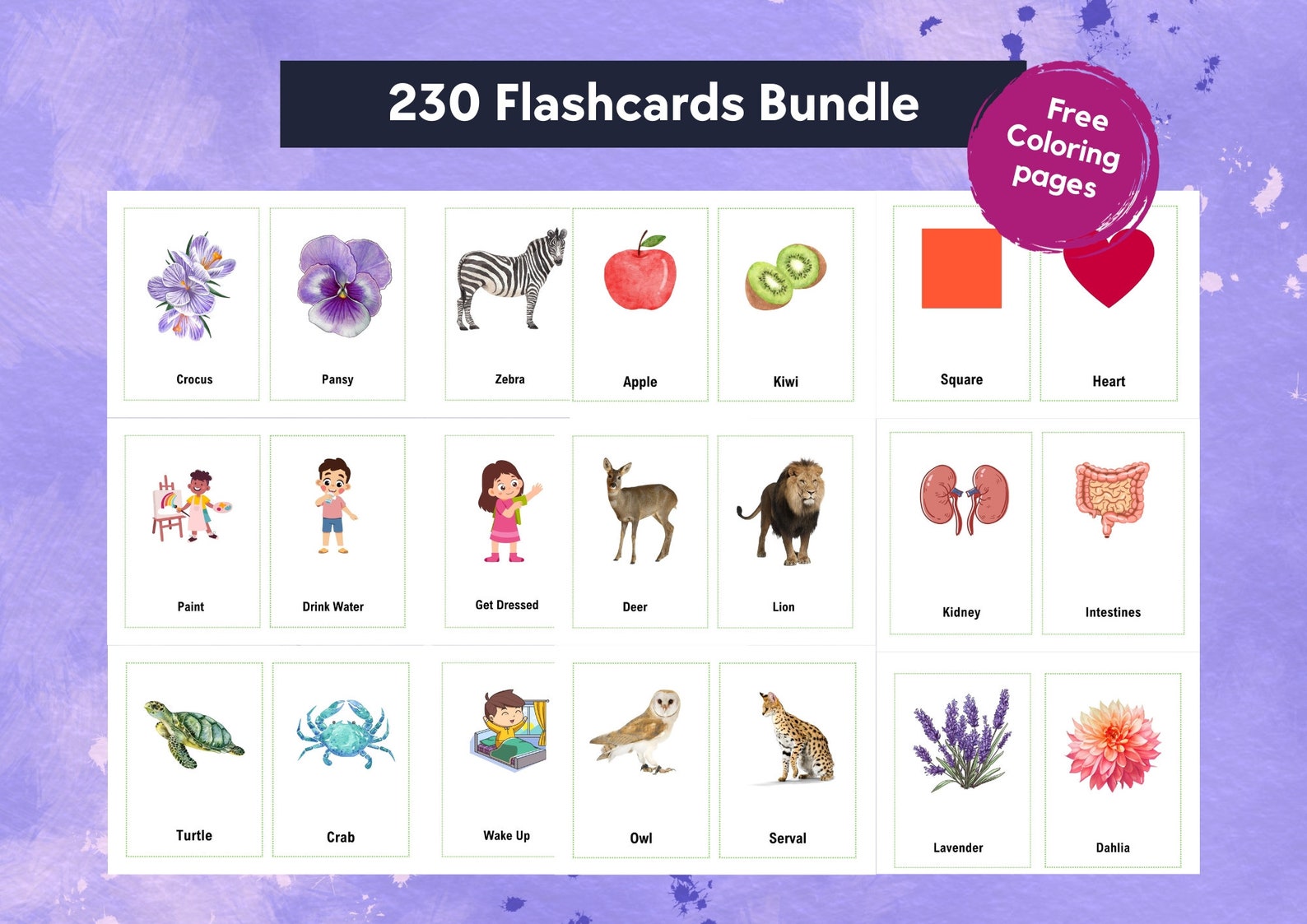
Flashcards picture my picture methodologies combine high-resolution visual cues with structured grid drawing exercises to accelerate spatial awareness and fine motor precision in early learners. According to the National Association for the Education of Young Children (NAEYC), hands-on manipulation of visual cards and observational art templates fundamentally strengthens cognitive mapping and hand-eye coordination during foundational developmental windows. By bridging real photographic references with proportional grid creation, children learn to break down complex forms into manageable visual quadrants. This pedagogical approach transforms abstract observational drawing into a tangible, achievable skill set for young elementary students and homeschoolers alike. Educators aiming to expand tactile visual repertoires frequently utilize specialized resources such as Photo Flashcards to ground early art instruction in concrete, real-world imagery.
Visual Learning & Skill Snapshot:
- Core Focus: Flashcards picture my picture exercises link photographic visual references directly to coordinate-based grid drawing worksheets.
- Target Skill: Spatial reasoning, visual discrimination, proportion estimation, and precise pencil control.
- Key Recommendation: Laminate photo flashcards and pair them with dry-erase grid worksheets to encourage low-stakes trial and error during initial proportion mapping.
Core Principles and Visual Learning Overview
Visual learning through flashcards picture my picture frameworks relies on breaking complex perceptual data down into simplified, countable coordinate squares. When children study a real photographic flashcard alongside an empty or partially filled grid worksheet, the brain actively engages in visual chunking—a process where large visual forms are parsed into smaller, identifiable lines, curves, and shapes. This instructional method directly supports mathematical concepts like coordinate graphing while simultaneously fostering artistic observation. Instead of staring at an overwhelming whole image, young learners isolate specific grid cells, measuring distances mentally and plotting proportional marks with increased accuracy. Integrating structured modules from Grid Drawing collections ensures children build confidence progressively, moving from simple geometric outlines to highly detailed photographic subjects.
Key Specifications and Breakdown
| Age / Learning Stage | Visual Skill & Grid Ratio | Pedagogical Application & Scaffolding |
|---|---|---|
| Ages 4 to 5 (Early Preschool) | 2×2 simple grid, bold photographic outlines | Focuses on basic quadrant identification and matching simple shapes from high-contrast photo flashcards. |
| Ages 6 to 7 (Early Elementary) | 4×4 standard grid, everyday objects and animals | Teaches line alignment, relative proportion estimation, and careful observation of negative space. |
| Ages 8 to 9 (Advanced Primary) | 6×6 complex grid, detailed nature and architecture | Encourages nuanced shading, precise scale transfer, and independent error correction using dual-card references. |
Visual-spatial training through structured grid art correlates directly with enhanced mathematical graph literacy and advanced geometric comprehension in early childhood education. — National Art Education Association (NAEA)
Step-by-Step Practical Application and Printing Guidelines
Implementing flashcards picture my picture activities successfully requires careful preparation of physical print materials and clear workspace organization. First, print both the photographic reference cards and the corresponding grid worksheets on heavy cardstock to prevent curling and ensure durability during repeated handling. Next, secure the reference card directly above or beside the student’s worksheet using a desktop document holder or simple clips, keeping the visual angle consistent with the drawing plane. Instruct learners to cover all grid rows except the top active row using an index card, which reduces visual clutter and trains focused attention on one quadrant at a time. For ongoing practice sessions, exploring curated collections via Educational Activities provides continuous inspiration for expanding weekly visual art lesson plans.
Common Challenges and How to Avoid Them
Frustration during flashcards picture my picture exercises typically stems from starting children on grids that are too dense or failing to teach proper line-to-coordinate mapping techniques. Educators can prevent discouragement by initiating drawing sessions with simplified 2×2 grids before gradually introducing 4×4 or 6×6 variations as fine motor control matures. Another frequent hurdle involves students drawing what they think an object looks like rather than strictly copying the lines visible within each specific square. To overcome this mental bias, encourage learners to turn both the flashcard and the worksheet upside down temporarily, forcing the brain to focus purely on abstract lines, angles, and spatial relationships rather than semantic labels.
💬 Frequently Asked Questions
Explore More Free Learning Printables and Visual Activities on WePhotoAgency
Empowering young minds through structured observation, proportion training, and creative exploration remains essential for lifelong academic success. Discover an extensive library of printable worksheets, photographic cards, and developmental tools by visiting WePhotoAgency.com to elevate daily art education and spatial learning at home or in the classroom.
Visual Reference Gallery