Introduction
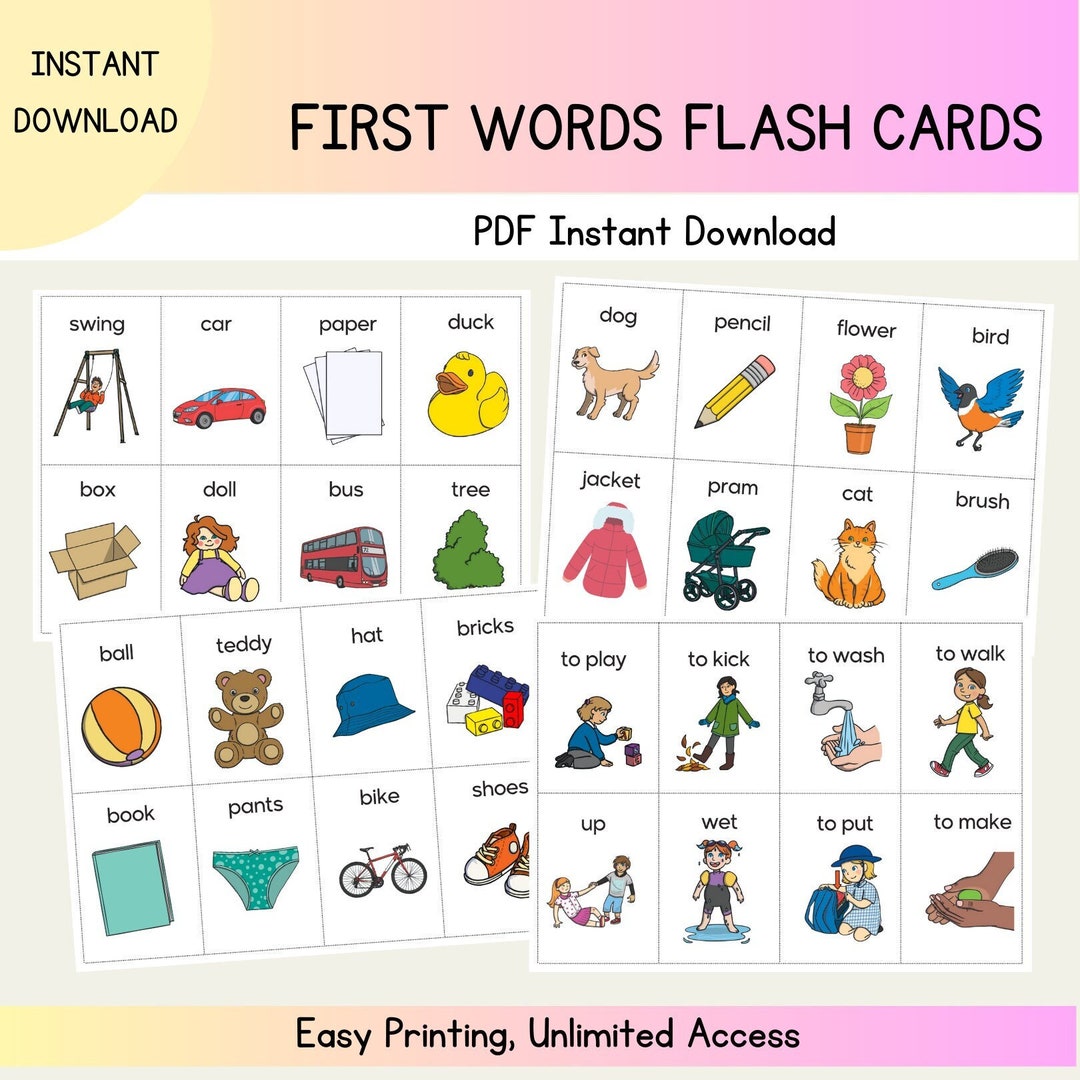
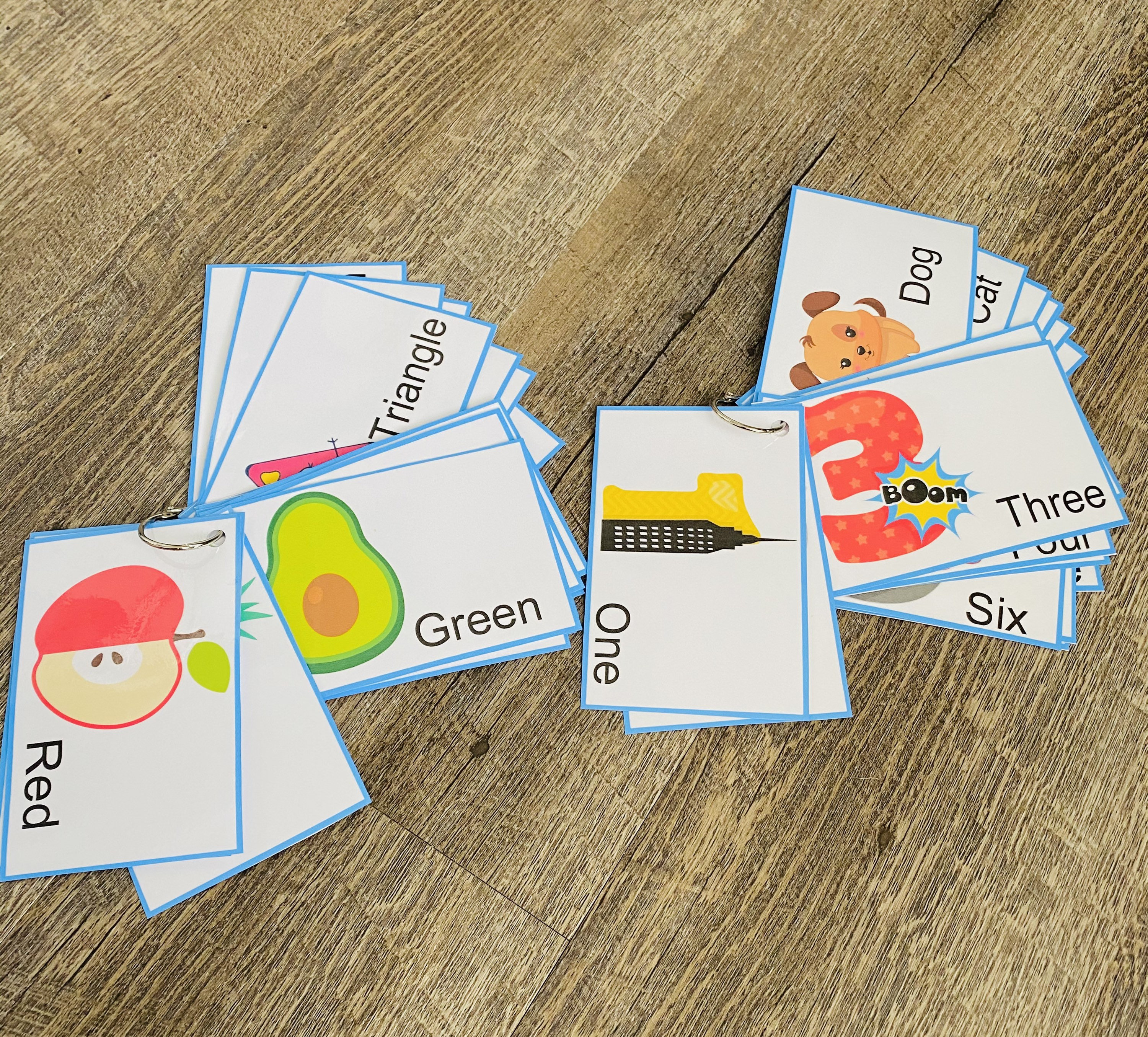
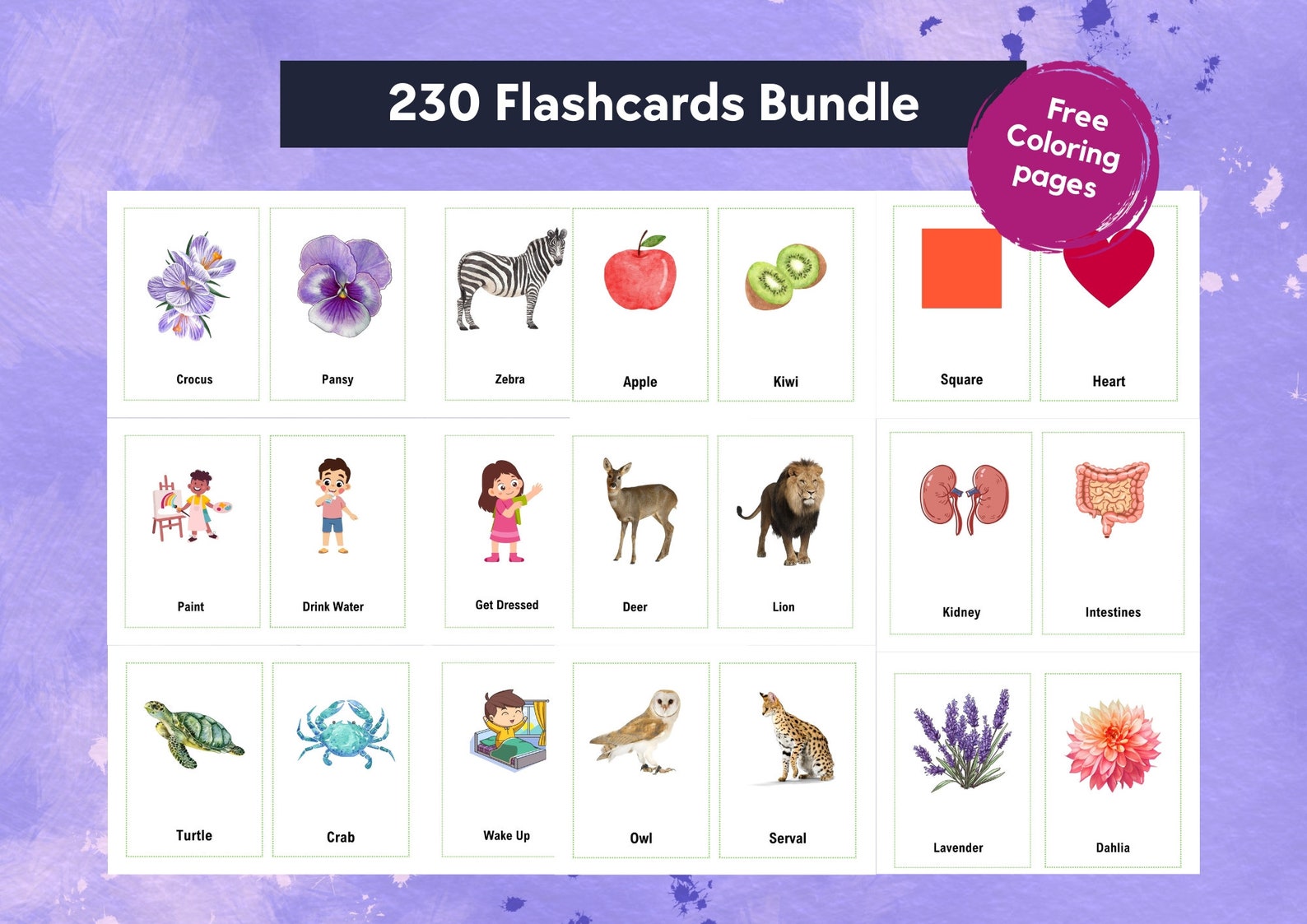
Flashcards picture cards represent targeted visual teaching tools designed to accelerate cognitive development, visual literacy, and fine-motor precision through real photographic stimuli and structured printable grids. According to the National Association for the Education of Young Children (NAEYC), purposeful exposure to concrete photographic imagery and geometric grid systems significantly strengthens spatial awareness, visual discrimination, and observational tracking in early childhood learners. Educators, homeschoolers, and parents utilize these tactile resources to transition young children from abstract concepts to concrete representations by isolating visual details into manageable sectors. Integrating real photographic media into daily lesson plans expands vocabulary, refines proportion estimation, and bridges the gap between passive viewing and active cognitive synthesis. Exploring specialized resources such as Photo Flashcards provides educators with immediately deployable assets for building foundational visual memory.
Visual Learning & Skill Snapshot:
- Core Focus: Flashcards picture cards bridge photographic realism with geometric grid alignment to boost visual-spatial reasoning.
- Target Skill: Spatial reasoning, visual discrimination, fine-motor proportion estimation, and precise hand-eye coordination.
- Key Recommendation: Pair high-contrast real photographic cards with corresponding low-density grid worksheets to scaffold observation skills safely.
Core Principles and Visual Learning Overview
Flashcards picture cards function by breaking complex visual stimuli into digestible, grid-aligned segments that encourage systematic scanning and proportional reproduction. When children replicate a real photo using a coordinate grid, cognitive processing shifts from holistic guesswork to analytical line, shape, and negative space evaluation. This methodology aligns closely with structured methods found within Grid Drawing curricula, where students learn to isolate individual grid squares to map contours accurately without feeling overwhelmed by the overarching composition. Utilizing actual photographic prints rather than stylized cartoons ensures that learners study authentic lighting, texture, and true-to-life proportions, thereby fostering authentic observational drawing habits from an early age.
Key Specifications and Breakdown
| Age / Learning Stage | Visual Skill & Grid Ratio | Pedagogical Application & Scaffolding |
|---|---|---|
| Ages 3–4 (Early Exploration) | 2×2 Grid; High-contrast single subject | Focuses on color recognition, basic shape isolation, and simple tactile matching using real object flashcards. |
| Ages 5–6 (Developing Control) | 3×3 Grid; Detailed nature or animal photos | Encourages line-following, proportional hand-eye coordination, and spatial grid tracking through guided drawing worksheets. |
| Ages 7–8+ (Advanced Observation) | 4×4 or 5×5 Grid; Complex architectural or portrait photos | Strengthens precise angle estimation, negative space analysis, and multi-quadrant visual synthesis for independent learners. |
Structured visual prompts paired with geometric framing exercises measurably accelerate cognitive mapping and fine-motor accuracy in early childhood development. — National Art Education Association (NAEA)
Step-by-Step Practical Application and Printing Guidelines
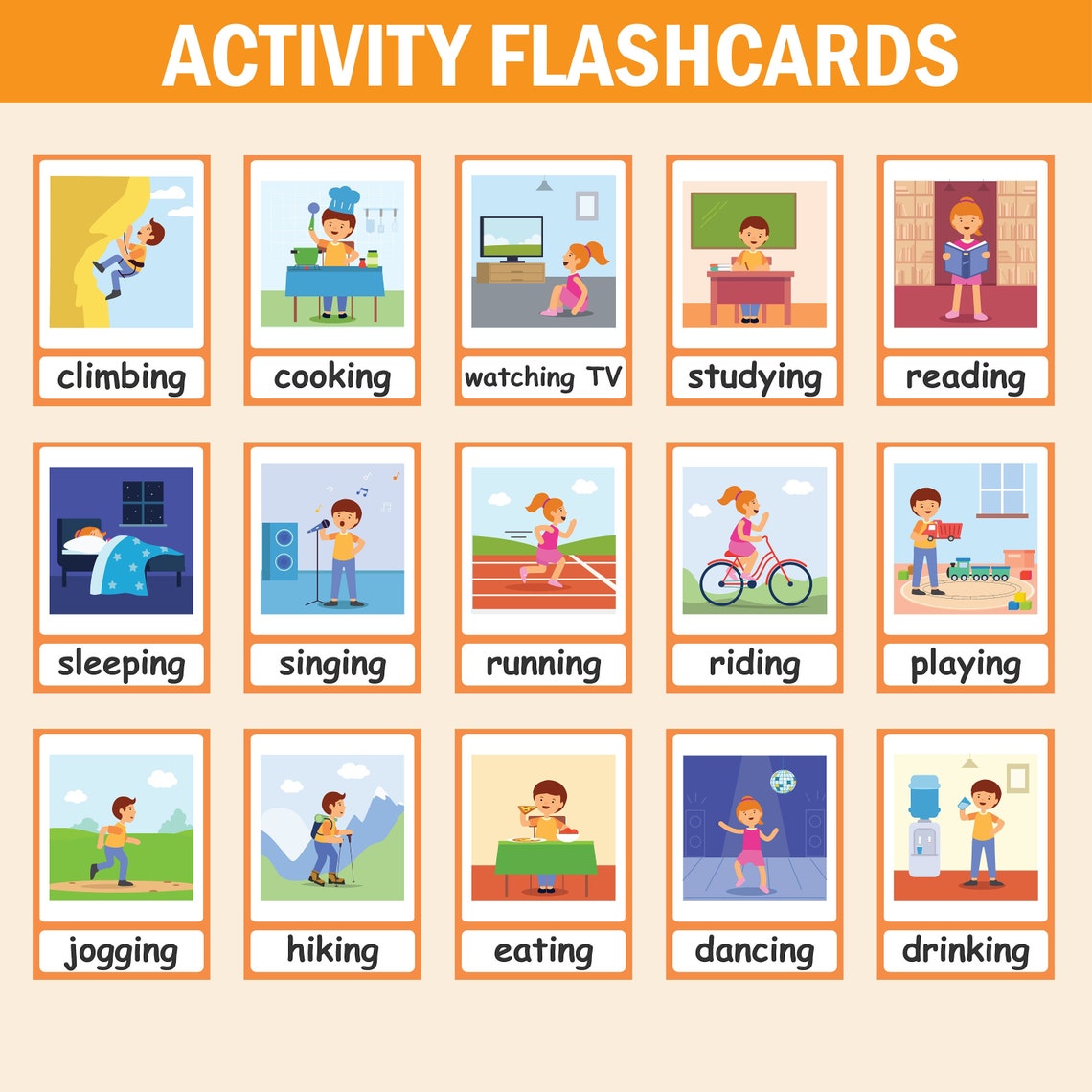
Executing successful visual lessons with flashcards picture cards requires careful selection of printable media, sturdy cardstock weight, and logical sequencing of difficulty levels. Educators must begin by printing photographic stimulus cards and matching coordinate grids at a strict 100% scale to prevent visual distortion during the transfer process. Instructors should introduce the exercise by having the learner examine the reference photo card as a complete entity before placing it directly above or beside the blank working grid. Guiding learners to cover unused grid squares with a blank piece of paper reduces visual clutter, allowing total concentration on one isolated coordinate at a time. Diverse Educational Activities can incorporate these printed cards into timed matching games, storytelling prompts, and collaborative mural projects.
Common Challenges and How to Avoid Them
Young learners frequently encounter frustration when attempting to draw entire photographic subjects at once instead of isolating individual grid coordinates systematically. Instructors can easily prevent this obstacle by enforcing a strict square-by-square checking protocol, ensuring students verify intersection points before committing permanent pencil strokes to paper. Another frequent issue involves improper print scaling, which misaligns the reference grid from the drawing grid and distorts final proportions. Maintaining uniform dimensions across both master flashcards and student worksheets guarantees seamless visual tracking and eliminates unnecessary spatial confusion during complex art lessons.
💬 Frequently Asked Questions
Explore More Free Learning Printables and Visual Activities on WePhotoAgency
Providing children with structured, high-quality visual resources unlocks lifelong observational and creative capabilities across all academic subjects. Educators and parents can discover an extensive repository of supplementary teaching tools, printable grids, and photographic resources by visiting WePhotoAgency.com to support ongoing early childhood cognitive development.
Visual Reference Gallery