Introduction
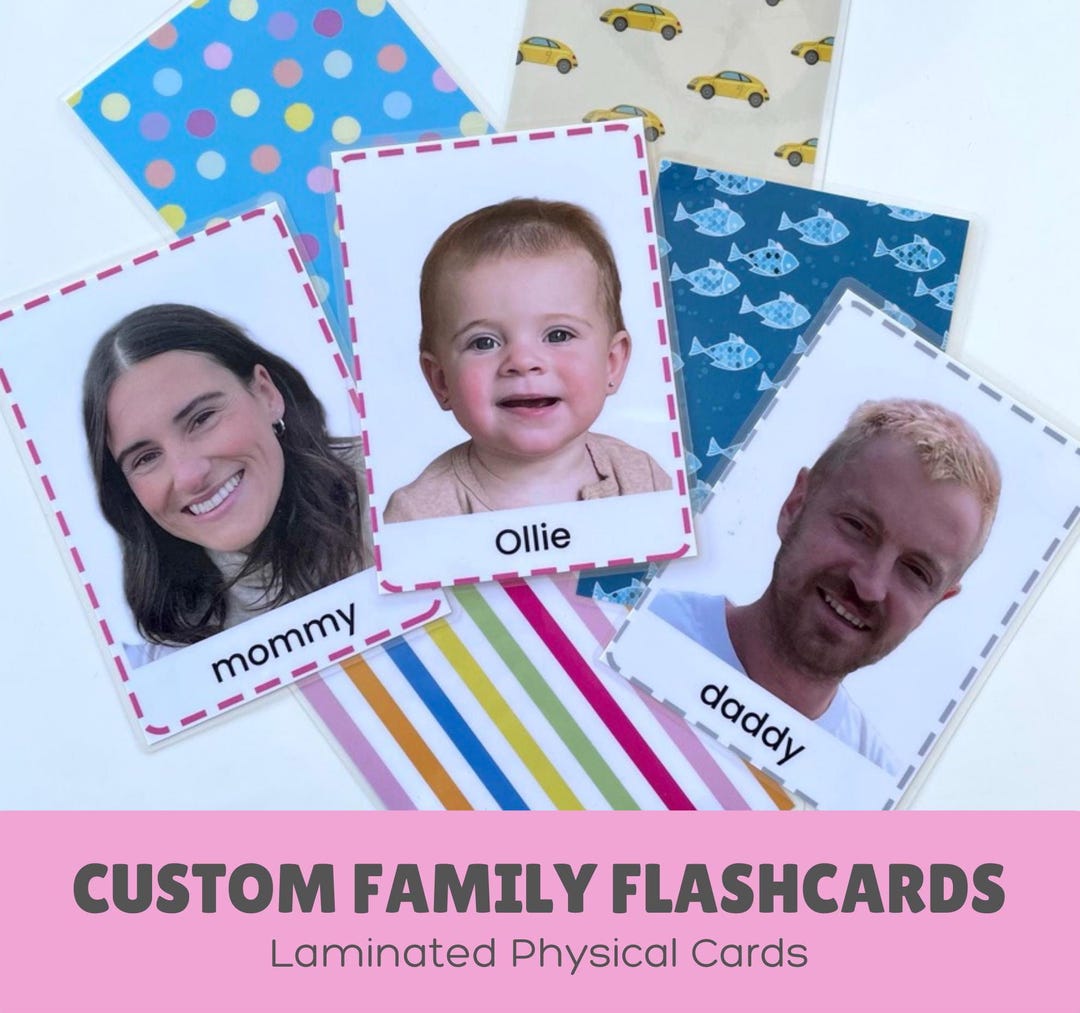
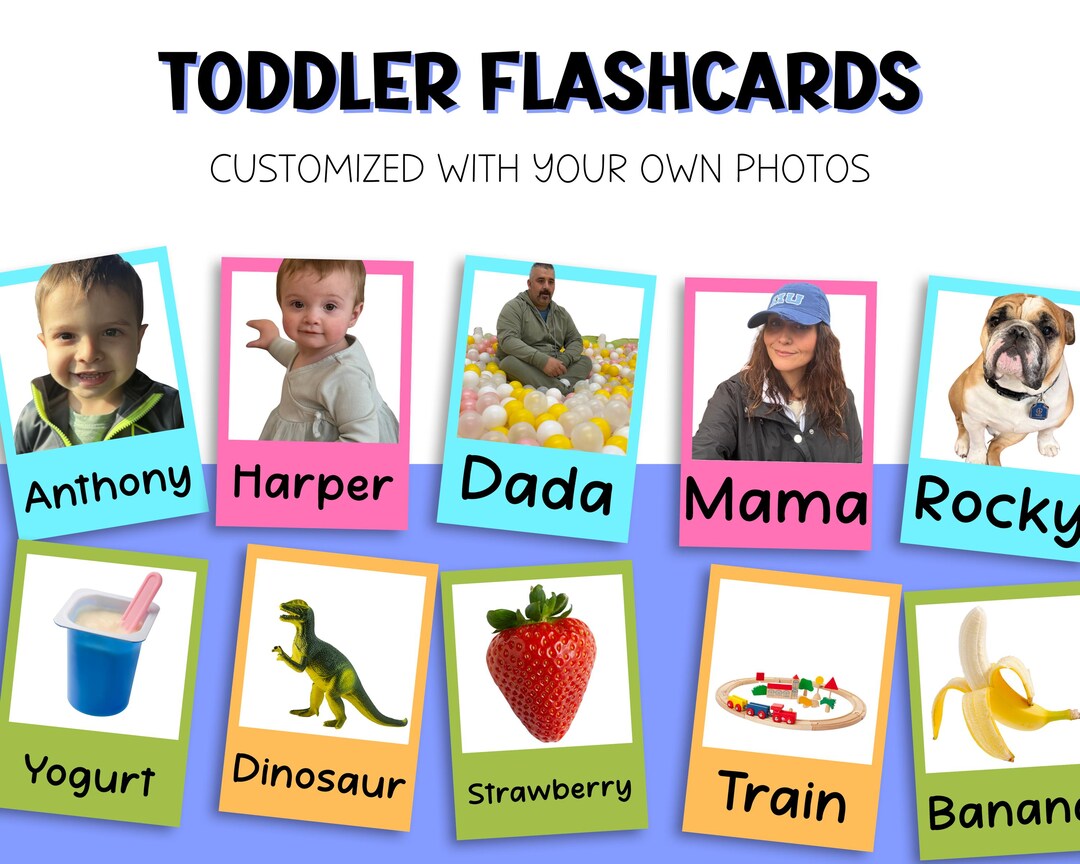
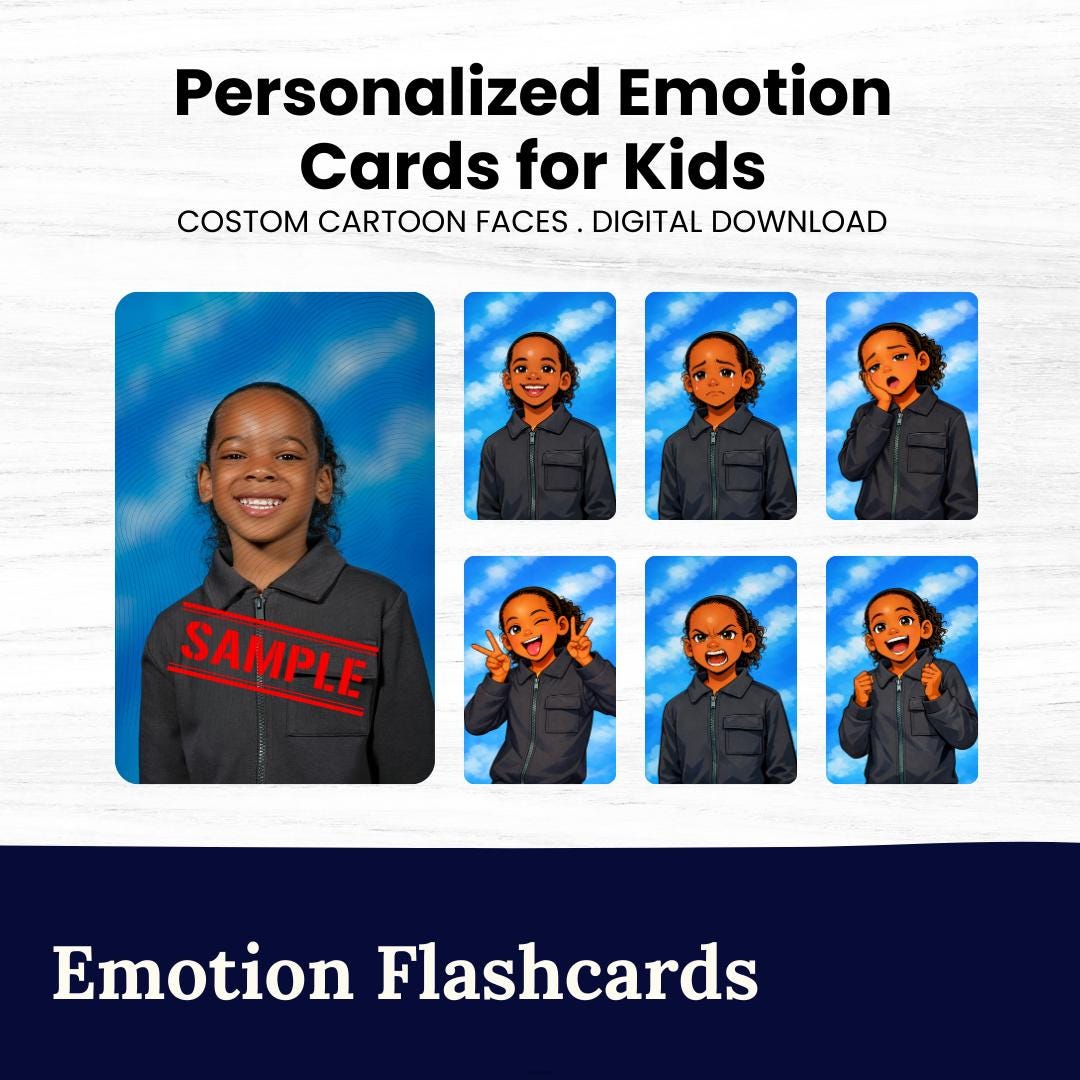
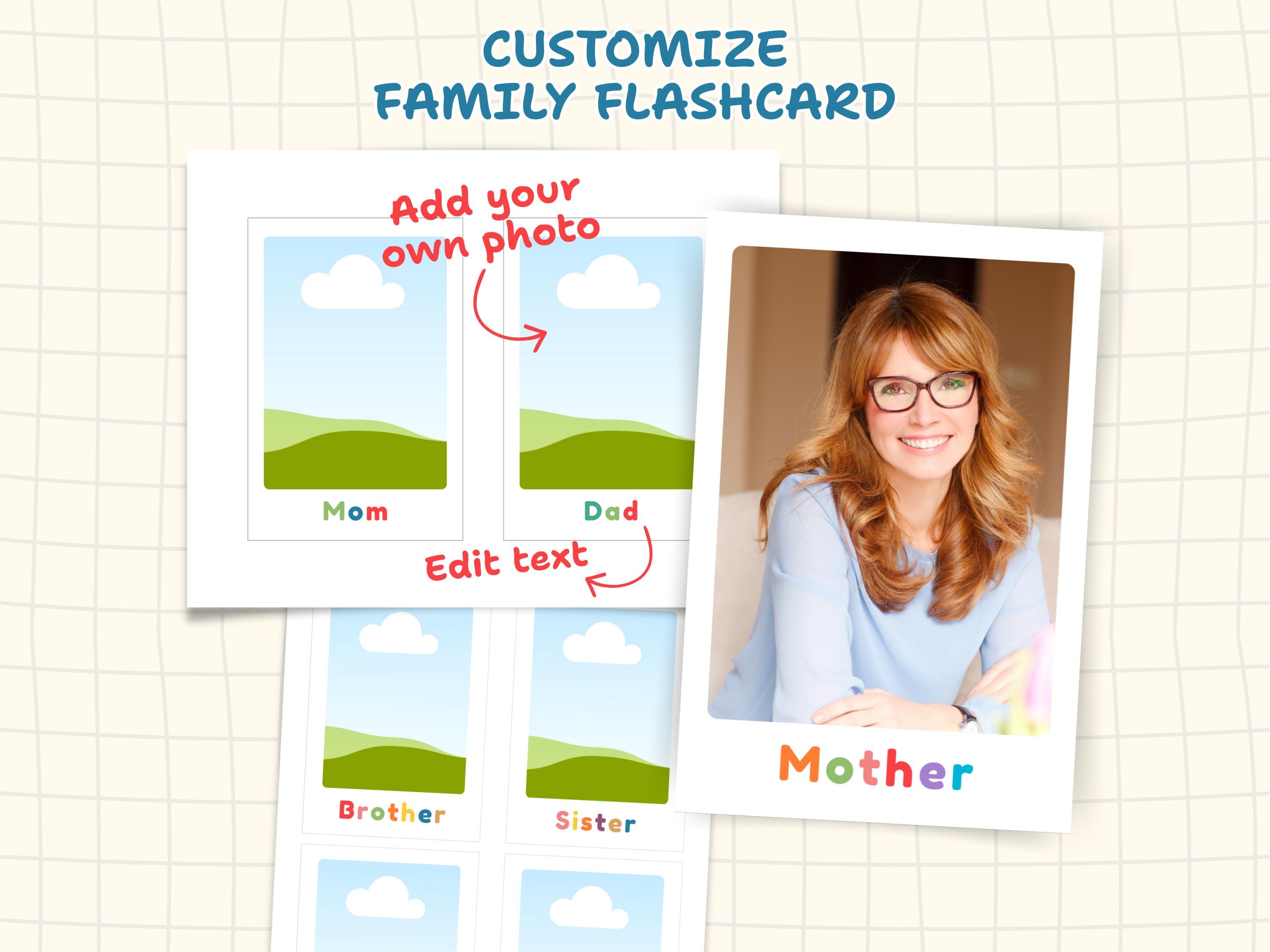
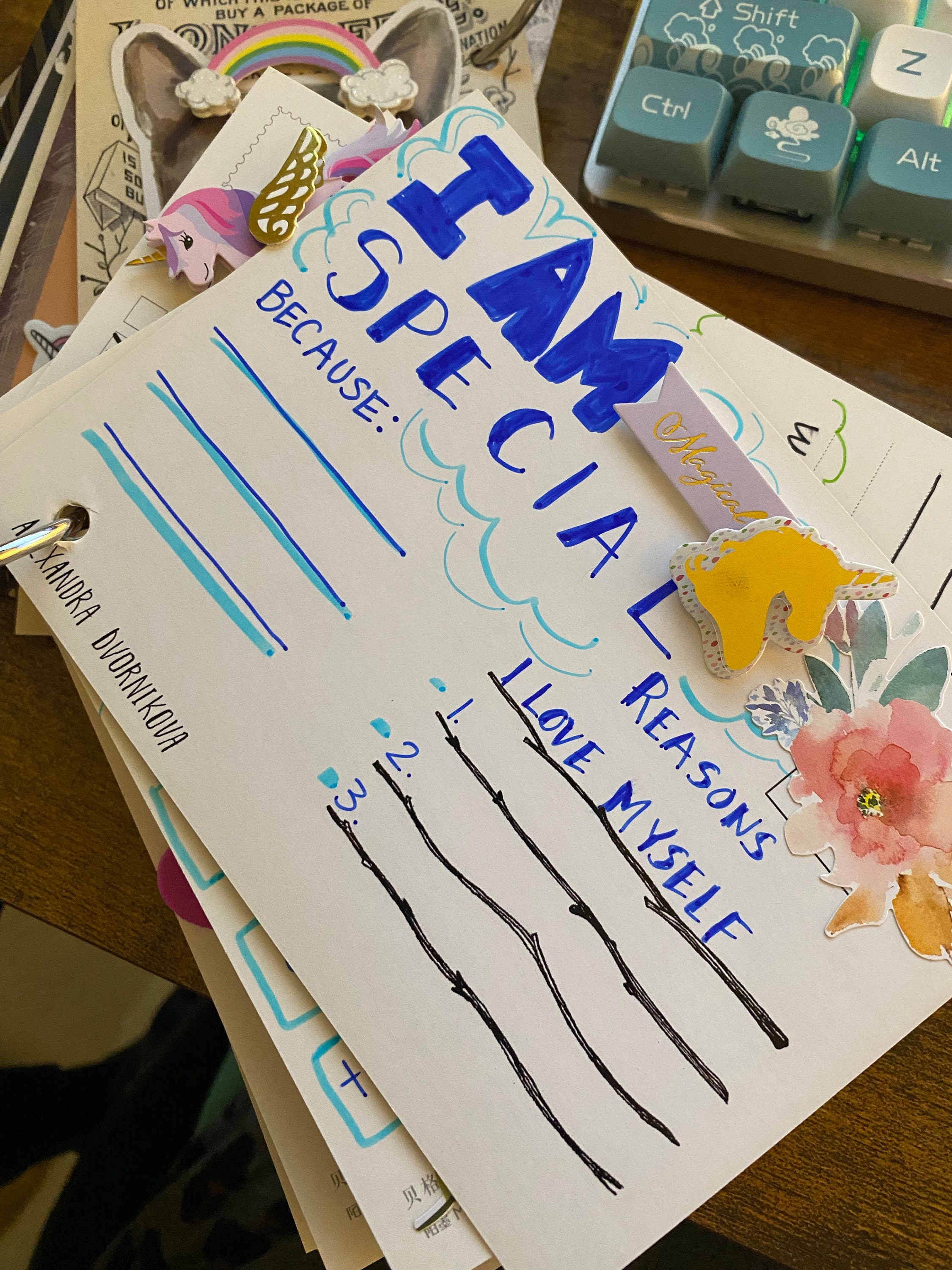
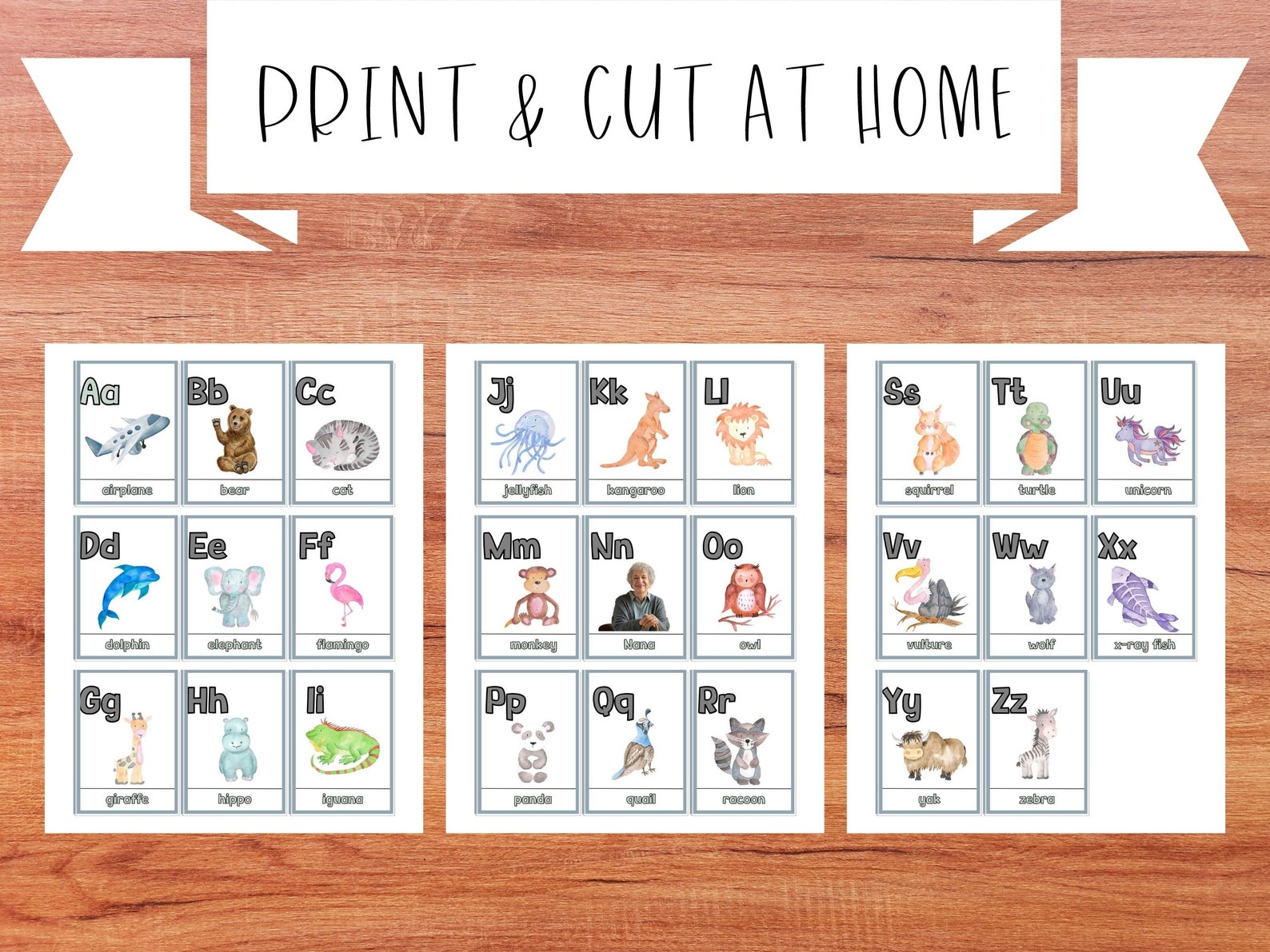
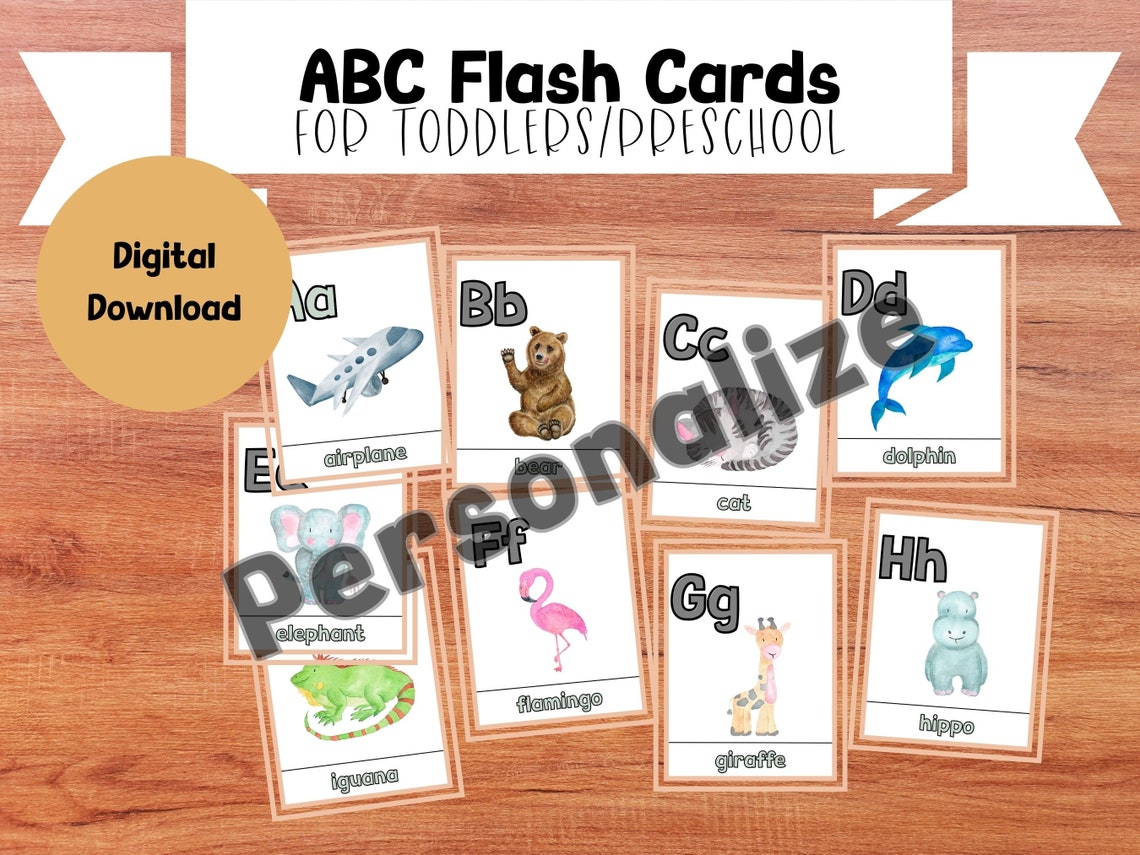
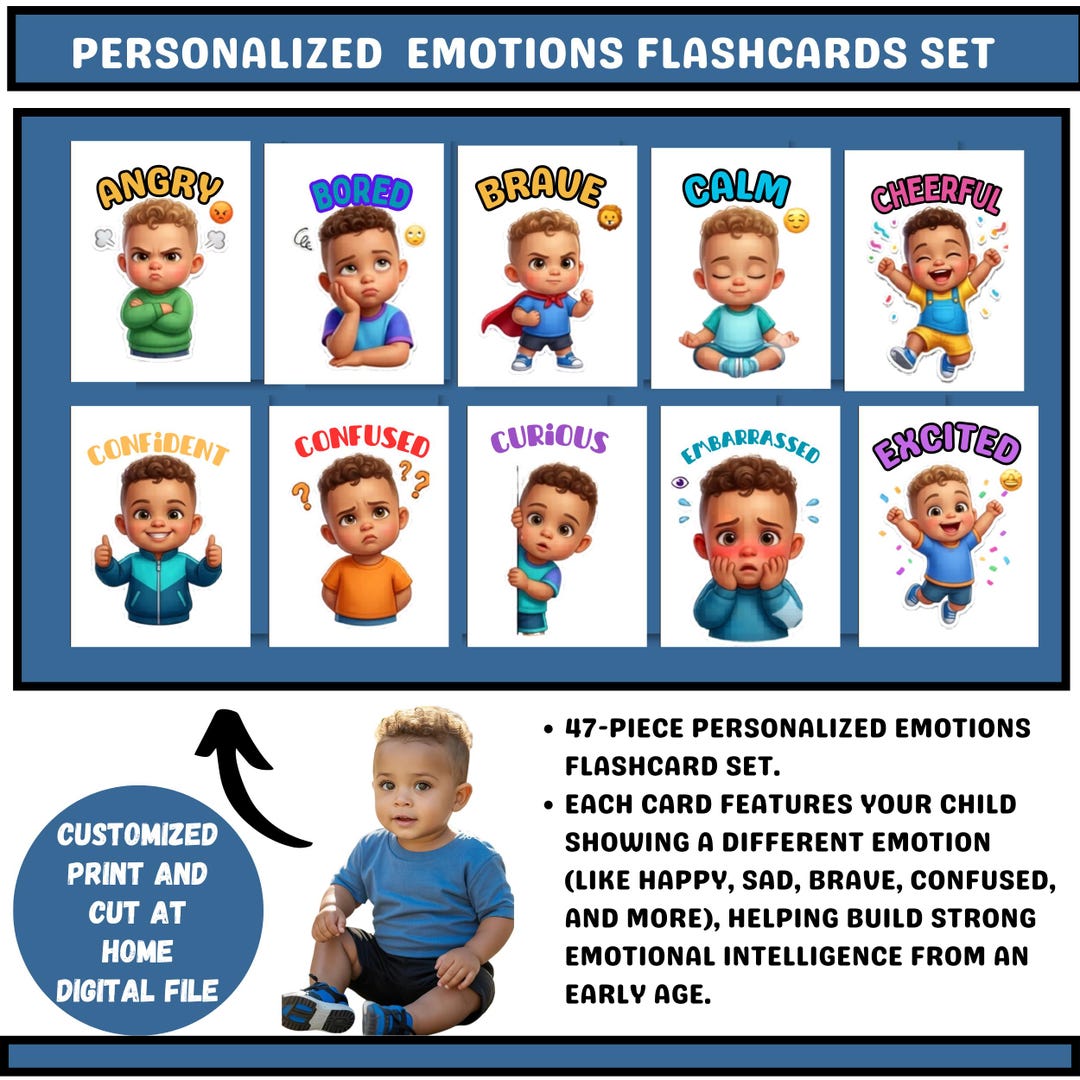
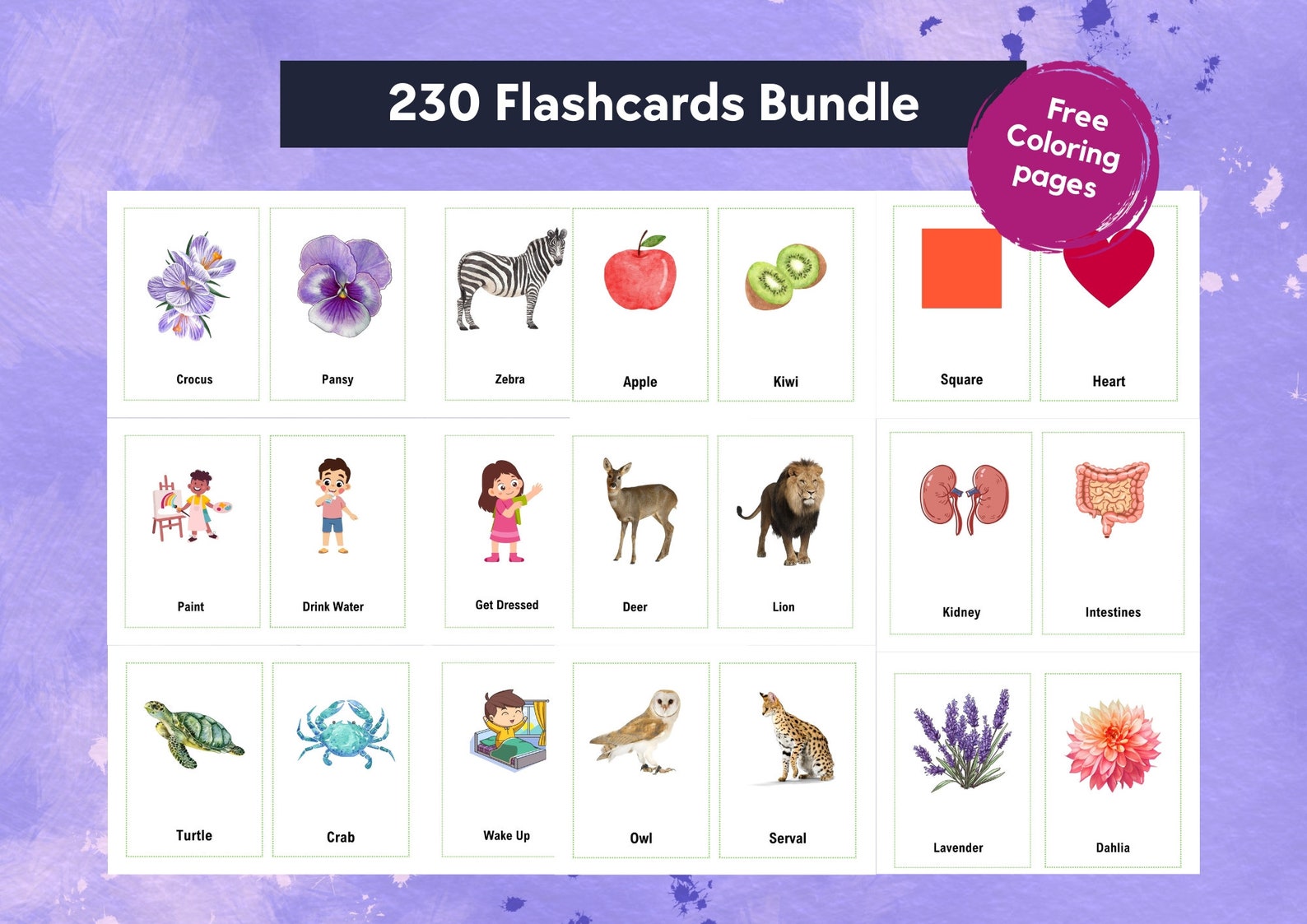
Custom picture flashcards serve as powerful cognitive tools that bridge real-world visual stimuli with foundational fine-motor and spatial reasoning tasks in early childhood education. According to the National Association for the Education of Young Children (NAEYC), purposeful manipulation of real photographic images and structured visual grids significantly accelerates cognitive processing, pattern recognition, and observational accuracy in young learners. These tangible learning materials transform abstract concepts into concrete spatial exercises, making them essential additions to modern early elementary classrooms and homeschool environments. Educators seeking to expand visual curricula can explore specialized resources like Photo Flashcards to enrich daily lesson plans.
Visual Learning & Skill Snapshot:
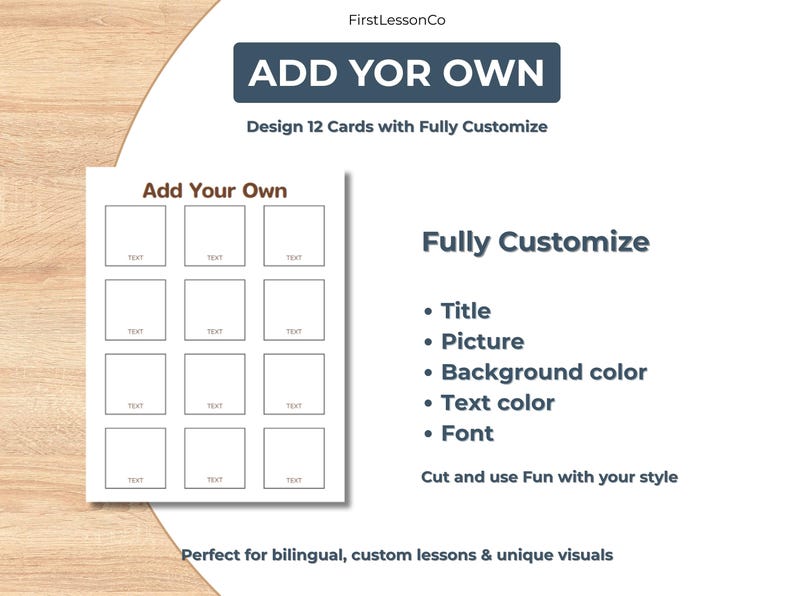
- Core Focus: Utilizing personalized photo cards and structured printable grids for cognitive enhancement.
- Target Skill: Spatial reasoning, visual discrimination, fine-motor proportion, and observation accuracy.
- Key Recommendation: Implement high-contrast, authentic photography alongside proportional grid overlays to maximize cognitive retention.
Core Principles and Visual Learning Overview
Custom picture flashcards operationalize the principles of visual literacy by training children to break down complex photographic images into manageable geometric sectors. When learners interact with Grid Drawing worksheets paired with custom photo references, cognitive load decreases significantly because the composition is segmented into smaller, digestible coordinate boxes. This compartmentalization trains the human eye to measure negative space, estimate relative proportions, and recognize underlying structural lines rather than relying on symbolic shorthand. Consequently, children transition from rudimentary drawing habits to deliberate, observation-driven art making that strengthens both hemispheres of the brain.
Key Specifications and Breakdown
| Age / Learning Stage | Visual Skill & Grid Ratio | Pedagogical Application & Scaffolding |
|---|---|---|
| Ages 4-5 (Early Years) | 2×2 Grid / High-Contrast Photo | Focuses on basic shape recognition and simple coordinate mapping using tactile flashcards. |
| Ages 6-7 (Early Elementary) | 3×3 Grid / Moderate Detail Photo | Develops proportional estimation, fine-motor pencil control, and careful boundary observation. |
| Ages 8-10 (Advanced Primary) | 4×4 Grid / Complex Photographic Subject | Challenges advanced spatial awareness, shadow mapping, and detailed texture replication. |
Systematic visual breaking and grid-based mapping demonstrably enhance spatial working memory and analytical observation skills in early childhood development. — National Art Education Association (NAEA)
Step-by-Step Practical Application and Printing Guidelines
Creating effective custom picture flashcards requires careful attention to photographic clarity, print resolution, and consistent grid alignment across all accompanying worksheets. Educators should select close-up, high-contrast imagery that highlights clear directional lines and distinct focal points to prevent cognitive overload. When printing flashcard decks and practice grids, heavy cardstock ensures durability during repeated handling, while laminating individual cards protects against daily wear in active learning centers. Aligning the coordinate markers on the reference card directly with the matching printable grid worksheet guarantees seamless visual transfer for children practicing proportional estimation and accurate hand-eye coordination.
Common Challenges and How to Avoid Them
Frustration during visual grid exercises typically stems from overly complex source imagery or an excessive number of grid intersections for the child’s developmental stage. Educators can prevent this hurdle by scaling down the coordinate density—beginning with simple 2×2 or 3×3 matrices before advancing to multi-box compositions found in broader Educational Activities. Furthermore, encouraging children to focus on one individual grid square at a time rather than attempting to draw the entire photograph simultaneously eliminates overwhelm and fosters systematic, methodical problem-solving habits.
💬 Frequently Asked Questions
Explore More Free Learning Printables and Visual Activities on WePhotoAgency
Integrating custom picture flashcards and structured visual challenges into daily lesson plans provides children with robust cognitive foundations in observation and spatial reasoning. Educators and parents can discover an extensive library of downloadable resources, printable grids, and creative teaching tools directly by visiting WePhotoAgency.com to elevate early childhood learning experiences today.
Visual Reference Gallery