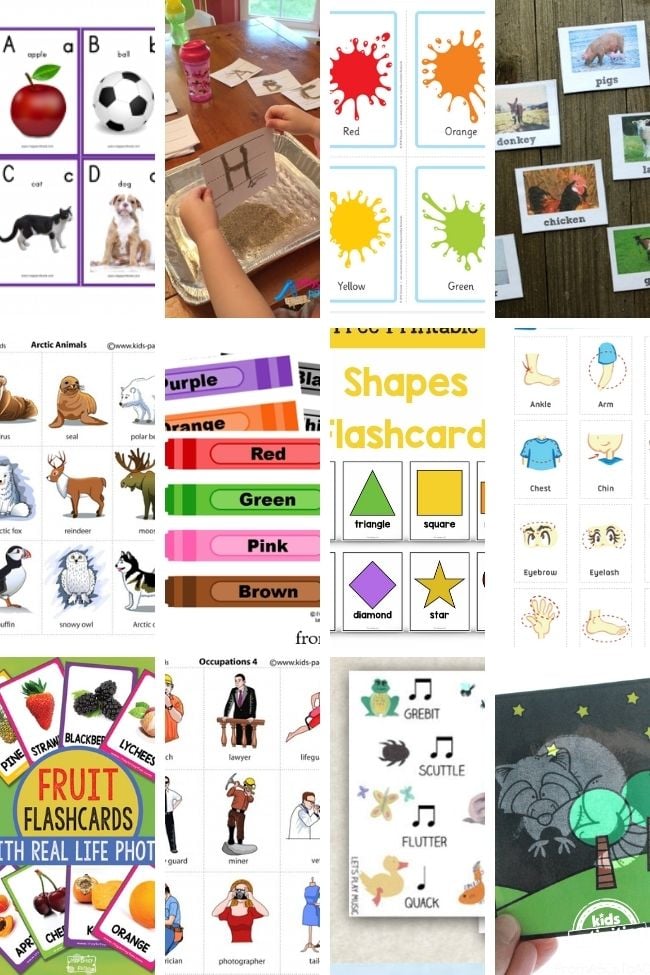
Introduction
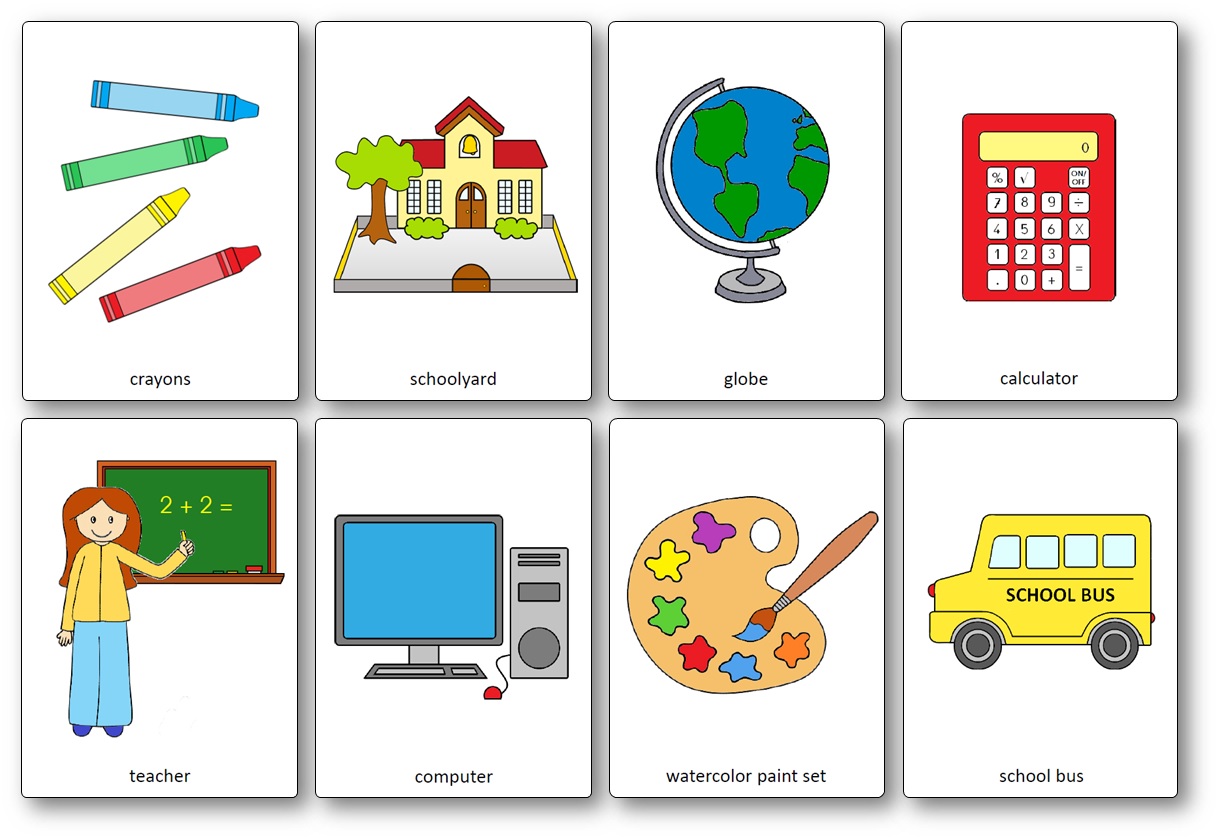
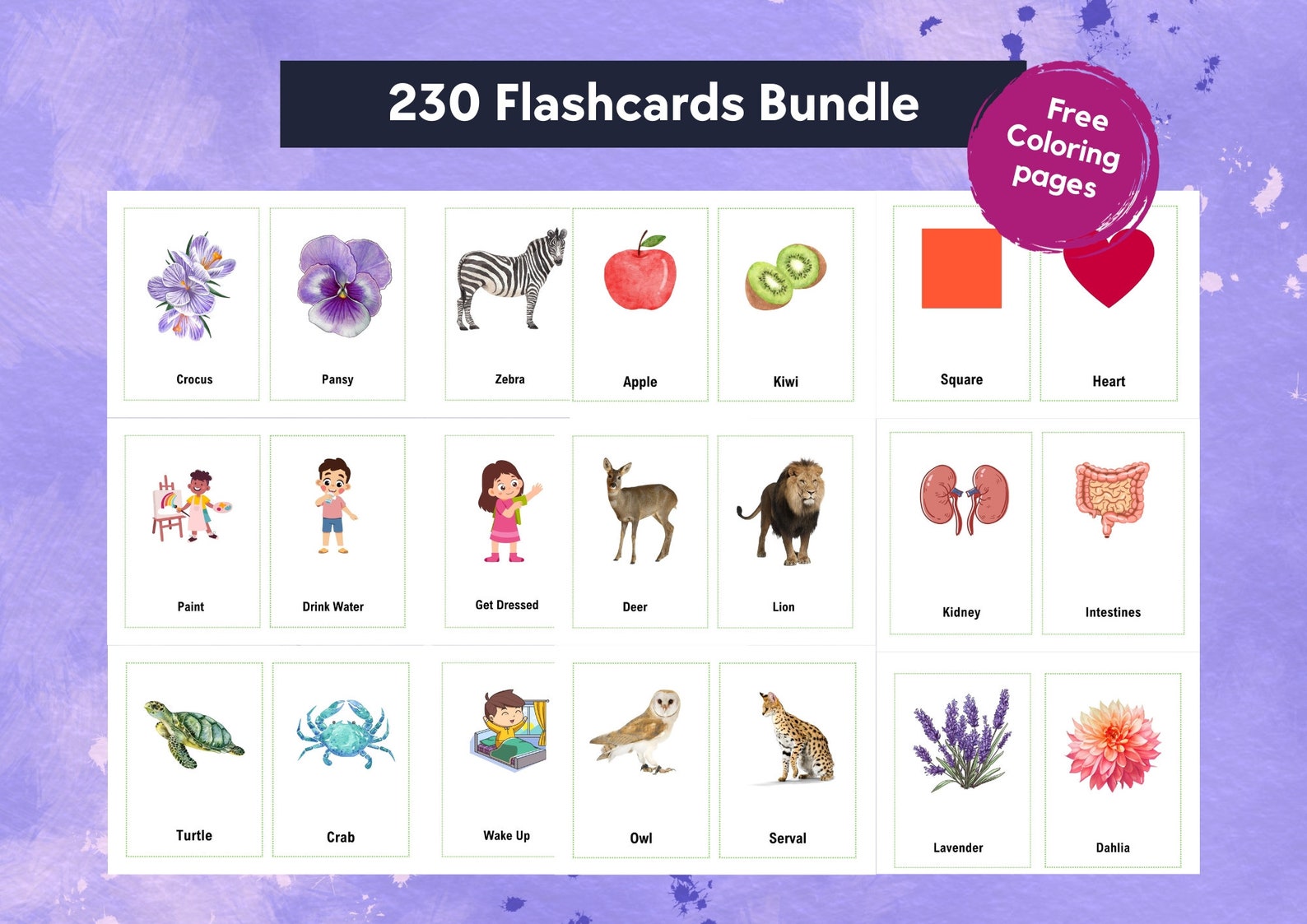
Create picture flashcards function as essential visual-spatial instructional tools that accelerate early childhood cognitive development and observational accuracy. According to the National Association for the Education of Young Children (NAEYC), hands-on visual manipulation and structured observation significantly enhance symbolic representation skills and pre-literacy fluency in young learners. Utilizing photographic reference cards alongside structured drawing tasks bridges the gap between abstract visual processing and concrete fine-motor execution.
Visual Learning & Skill Snapshot:
- Core Focus: Designing high-impact photographic flashcards for grid-based drawing and cognitive mapping.
- Target Skill: Spatial reasoning, visual discrimination, fine-motor proportion, and realistic observation.
- Key Recommendation: Pair high-resolution photographic cards with matching grid worksheets to develop systematic proportion estimation.
Core Principles and Visual Learning Overview
Create picture flashcards involves systematically converting real-world photography into structured visual prompts that encourage children to break complex objects down into manageable geometric components. When young learners pair real photo visual flashcards with printable Grid Drawing worksheets, cognitive load decreases significantly because the spatial array divides continuous lines into isolated coordinate squares. Educators leverage these tools within broader Educational Activities to cultivate critical observation skills, forcing the developing brain to record actual visual data rather than relying on symbolic memory icons.
Key Specifications and Breakdown
| Age / Learning Stage | Visual Skill & Grid Ratio | Pedagogical Application & Scaffolding |
|---|---|---|
| Ages 4-5 (Early Years) | 2×2 Grid / High-Contrast Objects | Introduce fundamental spatial tracking and basic contour recognition using simple photographic subjects. |
| Ages 6-7 (Early Elementary) | 3×3 Grid / Nature & Animals | Develop proportional estimation, line symmetry, and detail replication using Photo Flashcards. |
| Ages 8-9 (Advanced Primary) | 4×4 Grid / Complex Architecture | Refine microscopic visual discrimination, shading translation, and multi-quadrant coordination. |
Structured visual prompts and coordinate grid exercises demonstrably accelerate spatial working memory and visual-motor integration in early childhood development. — National Art Education Association (NAEA). For more related activities, check out our Flashcards With Photo.
Step-by-Step Practical Application and Printing Guidelines
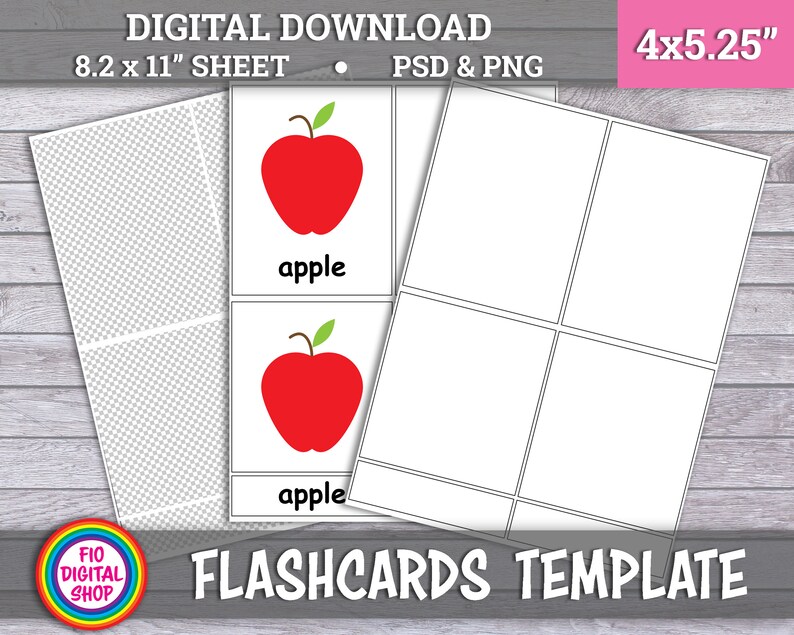
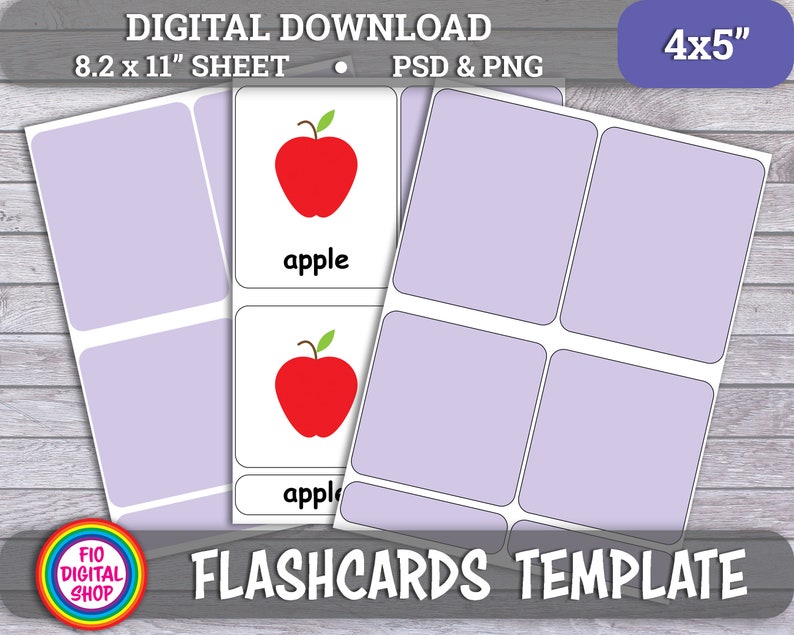
Create picture flashcards requires selecting crisp, high-contrast photographic subject matter, printing on heavy cardstock for durability, and aligning scale parameters precisely with corresponding worksheet grids. Educators should laminate completed cards to withstand frequent tactile handling during small-group rotation stations. Establishing a standardized printing template ensures that the photographic aspect ratio matches the drawing grid boxes exactly, preventing proportional distortion during student transcription tasks.
Common Challenges and How to Avoid Them
Common obstacles during grid-based visual exercises stem from children attempting to draw entire objects at once rather than focusing on individual coordinate squares. Instructors combat this frustration by providing physical blocking windows or opaque cards that isolate one grid quadrant at a time, training the brain to analyze lines independently of the overarching subject.
💬 Frequently Asked Questions
Explore More Free Learning Printables and Visual Activities on WePhotoAgency
Discover an extensive library of professional educational tools, drawing templates, and visual resources designed to foster cognitive growth by visiting WePhotoAgency.com today.
Visual Reference Gallery