Introduction
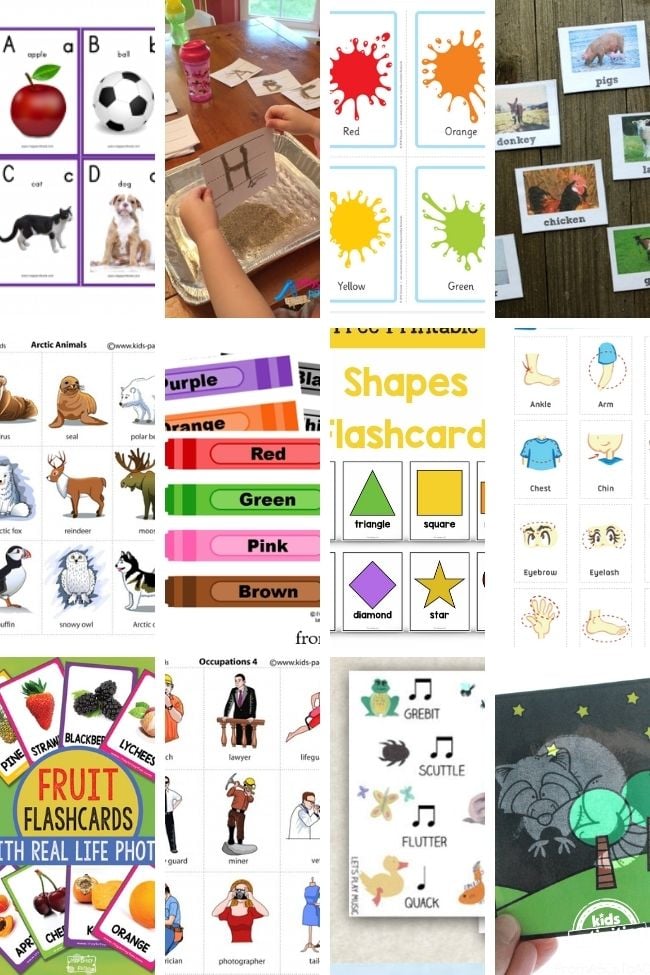
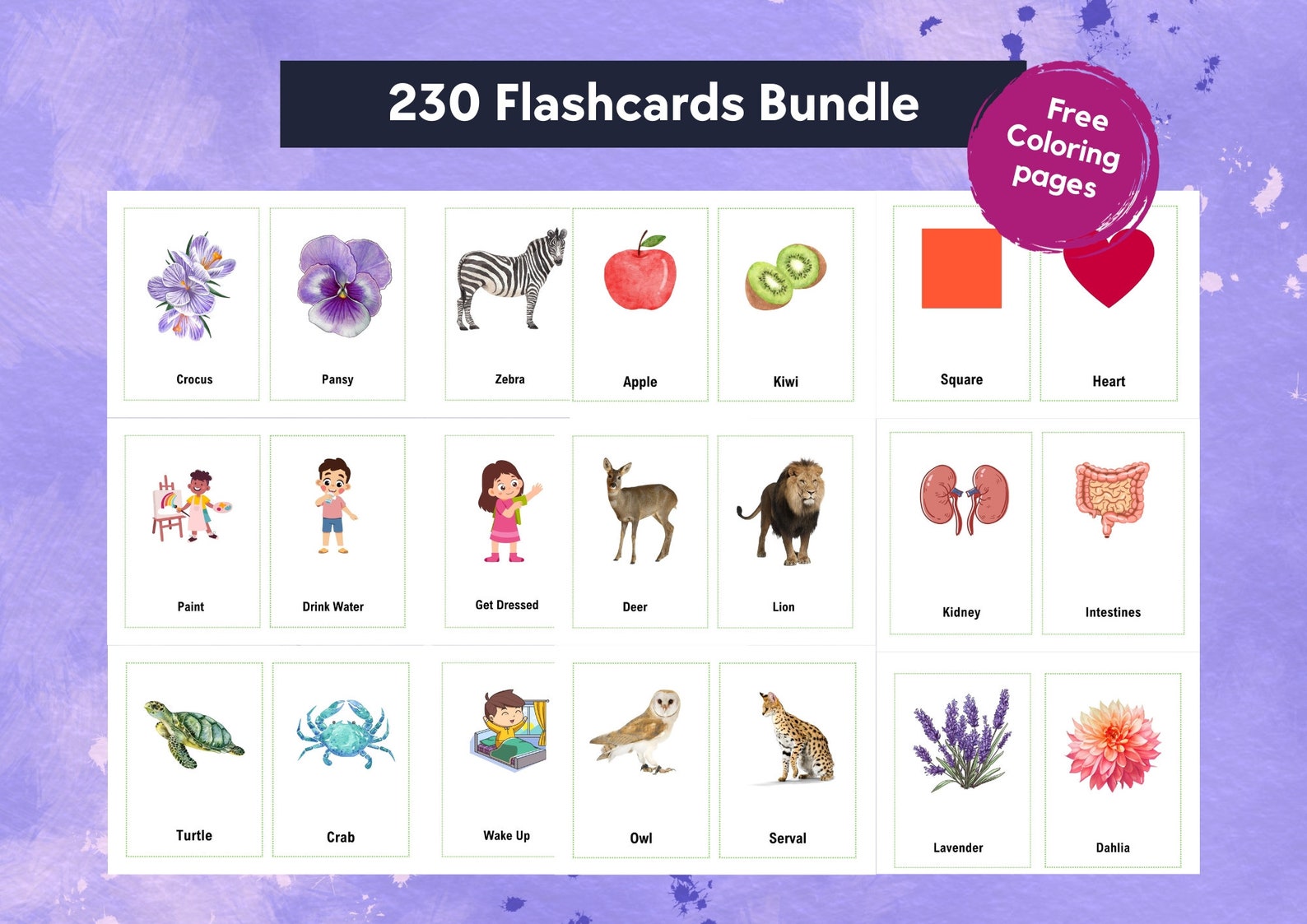
To create photo flashcards is to transform high-resolution visual imagery into targeted cognitive tools that systematically boost spatial awareness, observation skills, and proportion estimation in young learners. According to the National Association for the Education of Young Children (NAEYC), purposeful manipulation of concrete visual materials and structured graphics significantly strengthens early mathematical and artistic conceptualization. By bridging real-world photographs with scaffolded printable grid drawing worksheets, educators equip children to decode complex visual data into manageable geometric components. Integrating these custom visual assets into daily instruction supports foundational visual literacy, enhances fine-motor hand-eye coordination, and elevates drawing accuracy by teaching students how to isolate visual elements block by block within structured grid frameworks found across Photo Flashcards collections.
Visual Learning & Skill Snapshot:
- Core Focus: Synthesizing custom photographic printouts with proportional grid-based observation exercises.
- Target Skill: Spatial reasoning, visual discrimination, fine-motor proportion, and photo-based concept mastery.
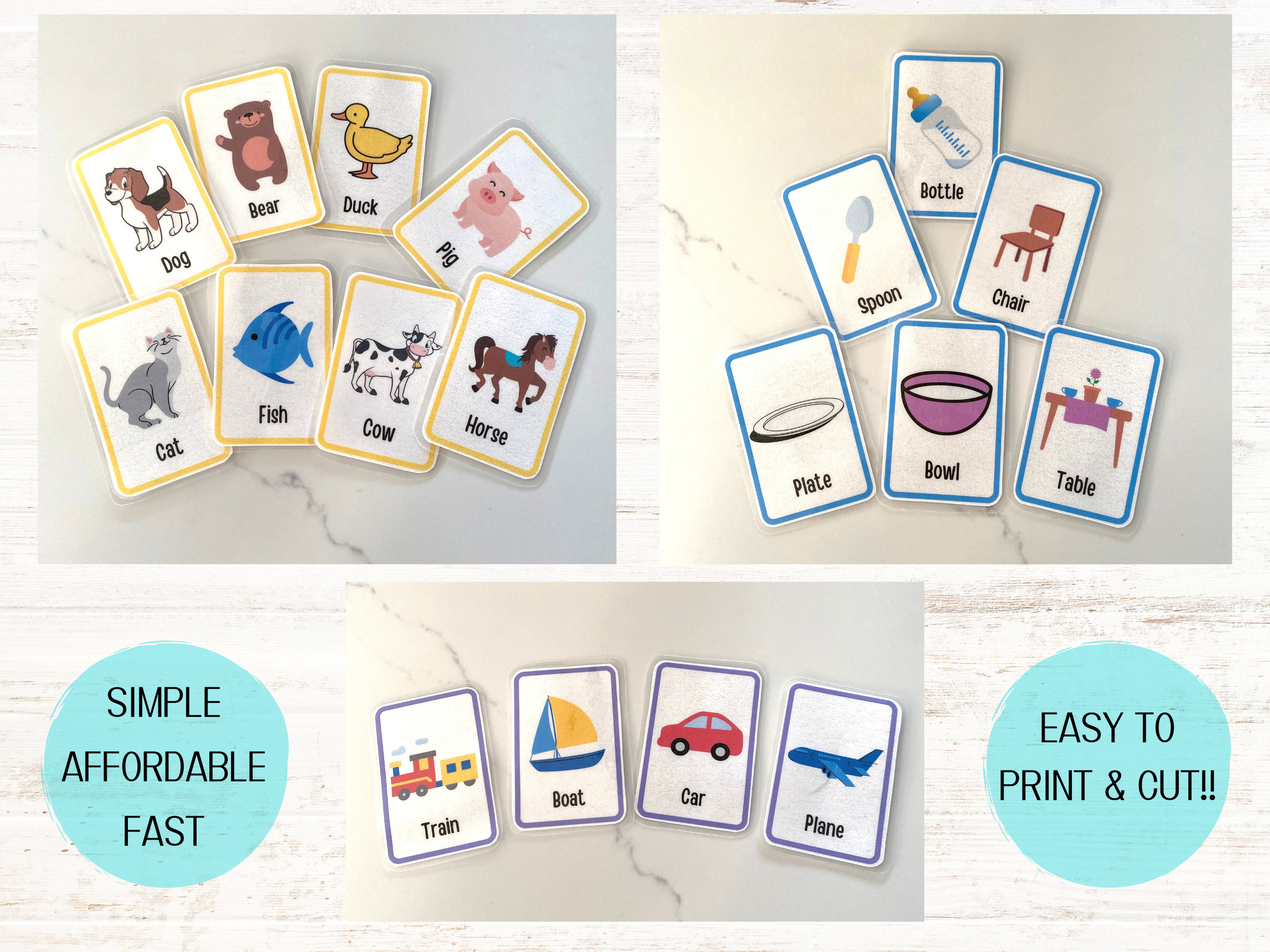
- Key Recommendation: Laminate printed photographic flashcards to ensure durability and maintain crisp grid alignment during repeated hands-on tracing and sketching sessions.
Core Principles and Visual Learning Overview
Mastering proportions requires learners to shift from symbolic abstraction to accurate visual observation of real-world objects, a transition directly facilitated when instructors create photo flashcards paired with proportionate drawing grids. When children study a photographic subject divided into distinct coordinate squares, cognitive load decreases, enabling the brain to analyze negative space, line curvature, and relative scale independently. This analytical process aligns directly with methodologies utilized in Grid Drawing, where compartmentalized visual analysis prevents young artists from feeling overwhelmed by complex subject matter. Utilizing tangible photo cards encourages tactile engagement, turning abstract artistic theory into an intuitive, gamified process of coordinate mapping and spatial reproduction.
Key Specifications and Breakdown
| Age / Learning Stage | Visual Skill & Grid Ratio | Pedagogical Application & Scaffolding |
|---|---|---|
| Ages 4-5 (Early Years) | 2×2 Grid with Bold Photo Contours | Introduce basic shape recognition and matching real-world objects to simple drawn representations. |
| Ages 6-7 (Early Elementary) | 3×3 Grid with Moderate Detail | Develop proportional measurement, line accuracy, and coordinate tracking through guided tracing. |
| Ages 8-9 (Advanced Primary) | 4×4 Grid with Complex Photography | Refine fine-motor precision, independent spatial estimation, and freehand scaled reproduction. |
Structured visual tools and concrete manipulative experiences actively accelerate cognitive schema formation and spatial memory retention in early childhood learners. — National Art Education Association (NAEA)
Step-by-Step Practical Application and Printing Guidelines
Executing this hands-on methodology effectively demands careful preparation, starting with the selection of high-contrast, clear photographs featuring distinct focal points against neutral backgrounds. To create photo flashcards for optimal classroom or homeschool utility, educators must overlay a uniform grid transparency onto the digital image before printing identical corresponding grids onto blank sketching sheets. Print cards on heavy cardstock to prevent tearing during student handling, and pair them immediately with structured exercises from Educational Activities portfolios to reinforce multidisciplinary learning objectives. Instructors should guide children to examine one grid square at a time, checking vertical and horizontal boundaries before transferring pencil lines onto the companion worksheet.
Common Challenges and How to Avoid Them
Misjudging scale and rushing through individual grid coordinates remain the most frequent obstacles encountered by young learners attempting proportional visual replication. To prevent frustration, facilitators should ensure that the printed reference cards match the exact scale and grid dimensions of the student drawing sheets, eliminating the added cognitive burden of proportional scaling during early practice stages. If a child struggles with drawing a specific square, encourage isolating the segment by covering adjacent grid cells with index cards to sharpen concentration on isolated lines, curves, and intersections.
💬 Frequently Asked Questions
Explore More Free Learning Printables and Visual Activities on WePhotoAgency
Expanding early childhood art curricula becomes effortless when utilizing organized, high-quality visual resources designed specifically for educators, homeschoolers, and parents. Discover an extensive library of printable assets, step-by-step drawing guides, and cognitive development tools by visiting WePhotoAgency.com to elevate daily instructional delivery and inspire lifelong creativity.
Visual Reference Gallery