Introduction
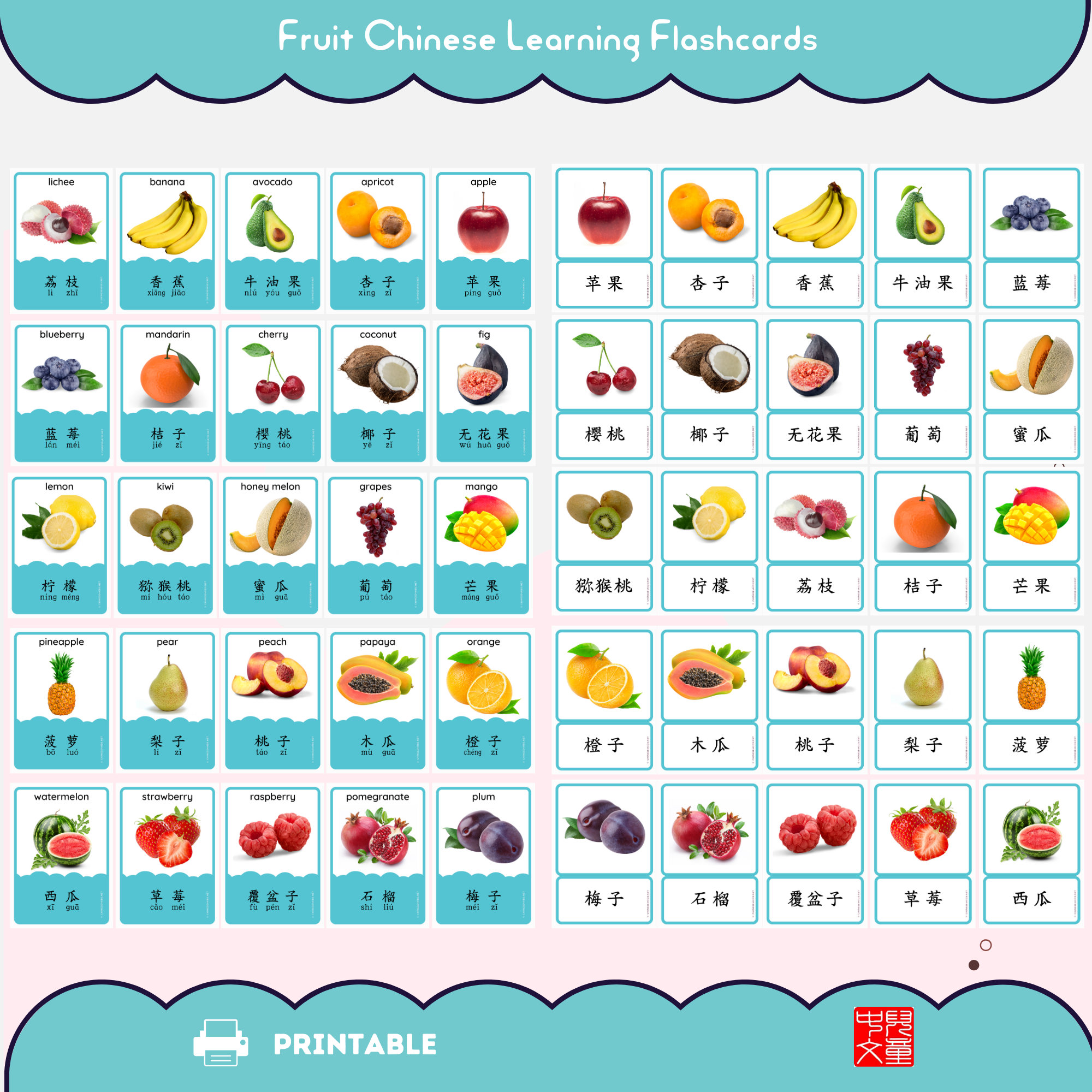
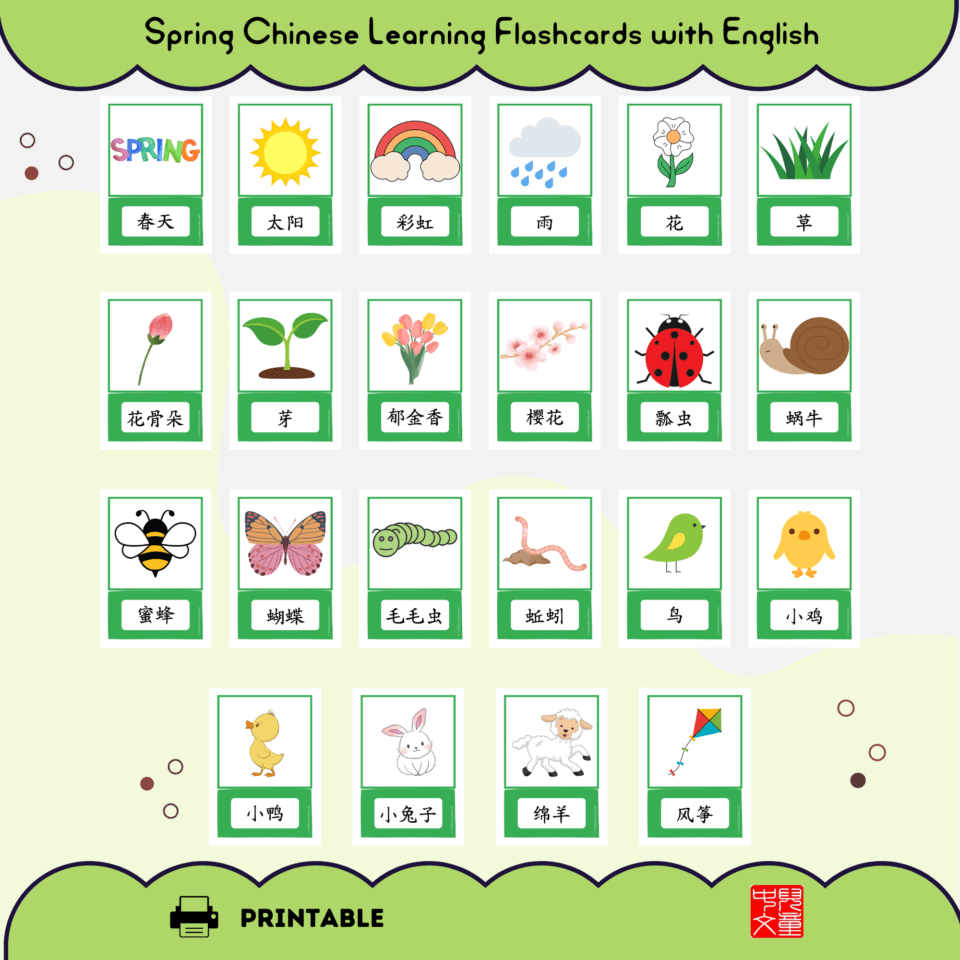
Chinese picture flashcards function as high-impact visual catalysts designed to bridge literal object recognition with complex spatial mapping and fine-motor execution. According to the National Association for the Education of Young Children (NAEYC), hands-on manipulation of concrete visual tools substantially accelerates cognitive mapping and linguistic retention during early childhood development. Utilizing authentic photographic imagery combined with targeted grid mechanics transforms passive memorization into active observational analysis. Educators and parents leveraging these resources build foundational neural pathways essential for advanced geometric comprehension, accurate proportion estimation, and cross-cultural visual literacy. Integrating these tactile visual aids into daily learning routines promotes sustained attention spans and deepens analytical processing skills in young learners.
Visual Learning & Skill Snapshot:
- Core Focus: Bridging authentic photographic recognition with structured grid drawing and spatial scaling exercises.
- Target Skill: Spatial reasoning, visual discrimination, fine-motor proportion estimation, and observation mastery.
- Key Recommendation: Pair high-contrast real photo visual flashcards directly with corresponding printable grid drawing worksheets to reinforce structural proportions.
Core Principles and Visual Learning Overview
Chinese picture flashcards leverage authentic photographic stimuli to cultivate advanced visual literacy, spatial awareness, and cognitive mapping in early learners. When children analyze high-resolution images alongside structured Grid Drawing exercises, visual processing shifts from generalized observation to targeted spatial dissection. This methodology trains young minds to isolate coordinates, measure line angles, and replicate proportions accurately on paper. Integrating authentic cultural imagery through Photo Flashcards ensures that cognitive engagement remains high while building foundational drawing precision. Educators rely on these systematic visual tools to scaffold complex drawing tasks into manageable coordinate steps, reducing frustration and maximizing technical skill acquisition.
Key Specifications and Breakdown
| Age / Learning Stage | Visual Skill & Grid Ratio | Pedagogical Application & Scaffolding |
|---|---|---|
| Ages 4-5 (Early Beginners) | 2×2 simple grid, high-contrast imagery | Focuses on basic contour recognition and gross spatial placement within large, easily distinguishable coordinate boxes. |
| Ages 6-7 (Intermediate Learners) | 3×3 intermediate grid, balanced detail | Enhances proportion estimation, line continuity, and the accurate mapping of intersecting shapes across multiple cells. |
| Ages 8-10 (Advanced Students) | 4×4 complex grid, intricate photographic details | Builds advanced observational accuracy, foreshortening comprehension, and precise scale transfer from photo to paper. |
Systematic visual instruction and structured grid drawing significantly enhance spatial cognition and geometric proportion estimation by converting holistic observation into targeted coordinate analysis. — National Art Education Association (NAEA)
Step-by-Step Practical Application and Printing Guidelines
Implementing chinese picture flashcards requires high-resolution printing on durable cardstock to withstand frequent tactile manipulation by young children. Begin by selecting corresponding Educational Activities that feature matching grid ratios on both the reference card and the student workspace. Instruct learners to isolate one grid square at a time, using a viewing window or finger to block out surrounding visual noise and prevent cognitive overload. Guide children to observe where lines intersect grid borders before transferring pencil strokes onto the blank coordinate sheet. This methodical isolation technique guarantees accurate proportion estimation and builds confidence in independent artistic execution.
Common Challenges and How to Avoid Them
Children frequently struggle with proportion estimation when attempting to draw entire subjects holistically rather than focusing on individual grid coordinates. Educators can resolve this issue by encouraging the use of masking cards to hide all reference grid squares except the single cell currently being drawn. Another common hurdle involves rushing through fine-motor shading and line replication; combat this by emphasizing slow, deliberate pencil control during the initial sketching phase. Maintaining clear alignment between the reference card and the student worksheet also prevents disorientation during visual translation.
💬 Frequently Asked Questions
Explore More Free Learning Printables and Visual Activities on WePhotoAgency
Discover an extensive library of professional teaching resources, grid drawing exercises, and visual learning tools designed to elevate early childhood education by visiting WePhotoAgency.com. Access expertly curated printables that foster cognitive development, spatial reasoning, and artistic confidence in young learners today.
Visual Reference Gallery