Introduction
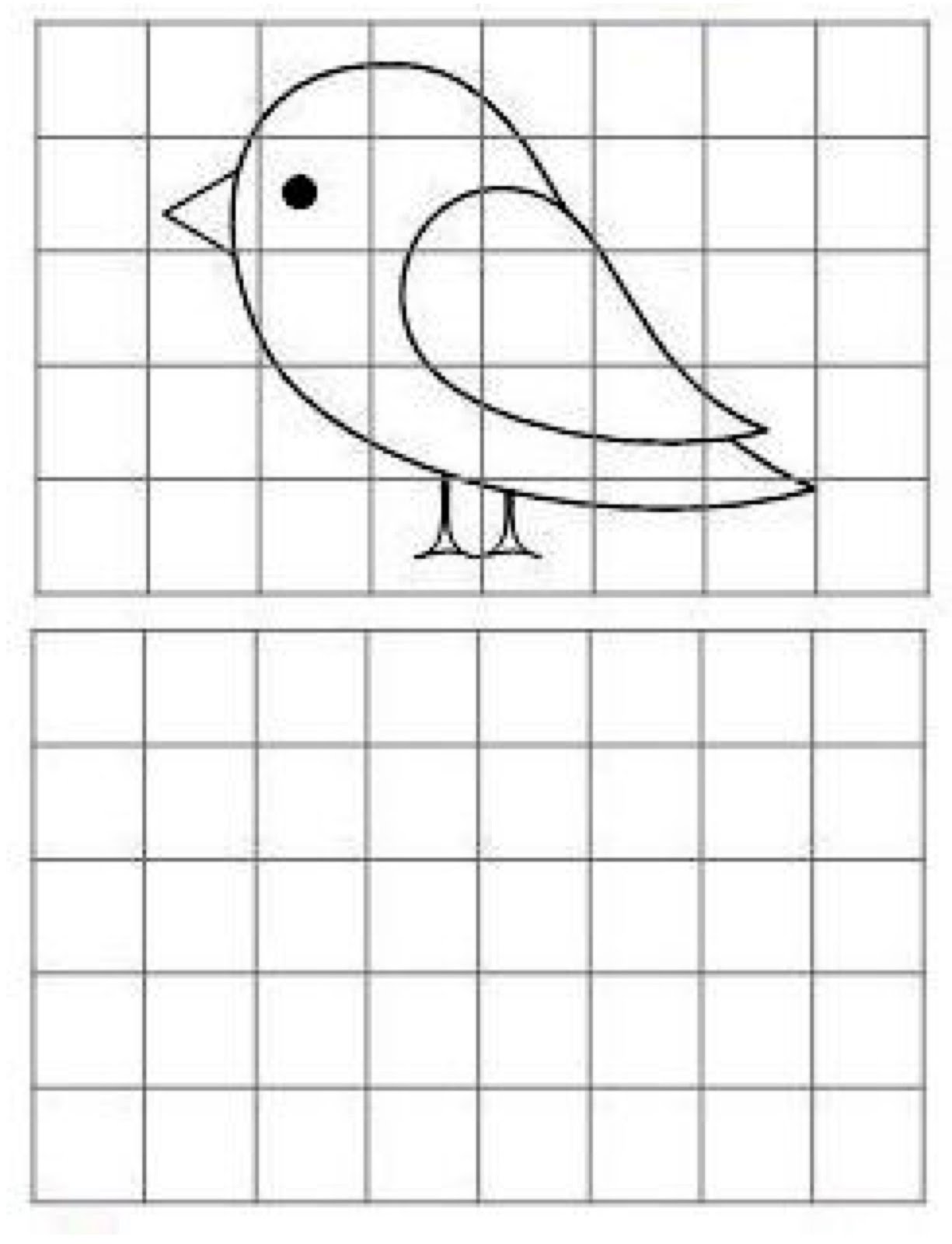
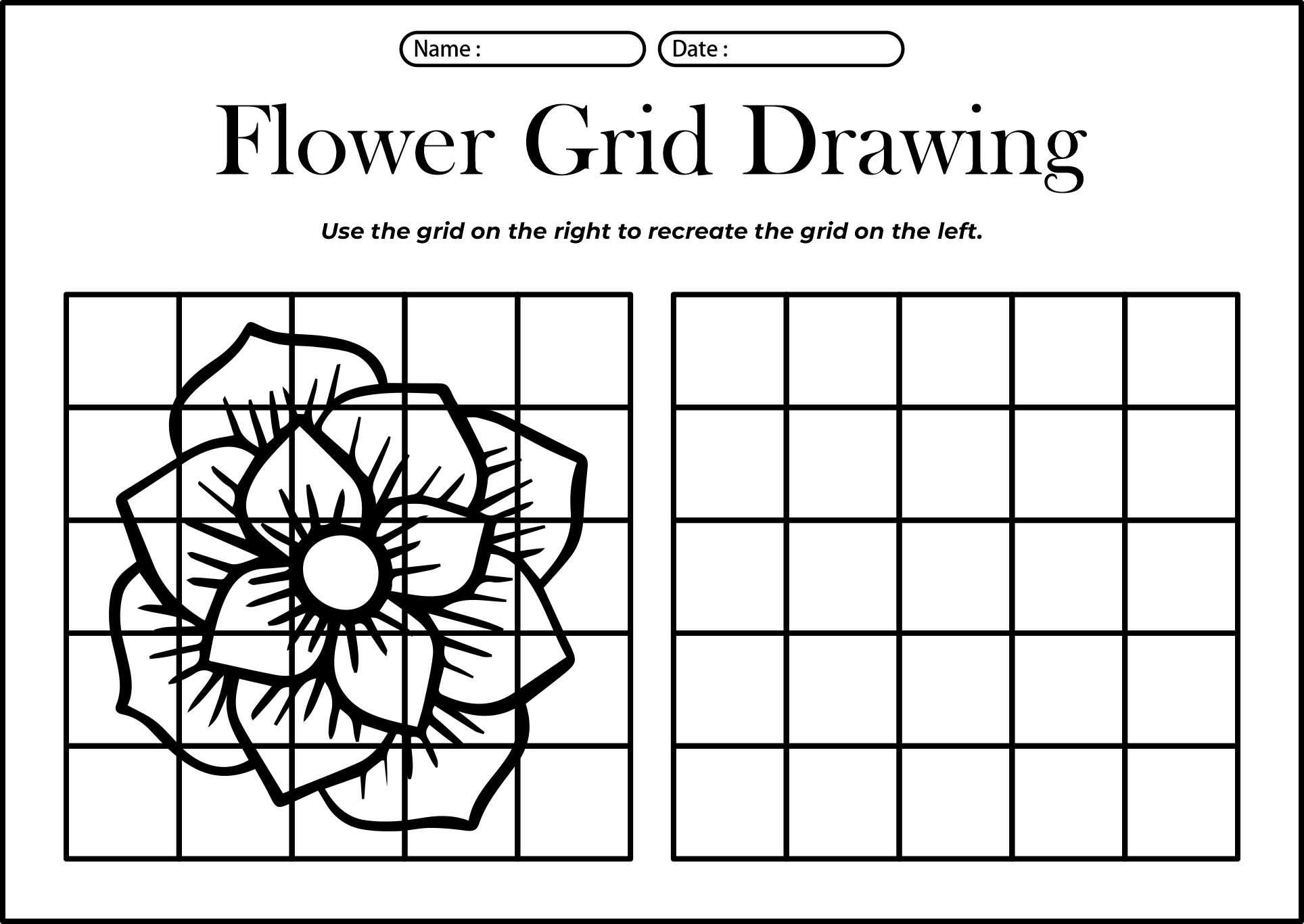
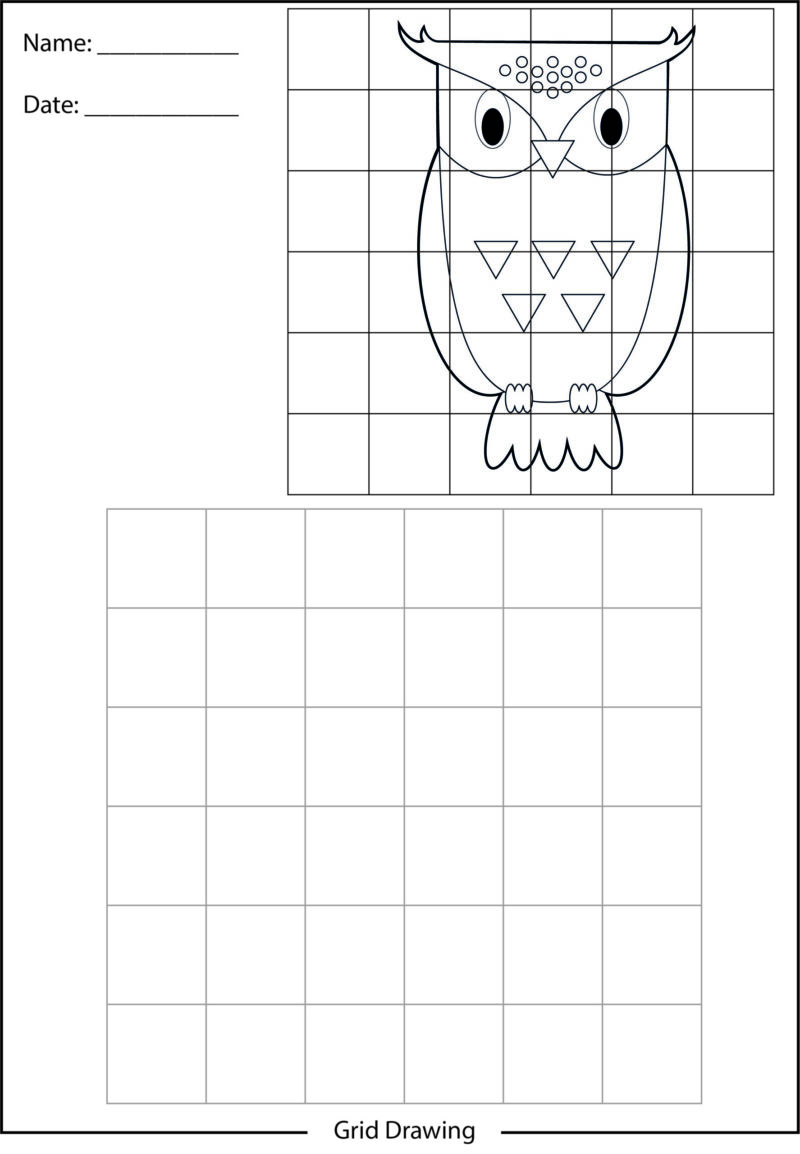
Grid drawing tools function as structural visual frameworks that break complex photographic reference images into manageable coordinate segments to teach children proportional mapping, spatial orientation, and visual accuracy. According to the National Art Education Association (NAEA), structured visual observation tasks systematically accelerate hand-eye coordination and spatial reasoning capabilities in early childhood development. Utilizing printable Grid Drawing worksheets bridges the cognitive gap between abstract seeing and concrete pencil manipulation by teaching young learners to isolate single squares rather than becoming overwhelmed by an entire composition. Instructors, parents, and early elementary educators harness these mechanical scaffolding systems to foster patience, meticulous visual attention, and analytical confidence in young artists.
Visual Learning & Skill Snapshot:
- Core Focus: Coordinate-based visual decomposition for accurate image replication and spatial reasoning.
- Target Skill: Proportional estimation, fine-motor control, grid coordinate navigation, and visual discrimination.
- Key Recommendation: Pair photographic reference cards with matching 1:1 grid ratios before introducing scale-up challenges.
Core Principles and Visual Learning Overview
Grid drawing tools operate on the foundational principle of perceptual reduction, transforming complex visual stimuli into simple geometric coordinates. By breaking down high-definition Photo Flashcards into uniform square quadrants, children learn to shift processing from conceptual symbolism—such as drawing what the mind thinks an object looks like—to observational recording of actual lines, angles, and negative spaces. This systematic breaking of visual information heavily reinforces cognitive mapping, tracking skills, and left-right orientation. Educators utilize these tools to bridge early literacy spatial tracking with artistic rendering, offering foundational practice applicable to geometry, handwriting alignment, and multi-step problem-solving across core academic subjects.
Key Specifications and Breakdown
| Age / Learning Stage | Visual Skill & Grid Ratio | Pedagogical Application & Scaffolding |
|---|---|---|
| Ages 4–5 (Early Foundations) | 2×2 or 3×3 grids; 1:1 scale | Focuses on tracing simple lines and matching basic shapes inside immediate quadrants using tactile photo cards. |
| Ages 6–7 (Developing Mastery) | 4×4 or 5×5 grids; 1:1 scale | Encourages independent coordinate finding, directional counting, and contour line replication from realistic subjects. |
| Ages 8–9 (Advanced Application) | 6×6+ grids; 1:2 scaling ratios | Introduces proportional expansion and mathematical scaling alongside detailed observational drawing challenges. |
Structured spatial decomposition methods significantly improve visual-motor integration and coordinate tracking proficiency in developing children. — National Art Education Association (NAEA)
Step-by-Step Practical Application and Printing Guidelines
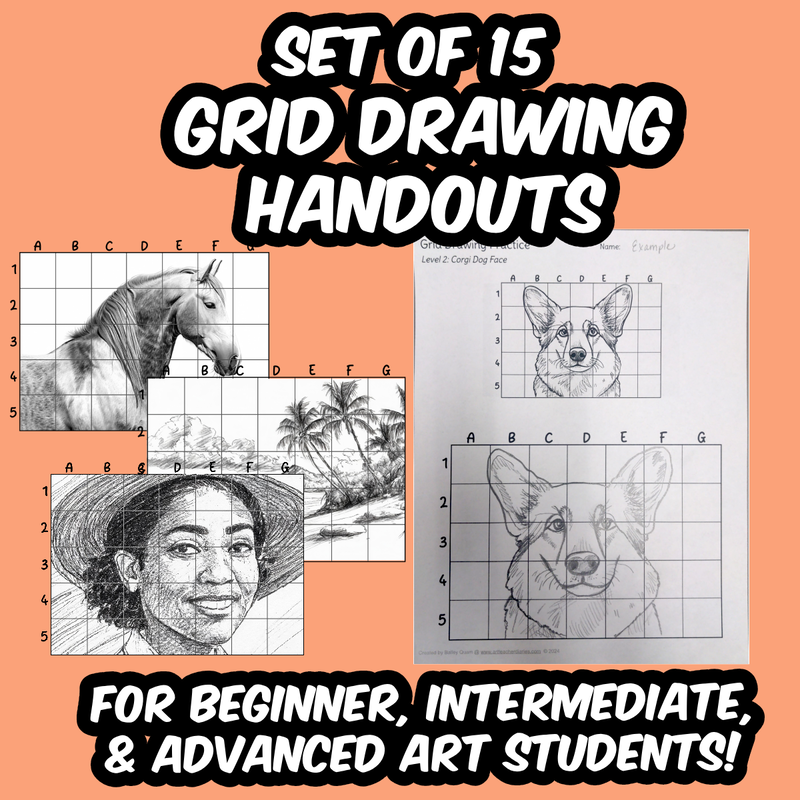
Implementing grid drawing tools effectively requires precise alignment between the target reference image and the blank working worksheet. Educators should print materials on heavy cardstock to prevent curling and ensure that gridlines remain crisp, clear, and easy for young eyes to track. Begin by introducing targeted Educational Activities where learners cover all squares except one using a masking card, teaching them to isolate and examine individual coordinate boxes independently. Guide children to label horizontal columns with letters and vertical rows with numbers to build early coordinate literacy before executing pencil strokes from top-left to bottom-right across the working field.
Common Challenges and How to Avoid Them
Children frequently struggle with grid drawing tools when reference grids contain too many intersecting lines or when reference images feature low-contrast subjects that obscure quadrant intersections. Educators eliminate this frustration by utilizing high-contrast, clear photo references and starting with minimal two-by-two or three-by-three grids before advancing to complex matrices. Another common error involves children jumping randomly across the grid surface; instructors prevent this by modeling systematic row-by-row progression, ensuring young learners build reliable visual scanning habits and methodical attention to detail.
💬 Frequently Asked Questions
Explore More Free Learning Printables and Visual Activities on WePhotoAgency
Expanding early childhood visual curricula becomes effortless with structured, professionally designed printables available across the web platform. Educators, parents, and homeschool leaders can access an extensive library of developmental assets, classroom worksheets, and cognitive enrichment templates by visiting the main repository at WePhotoAgency.com to support holistic spatial learning.
Visual Reference Gallery