Introduction
A grid drawing tool online functions as a digital layout utility that overlays a geometric matrix onto reference imagery to simplify complex visual data into manageable spatial quadrants for young learners. According to the National Art Education Association (NAEA), structured visual observation exercises significantly enhance children’s ability to process proportions, develop fine-motor accuracy, and translate three-dimensional realities into two-dimensional representations. Implementing these resources bridges the gap between abstract visual perception and concrete drawing skills, supporting early childhood cognitive development across home and classroom environments. Educators can easily integrate these digital solutions into Educational Activities to cultivate foundational artistic discipline. For additional visual stimuli, pairing these exercises with Photo Flashcards reinforces real-world object recognition.
Visual Learning & Skill Snapshot:
- Core Focus: A digital utility overlaying geometric coordinate systems onto reference photographs to teach spatial mapping and proportion estimation.
- Target Skill: Spatial reasoning, visual discrimination, fine-motor proportion, and observation-based drawing accuracy.
- Key Recommendation: Start early learners with low-density 2×2 or 3×3 grids before transitioning to complex multi-square architectural templates.
Core Principles and Visual Learning Overview
Grid-based visual translation breaks down the cognitive overwhelm of drawing by teaching children to isolate individual squares rather than processing an entire image at once. Utilizing a grid drawing tool online allows instructors to upload real photographs, customize cell dimensions, and generate printable worksheets tailored to specific developmental levels. This technique strengthens eye-hand coordination by requiring students to cross-reference coordinates, measure relative distances, and duplicate line contours block by block. Such structured practice aligns with broader cognitive milestones in early elementary curricula, fostering patience, systematic problem-solving, and enhanced visual literacy.
Key Specifications and Breakdown
| Age / Learning Stage | Visual Skill & Grid Ratio | Pedagogical Application & Scaffolding |
|---|---|---|
| Ages 4–5 (Preschool/Kindergarten) | Basic shapes, 2×2 or 3×3 simple grids | Use high-contrast real photo references of familiar objects to build basic spatial awareness. |
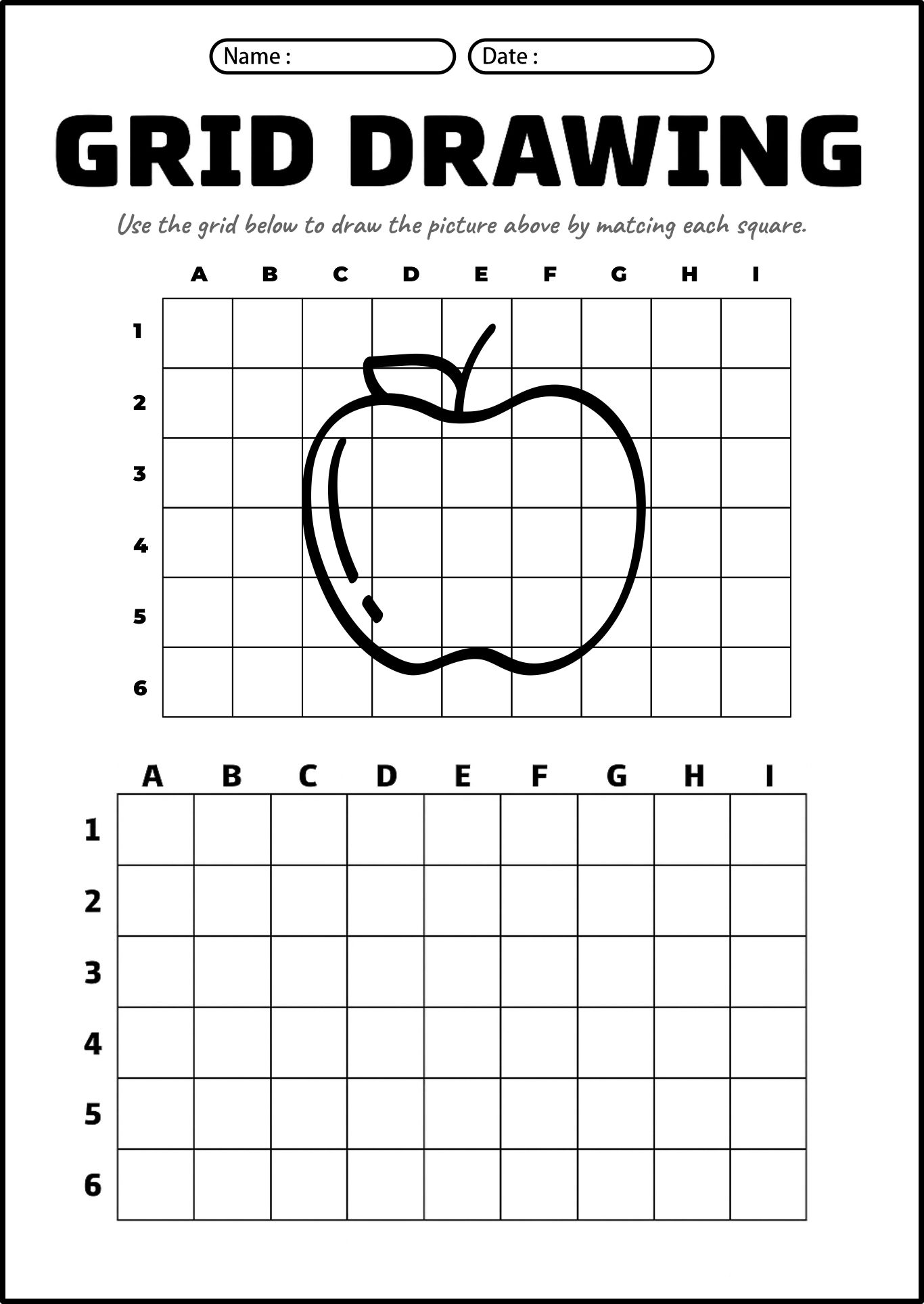
| Ages 6–7 (Early Elementary) | Moderate contours, 4×4 coordinate grids | Incorporate printable worksheets with numbered axes to teach systematic scanning and line replication. |
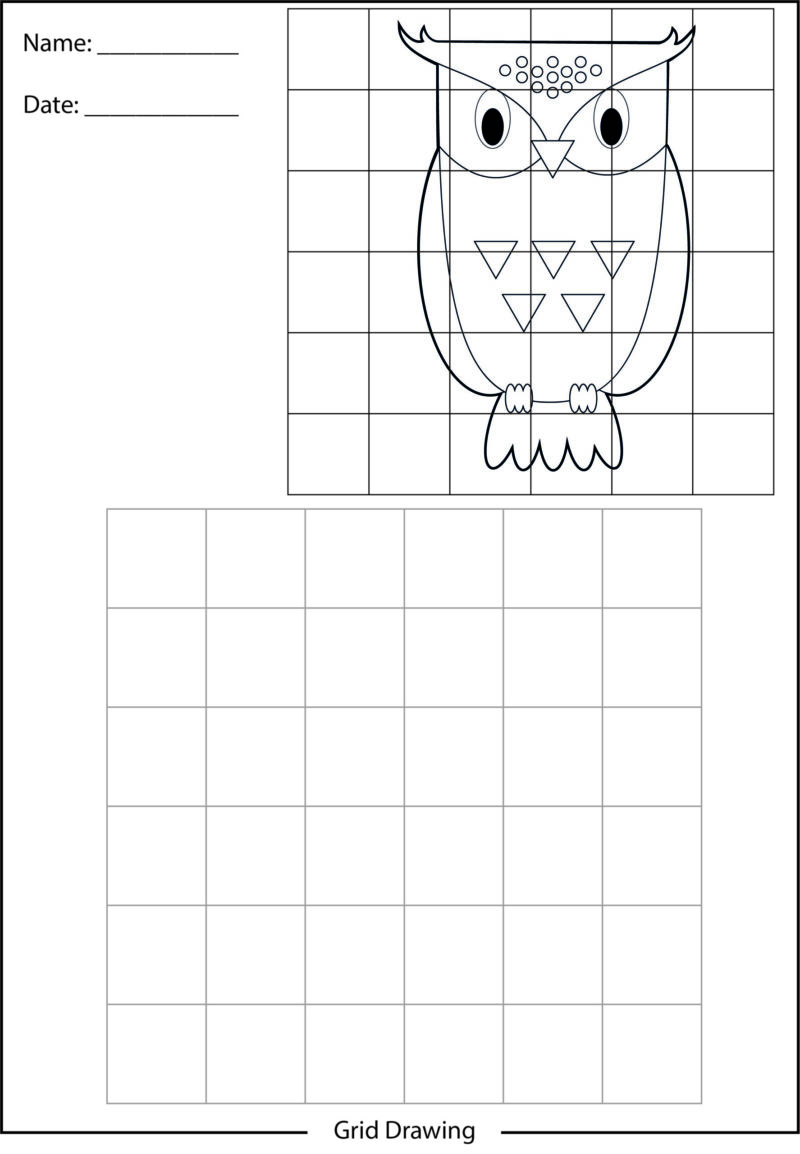
| Ages 8+ (Advanced Elementary) | Complex textures, 6×6 or dense matrices | Transition to detailed photographic subjects to master proportion scaling and fine-motor control. |
Systematic visual division supports cognitive load reduction by allowing young learners to process complex pictorial data in isolated, low-stress spatial increments. — National Art Education Association (NAEA)
Step-by-Step Practical Application and Printing Guidelines
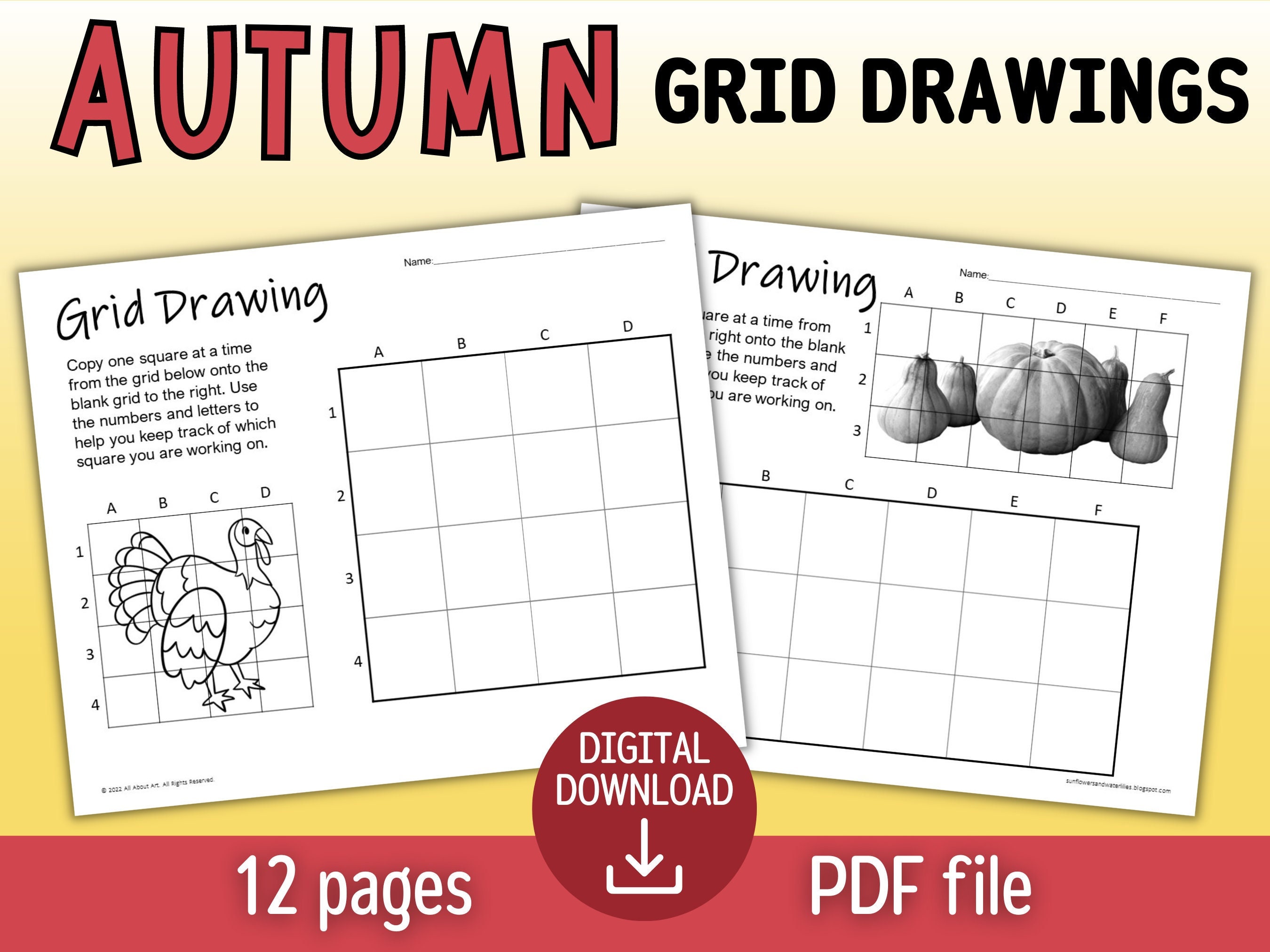
Executing successful grid-based art lessons requires selecting high-contrast, clear reference images that avoid visual clutter or muddy shadows. Educators utilize an online grid generator to upload selected photographs, adjust line weights for optimal visibility, and print matching blank grids for the student drawing sheet. Instructors then guide children to examine one single square at a time, locating coordinate intersections and sketching corresponding lines onto the matching target square. Consistent practice using specialized printouts from Grid Drawing ensures learners develop independent observation habits without relying on tracing methods.
Common Challenges and How to Avoid Them
Young learners frequently struggle with spatial disorientation, often attempting to draw the entire subject across the page instead of focusing on individual grid cells. Overcoming this hurdle involves using paper masks or index cards to cover surrounding squares, forcing the child’s attention exclusively onto the active working quadrant. Additionally, selecting overly complex reference photographs with excessive detail can cause frustration; instructors should always begin with simple, bold-outline subjects before introducing intricate textures or subtle gradients.
💬 Frequently Asked Questions
Explore More Free Learning Printables and Visual Activities on WePhotoAgency
Expanding early childhood art curricula is effortless when utilizing comprehensive resource libraries designed specifically for parents, homeschoolers, and educators. Access an extensive collection of printable materials by visiting WePhotoAgency.com to download high-quality visual aids that foster lifelong creative and cognitive growth.
Visual Reference Gallery