Introduction
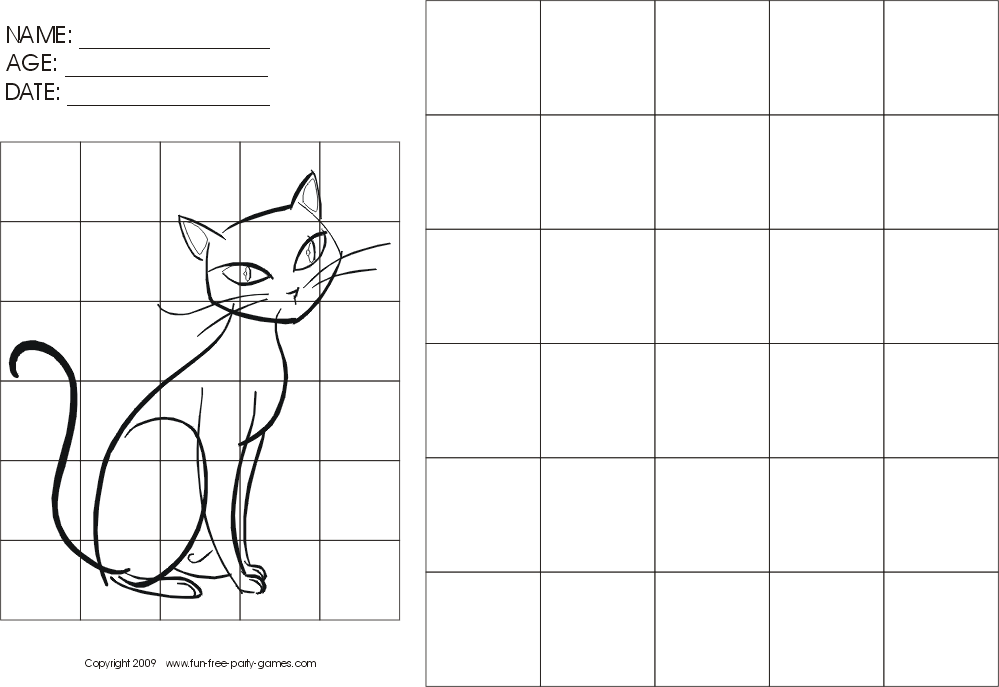
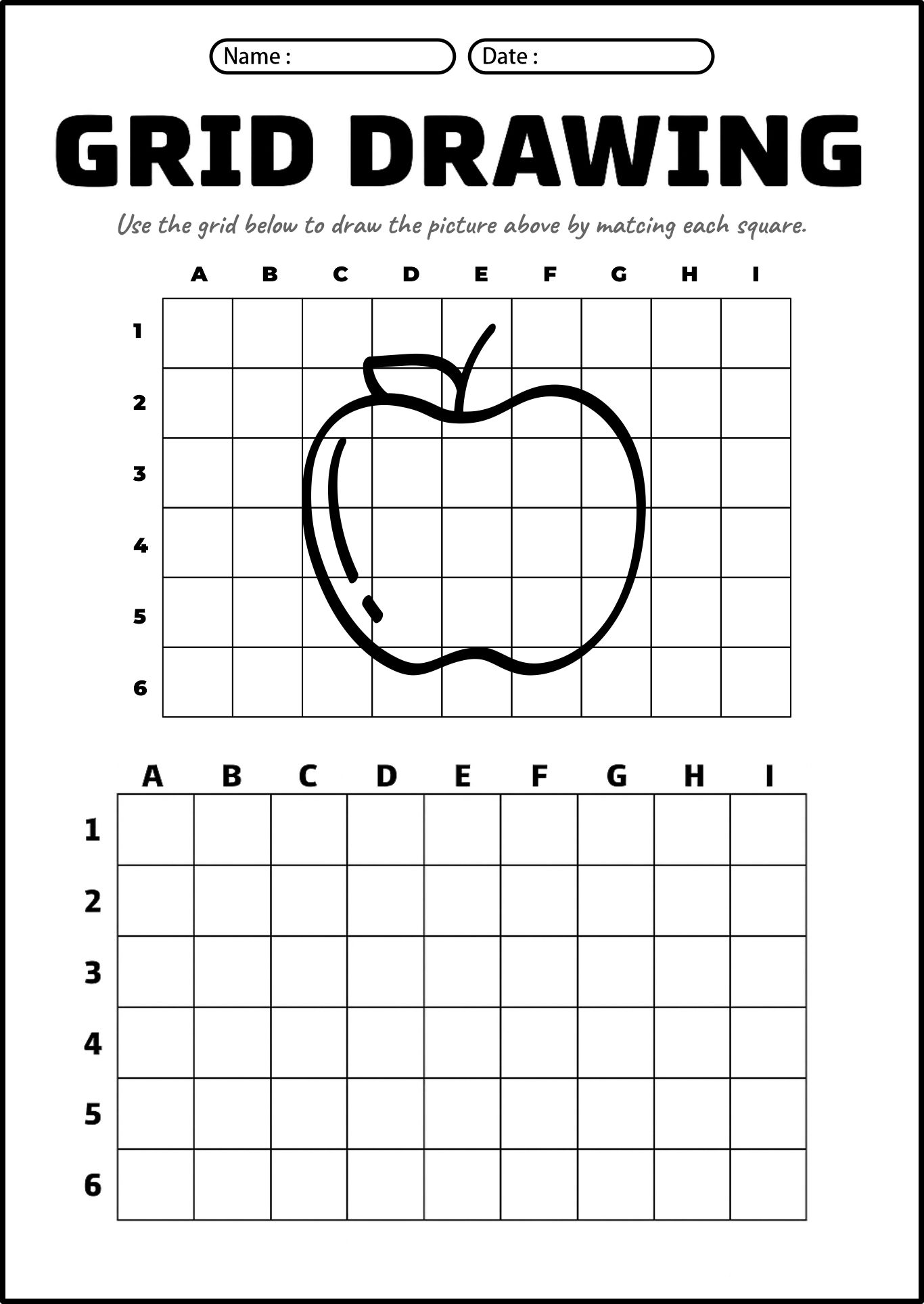
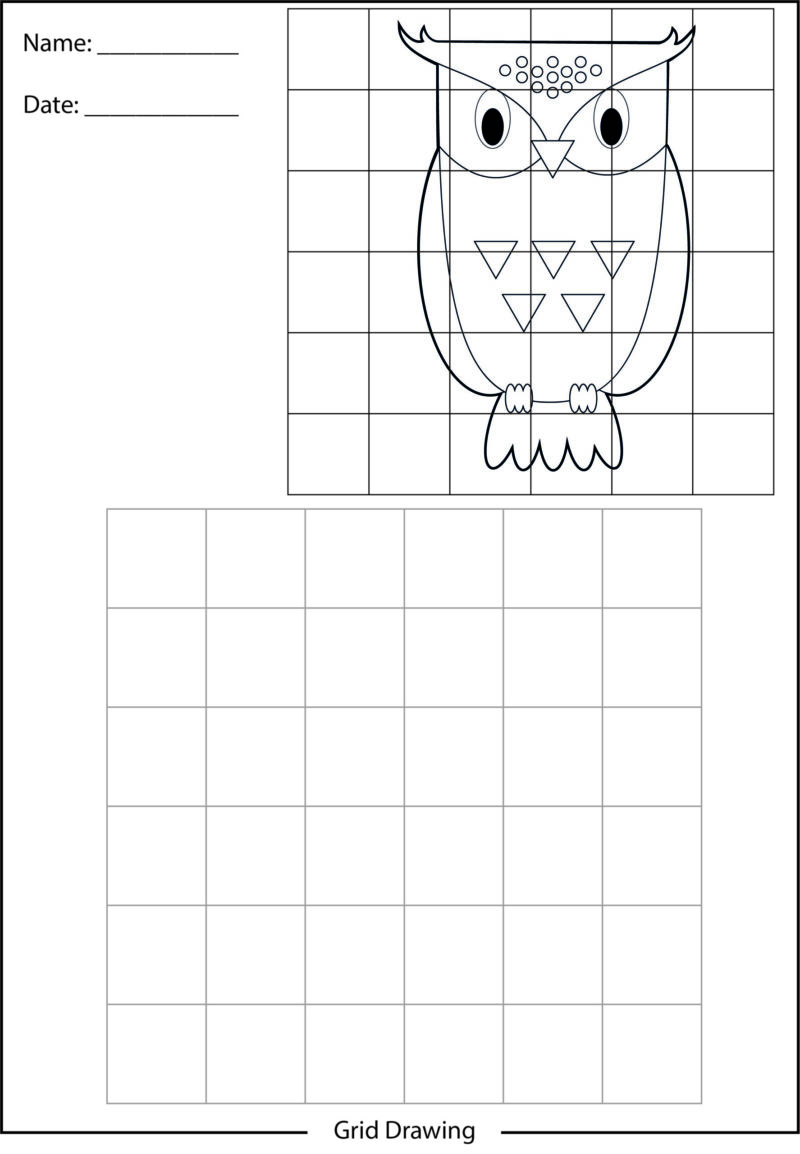
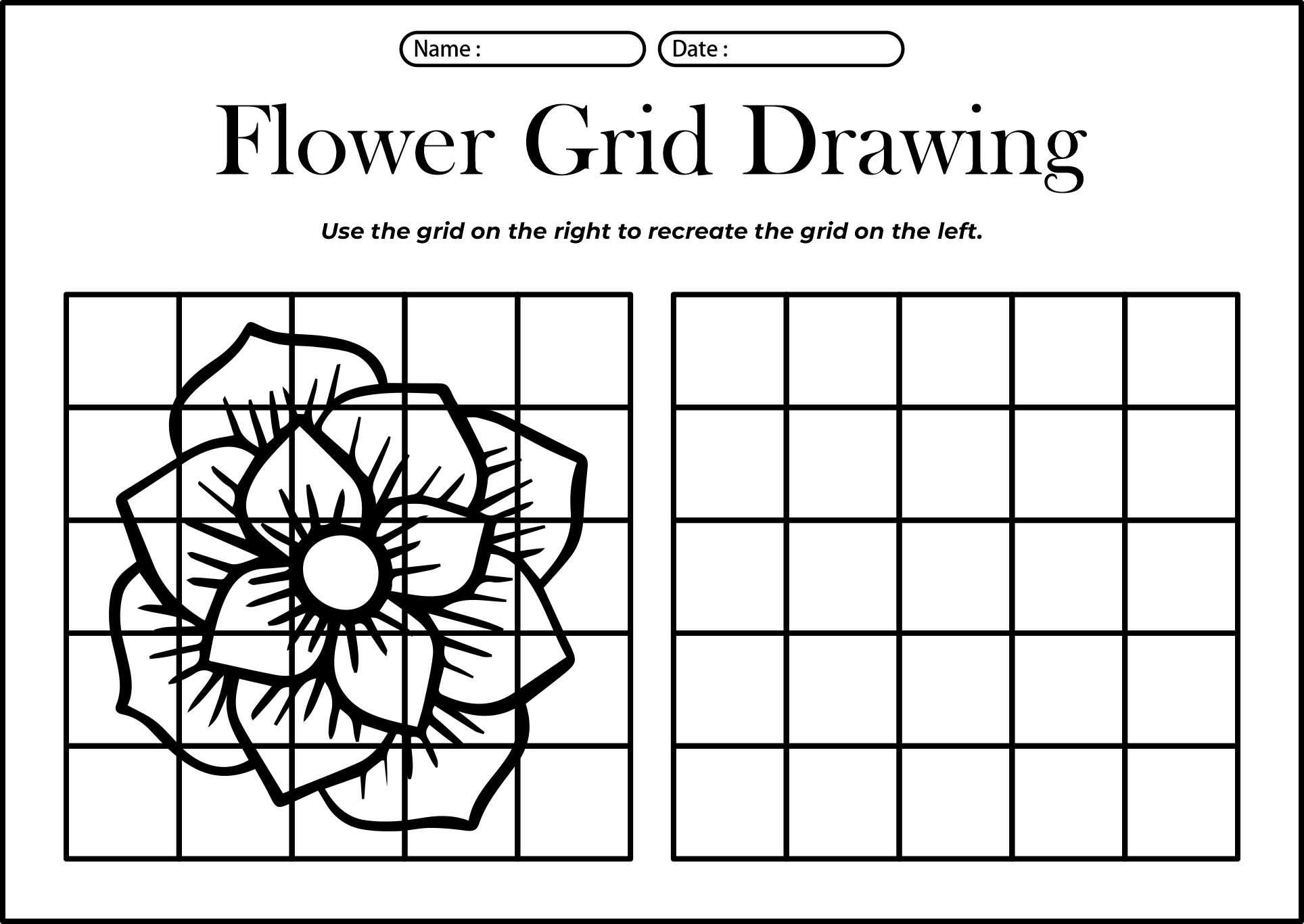
A grid drawing tool is a foundational visual arts and early childhood education mechanism that segments reference images into manageable geometric squares, enabling children to accurately translate complex visual data onto paper. According to the National Art Education Association (NAEA), structured visual exercises promote cognitive organization, fine-motor precision, and spatial reasoning by breaking large compositional challenges into achievable observational units. Early elementary educators, homeschoolers, and parents utilize these printables to bridge the gap between abstract visual perception and concrete fine-motor execution. Mastering proportion and scale through a structured Grid Drawing resource transforms intimidating artistic tasks into structured, step-by-step problem-solving experiences.
Visual Learning & Skill Snapshot:
- Core Focus: Segmenting real photographs into coordinate-based geometric grids for exact visual replication.
- Target Skill: Spatial reasoning, visual discrimination, fine-motor proportion, and observation accuracy.
- Key Recommendation: Pair photographic reference cards with matching grid templates to reinforce cross-modal cognitive mapping.
Core Principles and Visual Learning Overview
Visual mapping principles dictate that a grid drawing tool reduces cognitive load by shifting focus from the whole image to isolated coordinates. When children analyze Photo Flashcards alongside corresponding gridded worksheets, the brain actively engages in decoding shapes, negative space, and line intersections. This methodology develops bilateral coordination and visual-spatial memory, which are essential neurological precursors for both advanced mathematics and precise handwriting. Utilizing high-contrast photographic references further accelerates this developmental trajectory by presenting authentic, real-world subjects rather than flat, oversimplified cartoons.
Key Specifications and Breakdown
| Age / Learning Stage | Visual Skill & Grid Ratio | Pedagogical Application & Scaffolding |
|---|---|---|
| Ages 4-5 (Early Kindergarten) | 2×2 or 3×3 Large Scale Squares | Focuses on basic contour tracking, hand-eye coordination, and recognizing geometric boundaries using familiar objects. |
| Ages 6-7 (First/Second Grade) | 4×4 Intermediate Coordinate Grid | Emphasizes proportional estimation, intersecting lines, and transferring real-world photo details cell by cell. |
| Ages 8-9 (Upper Elementary) | 5×5 or Advanced Proportional Grid | Refines intricate detail work, shading gradients, and advanced spatial scaling from complex photography subjects. |
Structured visual arts instruction measurably enhances cognitive flexibility, spatial memory, and multi-step problem-solving capabilities in young children. — National Art Education Association (NAEA)
Step-by-Step Practical Application and Printing Guidelines
Implementing these visual activities effectively requires crisp, clean printing techniques and careful adult scaffolding during the initial setup phase. Educators should print both the target reference photograph and the corresponding grid worksheet at 100 percent scale without auto-scaling or image compression to prevent grid distortion. Instruct young learners to isolate single squares using an index card or a cardboard window frame, forcing the eye to concentrate exclusively on one coordinate at a time. Integrating these targeted Educational Activities during morning table-top routines establishes consistent visual habits and builds steady fine-motor endurance.
Common Challenges and How to Avoid Them
Frustration during grid-based activities typically stems from attempting overly complex reference images before mastering basic cell-to-cell mapping. To prevent cognitive overload, teachers and parents should start with high-contrast, simple-shaped photographs featuring bold outlines before introducing intricate textures or organic subjects like animal fur or human facial features. If children attempt to draw the entire picture at once rather than working box by box, gently guide them back by covering adjacent squares. Patience with proportion estimation naturally improves as visual tracking muscles strengthen through consistent, low-pressure practice sessions.
💬 Frequently Asked Questions
Explore More Free Learning Printables and Visual Activities on WePhotoAgency
Unlocking full cognitive and artistic potential requires a diverse library of scaffolded printables designed for developing minds. Educators and families can explore thousands of professionally designed resources, step-by-step templates, and visual enrichment tools directly by visiting WePhotoAgency.com to elevate daily learning experiences.
Visual Reference Gallery