Introduction
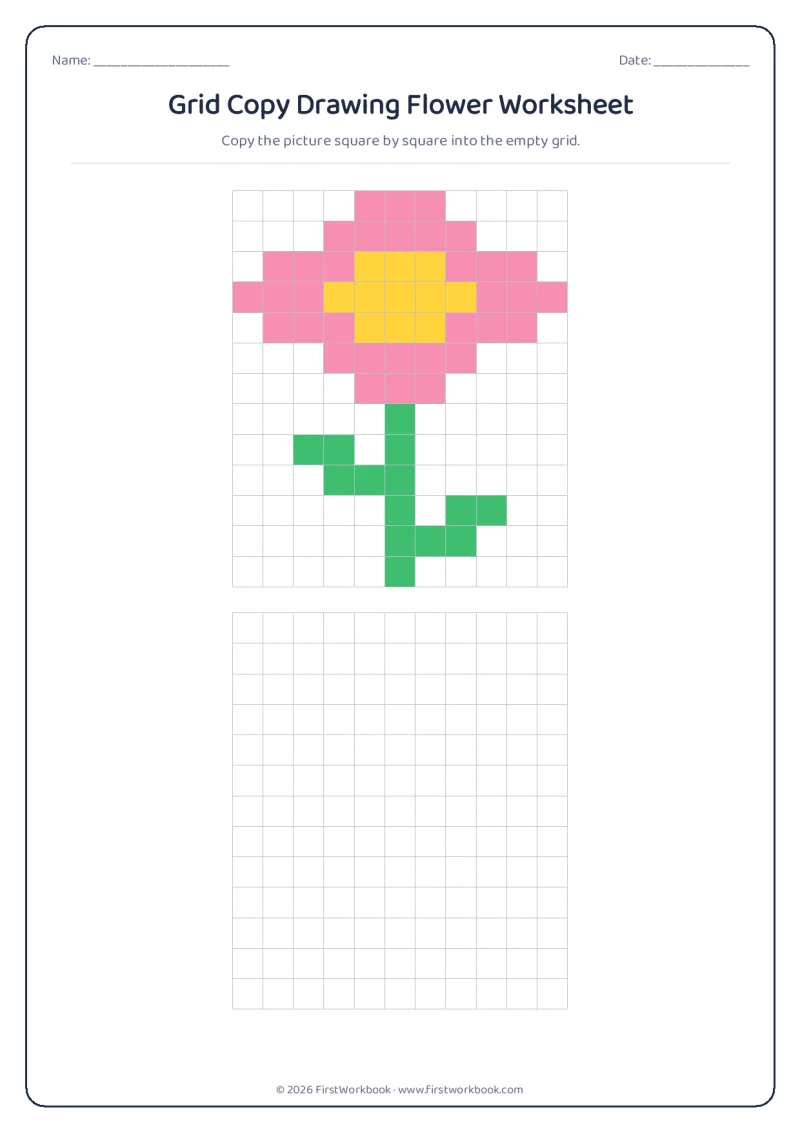
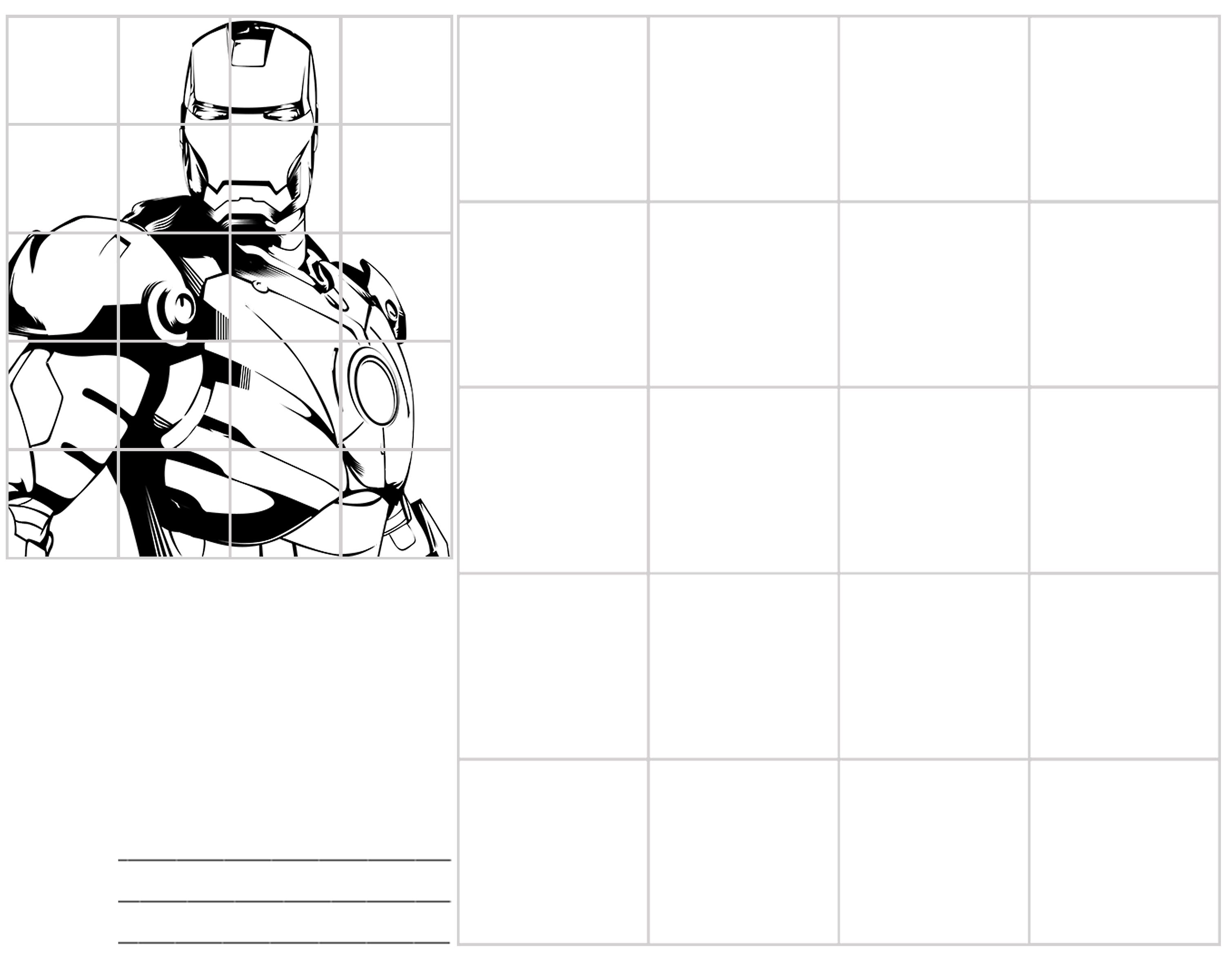
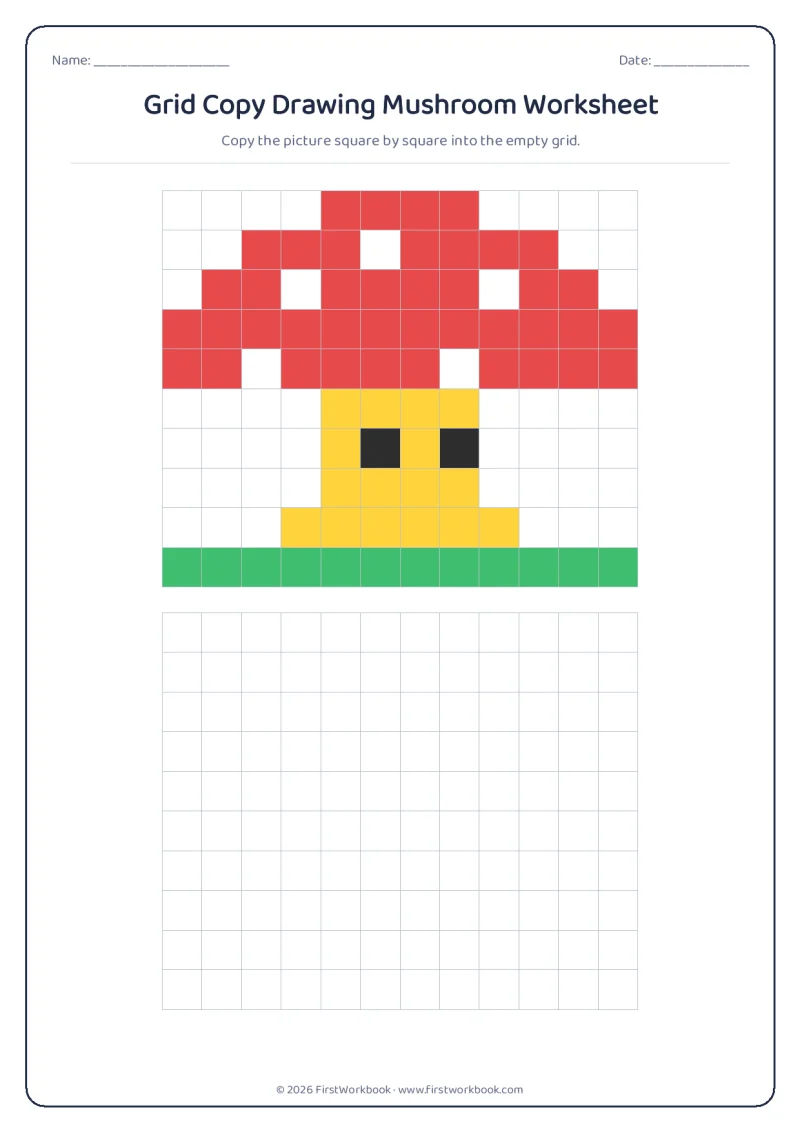
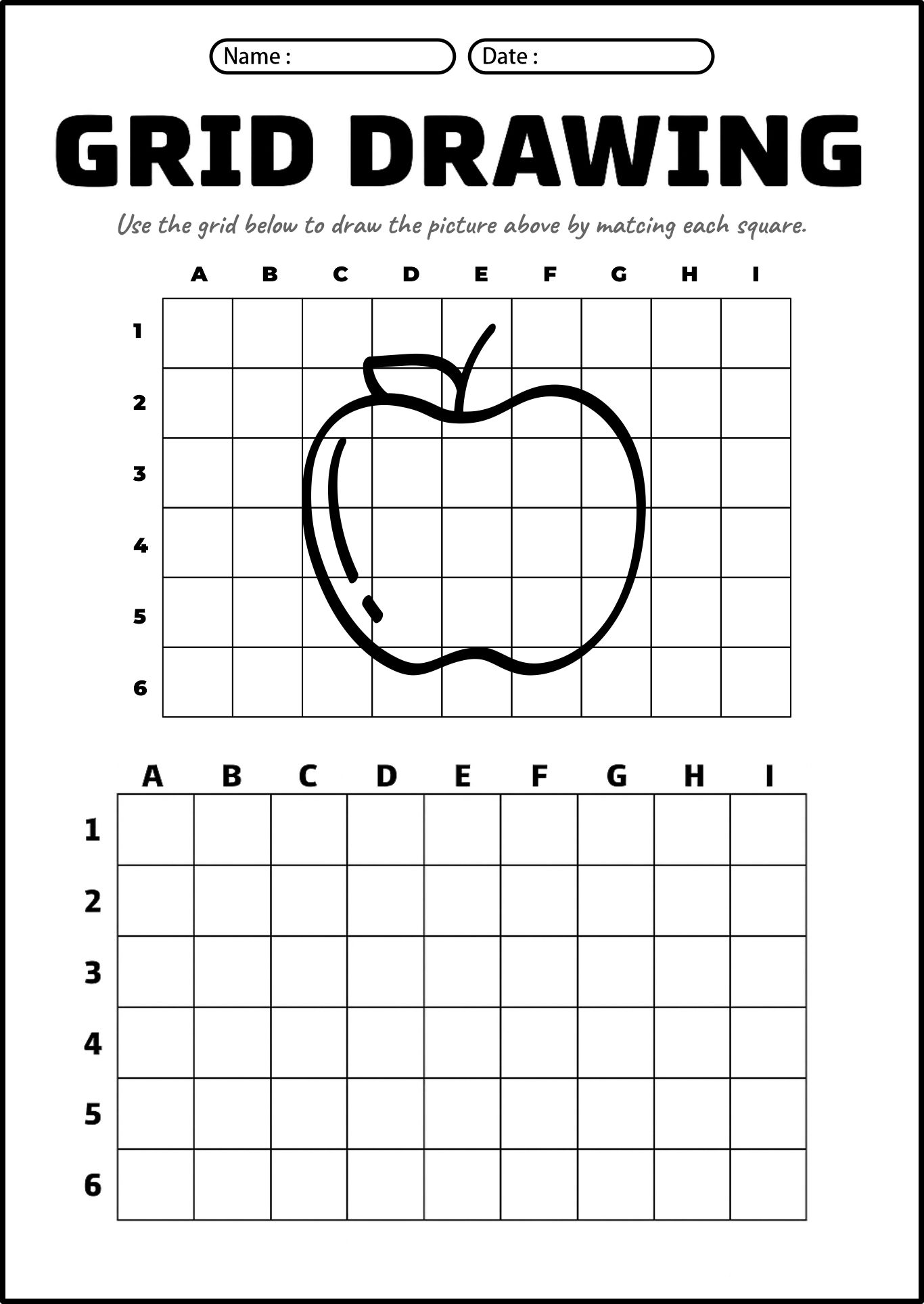
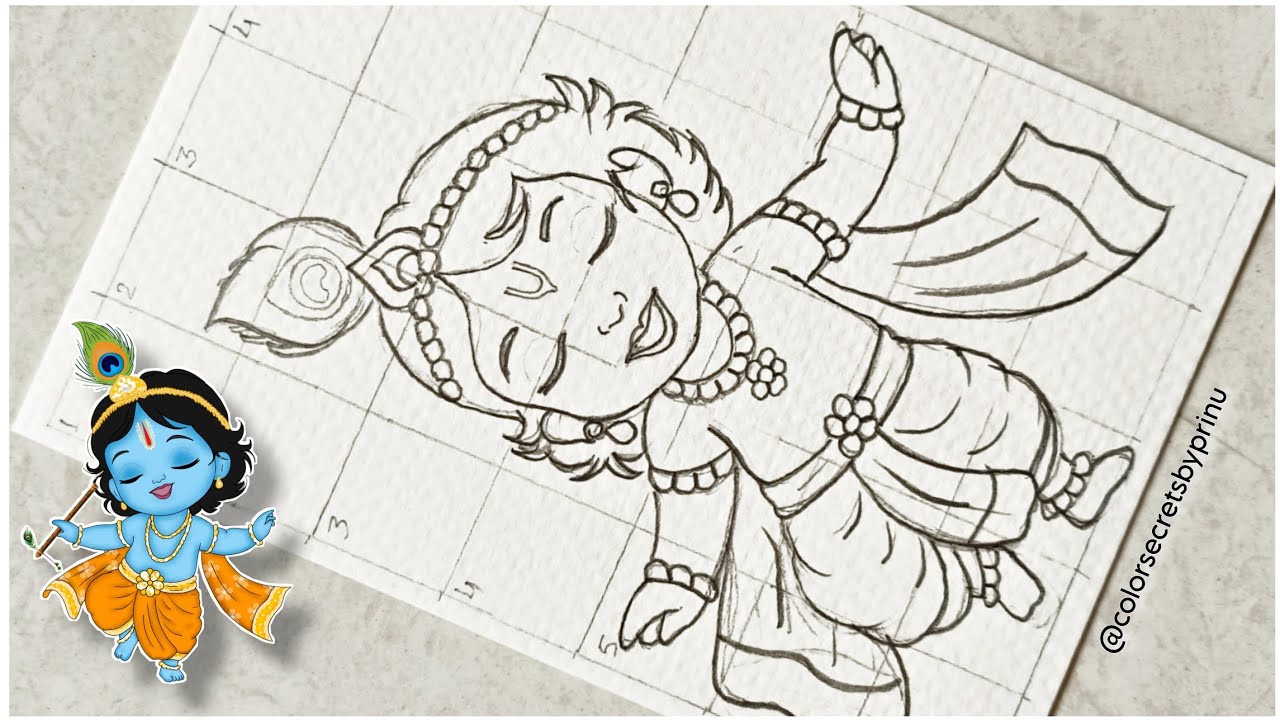
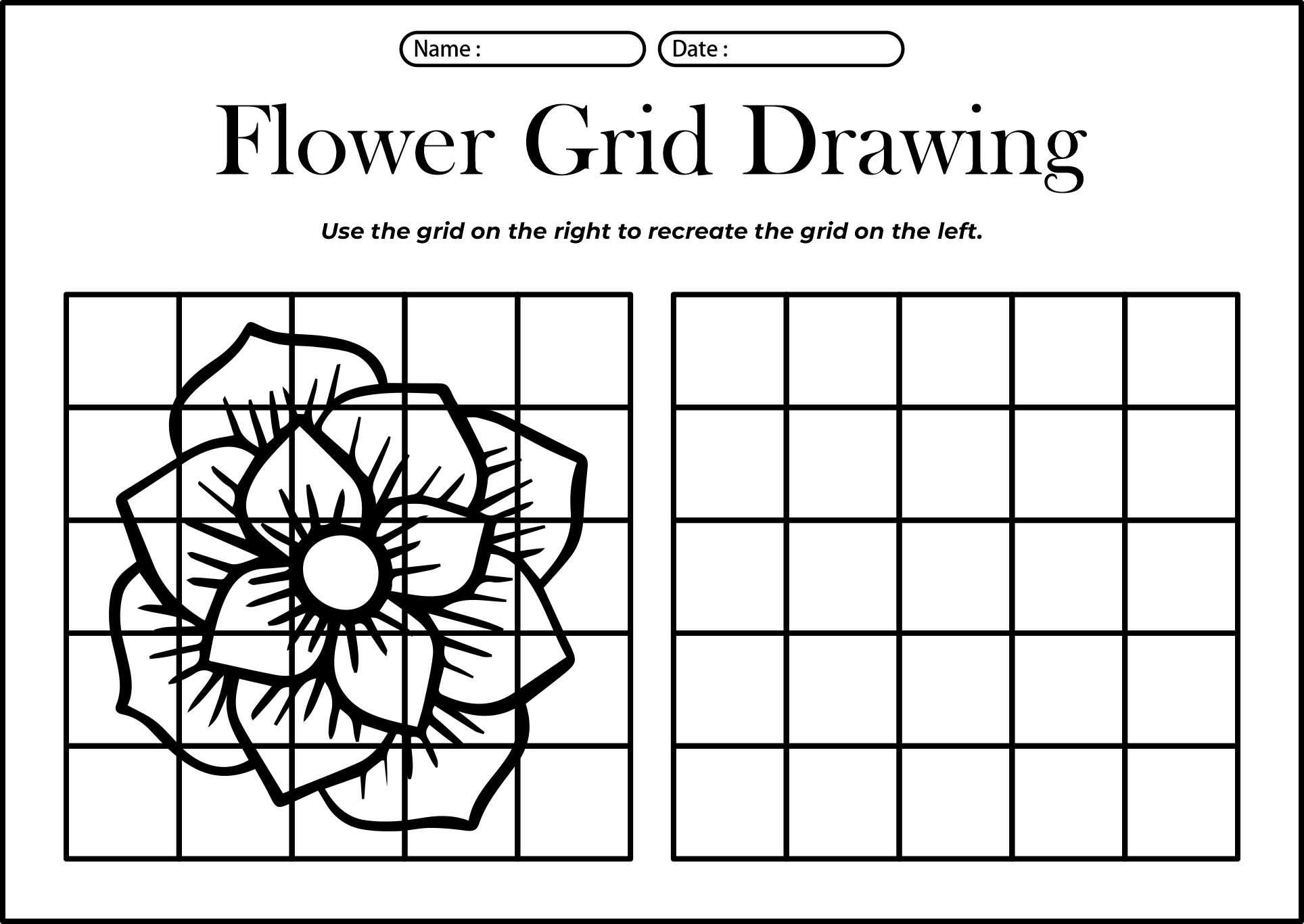
A grid drawing kit functions as a foundational visual methodology that segments complex photographic subjects into manageable coordinate squares to enhance spatial awareness and proportion estimation in young learners. According to the National Art Education Association (NAEA), structured visual observation tasks systematically accelerate children’s cognitive mapping and fine-motor coordination through systematic coordinate tracking. Utilizing printable worksheets alongside real photo visual flashcards allows educators and parents to bridge the gap between abstract visual processing and concrete hand-eye execution. Exploring tools available via Grid Drawing provides structured pathways for developing early cognitive accuracy.
Visual Learning & Skill Snapshot:
- Core Focus: A grid drawing kit uses segmented coordinate systems to teach children proportion estimation and accurate spatial replication.
- Target Skill: Spatial reasoning, visual discrimination, fine-motor proportion, and photo-based concept mastery.
- Key Recommendation: Pair photographic references with matching coordinate grids to eliminate cognitive overload during early drawing exercises.
Core Principles and Visual Learning Overview
Proportion estimation improves significantly when young artists break down continuous contours into isolated grid coordinates. By pairing a grid drawing kit with detailed Photo Flashcards, students learn to isolate specific visual data—such as textures, angles, and negative space—rather than relying on preconceived mental symbols of objects. This method fosters analytical observation, training the developing brain to measure spatial relationships objectively rather than guessing sizes. Incorporating these printable tools into daily routines strengthens foundational geometry and observation skills essential for advanced academic subjects.
Key Specifications and Breakdown
| Age / Learning Stage | Visual Skill & Grid Ratio | Pedagogical Application & Scaffolding |
|---|---|---|
| Ages 4–6 (Early Preschool) | 2×2 or 3×3 simple square grid | Focuses on basic shape placement using high-contrast photo flashcards. |
| Ages 7–9 (Early Elementary) | 4×4 to 6×6 coordinate matrix | Encourages line continuity and proportion estimation using real-world photography. |
| Ages 10+ (Advanced Primary) | 8×8 complex proportional grid | Teaches fine-motor precision, shading translation, and complex visual mapping. |
Visual-spatial training through structured coordinate grids significantly enhances geometric problem-solving capabilities in early childhood development. — National Art Education Association (NAEA)
Step-by-Step Practical Application and Printing Guidelines
Implementing a successful drawing session requires matching the printed reference grid precisely to the blank student workspace. Educators should print both the target photo and the corresponding grid worksheet on heavy cardstock to prevent tearing during pencil work. Instruct learners to focus exclusively on one grid square at a time, covering adjacent squares with a blank card to minimize visual distractions. Supplementing these drawing sheets with targeted Educational Activities reinforces spatial retention and keeps young learners deeply engaged.
Common Challenges and How to Avoid Them
Frustration occurs when children attempt to draw the entire picture at once instead of isolating individual grid squares. Guiding students to look strictly at intersection points and line angles within a single box prevents proportional distortion. Providing simpler 2×2 grids for initial practice builds confidence before advancing to denser photographic reference sheets. Emphasizing process over perfection ensures children view coordinate drawing as an enjoyable spatial puzzle rather than a rigid test.
💬 Frequently Asked Questions
Explore More Free Learning Printables and Visual Activities on WePhotoAgency
Expanding early childhood art curricula requires access to high-quality, research-backed visual resources that engage developing minds. Discover a comprehensive library of printable worksheets, photo flashcards, and structured drawing resources by visiting WePhotoAgency.com to elevate daily learning experiences.
Visual Reference Gallery