Introduction
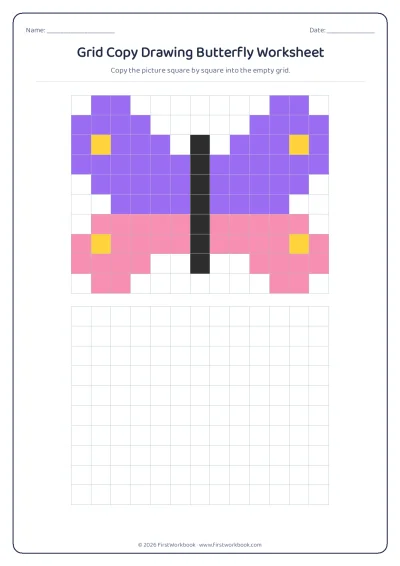
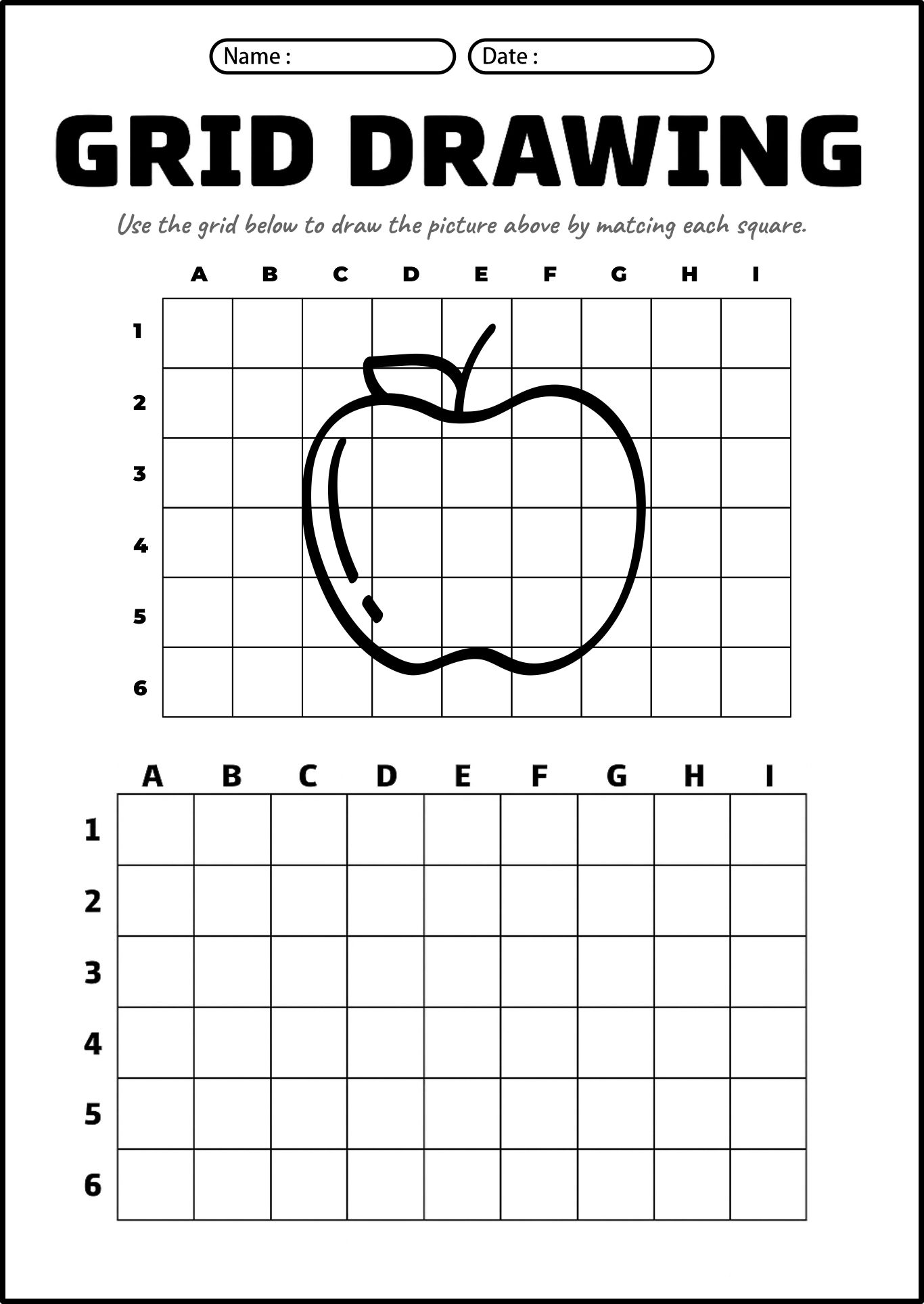
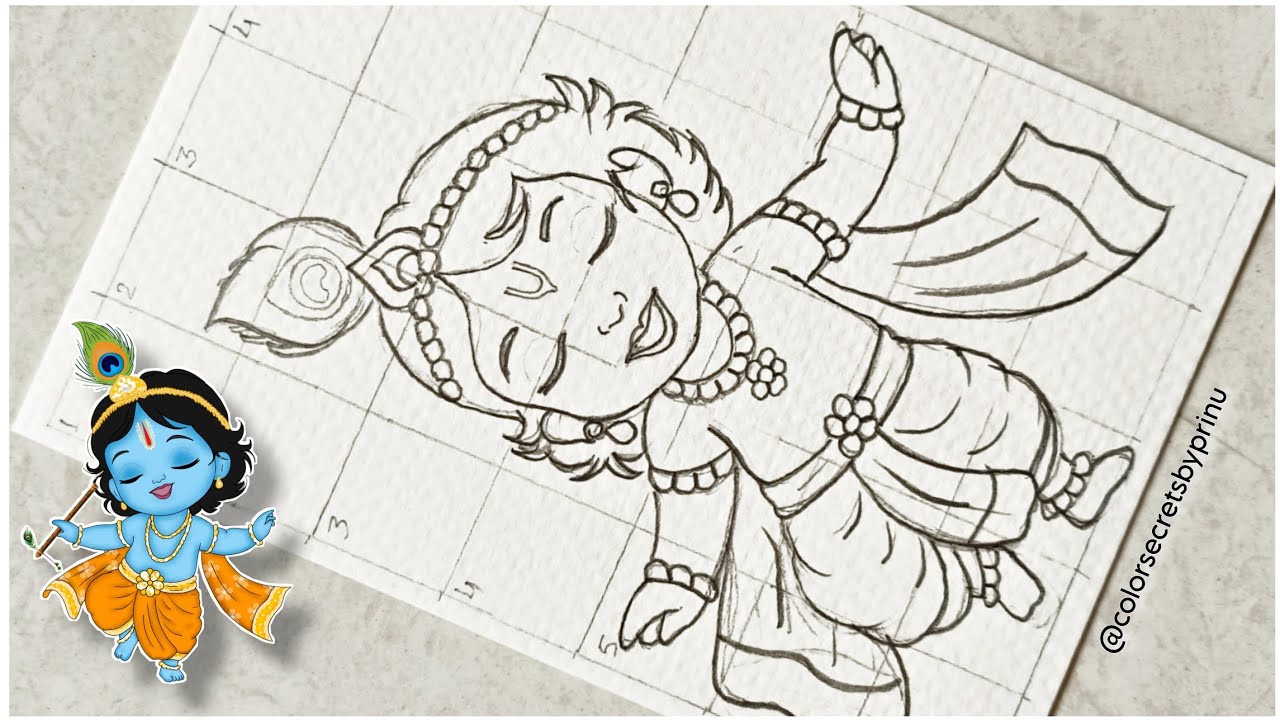
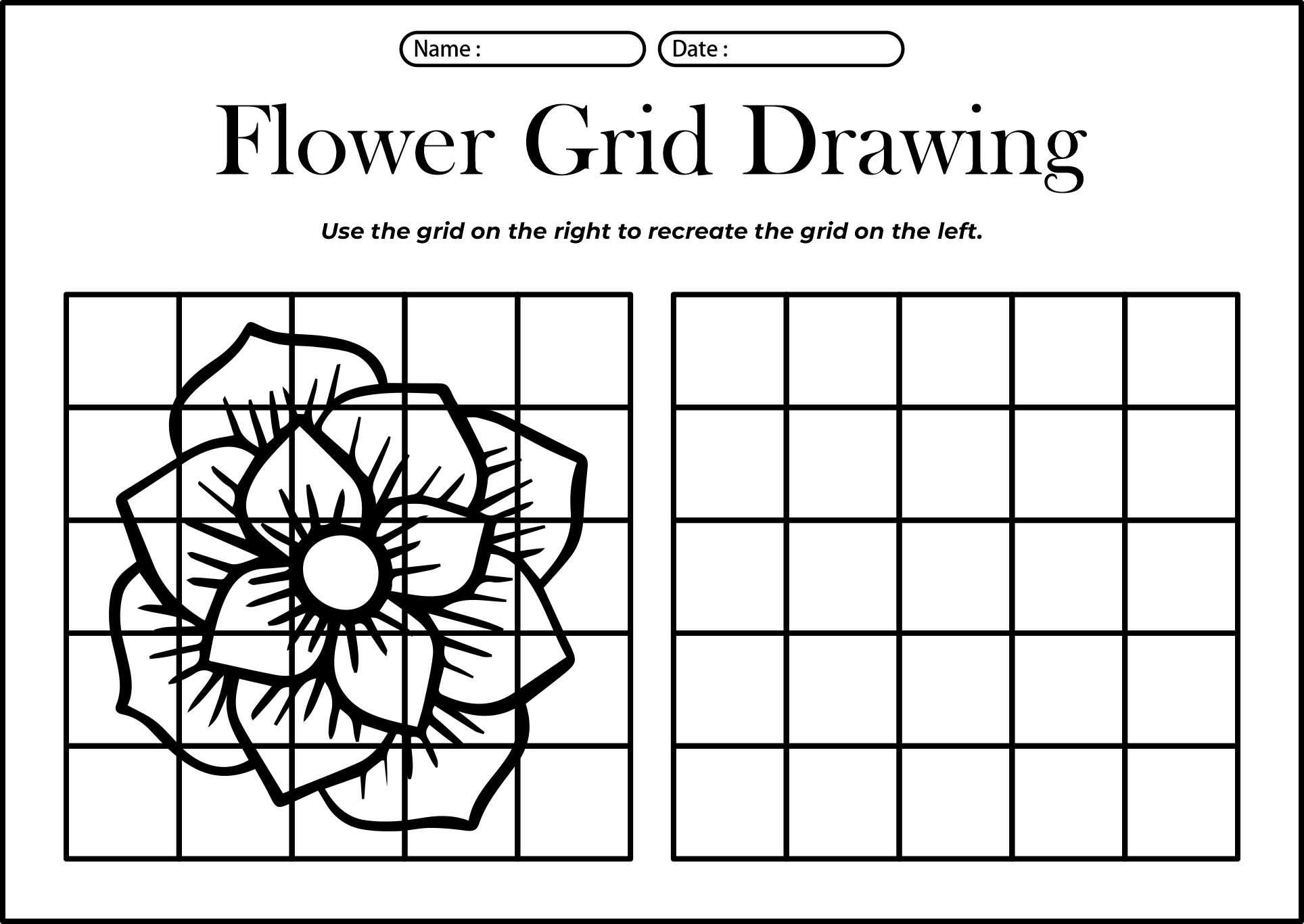
Grid drawing kids techniques involve breaking complex visual subjects down into manageable square coordinate sections to systematically teach spatial awareness, proportion estimation, and observational drawing. According to the National Art Education Association (NAEA), structured visual exercises that segment complex imagery significantly enhance a child’s ability to process spatial relationships and accurately translate visual data onto paper. Utilizing printable Grid Drawing worksheets paired with real photo references transforms abstract artistic concepts into concrete, achievable developmental milestones for early learners.
Visual Learning & Skill Snapshot:
- Core Focus: Systematic spatial division and proportional scaling using square coordinate grids.
- Target Skill: Spatial reasoning, visual discrimination, fine-motor proportion, and photo-based concept mastery.
- Key Recommendation: Begin with simple 2×2 or 3×3 photo grids before advancing to higher-density matrix worksheets.
Core Principles and Visual Learning Overview
Grid drawing strategies leverage a child’s natural cognitive tendency to process information through localized scanning rather than overwhelming global observation. When young learners look at a complete photograph, the sheer volume of visual data frequently leads to proportion distortion and line placement anxiety. By overlaying a uniform grid onto a target photograph and a corresponding blank template, educators reduce cognitive load, allowing children to focus exclusively on reproducing single segments. This methodology mirrors foundational principles found in Photo Flashcards, where isolated visual information supports rapid conceptual recognition and fine-motor execution.
Key Specifications and Breakdown
| Age / Learning Stage | Visual Skill & Grid Ratio | Pedagogical Application & Scaffolding |
|---|---|---|
| Ages 4-6 (Early Explorer) | 2×2 Matrix with high-contrast macro objects | Focuses on basic shape recognition and simple coordinate tracking without overwhelming detail. |
| Ages 7-9 (Developing Artist) | 3×3 to 4×4 Matrix with nature and animal photos | Enhances relative proportion estimation, line continuity, and intersection point mapping. |
| Ages 10+ (Advanced Learner) | 5×5+ Matrix with complex architectural or portrait subjects | Refines intricate detail coordination, negative space analysis, and scale transformation. |
Visual-spatial training through structured grid scaling builds foundational geometric and fine-motor competencies essential for early STEM and artistic literacy. — National Art Education Association (NAEA)
Step-by-Step Practical Application and Printing Guidelines
Executing effective grid drawing lessons requires pairing high-resolution printed reference images with clean, uncluttered coordinate worksheets. Educators should print target photos at exact dimensions—such as 4×4 or 5×5 inches—with clearly delineated coordinate lines labeled alphabetically along the horizontal axis and numerically along the vertical axis. Distribute matching blank templates to learners, ensuring pencil lines remain faint enough to erase easily after inking or coloring. Integrating these structured sessions into daily Educational Activities reinforces methodical problem-solving and sustained visual attention across diverse subjects.
Common Challenges and How to Avoid Them
Learners frequently experience frustration when attempting to draw entire objects across multiple squares simultaneously instead of focusing on one single coordinate box at a time. To prevent this hurdle, provide children with a small framing card or paper mask to cover all squares except the active target coordinate, thereby eliminating visual clutter. Furthermore, ensure that initial printing materials utilize bold, distinct coordinate lines so young eyes can easily differentiate matrix boundaries from the underlying photographic details.
💬 Frequently Asked Questions
Explore More Free Learning Printables and Visual Activities on WePhotoAgency
Access an extensive library of specialized printables, visual reasoning exercises, and structured drawing resources designed for educators and parents by visiting WePhotoAgency.com. Regular updates to the platform ensure a continuous supply of fresh, high-impact instructional assets.
Visual Reference Gallery