Introduction
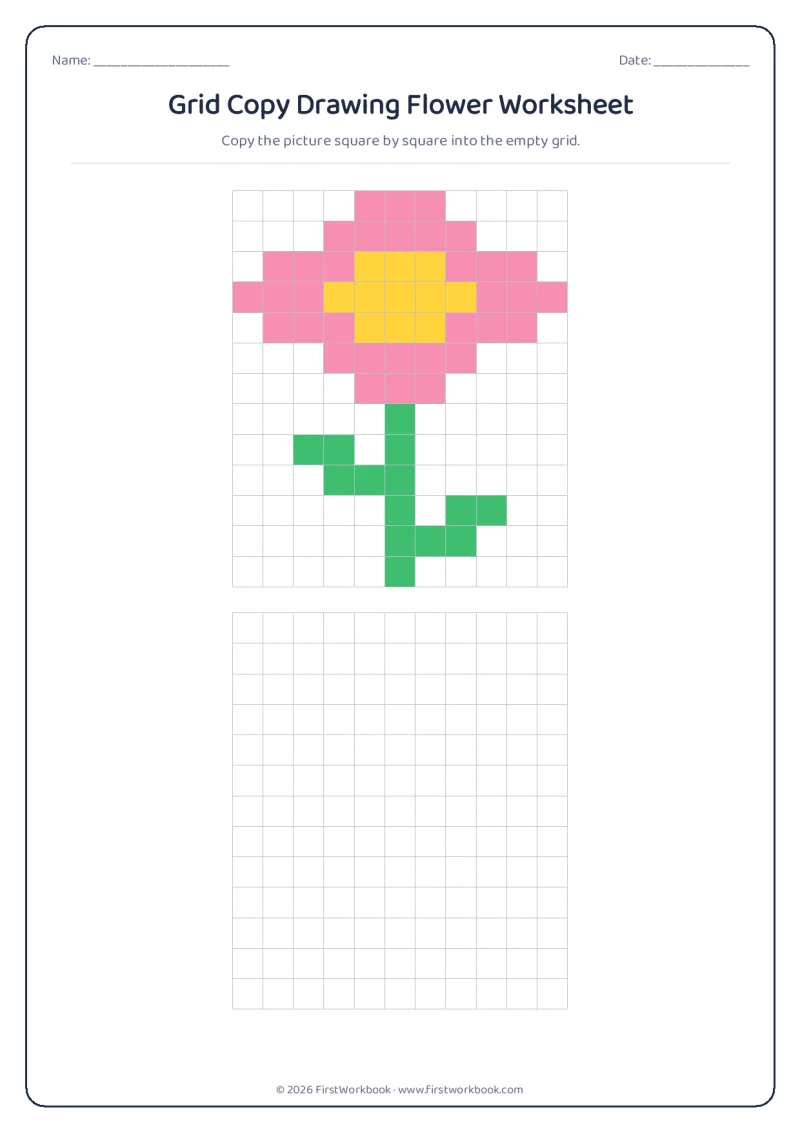
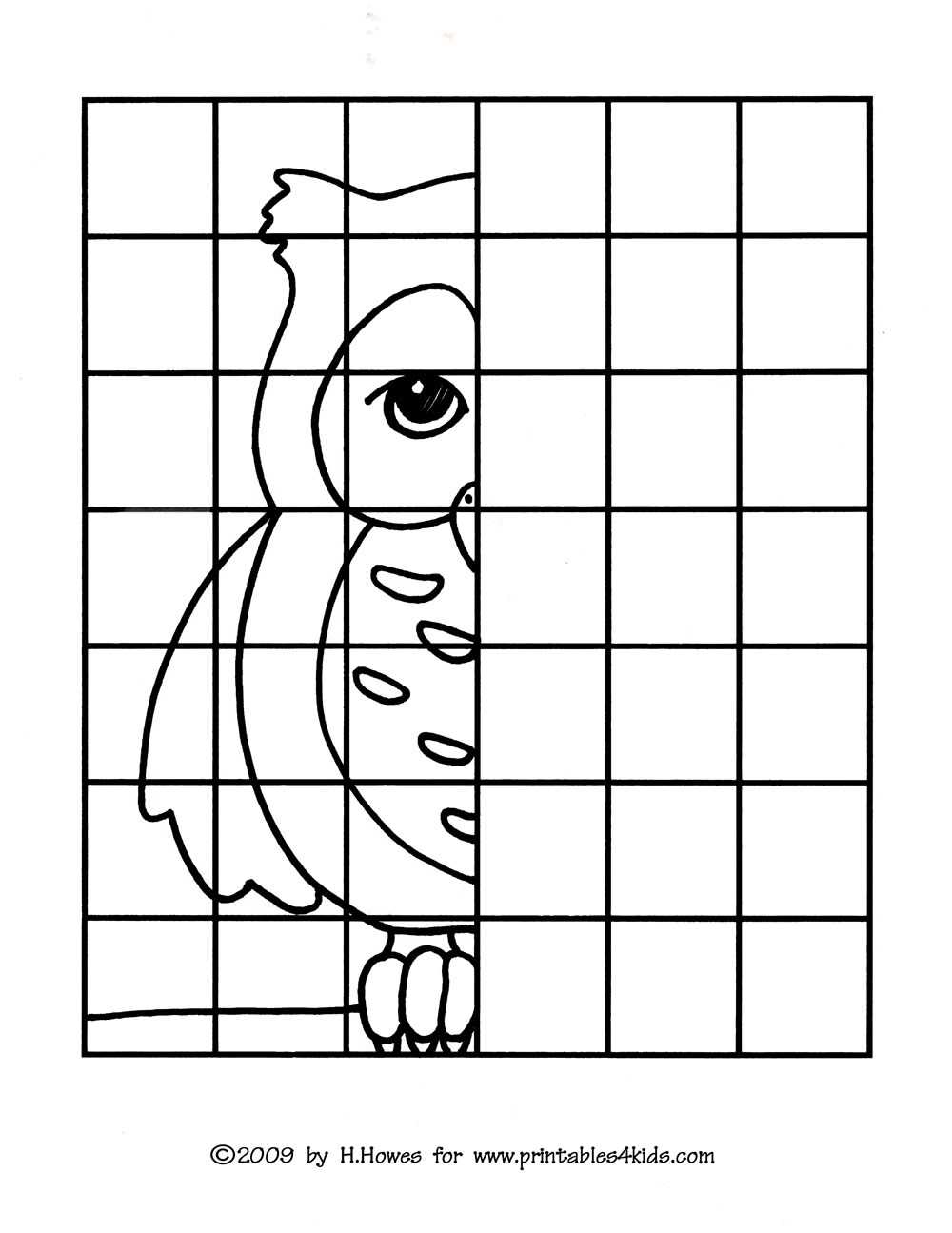
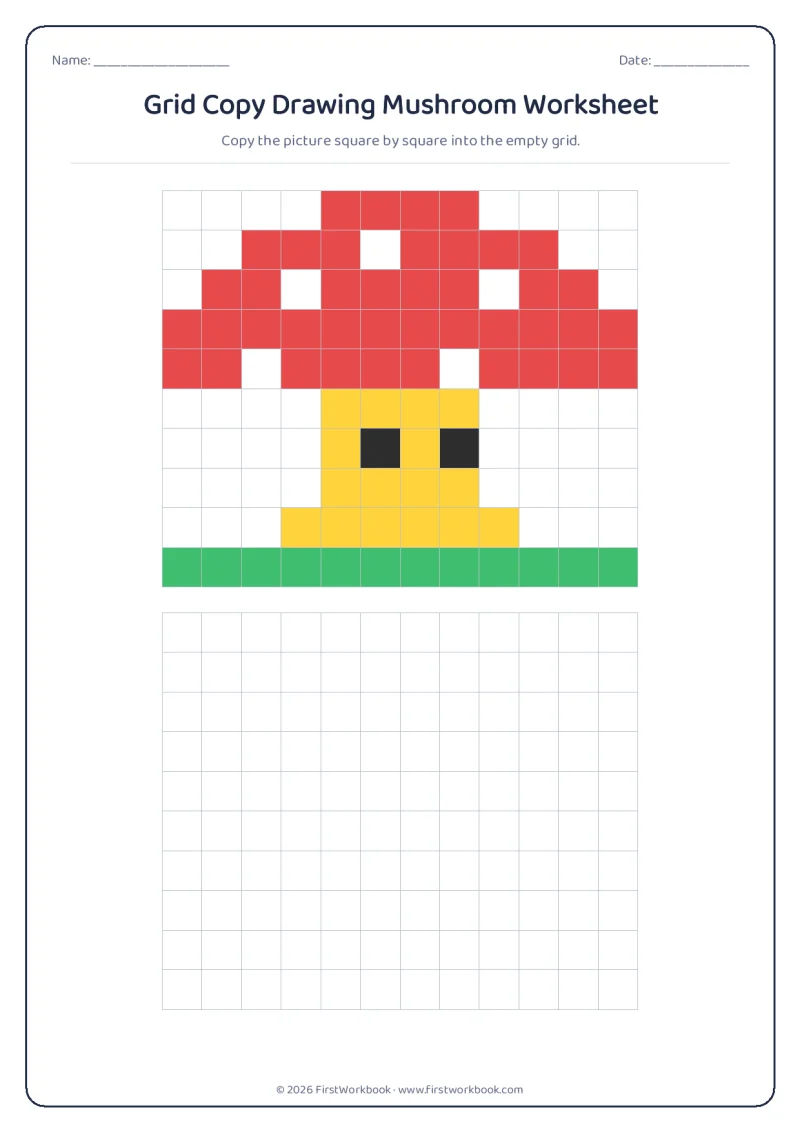
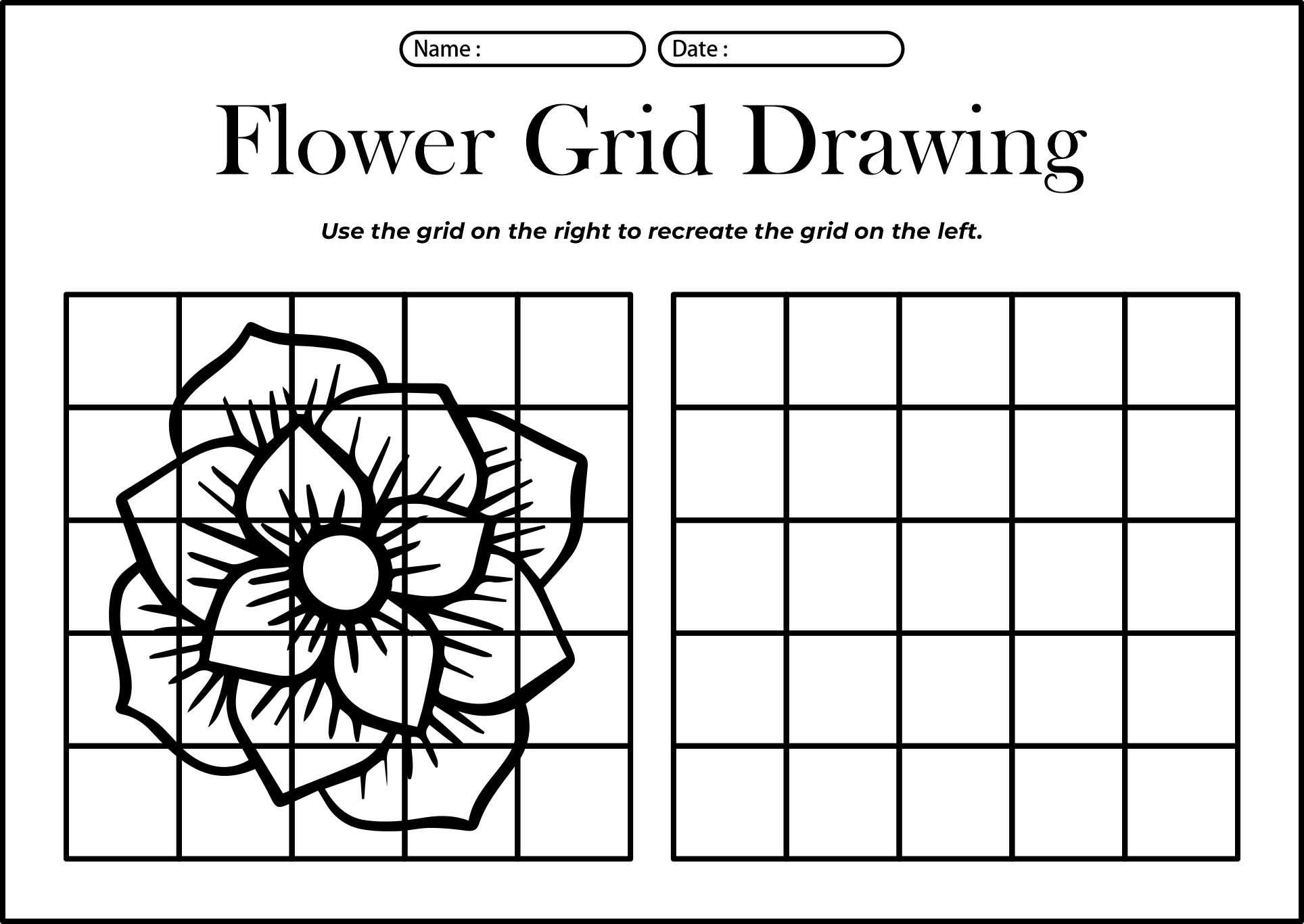
A grid drawing image functions as a foundational visual learning tool that divides complex photographic references into manageable segments to enhance spatial awareness and proportion estimation in young learners. According to the National Association for the Education of Young Children (NAEYC), structured visual-spatial activities during early childhood significantly strengthen cognitive mapping, fine-motor coordination, and observational accuracy. Integrating printable Grid Drawing worksheets into daily curricula allows children to systematically decode visual information block by block, transforming intimidating artistic subjects into achievable observational tasks.
Visual Learning & Skill Snapshot:
- Core Focus: Breaking down complex photo references using proportional grid overlays.
- Target Skill: Spatial reasoning, visual discrimination, fine-motor proportion, and photo-based concept mastery.
- Key Recommendation: Pair high-contrast photo references with large 2×2 or 3×3 grids for early learners before progressing to detailed 4×4 coordinate matrices.
Core Principles and Visual Learning Overview
Visual division through structured matrices teaches children how to isolate specific sections of a picture rather than attempting to comprehend the entire visual field at once. This segmented approach reduces cognitive overload, aligning seamlessly with broader Educational Activities designed to build early cognitive stamina and focus. When children study real photographic references paired with corresponding blank grids, they learn to translate two-dimensional spatial coordinates into accurate hand movements, sharpening eye-hand coordination alongside foundational geometry concepts.
Key Specifications and Breakdown
| Age / Learning Stage | Visual Skill & Grid Ratio | Pedagogical Application & Scaffolding |
|---|---|---|
| Ages 4-5 (Preschool) | 2×2 Grid with high-contrast outlines | Focuses on basic quadrant identification and matching shapes using simplified Photo Flashcards as visual benchmarks. |
| Ages 6-7 (Early Elementary) | 3×3 Grid with distinct coordinate markers | Develops proportional scaling, line continuity, and spatial memory through realistic animal and object photography. |
| Ages 8+ (Advanced Elementary) | 4×4 or custom matrices with finer lines | Refines intricate detail replication, angle estimation, and independent self-correction of complex visual layouts. |
Systematic visual division supports cognitive mapping by training young brains to process complex stimuli through localized pattern recognition and spatial chunking principles — National Art Education Association (NAEA)
Step-by-Step Practical Application and Printing Guidelines
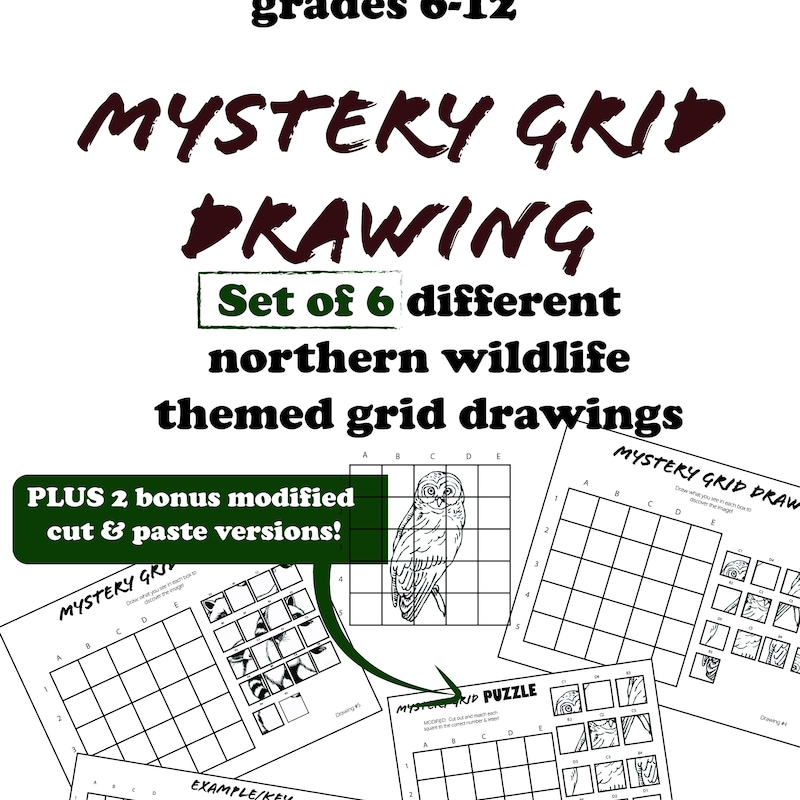
Executing an effective grid-drawing exercise requires selecting high-resolution photographic subjects and printing them with clear, bold grid lines on standard heavyweight paper. Educators should instruct children to label columns and rows sequentially with numbers and letters to reinforce algebraic thinking alongside artistic technique. Begin the session by covering all quadrants except the top-left section, teaching learners to isolate lines, curves, and negative spaces within that single boundary before advancing systematically across the entire matrix.
Common Challenges and How to Avoid Them
Frustration during grid-based activities usually stems from choosing overly complex reference images or skipping fundamental spatial warm-ups before drawing. Instructors must ensure that initial photo references feature clear focal points and uncluttered backgrounds so that children can easily track intersecting lines. If a child struggles with proportional placement, temporarily reduce the total number of grid squares or provide partially filled templates to scaffold the learning process effectively.
💬 Frequently Asked Questions
Explore More Free Learning Printables and Visual Activities on WePhotoAgency
Accessing comprehensive collections of professional educational resources empowers parents and educators to cultivate lifelong visual and cognitive competencies. Explore the complete library of structured visual tools, printables, and creative guides available directly through WePhotoAgency to support engaging, hands-on learning environments for every child.
Visual Reference Gallery