Introduction
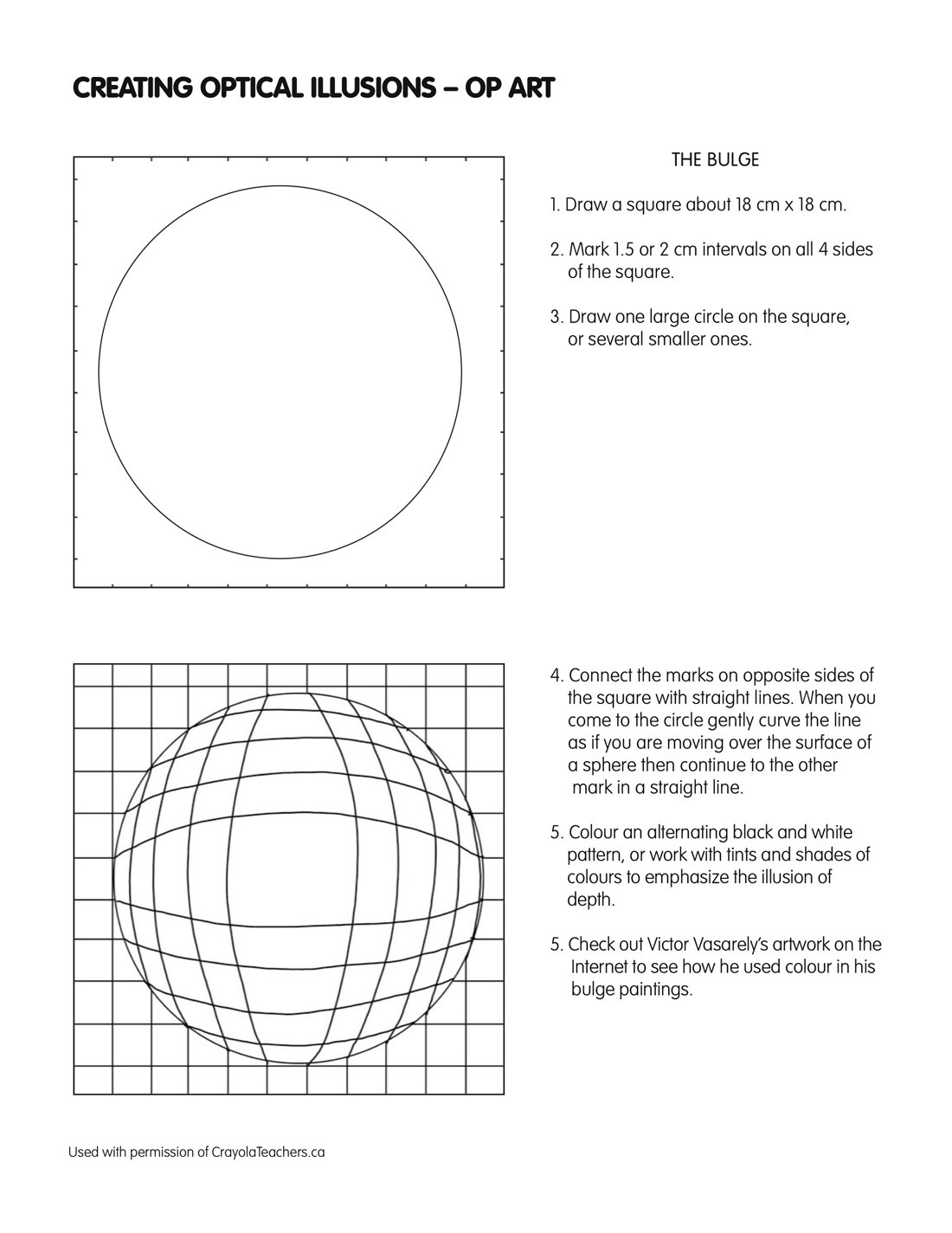
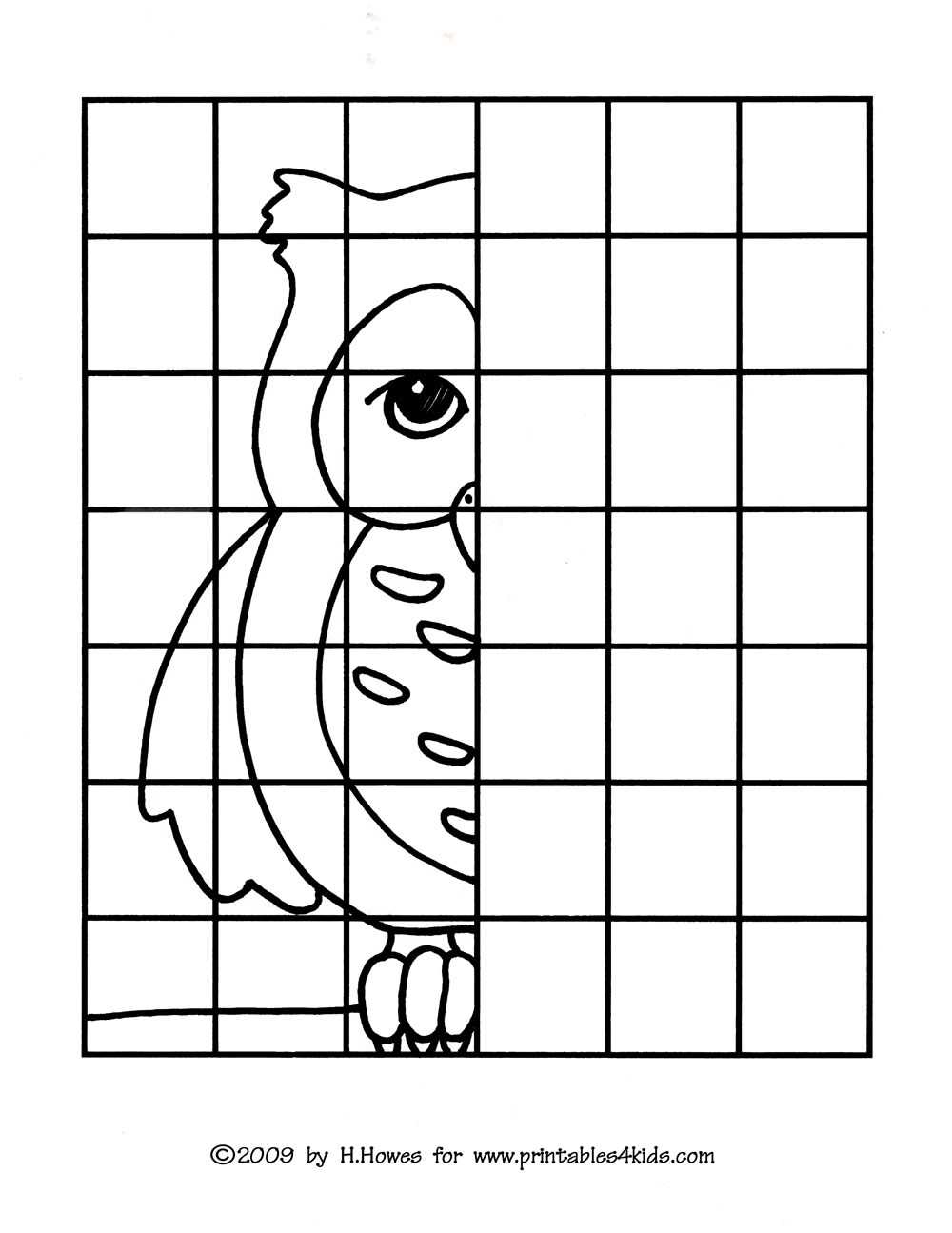
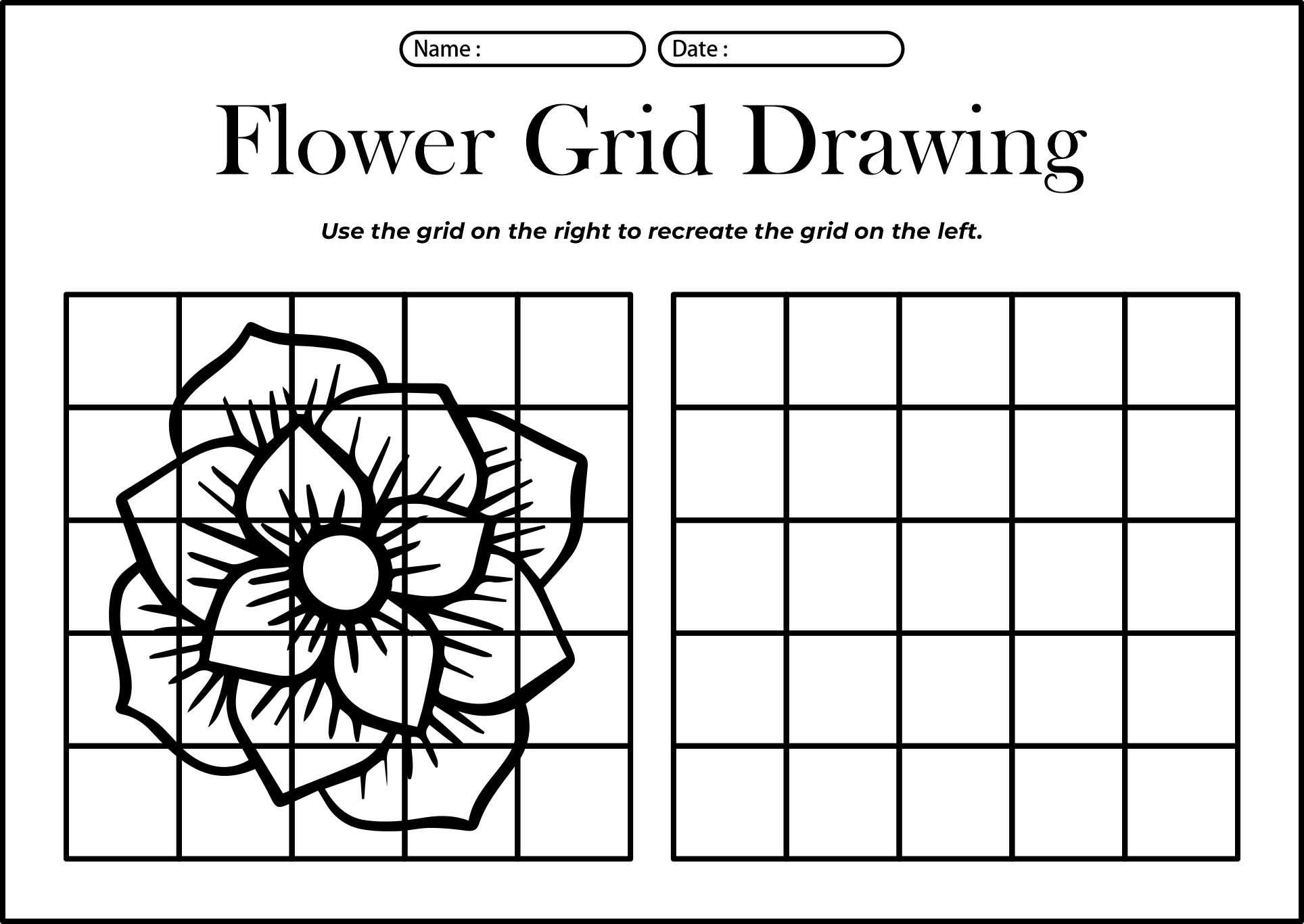
Grid drawing illusion is an educational technique that simplifies complex visual information into manageable square coordinate segments, dramatically improving spatial estimation and observation skills in young learners. According to the National Association for the Education of Young Children (NAEYC), hands-on manipulative arts experiences build foundational cognitive structures by bridging visual perception with active fine-motor coordination. Educators utilize printable worksheets overlaid with coordinate lines paired with real photo visual flashcards to train children to look at distinct lines, angles, and negative spaces rather than relying on abstract mental symbols. This method transforms intimidating artistic tasks into structured puzzles, making precise visual arts accessible to early elementary students. Mastering this technique supports broader academic development by enhancing geometric comprehension and sustained visual attention. Through structured Grid Drawing materials, children discover how to break down complex imagery systematically.
Visual Learning & Skill Snapshot:
- Core Focus: Grid drawing illusion systematically divides reference images into coordinate squares to teach proportional accuracy.
- Target Skill: Spatial reasoning, visual discrimination, fine-motor proportion, and photo-based concept mastery.
- Key Recommendation: Pair high-contrast real photo visual flashcards with 2×2 or 3×3 simple coordinate grids for early learners.
Core Principles and Visual Learning Overview
Grid drawing illusion relies on cognitive deconstruction, teaching the human brain to isolate individual geometric blocks from an overarching composition to overcome cognitive overload. When children attempt to draw an entire real photo or complex object freehand, visual processing centers often become overwhelmed by holistic details, resulting in distorted proportions. By overlaying a transparent or printed grid, the visual field reduces into independent coordinates where lines intersect at predictable angles. Children learn to scan single squares independently, assessing whether a curve touches the upper-right corner or bisects a diagonal path. This targeted practice strengthens hemispheric coordination and visual-motor integration. Utilizing versatile Photo Flashcards alongside these structured worksheets ensures that learners connect abstract grid principles to recognizable, real-world objects and animals.
Key Specifications and Breakdown
| Age / Learning Stage | Visual Skill & Grid Ratio | Pedagogical Application & Scaffolding |
|---|---|---|
| Ages 4-5 (Early Learners) | 2×2 Grid; Basic Shapes | Focuses on simple geometric placement, bold outlines, and high-contrast photographic reference cards. |
| Ages 6-7 (Early Elementary) | 3×3 Grid; Natural Objects | Emphasizes proportion estimation, curve tracking, and careful line continuation across adjacent squares. |
| Ages 8-9 (Advanced Elementary) | 4×4 Grid; Detailed Subjects | Targets complex shading gradients, fine motor precision, and independent coordinate verification. |
Structured visual partitioning significantly enhances spatial working memory and reduces cognitive load during early artistic reproduction tasks. — National Art Education Association (NAEA)
Step-by-Step Practical Application and Printing Guidelines
Implementing grid drawing illusion effectively requires high-contrast printing, durable materials, and progressive scaffolding to maintain student confidence. Start by printing reference sheets featuring clear, unobstructed photographic subjects alongside blank matching coordinate grids on heavy cardstock to prevent tearing during pencil work. Instruct children to cover all squares except the top-left quadrant using an index card, forcing focused observation on a single localized area before expanding outward. Encourage light pencil sketching initially so minor proportion adjustments can be erased easily before final outlining or coloring takes place. Integrate varied Educational Activities that alternate between animal subjects, architectural landmarks, and botanical close-ups to sustain engagement across diverse learning units.
Common Challenges and How to Avoid Them
The most frequent obstacle in grid drawing illusion is premature whole-image sketching, where children abandon the grid coordinates and attempt to draw freehand from memory. To correct this tendency, educators should physically demonstrate how to locate specific grid intersections—such as noting that a stem crosses the exact middle of coordinate B2—before allowing independent work. Another common challenge involves grid scaling confusion when drawing a small photo onto a larger paper frame. Ensure printouts maintain strict proportional ratios (such as matching square-for-square dimensions) until students fully master basic coordinate transfer techniques.
💬 Frequently Asked Questions
Explore More Free Learning Printables and Visual Activities on WePhotoAgency
Empowering young learners with exceptional spatial reasoning tools requires access to high-quality, professionally designed printables that bridge creativity with cognitive development. Educators, parents, and homeschoolers can discover a comprehensive collection of downloadable resources, reference sheets, and interactive visual materials by visiting WePhotoAgency.com to elevate everyday art instruction.
Visual Reference Gallery