Introduction
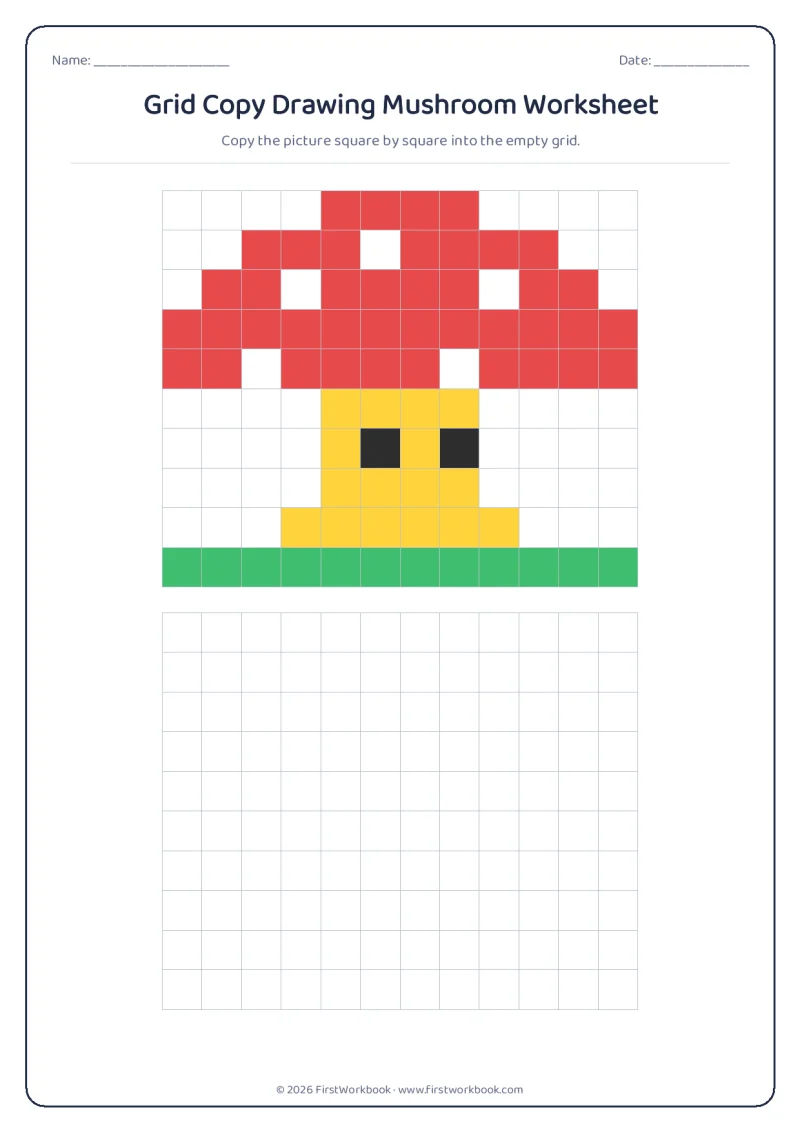
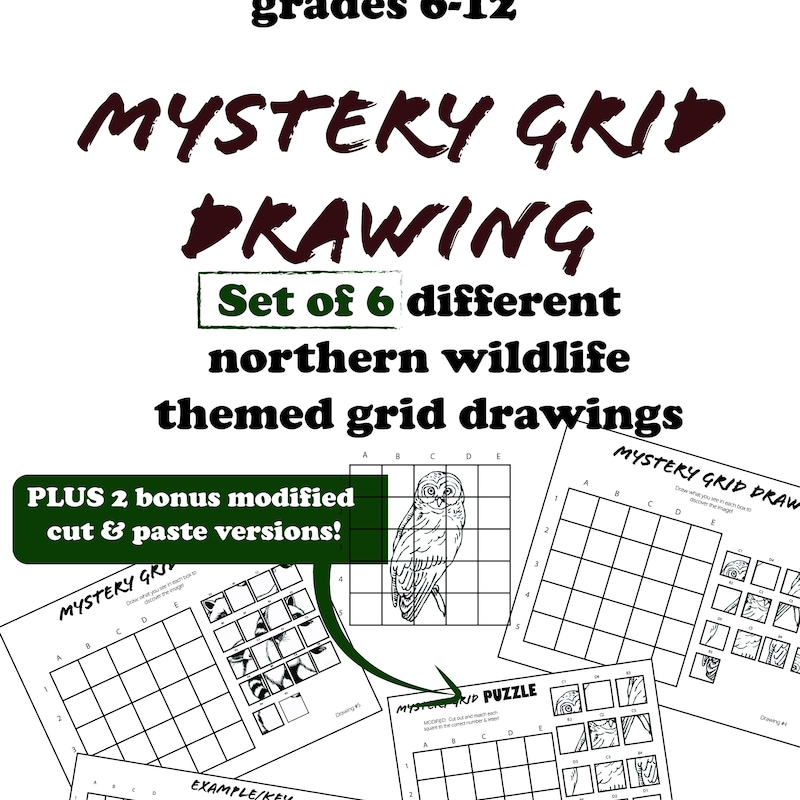
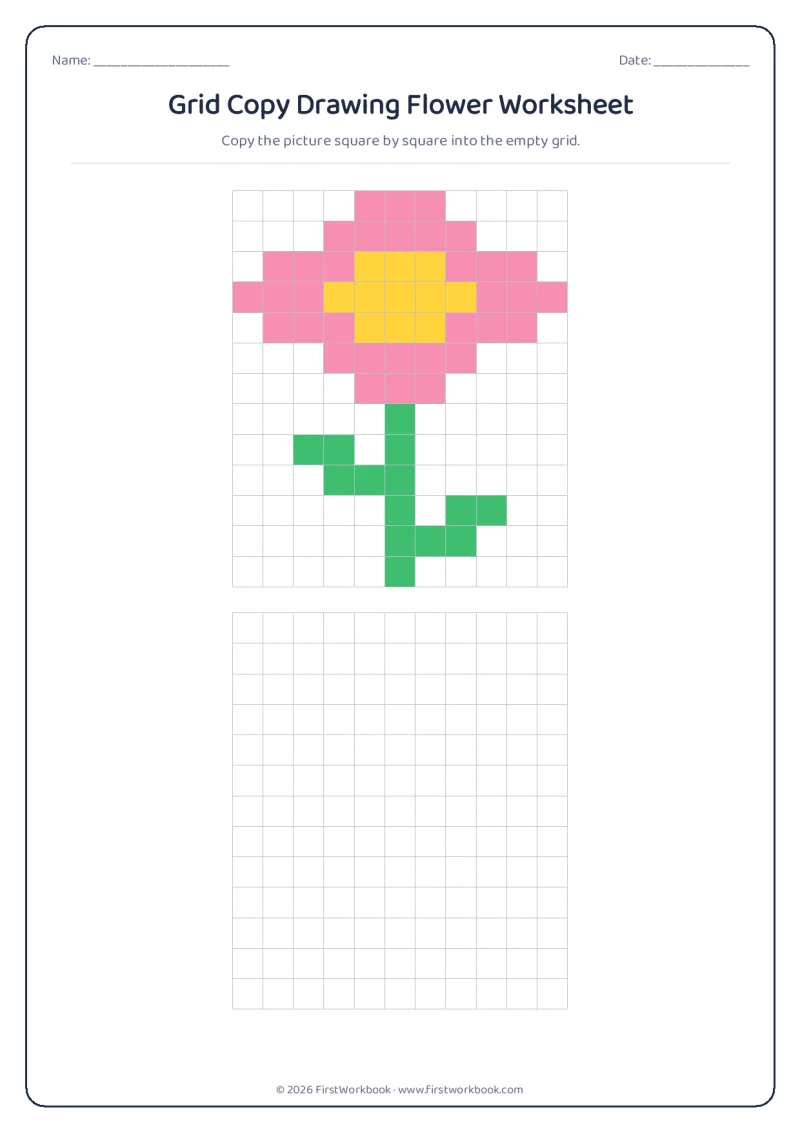
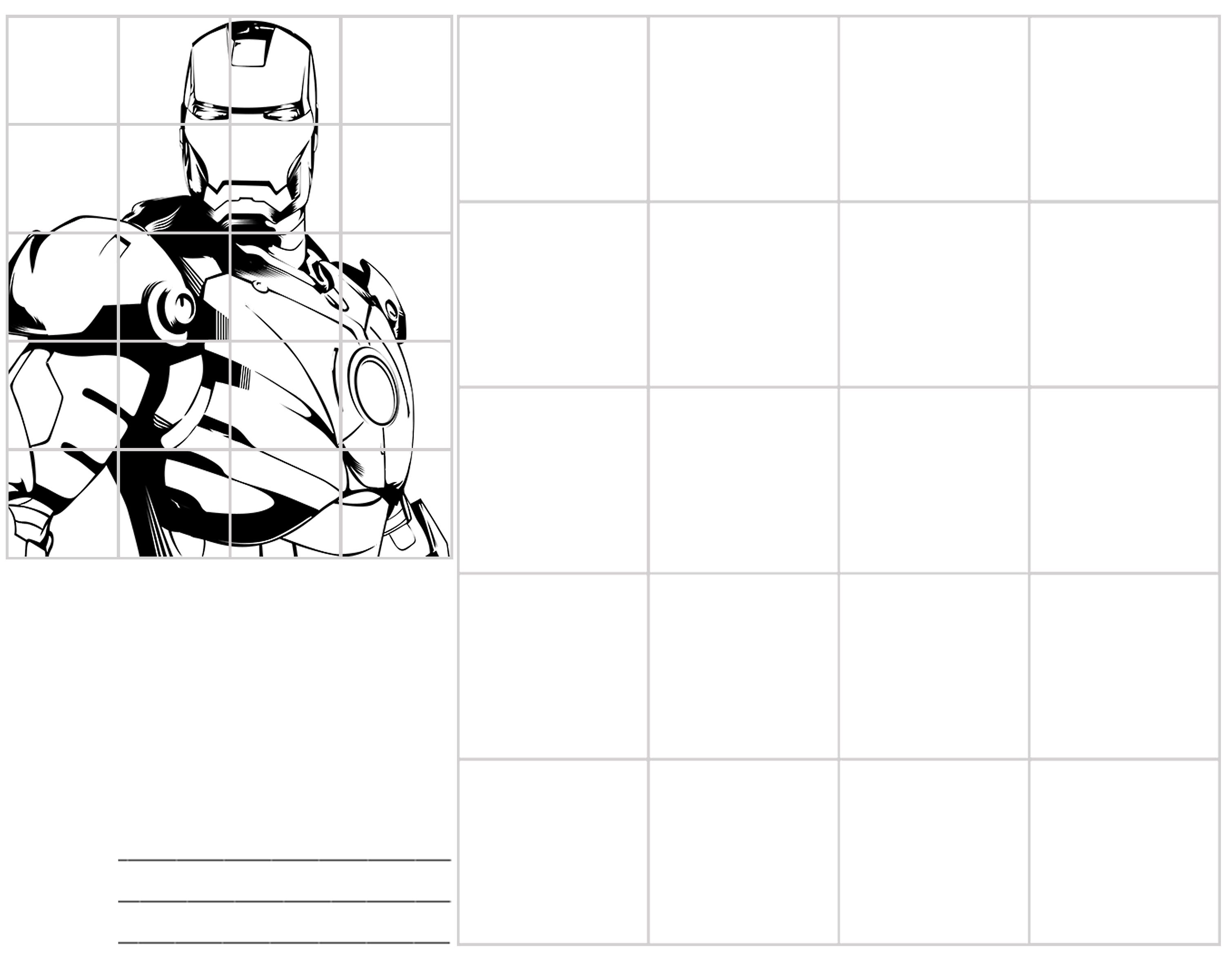
Grid drawing ideas encompass structured instructional techniques that use intersecting horizontal and vertical coordinate lines to help children translate complex visual imagery into manageable spatial segments. According to the National Art Education Association (NAEA), structured drawing systems and observational exercises actively support the development of spatial awareness, fine-motor precision, and cognitive visual processing in developing artists. By breaking down real photographic references into coordinated squares, children learn to isolate shapes, gauge proportions accurately, and overcome the cognitive intimidation of blank paper. Practitioners seeking reliable printouts can explore specialized resources available at Grid Drawing to facilitate structured daily visual exercises.
Visual Learning & Skill Snapshot:
- Core Focus: Coordinate-based visual mapping for early childhood spatial and fine-motor mastery.
- Target Skill: Spatial reasoning, visual discrimination, and photo-to-paper proportion estimation.
- Key Recommendation: Pair high-contrast photo templates with simplified 2×2 or 3×3 grids for beginners.
Core Principles and Visual Learning Overview
Grid drawing ideas fundamentally rely on breaking continuous visual stimuli into smaller, isolated coordinate quadrants to reduce cognitive load during rendering. When children pair printable worksheets with authentic Photo Flashcards, the learning process shifts from abstract guesswork to concrete spatial analysis. Instead of processing an entire image at once, young learners focus exclusively on line intersections, negative space, and contour lines within a single box. This scaffolded approach strengthens bilateral coordination, enhances eye-hand coordination, and builds foundational geometry comprehension without requiring advanced prior drawing proficiency.
Key Specifications and Breakdown
| Age / Learning Stage | Visual Skill & Grid Ratio | Pedagogical Application & Scaffolding |
|---|---|---|
| Ages 4–5 (Early Explorer) | 2×2 Grid (4 quadrants) | Utilize high-contrast photographic cards of familiar objects to build basic coordinate tracking. |
| Ages 6–7 (Developing Learner) | 3×3 Grid (9 quadrants) | Integrate animal and nature photographs to practice line continuity and proportion estimation. |
| Ages 8–9+ (Advanced Beginner) | 4×4 or 5×5 Grid (16+ quadrants) | Introduce complex architectural or cultural subjects to refine scaling and meticulous observation. |
Structured visual mapping methods systematically enhance spatial cognition, visual attention span, and motor planning capacity in early childhood learning environments. — National Art Education Association (NAEA)
Step-by-Step Practical Application and Printing Guidelines
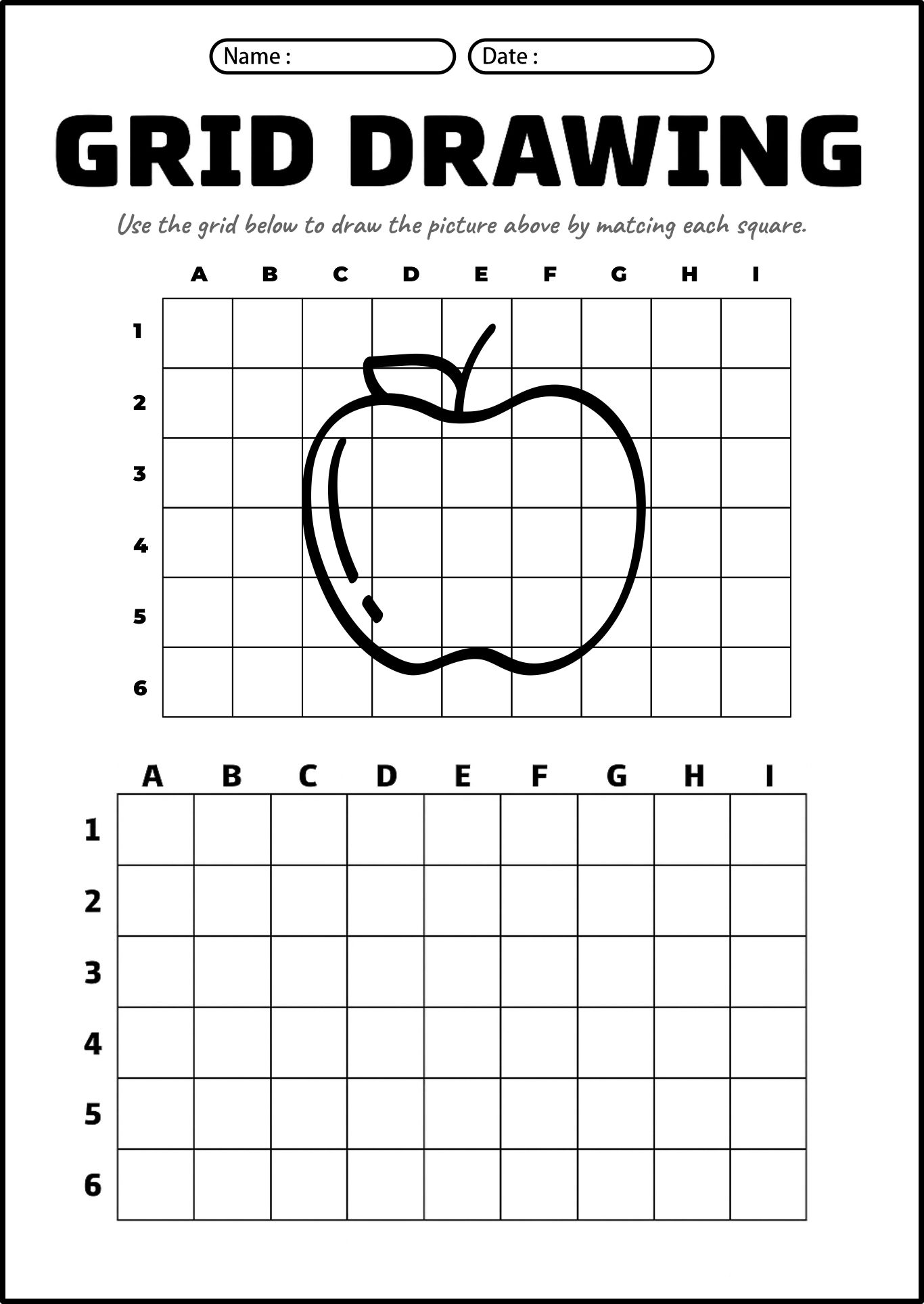
Effective implementation requires pairing high-resolution printed reference cards with matching blank coordinate templates to ensure seamless visual transfer. Educators should print identical grid lines on both the source photo and the blank drawing sheet, numbering columns alphabetically and rows numerically to establish a clear coordinate system. Children should be encouraged to complete the drawing box by box, starting from the top-left corner and moving systematically across the grid rather than jumping randomly around the page. To expand learning utility across multiple subjects, incorporating diverse Educational Activities alongside these drawing sheets keeps students actively engaged and cognitively stimulated.
Common Challenges and How to Avoid Them
Frustration often arises when young learners attempt to draw the entire subject at once instead of focusing on individual coordinate squares. Educators can prevent this hurdle by using physical window blockers or index cards to cover all surrounding boxes, forcing the child to concentrate solely on the targeted quadrant. Ensuring that starting templates feature bold, clear grid lines alongside crisp photographic subjects eliminates ambiguity and maintains steady confidence throughout the drawing process.
💬 Frequently Asked Questions
Explore More Free Learning Printables and Visual Activities on WePhotoAgency
Accessing high-quality, educator-crafted printables provides an invaluable foundation for visual arts integration and cognitive development in both classrooms and home settings. Educators, parents, and homeschoolers can discover a comprehensive collection of downloadable resources, sequential drawing guides, and visual learning tools by visiting the main library at WePhotoAgency.com to support early childhood educational milestones.
Visual Reference Gallery